


Battery Slurry

TEL:18925129293


Battery Slurry
date:2023-06-01author:SIENOXSIENOX Battery Slurry Material Solutions
Working Condition Requirements
• Material Type: Battery slurries (lithium‑ion battery cathode slurry, anode slurry, solid‑electrolyte slurry, sodium‑ion battery slurry, etc.)
• Initial Status: A large number of micro‑scale bubbles are incorporated into battery slurries during dispersion and slurry preparation. Active material particles tend to settle and agglomerate. Direct coating easily causes bubble voids and uneven coating thickness, which seriously affects the electrochemical performance, cycle life and safety performance of batteries.
• Treatment Target: Uniformly remove micro‑scale bubbles from battery slurries, disperse active material particles evenly in binder solution, ensure uniform coating and dense defect‑free coatings, and meet high‑precision coating process requirements for lithium‑ion batteries, sodium‑ion batteries and other batteries.
Comparison Before and After Improvement
Before Improvement — Pain Points of Traditional Processes
Battery slurry is the core material of new‑energy batteries such as lithium‑ion batteries and sodium‑ion batteries. Its quality directly determines the electrochemical performance, cycle life and safety performance of batteries. However, slurries are highly prone to bubble entrapment during dispersion and mixing, and traditional treatment methods face multiple challenges:
• Coating defects induced by bubbles: Residual bubbles in slurries form voids and pinholes during coating, leading to uneven coating thickness, inconsistent internal resistance and local overheating of batteries, which severely impair battery safety performance.
• Uneven distribution of active materials: Active material particles feature higher density than solvents. Traditional stirring easily causes sedimentation or agglomeration, resulting in inconsistent active‑material concentration in different coating zones and fluctuations in battery capacity and cycle life.
• Particle damage from high‑speed dispersion: Excessive shear force of traditional high‑speed dispersers may damage the morphology of active‑material particles or break conductive‑agent network structures, impairing battery rate performance.
• Difficult‑to‑guarantee batch consistency: Large uniformity fluctuations exist among batches with conventional methods, leading to inconsistent coating thickness and areal density, and low battery yield.
Solutions
• Vacuum Defoaming + Planetary Motion: Under vacuum conditions, powerful shear and convection are generated by planetary rotation‑revolution motion. Micro‑scale bubbles inside slurries gradually rise and are extracted for thorough defoaming.
• Uniform Dispersion of Active Materials: Planetary motion delivers 360° dead‑zone‑free mixing. Active‑material particles are redispersed in a mild and uniform force field without damaging particle morphology or conductive‑agent networks.
• High Batch Consistency: Parameterized control over rotating speed, time and vacuum degree ensures consistent treatment effects for every batch, with stable coating thickness and areal density.
• Compatible with High‑Precision Coating: Treated slurries are applicable for high‑precision processes including lithium‑ion‑battery electrode coating and solid‑state‑battery electrolyte‑layer coating, bringing remarkable improvements in battery performance and yield.
Advantages of Stirring‑Defoaming Machine
• Efficient Removal of Micro‑Scale Bubbles: Vacuum environment combined with planetary motion effectively eliminates micro‑sized bubbles in slurries and eliminates hidden risks of coating voids and pinholes.
• Uniform Dispersion of Active Materials: Gentle and uniform planetary rotation‑revolution motion enables non‑destructive dispersion of active‑material particles while preserving original electrochemical performance.
• Precisely Controllable Parameters: Adjustable rotating speed, time and vacuum degree for precise process‑parameter optimization for different slurry formulas.
• Excellent Batch Consistency: Standardized treatment procedures guarantee uniform slurries across batches with stable coating thickness and areal density.
• High Efficiency & Time‑Saving: The whole stirring‑defoaming process is completed within several minutes, greatly boosting production efficiency.
• Suitable for High‑Precision Coating: Treated slurries satisfy high‑precision process requirements for lithium‑ion‑battery electrode coating and solid‑state‑battery electrolyte‑layer coating.
Test Conditions
Item | Parameter |
Model | SIE‑MIX60 |
Test Material | Battery slurry (cathode slurry / anode slurry, etc.) |
Test Rotation Speed | 1500 rpm |
Test Time | 3 min |
Vacuum Degree | -95KPa |
Sample Provider | Henan * Research Institute |
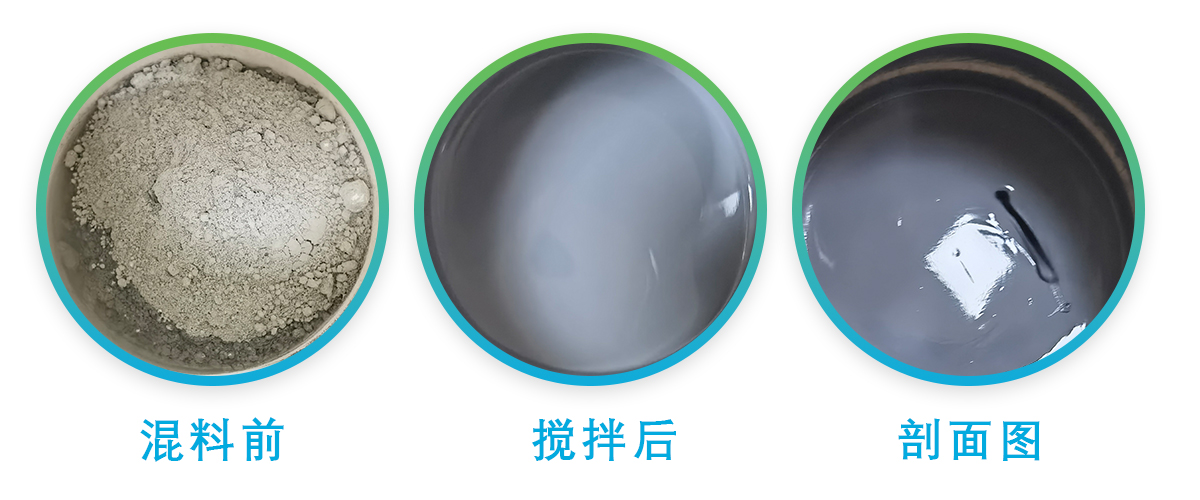
Comparison Before and After Stirring
Comparison Item | Before Stirring | After Stirring |
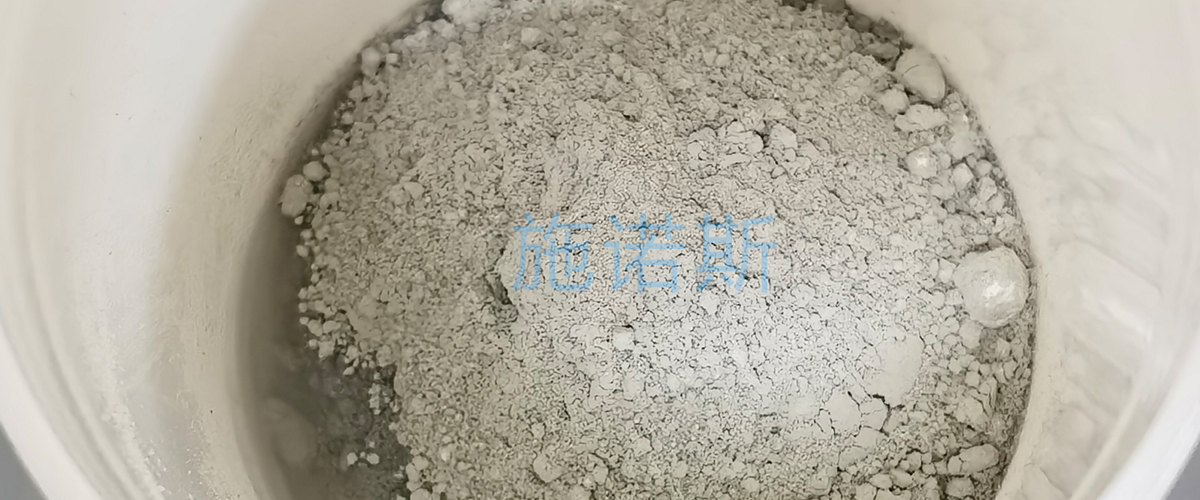
Bubble Content | Large amounts of micro‑scale bubbles, tiny pores visible to naked eyes | Bubbles almost eliminated, dense and uniform slurry |
Active‑Material Distribution | Sedimentation and agglomeration of active materials with uneven local concentration | Active materials uniformly dispersed in binder with high overall consistency |
Slurry Appearance | Rough surface with pores and particle agglomerates | Smooth and fine surface with uniform texture |
Coating Performance | Voids, pinholes and uneven thickness occur during coating | Uniform and dense coating without voids or pinholes |
Battery Performance | Inconsistent internal resistance, large capacity fluctuation, low yield | Consistent internal resistance, stable capacity, significantly improved yield |
Mature Application Fields
✅ Lithium‑ion Battery Cathode Slurry
✅ Lithium‑ion Battery Anode Slurry
✅ Solid‑State Battery Electrolyte Slurry
✅ Sodium‑ion Battery Slurry
✅ Fuel‑Cell Catalyst Slurry
✅ Supercapacitor Slurry
***SIENOX has more than 1800 material stirring‑defoaming cases, free sample testing and trial machine test available
Related recommendations
Battery Slurry
High‑Precision Adhesive Bonding Solution for New‑Energy Vehicle Battery Encapsulation
Perhaps you still need....
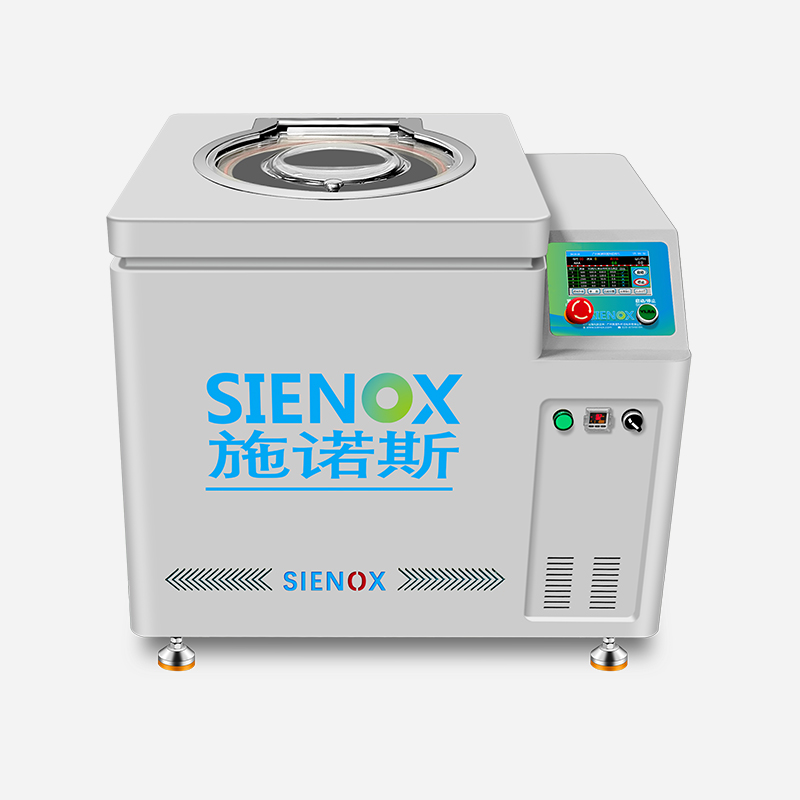
行星式真空脱泡搅拌机 SIE-MIX1000plus
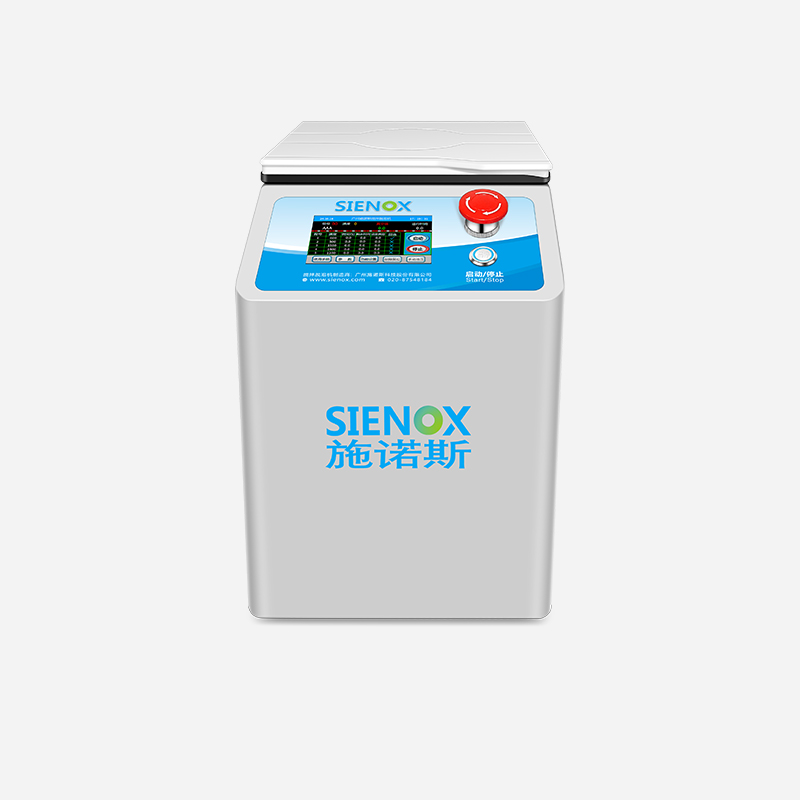
实验室行星式搅拌脱泡机 SIE-SV200
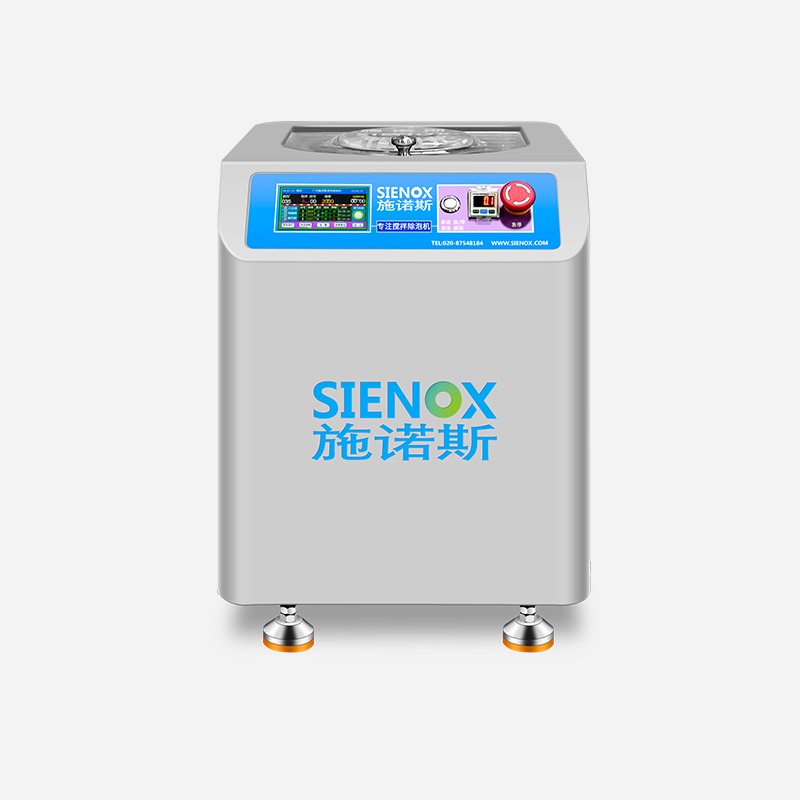
SIENOX行星式脱泡搅拌机 SIE-CV300
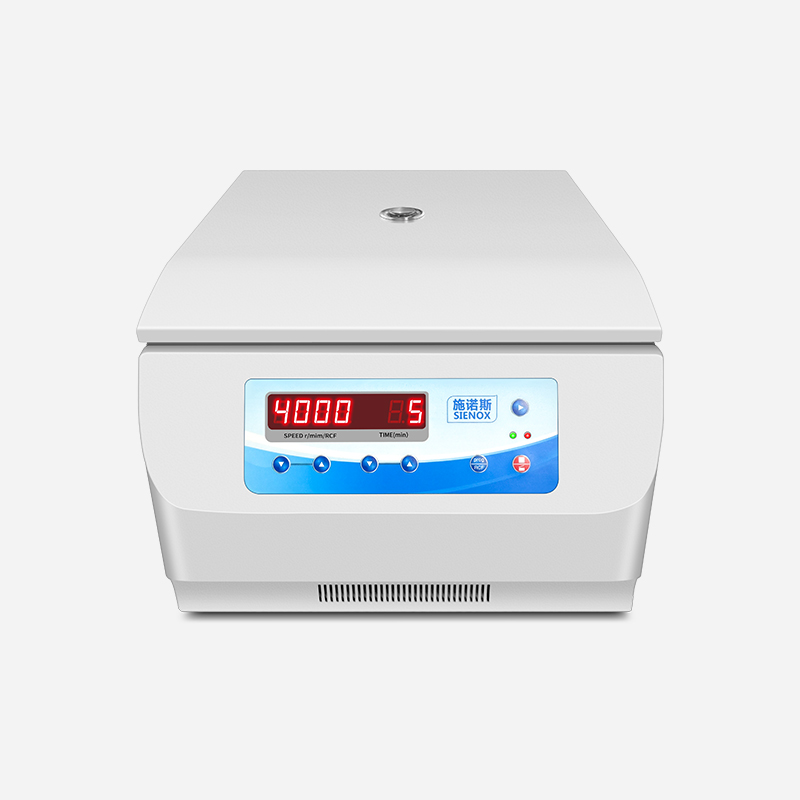
离心脱泡机 SIE-C006
About SIENOX
广州施诺斯(SIENOX),20年脱泡机设备研发与生产的源头厂家
超过1800种材料脱泡案例
纳米级脱泡,满足不同材料多段搅拌除泡需要,支持定制
资质齐全,荣获多项国家专利,联系我们可免费试样