

Three Roll Mill

TEL:18925129293


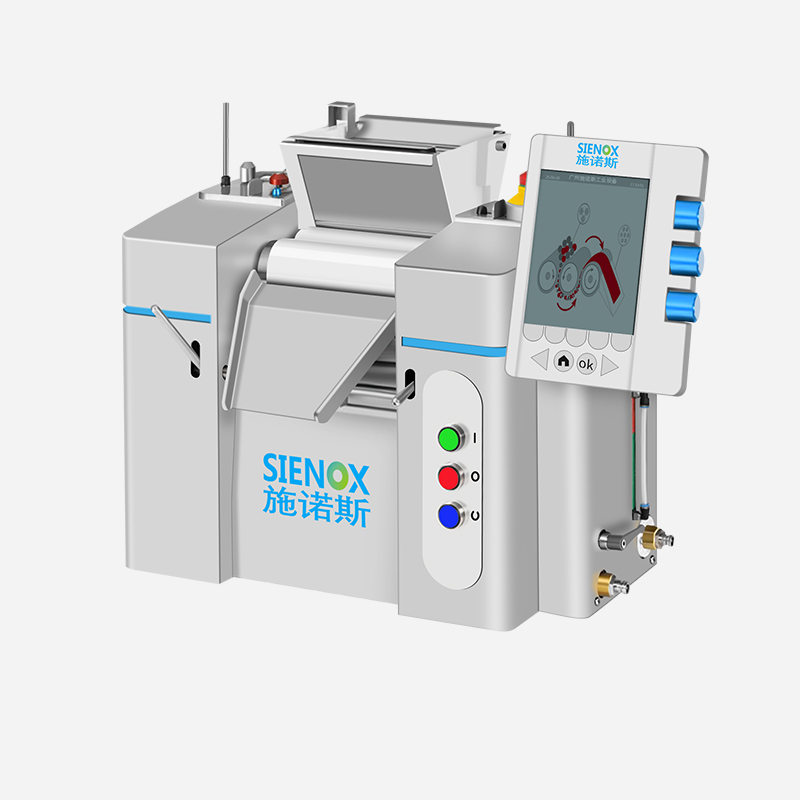
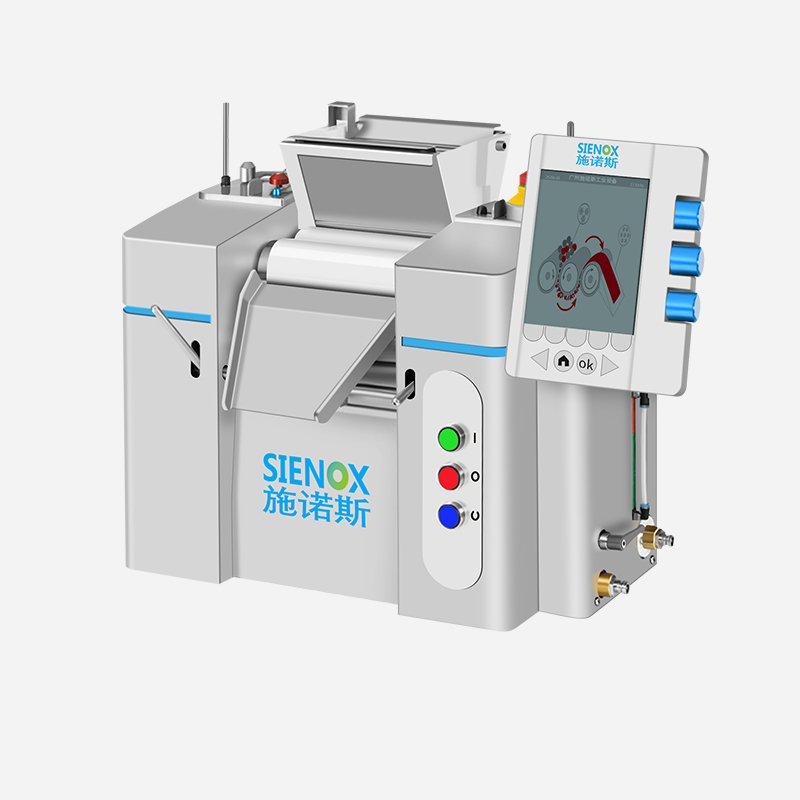
Precision Three-Roll Mill SIE-SG50

Micron-level Precision Three-Roll Grinding · Precise Speed Control with DC Speed Regulation
Micron Grinding Fineness + Precise DC Speed Control + Compact Benchtop Design
SIENOX SIE-SG50 Precision Three-Roll Mill, equipped with 50mm×150mm rollers to achieve micron-level grinding fineness and precise speed control via DC speed regulator. The compact dimension of 820×610×760mm fits laboratory benchtops. It is suitable for R&D grinding of small samples such as inks, cosmetics and electronic slurries.
✓ ISO9001 Quality System ✓ RoHS Compliance ✓ Custom Voltage (110V/220V)
Why Precision Grinding Is Required
Coarse particles and poor dispersion in slurry will directly affect the quality of end products.
Ink Printing IndustryCoarse pigment particles in newly formulated laboratory inks cause uneven hue and poor color development, affecting the accuracy of formula evaluation. Three-roll milling disperses pigments to micron level, ensuring uniform hue and excellent color development for reliable and reproducible formula test data. | Cosmetics IndustryVisible graininess in pastes such as lipsticks and foundation impairs spreadability and gloss, resulting in poor consumer experience. Three-roll milling delivers smooth and fine paste, improving product texture and market competitiveness. End-product performance can be verified through small-batch trial production. | Electronic Slurry IndustryAgglomerated silver powder in conductive silver paste causes screen printing breakpoints and sheet resistance fluctuation, undermining performance consistency of electronic components. Three-roll milling uniformly disperses silver powder to guarantee continuous screen printing and stable sheet resistance for more accurate laboratory formula evaluation. |
✨ Dilemmas of traditional grinding: High-speed dispersers commonly used in laboratories can only disperse materials instead of performing real grinding, failing to meet fineness requirements; the worn grinding media of sand mills introduce impurities and contaminate precious small samples; manual grinding features low efficiency and poor consistency, and results vary between different operators for the same material.
Why Choose SIE-SG50
Solve Core Pain Points of Laboratory Small Sample Grinding
Micron-level Precision GrindingThe roller surface undergoes precision grinding treatment with high parallelism, maintaining consistent gap clearance along the full length of rollers. The matte roller surface enables good adhesion of slurry. The shaft heads at both ends of the barrel adopt heavy interference cold pressing technology for firm and stable fitting with the barrel. Repeated circulating grinding achieves finer particle size to meet strict fineness requirements in the R&D stage. | Precise Speed Control with DC Speed RegulatorThe DC motor is equipped with a speed regulator for adjustable rotating speed. The grinding speed can be flexibly set according to material viscosity and target fineness. High-speed grinding improves efficiency for low-viscosity materials, while low-speed grinding ensures uniform dispersion for high-viscosity materials. The motor transmits power to the drive shaft via V-belt, and the gear train sequentially drives fast roller, middle roller and slow roller. Stable and reliable transmission ensures precise and controllable grinding every time. | Compact Benchtop DesignDesigned for laboratory benchtop operation. Small footprint and easy movement, allowing flexible layout in limited space of R&D laboratories. No special foundation installation required; ready for use once powered on. The feeding copper blade can be removed for easy cleaning and convenient material switching. |
✨ If your laboratory needs a compact, easy-to-operate three-roll mill with micron-level grinding fineness, the SG50 is the ideal choice.
Working Principle
Three rollers rotating at different speeds force the material under compression and shear to achieve mixing and homogenization.
Step 1: Three-roll Shear Grinding Step 2: Particle Size Control by Gap Adjustment Step 3: Material Collection by Scraper Simple three steps: Three-roll shearing → Gap particle control → Scraper discharging, stepwise grinding down to 3-18μm. A cold water circulation channel is arranged inside the rollers. The water flow is adjusted through cooling water pipes to suppress temperature rise during dispersion and guarantee grinding quality. | 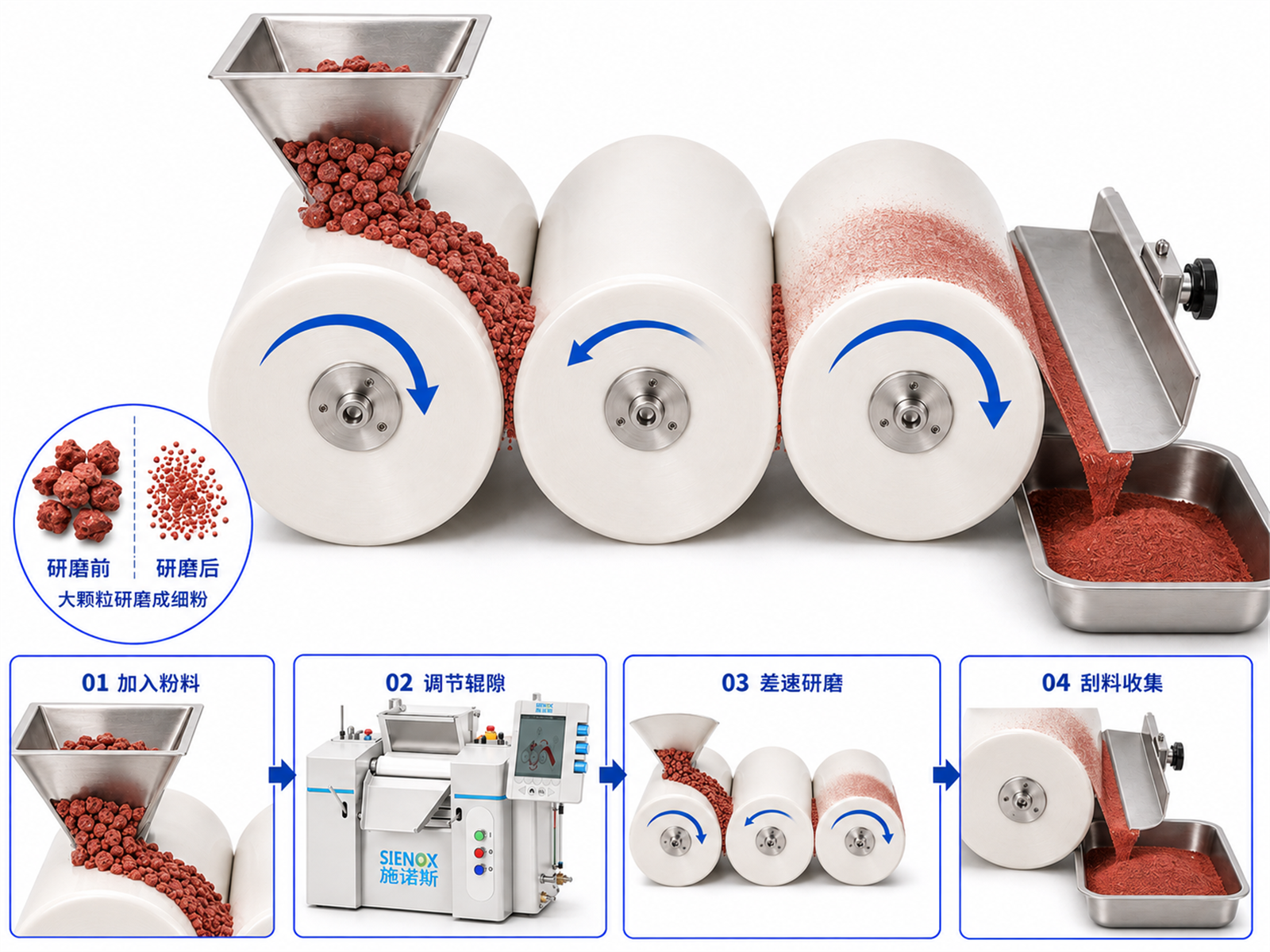 |
Technical Specifications
Complete Technical Specifications Overview, Customizable on Demand
| Model | SIE-SG50 |
| Roller Diameter | 50mm |
| Roller Working Length | 150mm |
| Finished Particle Size | 3-18μm after 3 passes |
| Capacity | 0.02-5 L/h |
| Temperature Control Function | No |
| Roller Material | Chilled Alloy / Bearing Steel |
| Transmission Type | V-belt & Gear Drive |
| Safety Protection | Yes |
| Overall Dimension(W×D×H) | 820×610×760 mm |
| Net Weight | Approx. 165 kg |
| Certifications | ISO9001, RoHS Compliance |
Our Partners
Trusted by leading industrial manufacturing clusters and advanced university laboratories worldwide
FAQ - Frequently Asked Questions
Answers to common questions about product performance and everyday process selection
-
What is the working principle of a centrifugal defoaming machine?
Principle of centrifugal defoaming machine: The bubbles are released by the downward principle of gravity.
-
How is the after-sales service?
The company has professional after-sales service personnel, 24-hour dedicated service, and one-on-one technical support to solve your worries.
-
Why choose SIENOX?
There are many reasons for choosing SIENOX, and the following are some of the main reasons:
1. Professionalism: Our team consists of a group of professional individuals with rich experience and knowledge in their respective fields. We not only understand industry trends and best practices, but also provide practical and feasible solutions.
2. Service quality: We focus on customer needs and satisfaction, and are always committed to providing high-quality services. We not only respond quickly to customer needs, but also provide customized services according to their requirements.
3. Reliability: We adhere to the principles of integrity and professionalism, always adhering to commitments and agreements. Our work methods and deliverables comply with industry standards and best practices, enabling our clients to trust us.
4. Innovation: We continuously explore new methods and tools to provide better services and meet customer needs. We encourage innovation and experimentation, and are willing to accept challenges and change.
5. Cost effectiveness: We provide cost-effective services that not only help customers save costs, but also improve efficiency and productivity. We always prioritize the interests of our customers and provide them with the best solutions.
6. Teamwork: We believe in the power and value of teamwork, and our team members support, collaborate, and respect each other. We establish close cooperative relationships with customers, partners, and other stakeholders to achieve common goals.
The above are just some of the reasons for choosing us. We believe there are many other advantages and values that can be provided to customers. If you are looking for a professional, reliable, and high-quality service provider, we look forward to working with you.
-
How does the stirring and defoaming machine work?
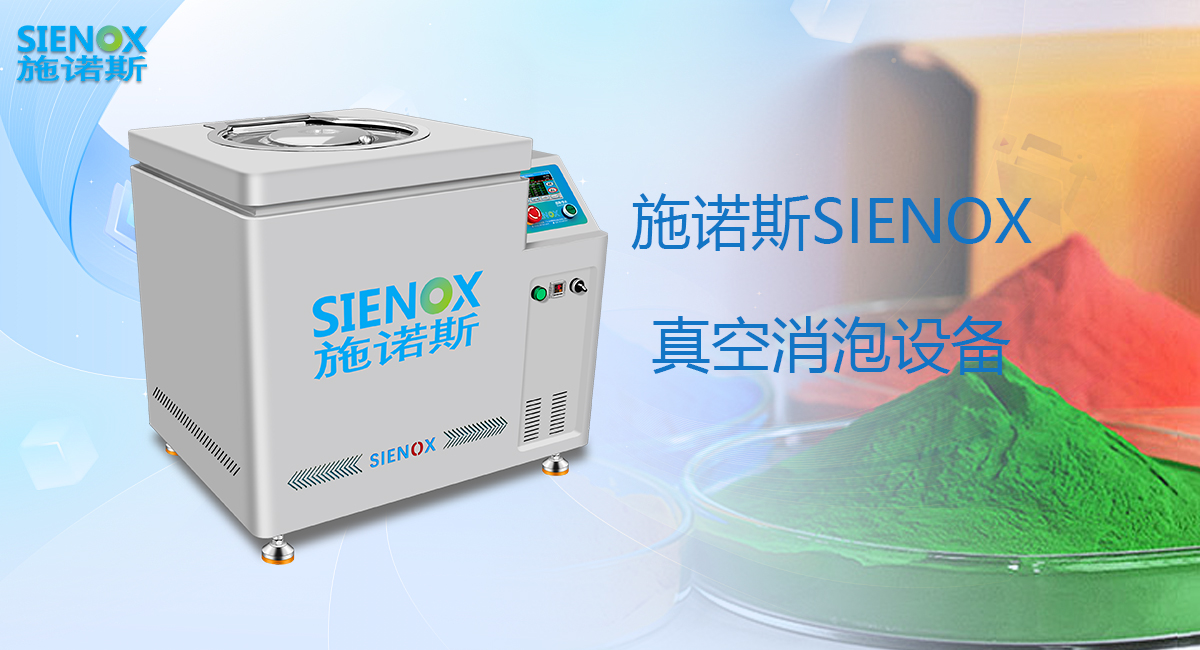
The SIENOX stirring and defoaming machine performs defoaming through centrifugal force at revolution and stirring through shear force formed by revolution and rotation,
Assisted by a vacuum pump to extract gas and achieve a vacuum state, removing nanoscale tiny bubbles. No contact with materials, no secondary pollution, and no secondary waste.
-
What is the function of a defoaming machine?
A defoaming machine is a device used to remove bubbles from liquids. Its function is to assist in the liquid mixing, reaction, coating, printing, infusion and other process steps in the production process, avoiding the generation of bubbles and their impact on the final product. In many industrial and laboratory environments, removing bubbles is essential as they may have a negative impact on product quality, such as affecting surface tension and stability. Defoaming machines typically use various techniques such as vibration, ultrasound, centrifugation, etc. to achieve effective bubble removal. It has a wide range of applications, including but not limited to semiconductors, solar energy, optics, biotechnology, materials science, etc.
Technical Specification List
Compare Models in the Same Series for Accurate Selection
| Model | SIE-SG50 | SIE-SG80 | SIE-SG120 |
| Roller Diameter | 50mm | 80mm | 120mm |
| Roller Working Length | 150mm | 200mm | 450mm |
| Finished Particle Size | 3-18μm after 3 passes | 3-18μm after 3 passes | 3-18μm after 3 passes |
| Capacity | 0.02-5 L/h | 0.05-15 L/h | 0.5-50 L/h |
| Temperature Control | No | Heating / Cooling Available | Heating / Cooling Available |
| Roller Material | Chilled Alloy / Bearing Steel | Chilled Alloy / Bearing Steel | Chilled Alloy / Bearing Steel |
| Transmission Type | V-belt & Gear Drive | V-belt & Gear Drive | V-belt & Gear Drive |
| Power Supply | 220V, 50/60Hz (110V US/Japan standard customizable) | 220V, 50/60Hz (110V US/Japan standard customizable) | 220V, 50/60Hz (110V US/Japan standard customizable) |
| Overall Dimension(W×D×H) | 820×610×760mm | 1000×750×900mm | 1500×1000×1200mm |
| Net Weight | 165 kg | 300kg | 800 kg |
***The above are typical models only. SIENOX can provide customized solutions according to customer requirements. For model selection consultation: 189-2512-9293
Multi‑Industry Solutions
Covers mixing and defoaming applications of typical materials across six major industries
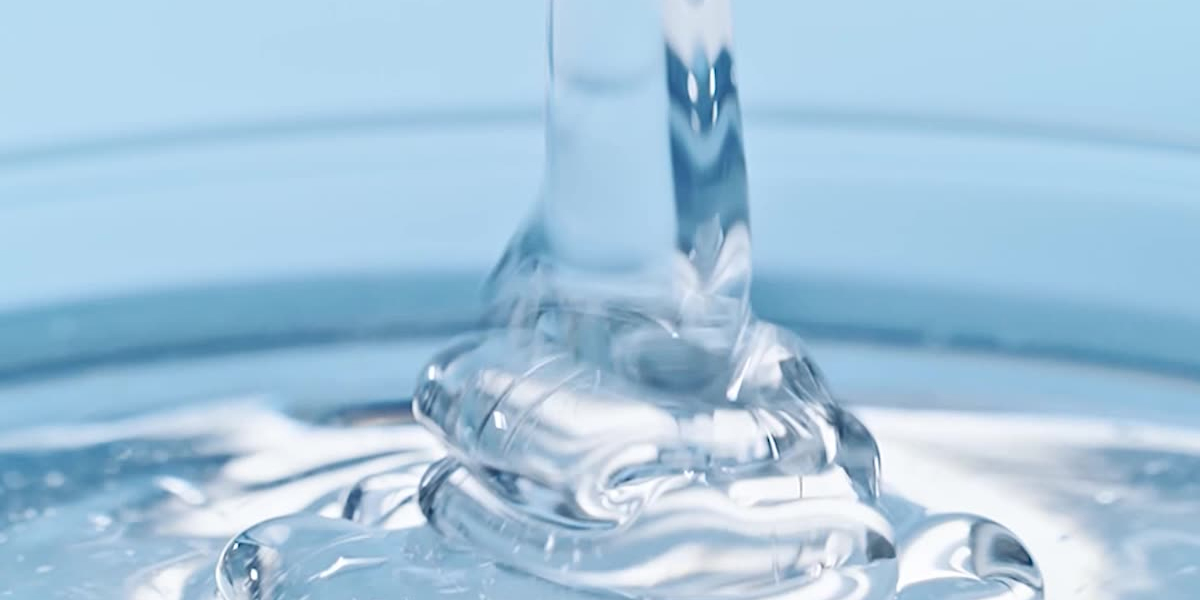
Adhesive R&DEpoxy structural adhesives, sealants, hot melt adhesives, pressure-sensitive adhesives, modified adhesives |
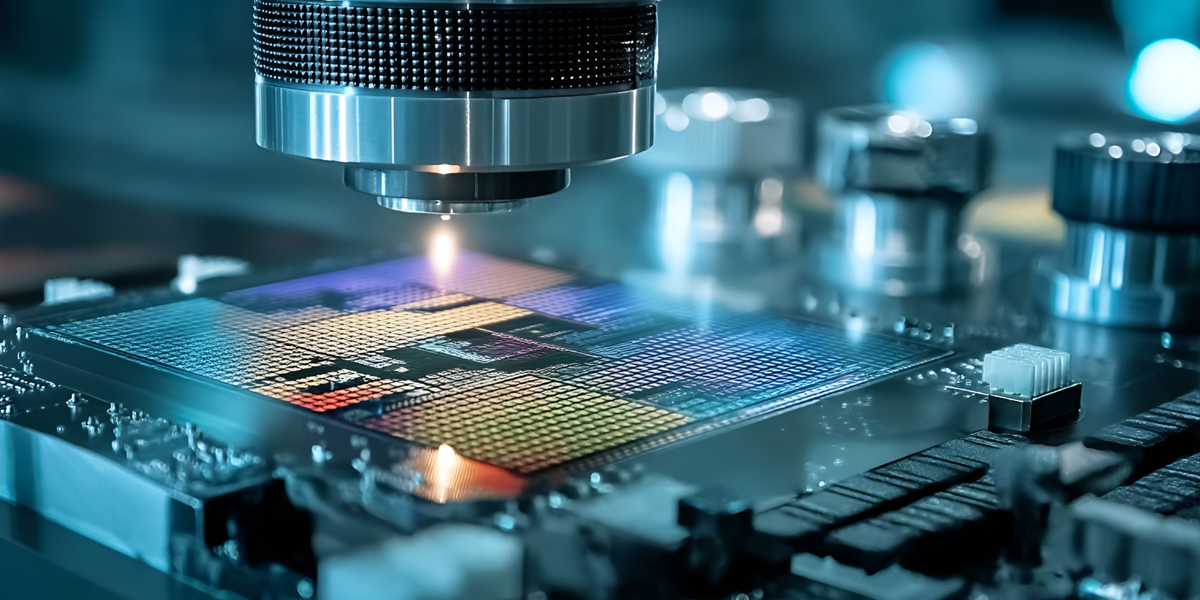
Precision Electronic AssemblyUnderfill adhesives, conductive adhesives, die attach pastes, dispensing adhesives, chip bonding adhesives |
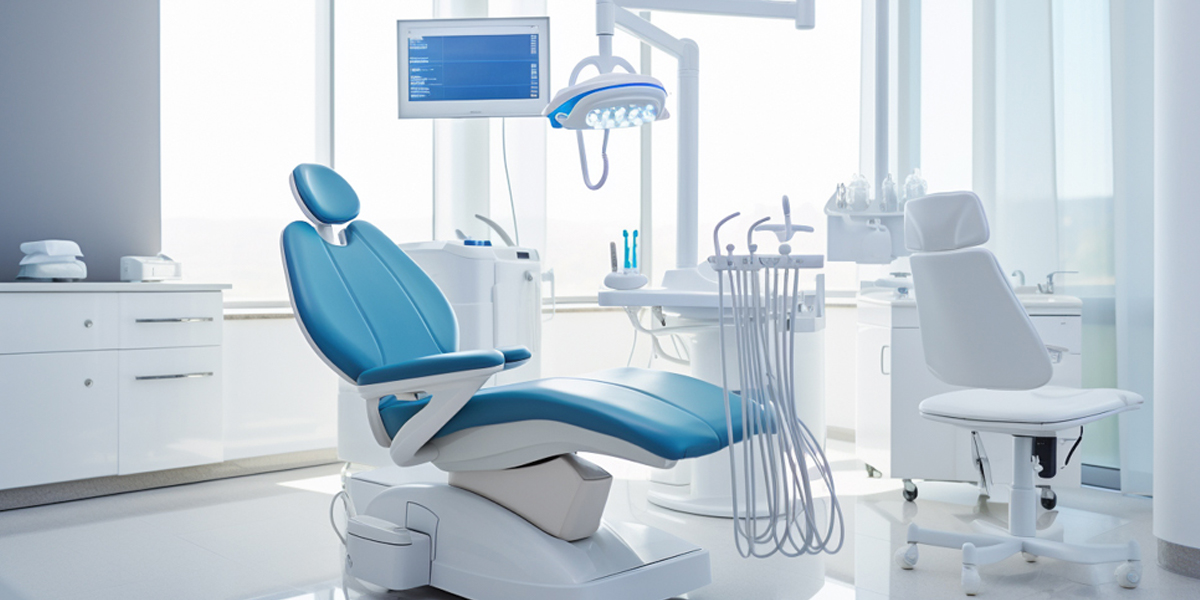
BiosensorsEncapsulation adhesives, reagent immobilization materials, microfluidic bonding adhesives, biocompatible adhesives, sensor sealants |
Microelectronic PackagingPackaging epoxy adhesives, molding compounds, lead bonding adhesives, substrate bonding adhesives, passivation layer materials |
Functional CoatingsHydrophobic coatings, conductive coatings, insulating coatings, anti-corrosion coatings, wear-resistant coatings |
Electronic SlurriesSilver paste, copper paste, carbon paste, resistor paste, dielectric paste |


Comprehensive Equipment Operation Demo Videos
Get an Intuitive, Clear & Dynamic View of Simultaneous Defoaming by Planetary Centrifugal and High‑Negative‑Pressure Technology
Actual‑test Performance Demonstration
Measured Processing Results for Six Typical Materials
Paste Materials |
Glue + Powder |
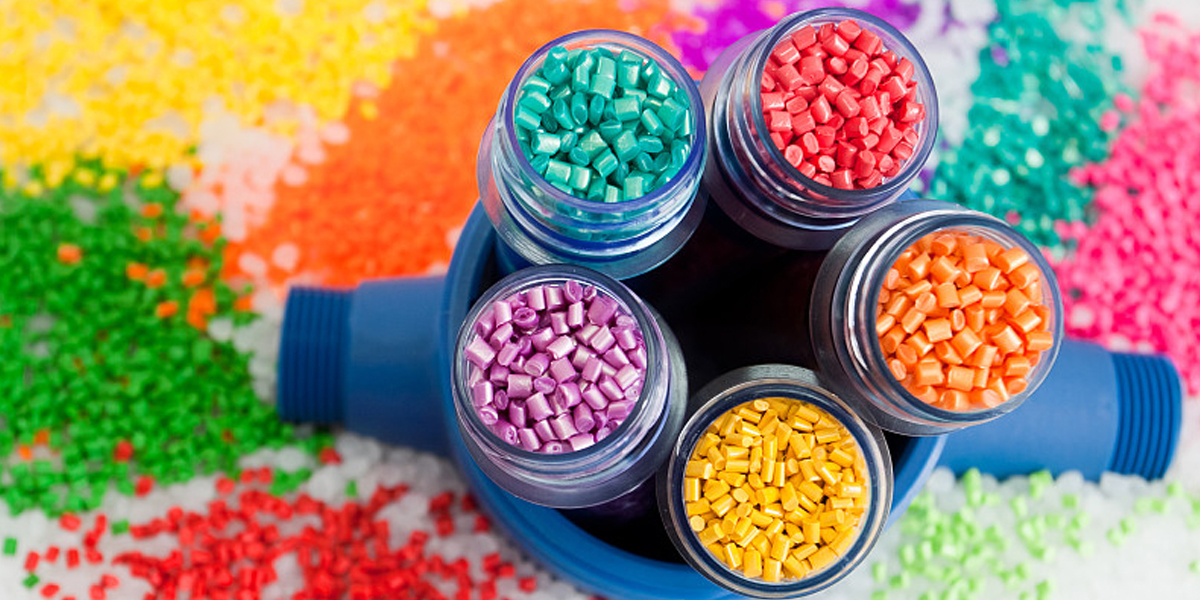
Polymer Materials |
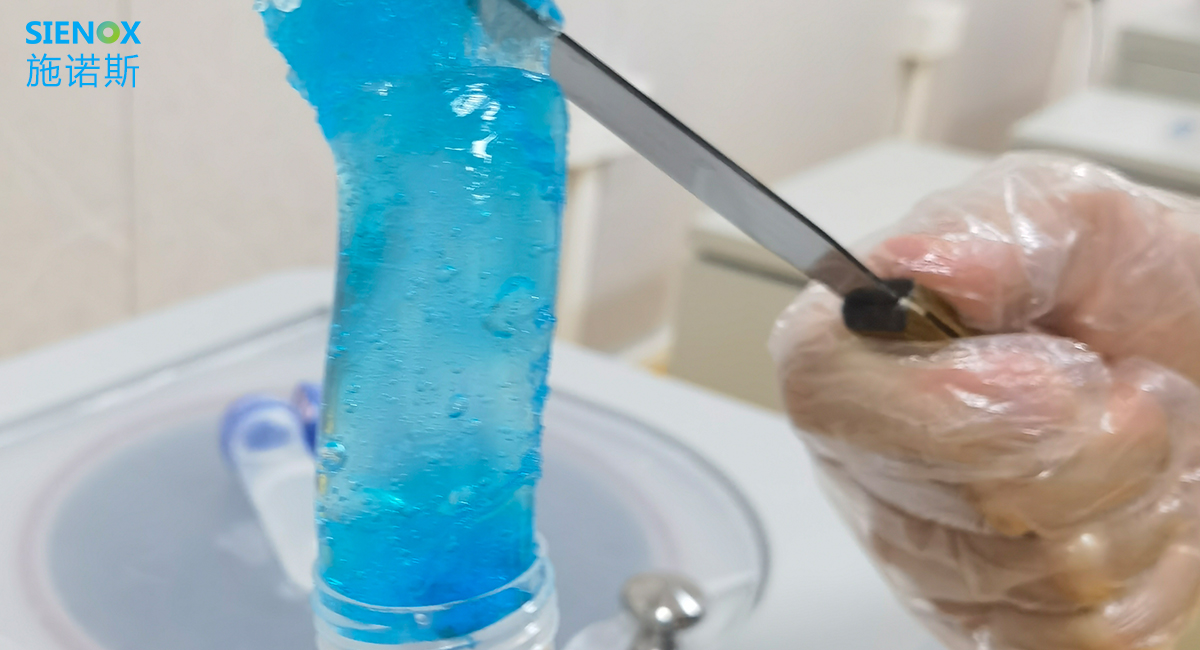
Pharmaceutical Gel |
Silver Paste |
Battery Slurry |
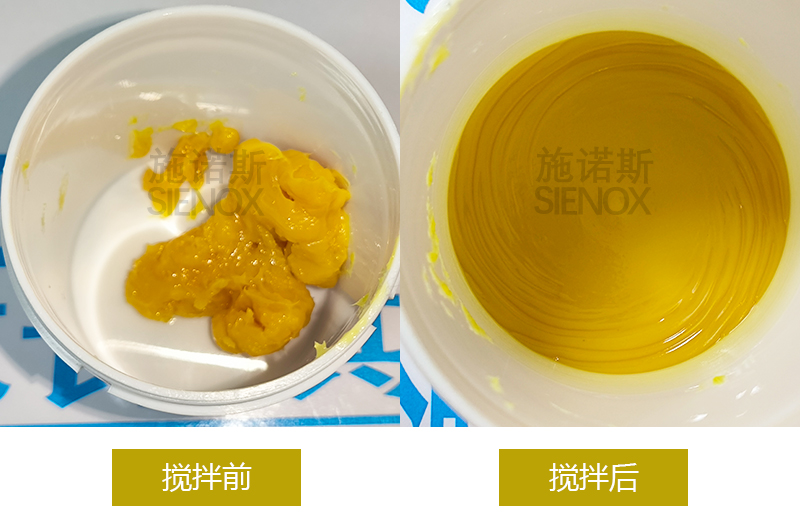
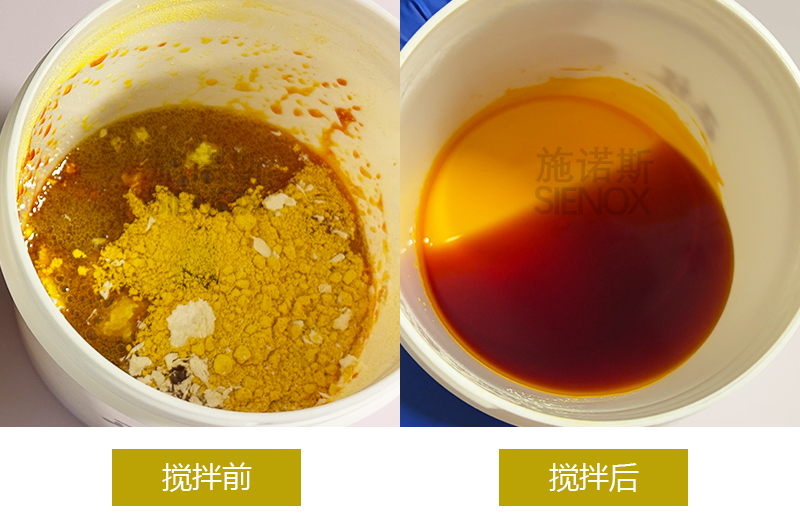
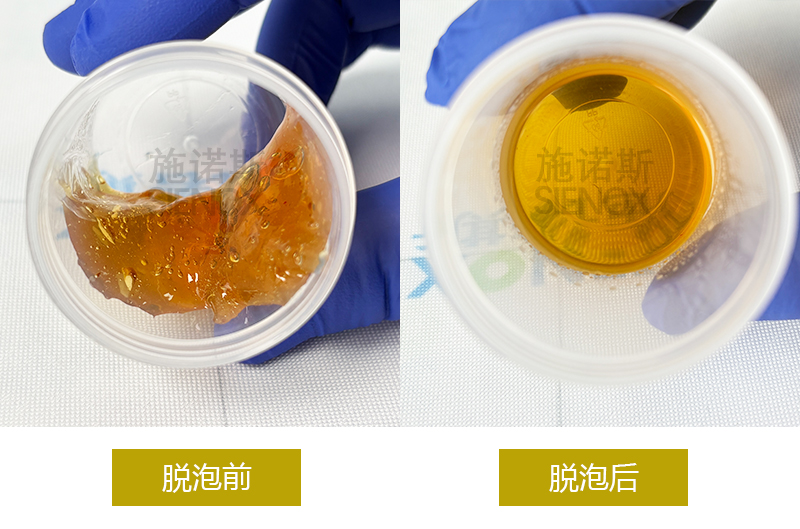
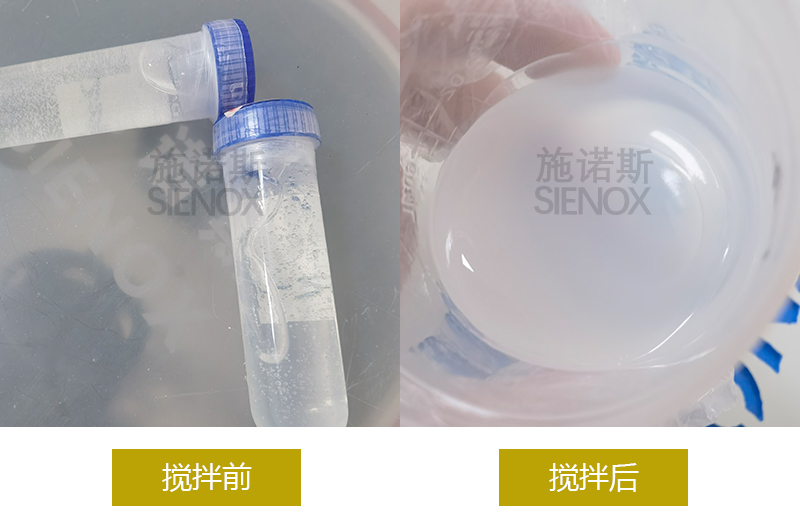
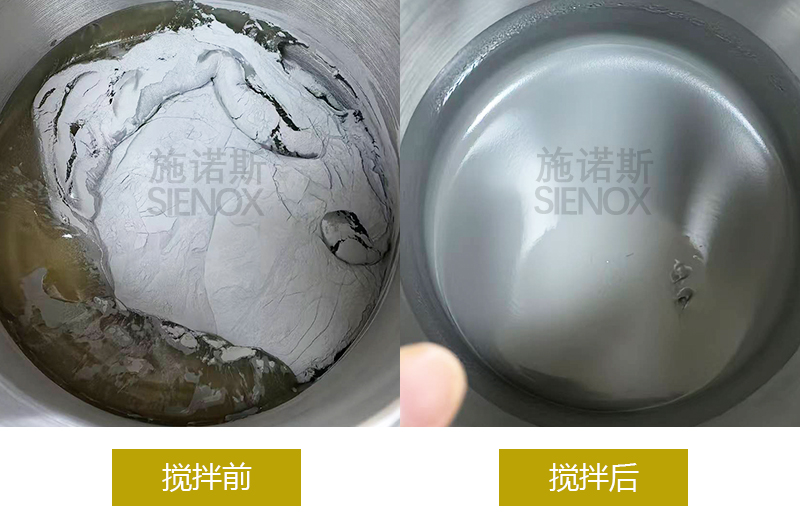
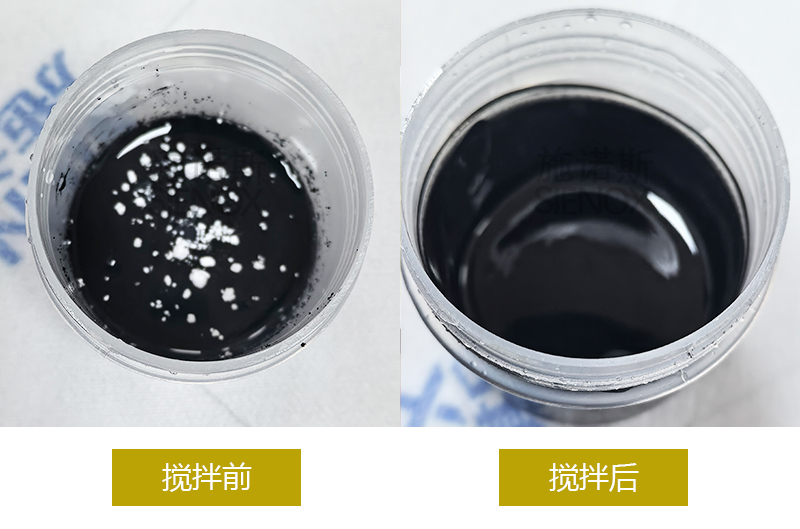
Measured Data Comparison
State Comparison Before and After Three-Roll Milling
| Material Type | State Before Treatment | After Treatment by SIE-SG50 |
| Offset Printing Ink | Visible coarse pigment particles, dull and uneven hue, poor color development and grey printed color | Pigments dispersed to micron level, bright and uniform hue, excellent color development and full printed color |
| Conductive Silver Paste | Obvious agglomeration of silver powder, screen printing breakpoints and pinholes, large sheet resistance fluctuation and low yield | Uniformly dispersed silver powder, continuous screen printing without breakpoints, stable sheet resistance and improved yield |
| Lipstick Paste | Obvious graininess in paste, uneven spreading with gritty feel, poor gloss and poor consumer experience | Fine, smooth and grain-free paste, even spreading, good gloss and upgraded texture |
* Internal laboratory test data. The actual improvement varies with material formulas. Please contact sales for real customer cases.
Customer Delivery & Application Cases
Rooted in manufacturing frontlines, empowering benchmark production lines and key national research institutions across diverse industries.