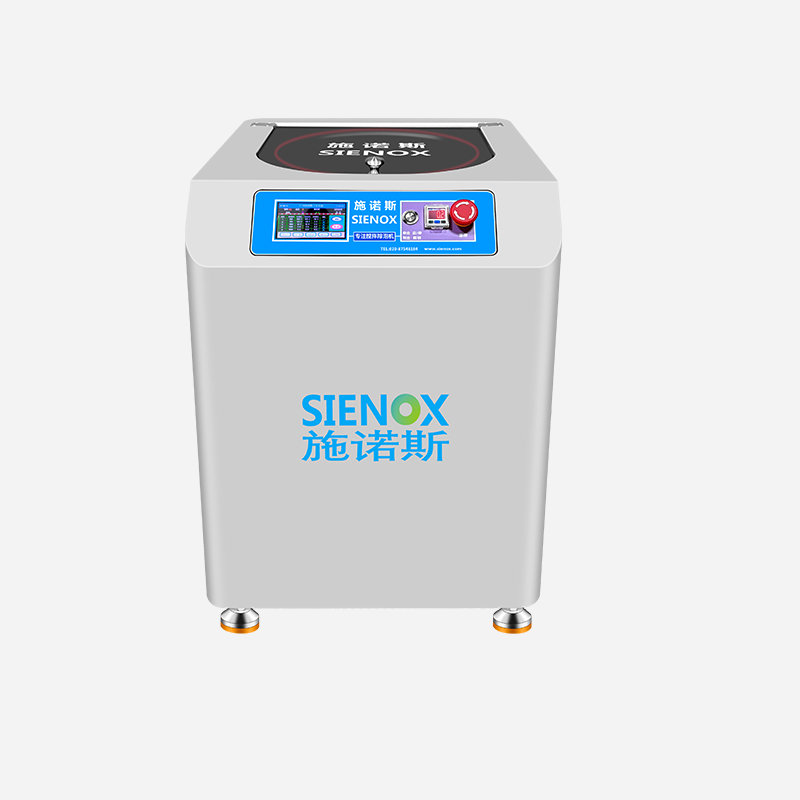


Temperature-Controlled Degasser

TEL:18925129293


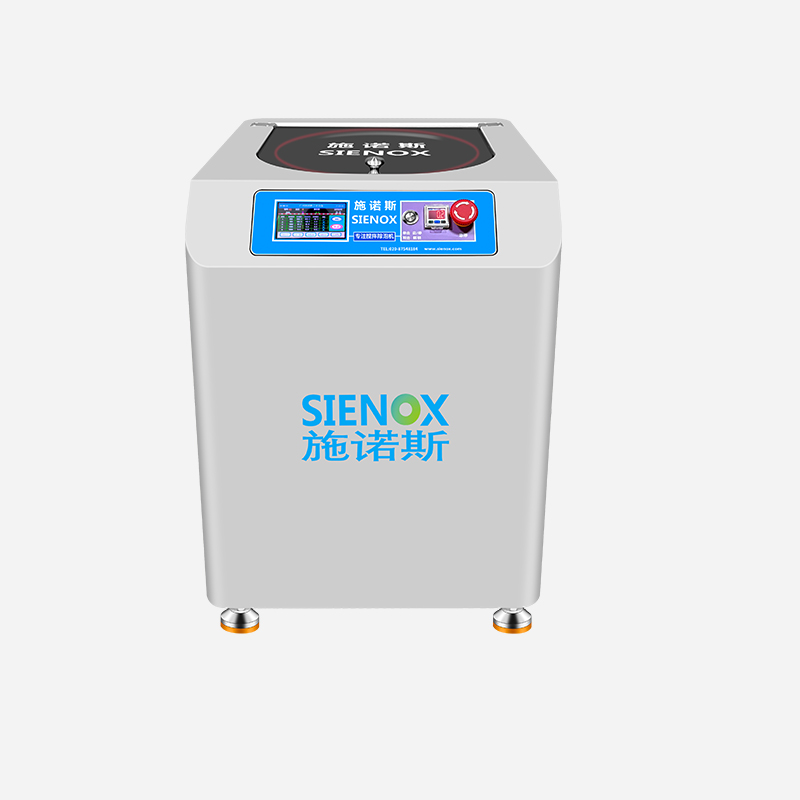
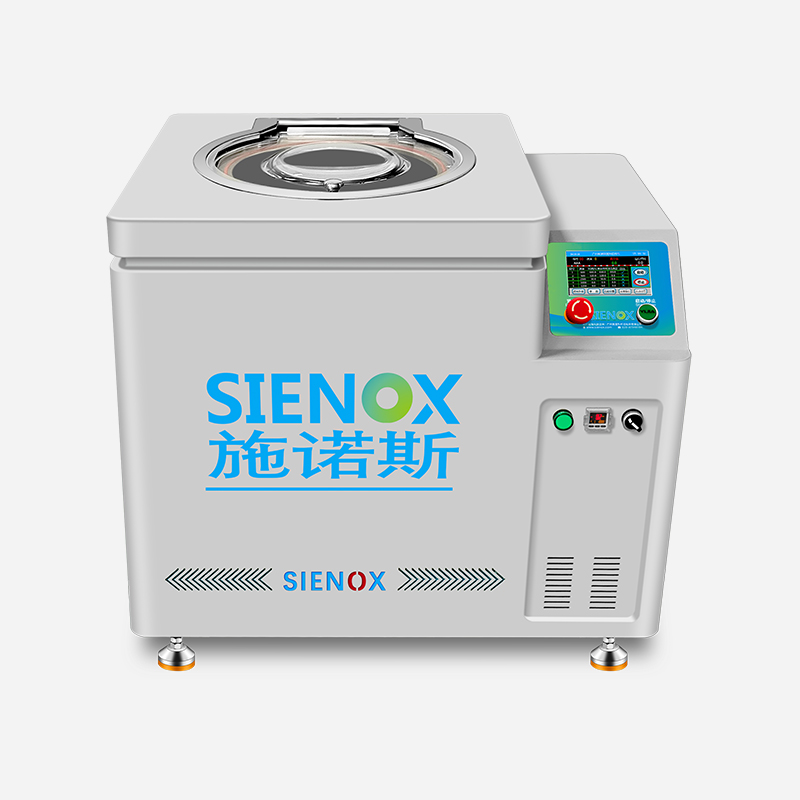
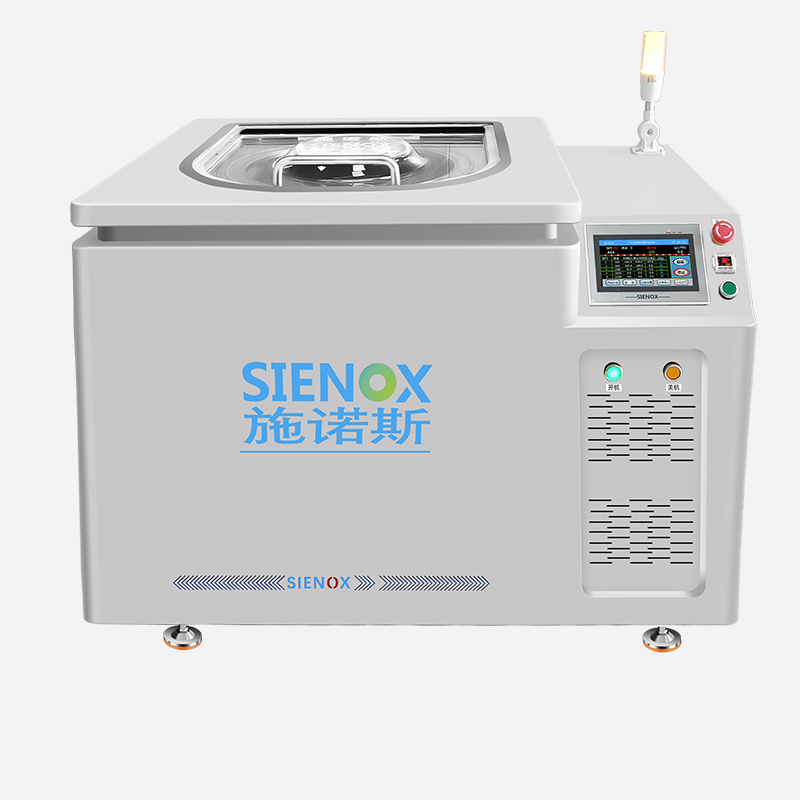
Temperature‑controlled Vacuum Mixer‑Defoamer SIE‑MIX2000WK
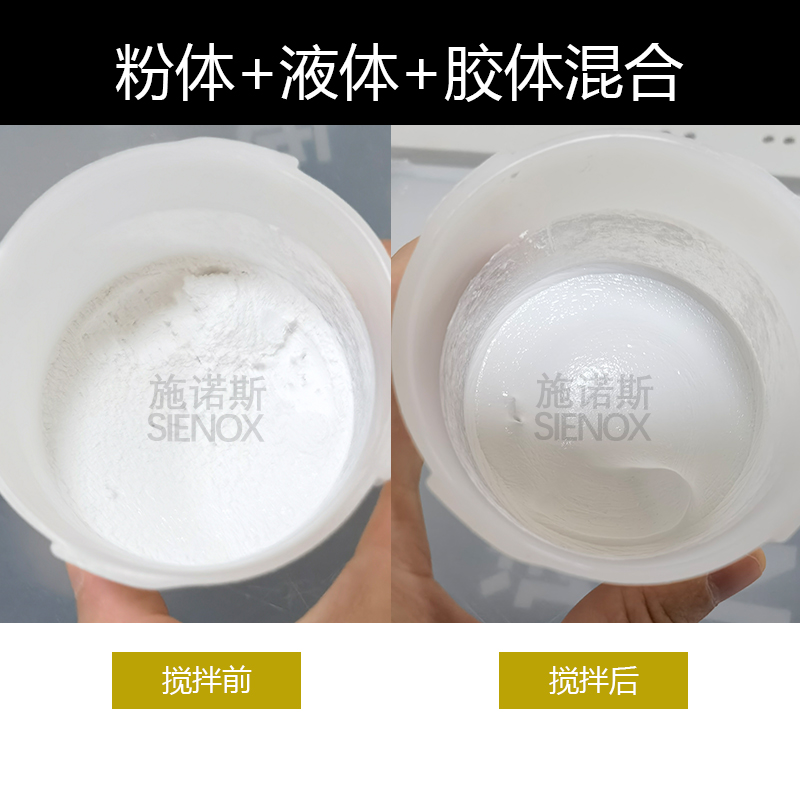
2L Industrial‑grade Temp‑controlled Processing · Deep Vacuum‑pressure Defoaming
Dual 2000 mL cups, heating‑cooling mode, standard ‑98 kPa deep vacuum defoaming
SIENOX SIE‑MIX2000WK is a temperature‑controlled vacuum mixer‑defoamer built for mass production of temperature‑sensitive materials. Equipped with dual 2000 mL cups, selectable planetary speed ratio, it completes mixing, temperature regulation and defoaming in one step via heating‑cooling control and ‑98 kPa vacuum.
✓ CE ✓ FC ✓ ISO9001 ✓ RoHS Compliance ✓ Customizable 110V/220V power supply
Why Must Microbubbles in Materials Be Eliminated?
Residual nano‑microbubbles in materials directly impact product yield and performance stability.
Adhesive & Sealant IndustryBubbles in structural adhesives, sealants and hot‑melt adhesives cause insufficient bonding area, curing void leakage and uneven dispensing, impairing structural safety and sealing performance. High‑viscosity adhesives are hard to defoam at ambient temperature; heating reduces viscosity yet overheating harms curing properties. Temperature‑controlled defoaming balances efficiency and material performance. | Medical Device IndustryBubbles in medical adhesives, catheter encapsulants and medical coating liquids reduce bonding strength, trigger sealing failure and cause uneven coating. Most medical materials are heat‑sensitive. Temperature‑controlled vacuum mixing‑defoaming completes processes under low temperature to secure material safety. | R‑D & AcademiaBubbles in lab‑grade slurries and trial samples undermine test repeatability and data reliability. R‑D requires precise process parameters. Temperature‑controlled mixing‑defoaming eliminates temperature fluctuation interference for stable experimental outcomes. |
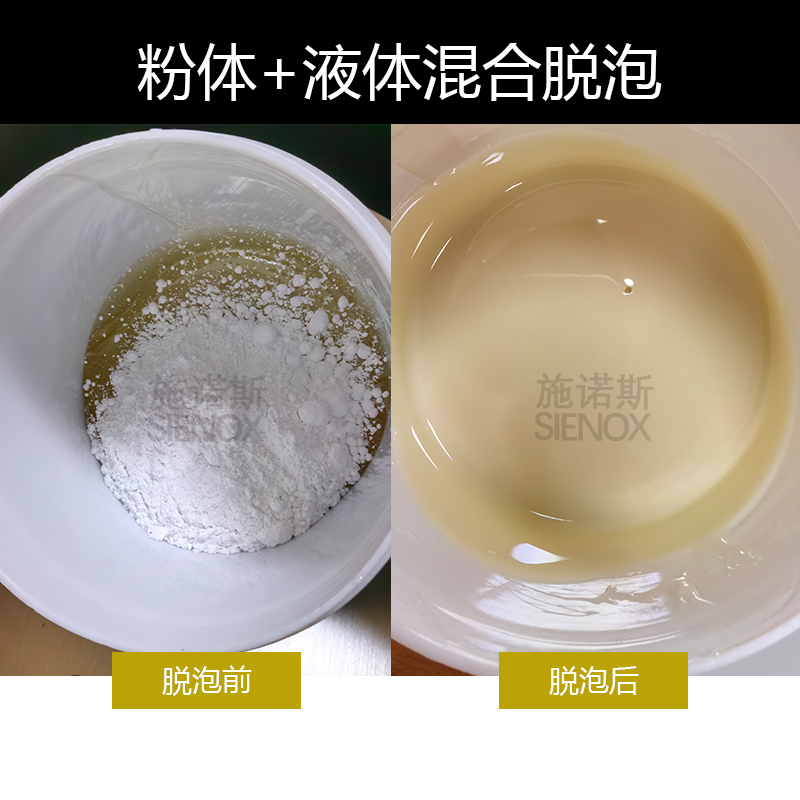
✨ Traditional defoaming limitations: Manual stirring entrains air, static defoaming is time-consuming, and conventional vacuum systems only remove surface bubbles, failing to eliminate internal microbubbles effectively. Ordinary equipment lacks temperature control, and heating easily causes degradation of heat-sensitive materials. The temperature-controlled planetary stirring solution separates bubbles via centrifugal mixing, combined with vacuum negative pressure and precise temperature regulation, to complete mixing, temperature control and defoaming in one step.
Why Choose SIE‑MIX2000WK
Three Core Features Cover Full‑process Vacuum‑Temp Defoaming Requirements
2L Industrial‑Grade Temperature‑controlled ProcessingDual 2000 mL cups, 0‑2000 rpm wide‑range speed, optional fixed/adjustable revolution‑rotation ratio for industrial batch processing. Precise dual‑mode temperature control reduces viscosity to accelerate powder dispersion on heating, suppresses thermal degradation and controls exothermic reactions on cooling. The 225 kg heavy‑duty frame ensures stable long‑time operation. | Deep Defoaming with Vacuum & Temperature ControlStandard ‑98 kPa vacuum system expands deep‑seated microbubbles via pressure difference for effective removal. Vacuum cooperates with temperature control: heating reduces viscosity for easier bubble discharge; vacuum compensates defoaming efficiency under cooling mode to deliver stable performance for large‑volume batches. | Revolution‑Rotation Ratio & Dual‑Mode Thermal Control AdaptationOptional fixed/adjustable planetary ratio: fixed ratio guarantees batch consistency; adjustable ratio supports R&D trials. Combined with dual‑mode temperature control, it handles materials from high‑viscosity industrial adhesives to low‑viscosity coating liquids. 100‑recipe storage enables quick material switching; programmed operation reduces manual errors. |
✨ MIX2000WK for mass‑production temp‑controlled vacuum defoaming of adhesives, medical‑materials & industrial slurries.
Working Principle
Synchronized revolution‑rotation dual power, paired with deep‑vacuum defoaming & precise temperature control for one‑step mixing, thermal regulation and defoaming.
Step 1: Centrifugal Force from Revolution High-speed rotation of the rotary plate generates centrifugal force to drive full convection of materials for macro mixing. The large-capacity tank cooperates with revolution to ensure uniform mass mixing, while pushing bubbles toward the axis for escape. The temperature control system runs simultaneously to keep materials within target temperature range. Step 2: Shear Force from Rotation Container rotation produces shear force to break agglomerated particles for micro dispersion. Revolution-rotation speed ratio is optional (fixed/adjustable). Fixed ratio guarantees consistency while adjustable ratio adapts to different materials. Shear force thins bubble membranes to accelerate rupture. No stirring paddle contacts materials to reduce contamination risk. Step 3: Deep Defoaming under Vacuum Negative Pressure The vacuum system activates to form negative pressure, lowering pressure difference inside and outside bubbles so deep microbubbles expand and escape. -98kPa vacuum level adapts to materials of various viscosities and maintains stable defoaming performance under large-volume processing conditions. Step 4: Precise Temperature Control for Material State The temperature control system works throughout the whole process, with normal-to-heating or normal-to-cooling modes available. Heating reduces viscosity to improve fluidity and speed up bubble removal; cooling suppresses thermal degradation and controls exothermic reactions. Temperature control runs synchronously with stirring and defoaming, no separate temperature adjustment procedure required. Inside the sealed container, materials go through the full workflow of "Mixing → Dispersion → Vacuum Defoaming → Temperature Adjustment", completing temperature-controlled vacuum stirring and defoaming in one step. | 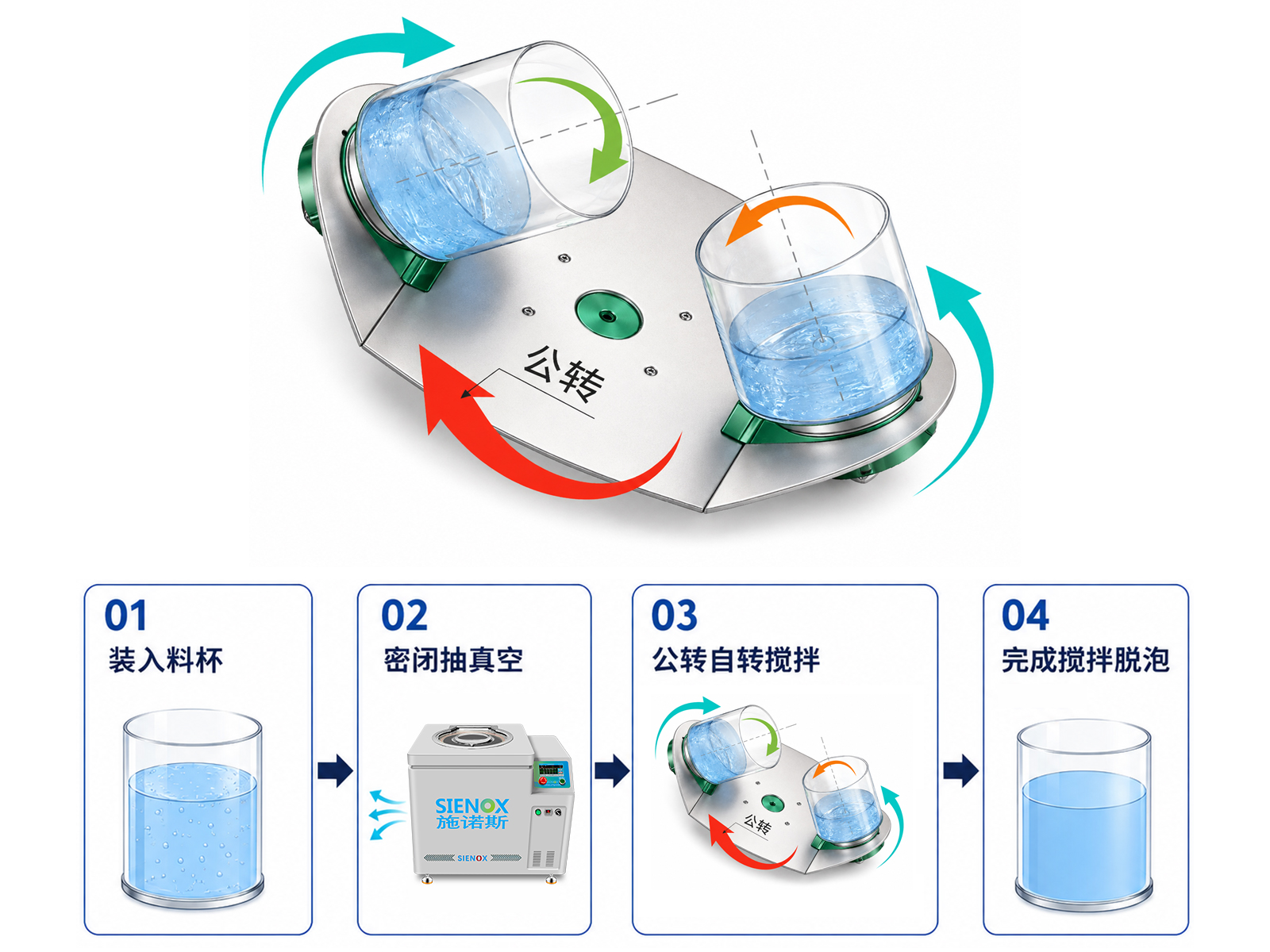 |
Technical Specifications
Complete Technical Specifications Overview, Customizable on Demand
| Model | SIE‑MIX2000WK |
| Mixing Volume | 0‑2000 mL (standard vessel) * Customizable |
| Vessel Type | Tubes / Jars / Cups; adapters for syringes & cartridges available |
| Vessel Quantity | 1 or 2 jars (user selectable) |
| Max Speed | 100‑2000 RPM (stepless adjustable) |
| Temperature Module | Heating / Cooling |
| Vacuum Level | Standard: ‑98 kPa / Optional: ‑100 kPa |
| Control System | Touch screen, stores 100 recipe sets |
| Power Supply | 220V, 50/60Hz (110V US/JP version customizable) |
| Dimensions(W×D×H) | 1100 × 780 × 880 mm |
| Net Weight | 225kg |
| Certifications | CE, ISO9001, RoHS Compliance |
Our Partners
Trusted by leading industrial manufacturing clusters and advanced university laboratories worldwide
FAQ - Frequently Asked Questions
Answers to common questions about product performance and everyday process selection
-
What is the working principle of a centrifugal defoaming machine?
Principle of centrifugal defoaming machine: The bubbles are released by the downward principle of gravity.
-
How is the after-sales service?
The company has professional after-sales service personnel, 24-hour dedicated service, and one-on-one technical support to solve your worries.
-
Why choose SIENOX?
There are many reasons for choosing SIENOX, and the following are some of the main reasons:
1. Professionalism: Our team consists of a group of professional individuals with rich experience and knowledge in their respective fields. We not only understand industry trends and best practices, but also provide practical and feasible solutions.
2. Service quality: We focus on customer needs and satisfaction, and are always committed to providing high-quality services. We not only respond quickly to customer needs, but also provide customized services according to their requirements.
3. Reliability: We adhere to the principles of integrity and professionalism, always adhering to commitments and agreements. Our work methods and deliverables comply with industry standards and best practices, enabling our clients to trust us.
4. Innovation: We continuously explore new methods and tools to provide better services and meet customer needs. We encourage innovation and experimentation, and are willing to accept challenges and change.
5. Cost effectiveness: We provide cost-effective services that not only help customers save costs, but also improve efficiency and productivity. We always prioritize the interests of our customers and provide them with the best solutions.
6. Teamwork: We believe in the power and value of teamwork, and our team members support, collaborate, and respect each other. We establish close cooperative relationships with customers, partners, and other stakeholders to achieve common goals.
The above are just some of the reasons for choosing us. We believe there are many other advantages and values that can be provided to customers. If you are looking for a professional, reliable, and high-quality service provider, we look forward to working with you.
-
How does the stirring and defoaming machine work?
The SIENOX stirring and defoaming machine performs defoaming through centrifugal force at revolution and stirring through shear force formed by revolution and rotation,
Assisted by a vacuum pump to extract gas and achieve a vacuum state, removing nanoscale tiny bubbles. No contact with materials, no secondary pollution, and no secondary waste.
-
What is the function of a defoaming machine?
A defoaming machine is a device used to remove bubbles from liquids. Its function is to assist in the liquid mixing, reaction, coating, printing, infusion and other process steps in the production process, avoiding the generation of bubbles and their impact on the final product. In many industrial and laboratory environments, removing bubbles is essential as they may have a negative impact on product quality, such as affecting surface tension and stability. Defoaming machines typically use various techniques such as vibration, ultrasound, centrifugation, etc. to achieve effective bubble removal. It has a wide range of applications, including but not limited to semiconductors, solar energy, optics, biotechnology, materials science, etc.
Technical Specification List
Full‑line standardized specifications for accurate process evaluation and equipment selection
| Model | SIE‑MIX2000WK | SIE‑MIX5000WK | SIE‑MIX15LWK |
| Mixing Volume | 0‑2000 mL (standard vessel) *Customizable | 0‑5000 mL (standard vessel) *Customizable | 0‑15L (standard vessel) *Customizable |
| Vessel Type | Tubes/Jars/Cups; adapters for syringes & cartridges | Tubes/Jars/Cups; adapters for syringes & cartridges | Tubes/Jars/Cups; adapters for syringes & cartridges |
| Vessel Quantity | 1 or 2 jars (optional) | 1 or 2 jars (optional) | 1 or 2 jars (optional) |
| Max Speed | 0‑2000 RPM (stepless) | 0‑1200 RPM (stepless) | 100‑600 RPM (stepless) |
| Temperature Module | Heating / Cooling | Heating / Cooling | Heating / Cooling |
| Vacuum Level | Standard:‑98 kPa / Optional:‑100 kPa | Standard:‑98 kPa / Optional:‑100 kPa | Standard:‑98 kPa / Optional:‑100 kPa |
| Control System | Touch screen, stores 100 recipe sets | Touch screen, stores 100 recipe sets | Touch screen, stores 100 recipe sets |
| Power Supply | 220V,50/60Hz(110V customizable) | 220V,50/60Hz(110V customizable) | 220V,50/60Hz(110V customizable) |
| Dimensions(W×D×H) | 1100 × 780 × 880 mm | 1370 ×1130 × 965 mm | 1735 × 1560 × 965 mm |
| Net Weight | 225 kg | 550 kg | 830 kg |
***Above are typical models, customized solutions available upon request.
Multi‑Industry Solutions
Provide customized solutions to meet comprehensive demands from cutting‑edge R&D to large‑scale mass production
Chemical IndustryChemical slurries, resin intermediates, catalyst slurries, reactive adhesives, functional coating liquids |
Adhesive / Sealant IndustryStructural adhesives, industrial sealants, hot‑melt adhesives, epoxy adhesives, polyurethane adhesives |
Ink & Coating IndustryIndustrial coatings, conductive inks, color pastes, anti‑corrosion coatings, UV‑curable coatings |
Electronics IndustryElectronic encapsulants, conductive silver paste, insulating adhesives, LED phosphors, semiconductor packaging materials |
Battery IndustryLi‑ion cathode‑anode slurries, conductive agents, electrolyte auxiliary materials, fuel‑cell catalyst slurries |
3D‑Printing IndustryPhotosensitive resins, functional inks, ceramic slurries, composite prepregs |
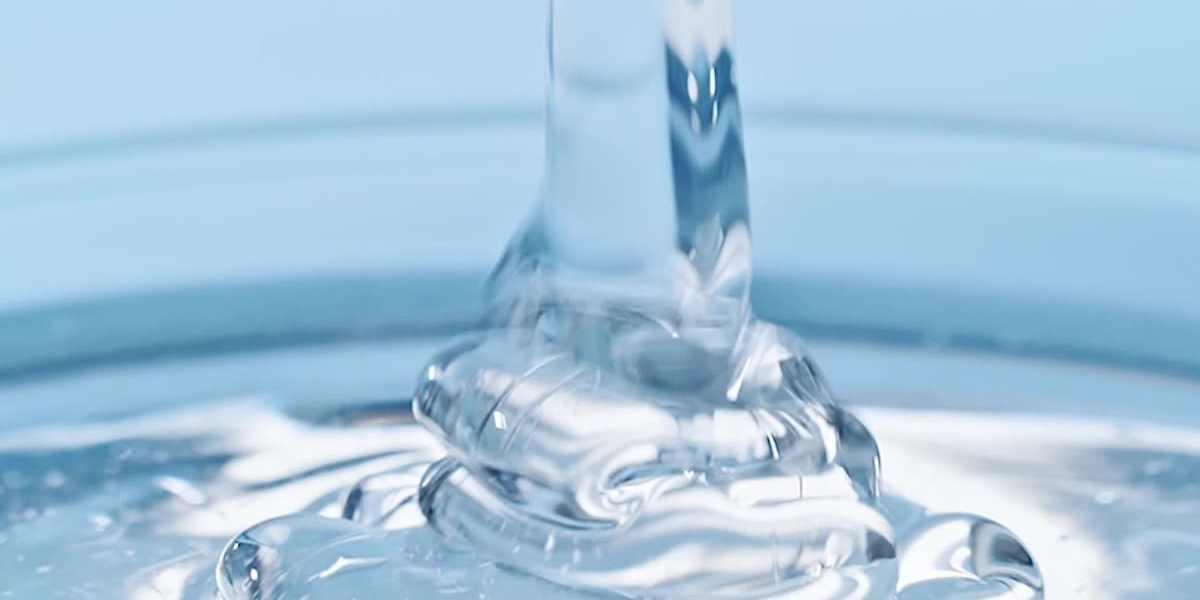
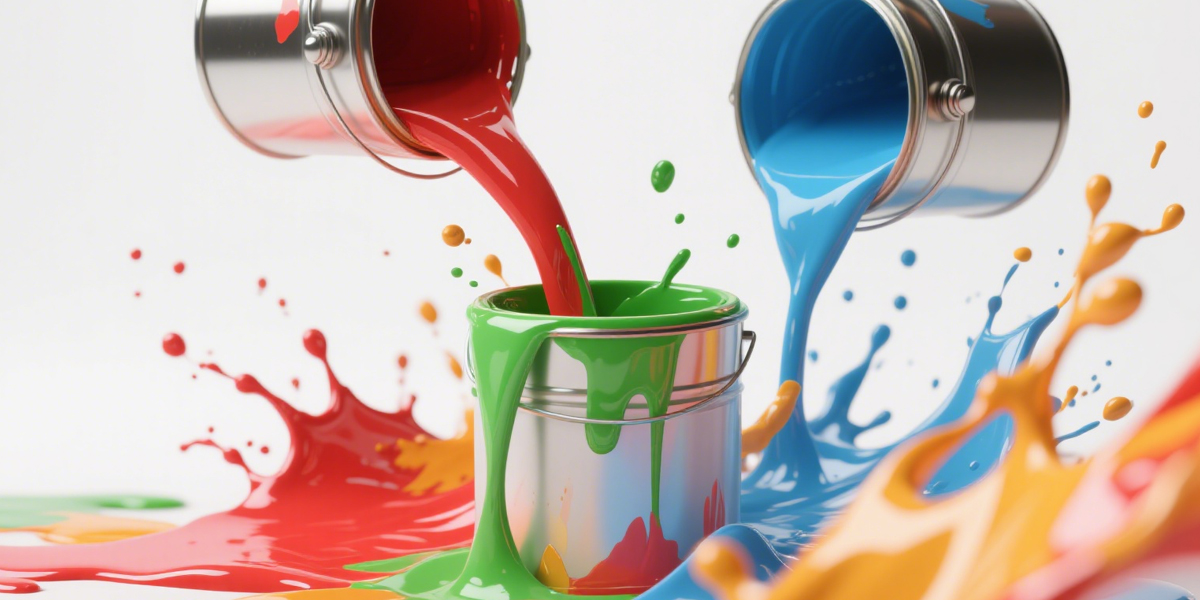
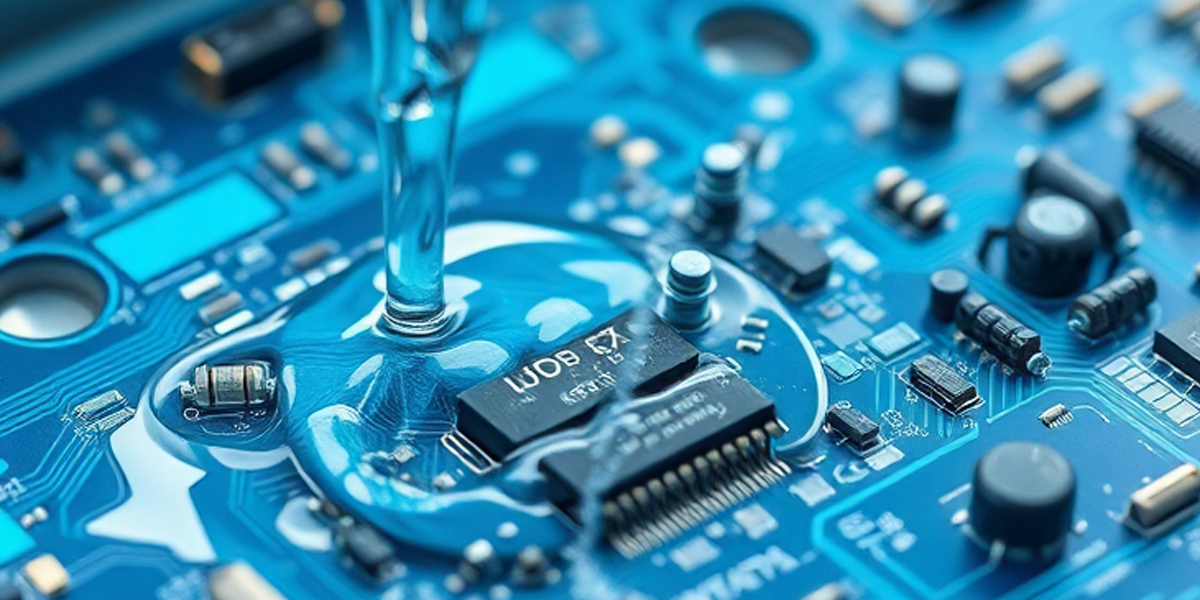
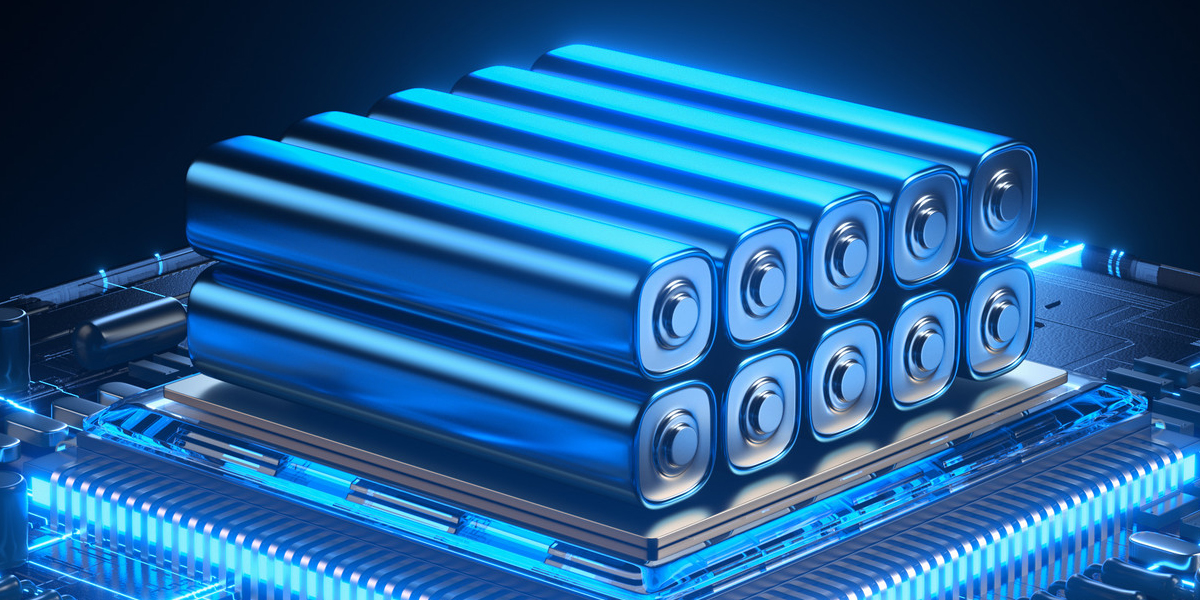
Comprehensive Equipment Operation Demo Videos
Gain intuitive, clear, dynamic insight into synchronous defoaming with planetary centrifugal force and high negative pressure.
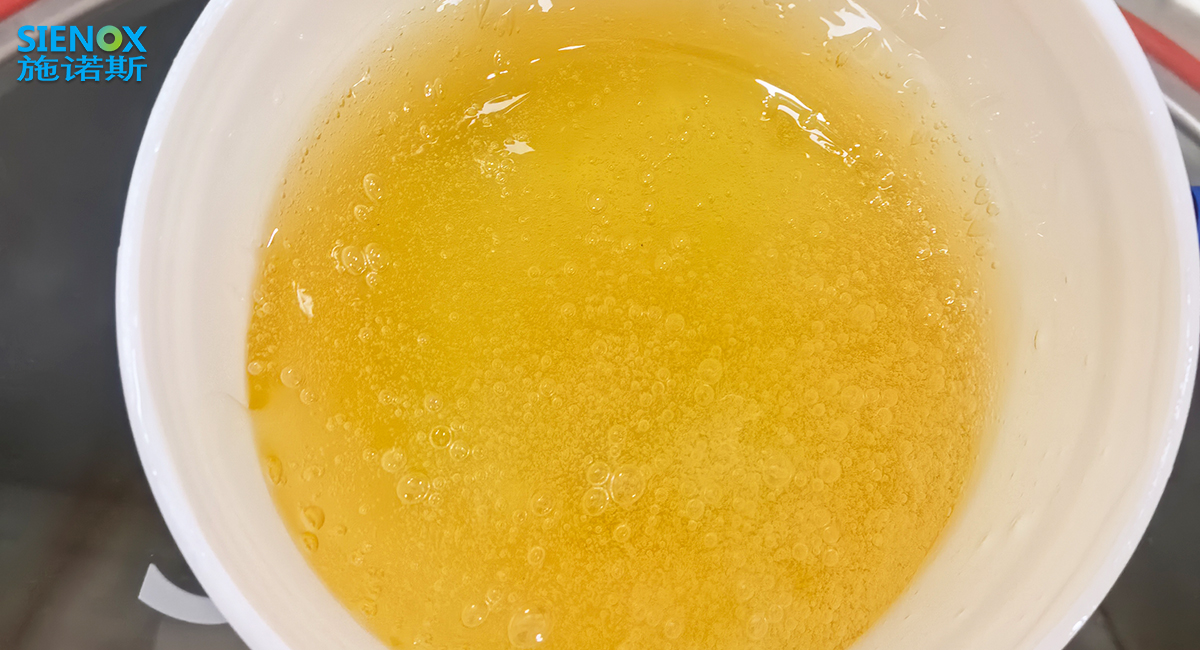
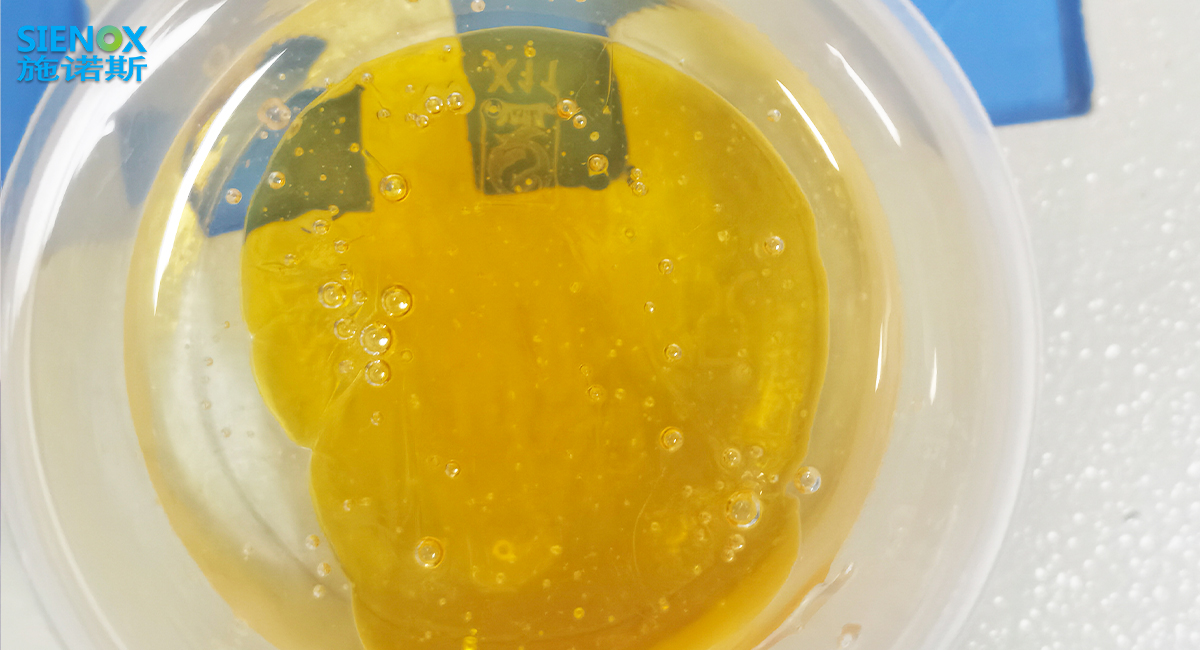
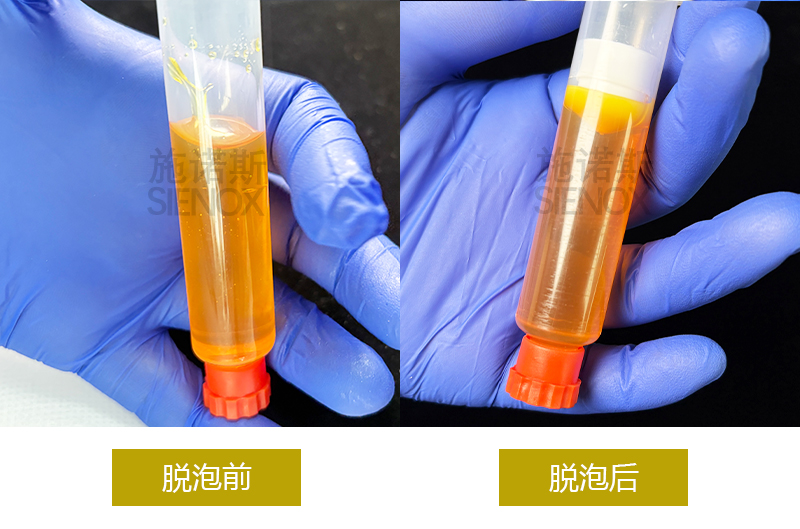
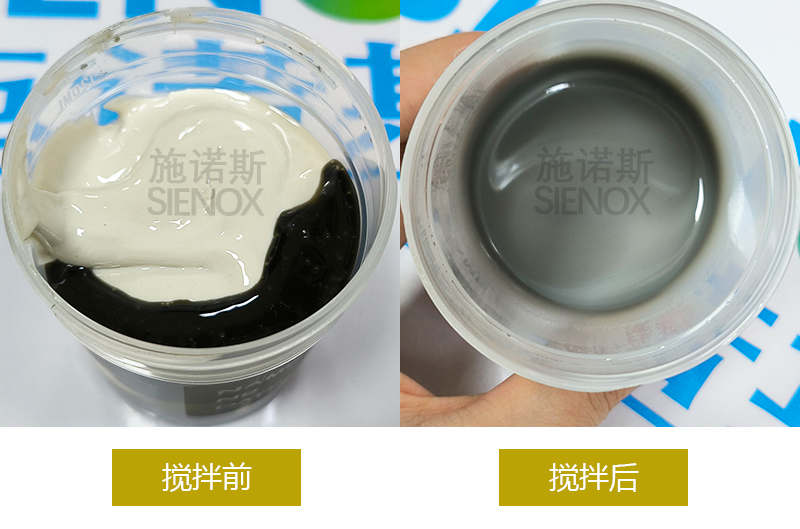
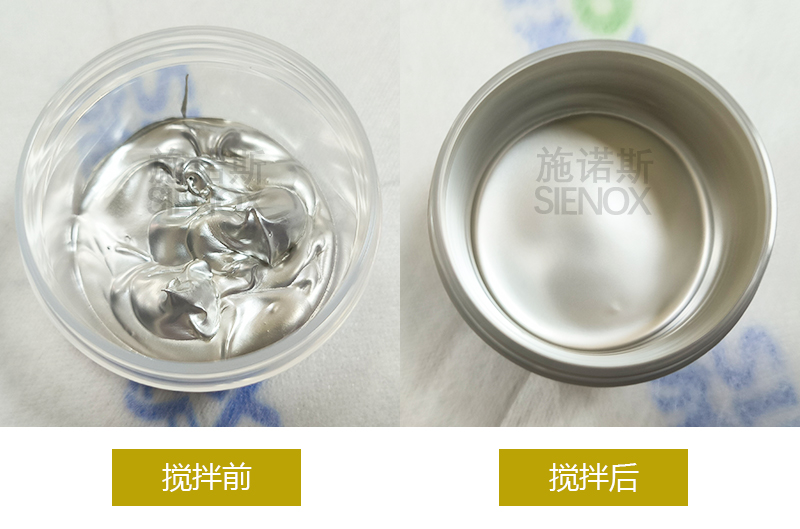
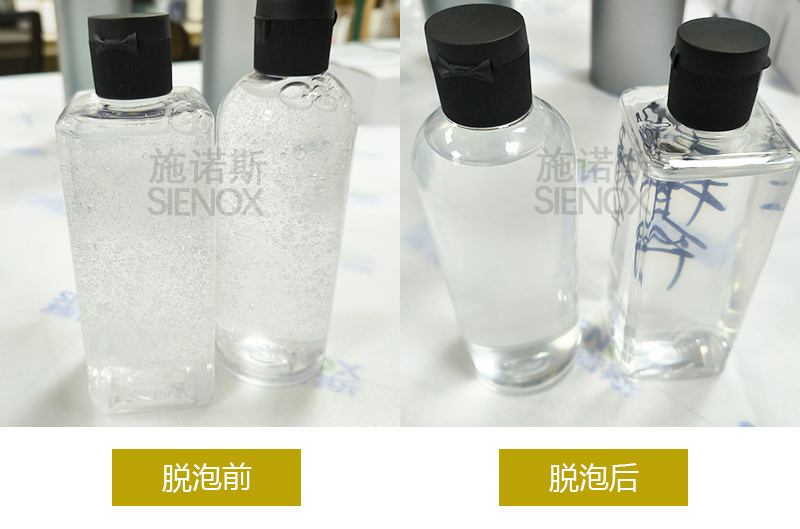
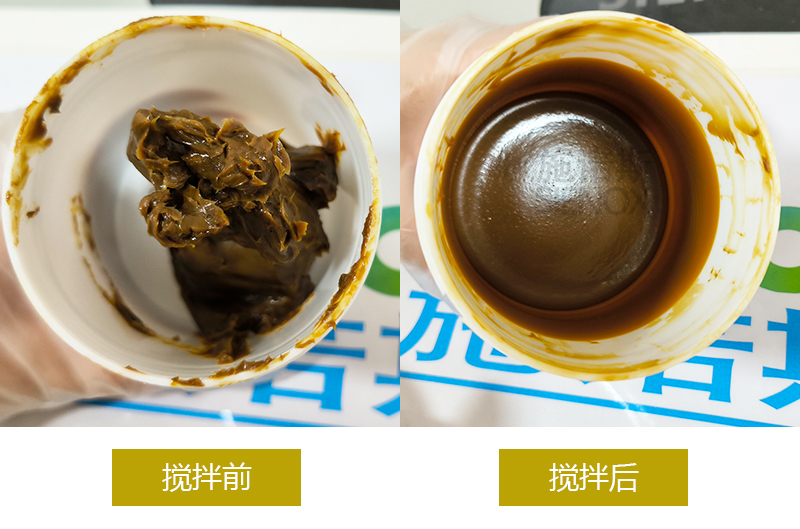
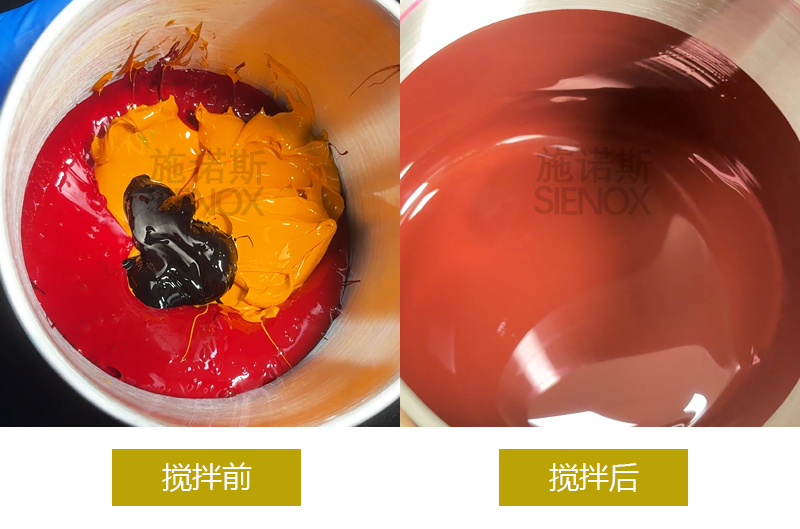
Measured Defoaming‑Process Performance
Thoroughly eliminate material bubbles, voids and stratification
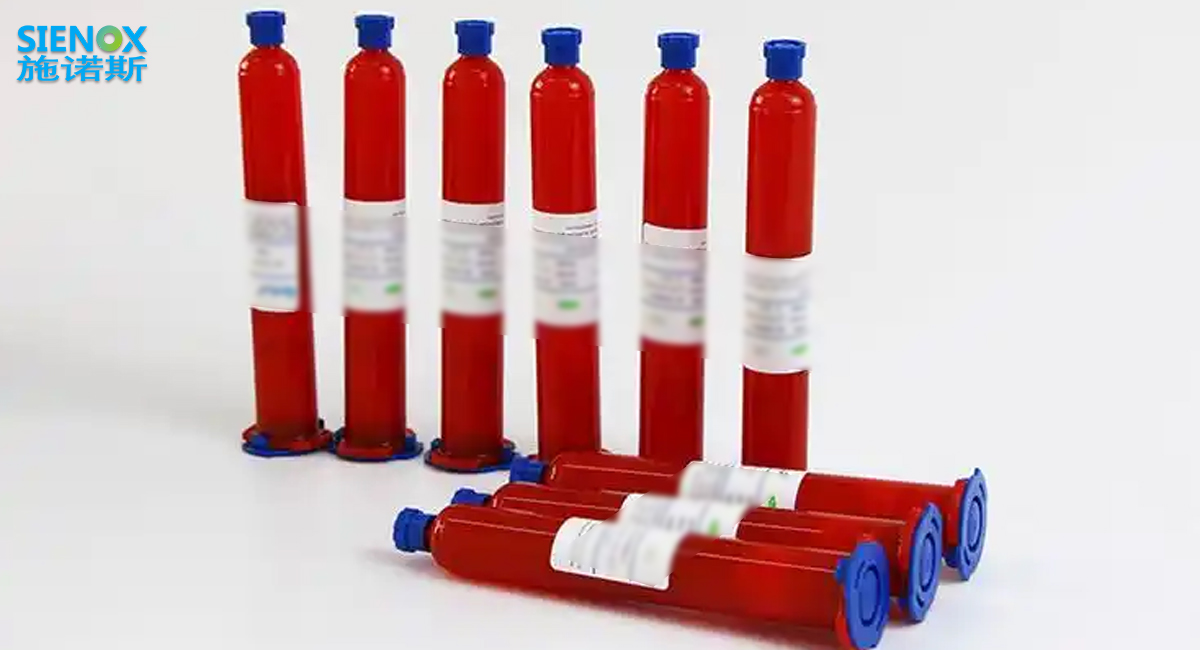
Syringe Adhesive |
Structural Adhesive |
Silver Paste |
Cosmetic Essence |
Lubricant |
Ink |
Actual‑test Effect Comparison
Material Defoaming Effect Comparison Before & After
| Material Type | Pre‑processing Status | After MIX2000WK Treatment |
| Industrial Structural Adhesive | Dense internal bubbles, ±20% bonding strength deviation, large batch fluctuation | Bubbles eliminated, ±5% bonding strength deviation, improved batch consistency |
| Epoxy Sealant | Abundant bubbles, ~9% sealing failure rate, high leakage risk | Bubbles eliminated, lower sealing failure and leakage risk |
| Catalyst Slurry | Numerous bubbles, ~10% powder agglomeration, fluctuating catalytic activity | Bubbles eliminated, reduced agglomeration, stable catalytic activity |
* Internal lab test data. Actual improvement varies by material formula. Contact sales for real‑world customer cases.
Customer Delivery & Application Cases
Rooted in manufacturing frontlines, empowering benchmark production lines and key national research institutions across diverse industries.