


News

TEL:18925129293


Enzyme-based biological slurry mixing and defoaming | Low-shear design to preserve biological activity
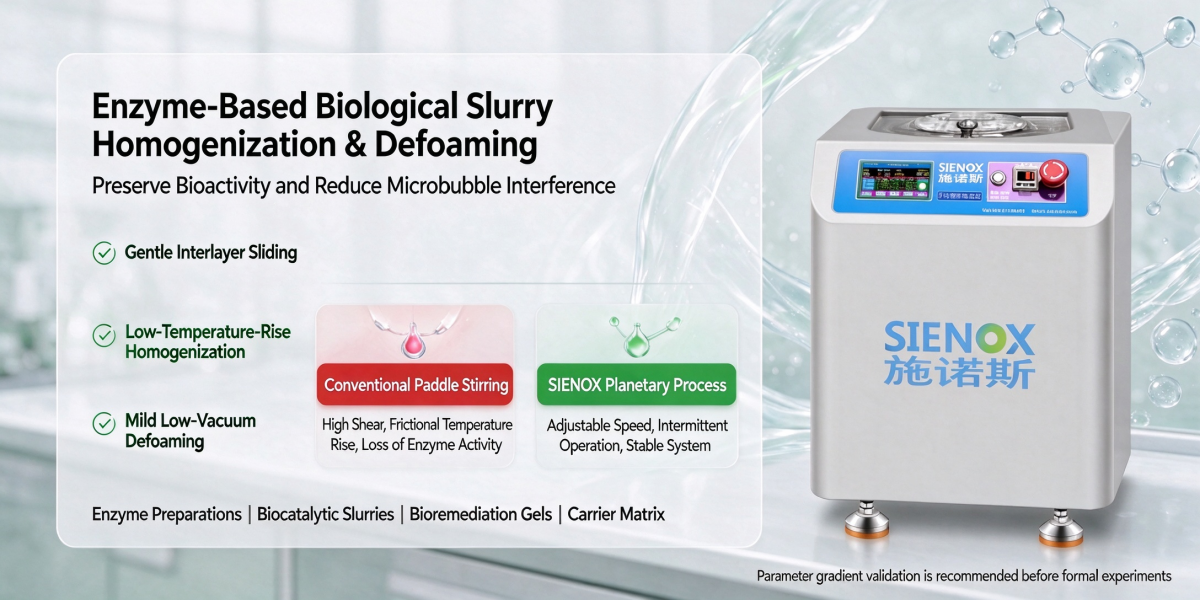
date:2026-11-19author:小施Enzyme preparations, biocatalytic slurries, bioremediation gels and similar systems contain active biological components. High-temperature shock and intense shear force can easily trigger protein denaturation and loss of enzyme activity. Tiny air bubbles trapped inside the slurry can damage the structure of molded carriers, disturb solid-liquid contact interfaces and reduce catalytic efficiency. Such biomaterials are highly sensitive to pretreatment conditions. Conventional paddle stirring delivers strong shear impact and generates obvious frictional temperature rise, which frequently deactivates biological activity.
SIENOX planetary mixing and defoaming machine features flexible and controllable process performance to protect bioactive components while completing homogenization and defoaming.
The machine achieves homogenization of carrier matrix, enzyme powder and buffer additives through interlayer sliding, stretching and kneading of materials, which is different from the impact-type intense shear of stirring paddles. Shear intensity can be adjusted via rotation speed and revolution-rotation ratio to lower the risk of breakage and denaturation of biomacromolecules while meeting homogenization requirements. Intermittent operation is adopted to reduce heat accumulation from continuous friction. Combined with low-speed settings, it keeps temperature rise within the tolerance range of biological components to minimize thermal deactivation. Gentle low-vacuum defoaming is applied to avoid concentration drift and pH fluctuation caused by rapid solvent evaporation and escape of dissolved gas in buffer systems under high vacuum, stabilizing the biological slurry system. The sealed chamber reduces the risk of external dust and miscellaneous bacteria contamination. Note: Sealing does not equal sterility; final sterilization relies on accessory sterilization, cleanroom operation and other supporting controls.
Bioactive material experiments demand strict parallel repeatability, and enzyme activity tests are highly sensitive to errors introduced during pretreatment. Small-volume mixing cups are available for preparing parallel control samples. Process recipes can be saved and recalled with one click to ensure consistent shear, vacuum and timing parameters across multiple sample batches. After sample preparation, enzyme activity and dispersion uniformity can be tested to evaluate the bioactivity retention performance of the whole pretreatment process. Material-contacting parts are washable and autoclavable, complying with standard control requirements for biological laboratories.
Preserving biological activity is the core principle for R&D of biocatalytic and biomedical slurries. Most conventional homogenization and defoaming solutions rely on strong shear and high vacuum, which easily cause temperature rise, solvent evaporation and protein denaturation. With flexible and controllable processes, the SIENOX planetary mixing and defoaming machine balances homogenization, microbubble removal and bioactivity protection. It provides a mild and stable slurry pretreatment solution for laboratory development of enzyme-based slurries, biological gels and biological carrier materials.
*Tolerance windows vary greatly among different enzyme and protein systems. Parameter gradient validation is recommended before formal tests to confirm the process impact on enzyme activity.
Related recommendations
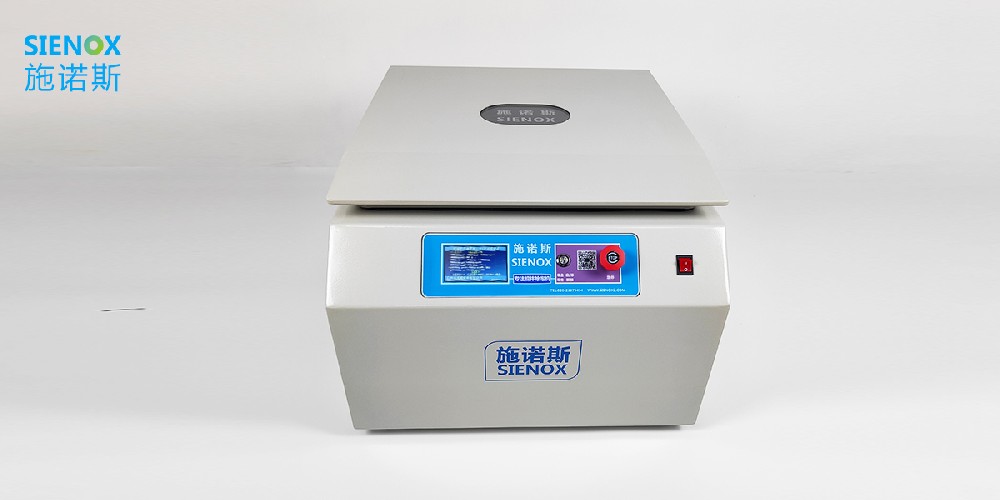
Centrifugal defoaming machine: An efficient tool for both laboratory and factory.

The extensive application fields of planetary defoaming machines.
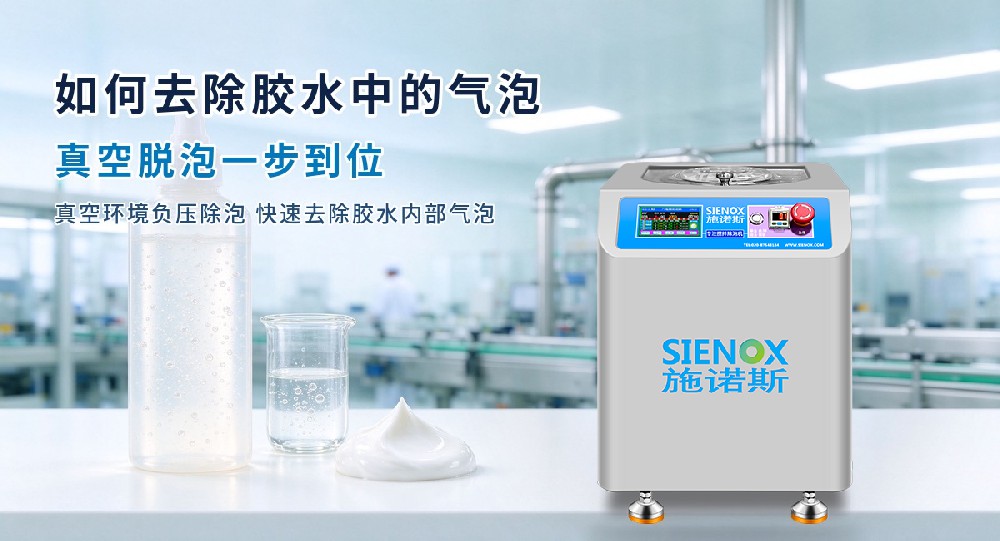
How to remove bubbles from glue

The application of vacuum stirring defoaming machine in the defoaming process of silver paste materials.
Perhaps you still need....
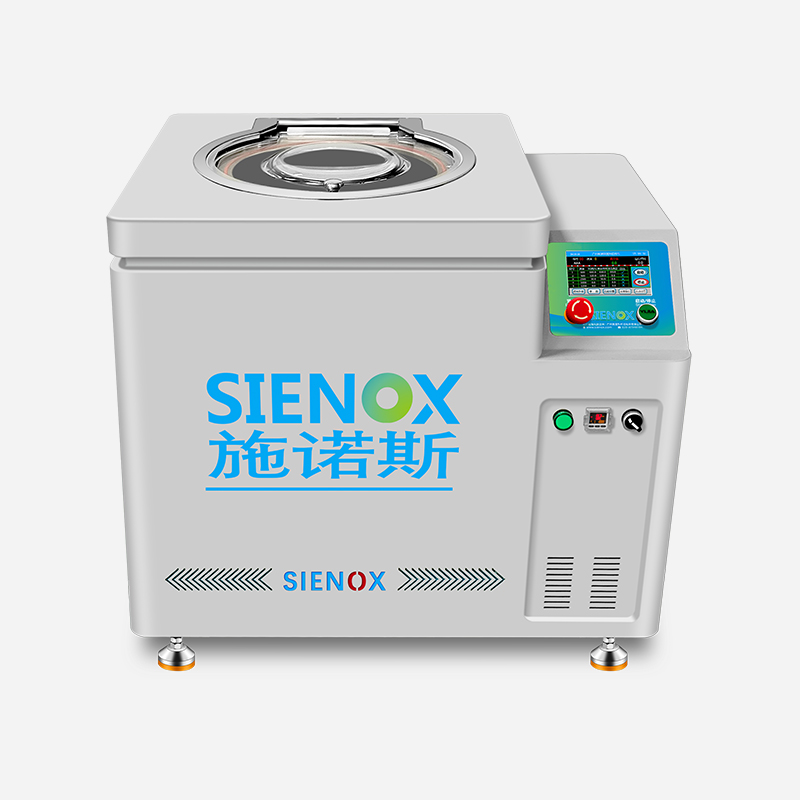
行星式真空脱泡搅拌机 SIE-MIX1000plus
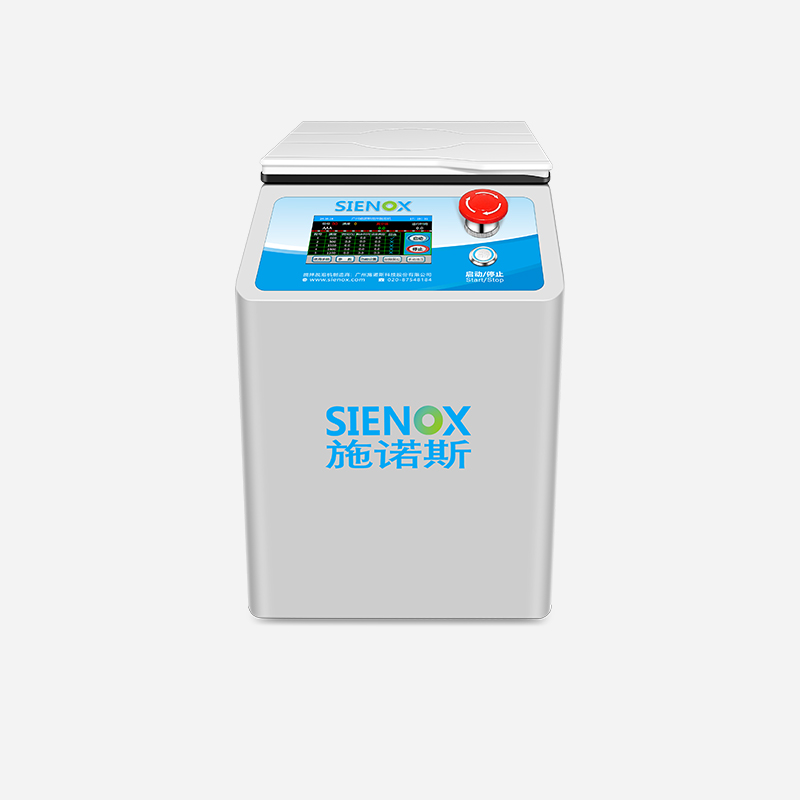
实验室行星式搅拌脱泡机 SIE-SV200
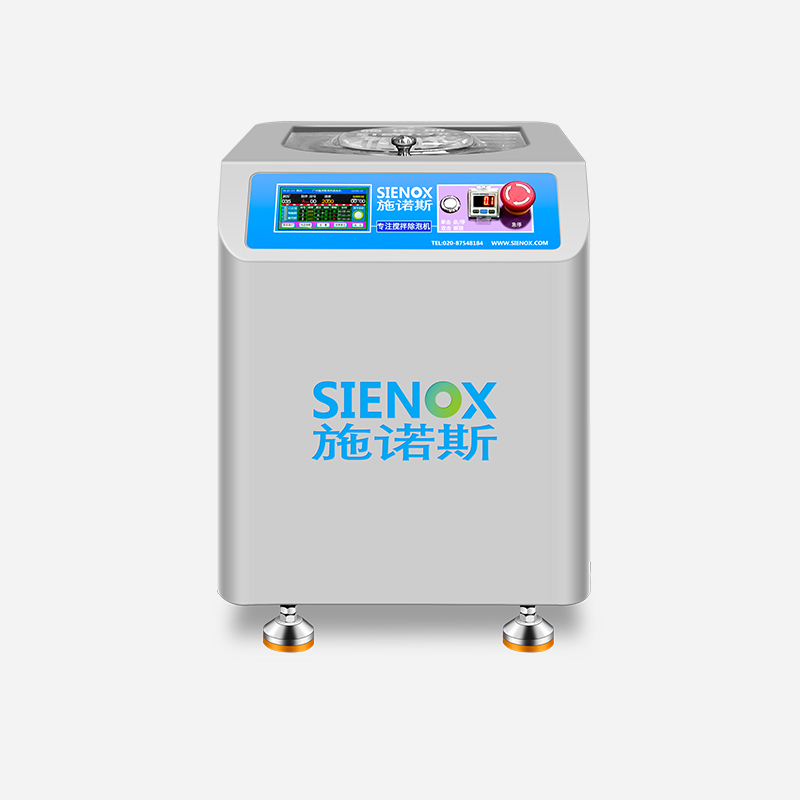
SIENOX行星式脱泡搅拌机 SIE-CV300
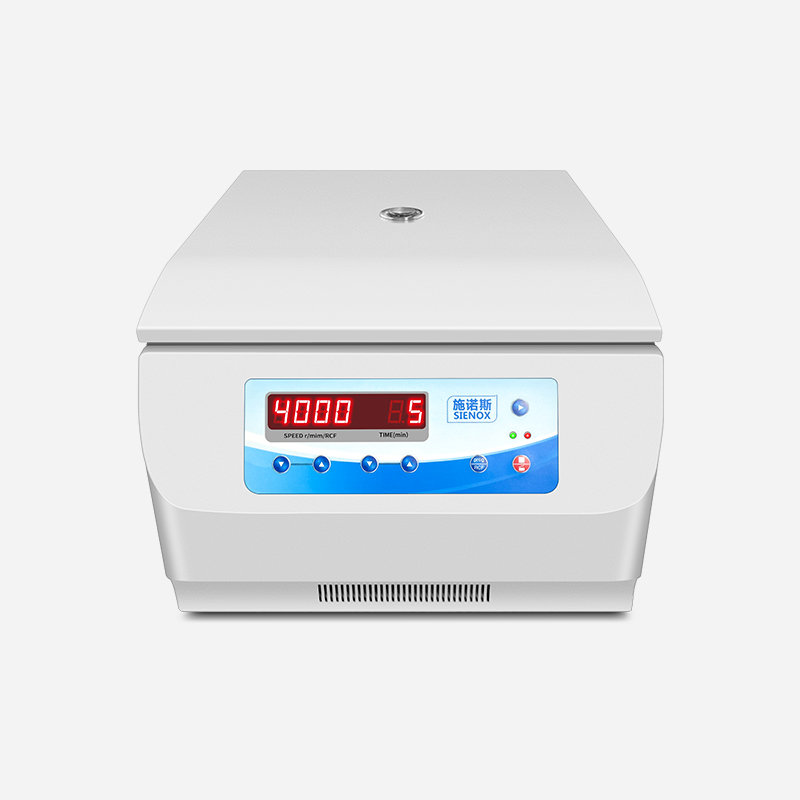
离心脱泡机 SIE-C006
About SIENOX
广州施诺斯(SIENOX),20年脱泡机设备研发与生产的源头厂家
超过1800种材料脱泡案例
纳米级脱泡,满足不同材料多段搅拌除泡需要,支持定制
资质齐全,荣获多项国家专利,联系我们可免费试样