


Silicone Adhesive

TEL:18925129293


Vacuum Defoaming Solution for Consumer Electronics Adhesives
date:2026-09-03author:小施Adhesive Vacuum Defoaming Solution
Working Condition Requirements
• Material Type: Adhesives for consumer electronics (various binders, potting compounds, dispensing glues, etc.)
• Initial State: During production of consumer‑electronics manufacturers, massive micro‑bubbles are mixed into adhesives in stirring processes. Residual bubbles impair adhesive performance and product reliability, which remains a major industry challenge.
• Processing Target: Efficiently remove nano‑scale micro‑bubbles from adhesives to achieve uniform texture with zero residual bubbles, improving adhesive stability and reliability of electronic products.
Comparison Before and After Improvement
Before Improvement — Pain Points of Traditional Processes
For consumer‑electronics manufacturers, micro‑bubbles inside adhesives directly determine product quality and reliability. Conventional processing methods face multiple challenges:
• Stubborn micro‑bubbles hard to eliminate: Micro‑bubbles generated in adhesive stirring hardly escape naturally. Large quantities of bubbles remain even after hours of static placement, degrading potting and dispensing quality.
• Unstable product quality: Residual bubbles lead to voids and air pores after adhesive curing, resulting in deteriorated insulation and sealing performance, and even product failure in severe cases.
• Low efficiency of traditional stirring: Mechanical paddle stirring delivers poor bubble‑removal performance and requires repeated operations, greatly disrupting production rhythm.
• Secondary‑contamination risks: Traditional stirring paddles contact materials directly, introducing impurities and secondary contamination. Cleaning is cumbersome and heavy material waste occurs during batch switching.
Solution
• Vacuum Defoaming + Planetary Motion: Adopt rotation‑revolution planetary principle. Centrifugal force from revolution realizes defoaming while shear force generated by rotation‑revolution completes mixing. Vacuum pump extracts gas to form vacuum environment for thorough removal of nano‑scale micro‑bubbles.
• Non‑contact material processing: Non‑contact design avoids physical contact with materials, preventing secondary contamination and waste and preserving adhesive purity.
• PLC segment control: Multi‑segment PLC program control system stores multiple groups of stirring parameters to satisfy multi‑stage mixing‑defoaming requirements for diverse materials. Dedicated process programs can be called with one‑click operation.
• Precise regulation: High‑precision control system adjusts vacuum degree and stirring speed for different adhesive types and process requirements to secure optimal defoaming outcomes.
Advantages of Stirring‑Defoaming Machine
• High‑efficiency defoaming: Vacuum environment combined with planetary motion rapidly expels bubbles inside adhesives, lowering bubble content and enhancing adhesive quality and performance.
• Uniform mixing: Professional planetary stirring unit synergizes rotation and revolution to achieve sufficient and homogeneous adhesive mixing. Vacuum environment suppresses new bubble generation and guarantees consistency and stability.
• Precise control: PLC precise control system adjusts vacuum degree, rotation speed and duration according to adhesive types and process requirements for optimal defoaming performance.
• User‑friendly operation: Intuitive UI enables simple defoaming workflows. Easy cleaning and maintenance save time and labor costs.
• Non‑contact material handling: Non‑contact structure eliminates secondary contamination and waste and maintains adhesive purity.
• Customizable functions: Custom fixtures and programs are available upon customer requests to fit production demands for containers and materials of various specifications.
Test Conditions
Item | Parameter |
Model | SIE‑MIX90 |
Test Material | Adhesives for consumer electronics |
Test Rotation Speed | 1600 rpm |
Test Time | 2 min |
Vacuum Degree | ‑95KPa |
Sample Provider | A Guangdong‑based electronics enterprise |
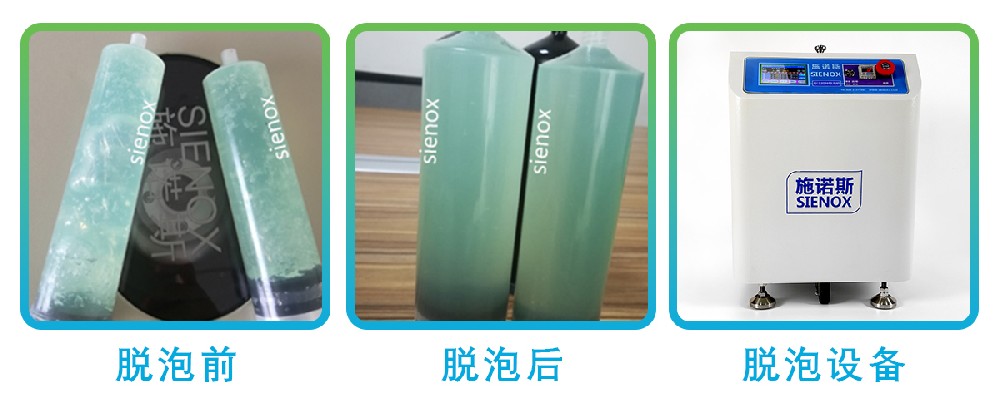
Effect Comparison Before and After Stirring
Comparison Dimension | Before Stirring | After Stirring |
Bubble Content | Abundant micro‑bubbles, opaque adhesive | Nano‑scale bubbles mostly removed, clear and uniform adhesive |
Adhesive Uniformity | Non‑uniform adhesive with bubble agglomeration | Fine and smooth texture with greatly improved consistency |
Potting Performance | Voids and pores after potting, poor sealing performance | Compact potting free of voids, excellent sealing property |
Product Reliability | Bubbles degrade insulation performance and trigger failures | Stable insulation performance, significantly enhanced product reliability |
Production Efficiency | Repeated operations required, low efficiency | Qualified output after single‑run processing, greatly boosted efficiency |
If you are interested in our vacuum stirring‑defoaming machine or have any inquiries, please contact our online web‑page customer service or call +86‑18925129293! SIENOX from Guangzhou provides professional procurement consulting services throughout the whole process.
Mature Application Fields
✅ Consumer‑electronics Potting
✅ Electronic Component Packaging
✅ PCB Dispensing
✅ Optical Module Bonding
✅ Automotive Electronics
✅ Smart Wearable Devices
Related recommendations
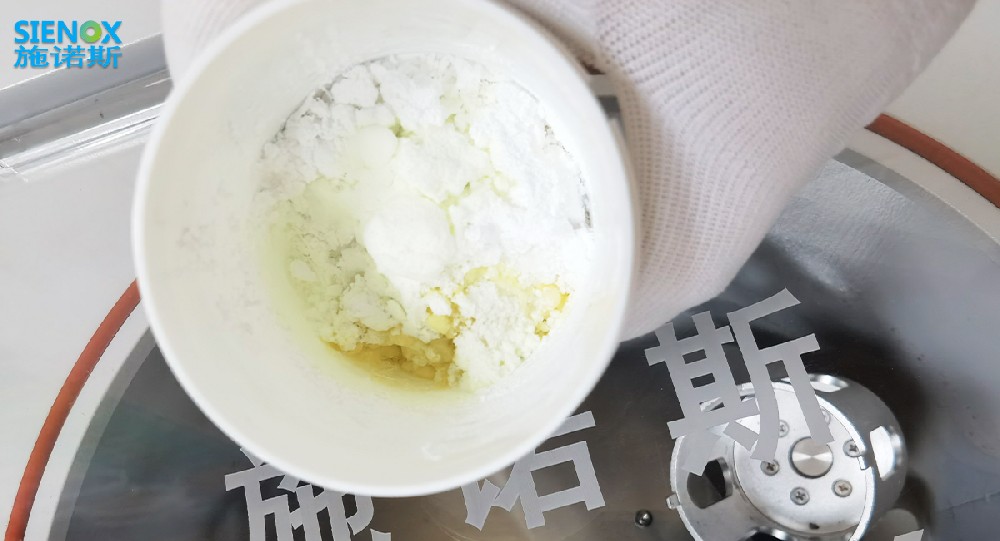
Stirring & Defoaming Solution for Powders and Fluids
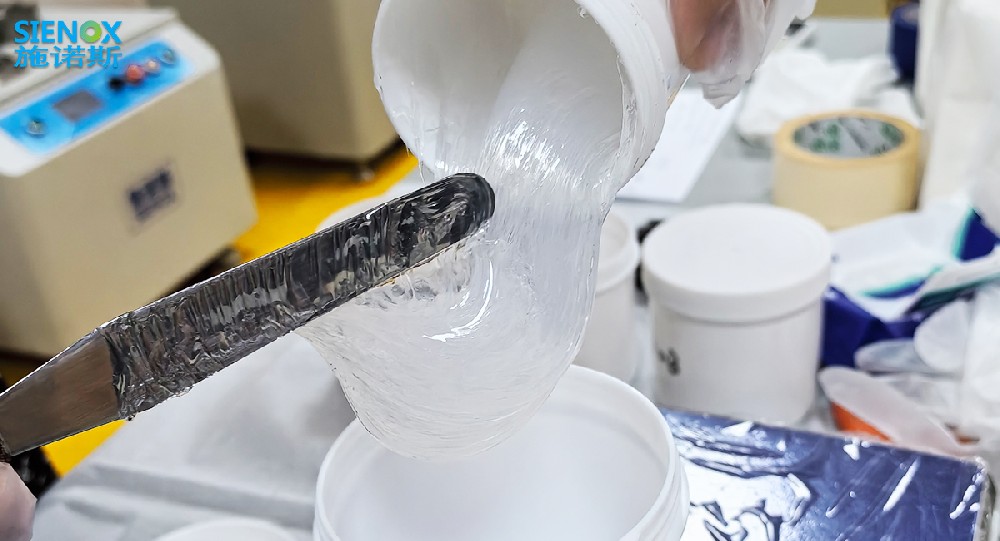
Vacuum Defoaming Solution for Consumer Electronics Adhesives
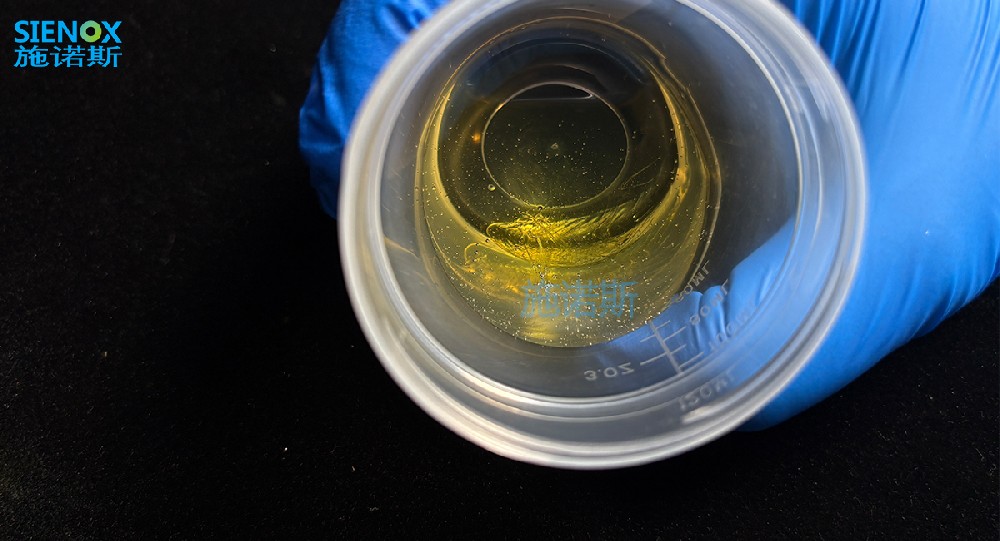
Solution to Bubble‑Related Challenges for Adhesives and Sealants
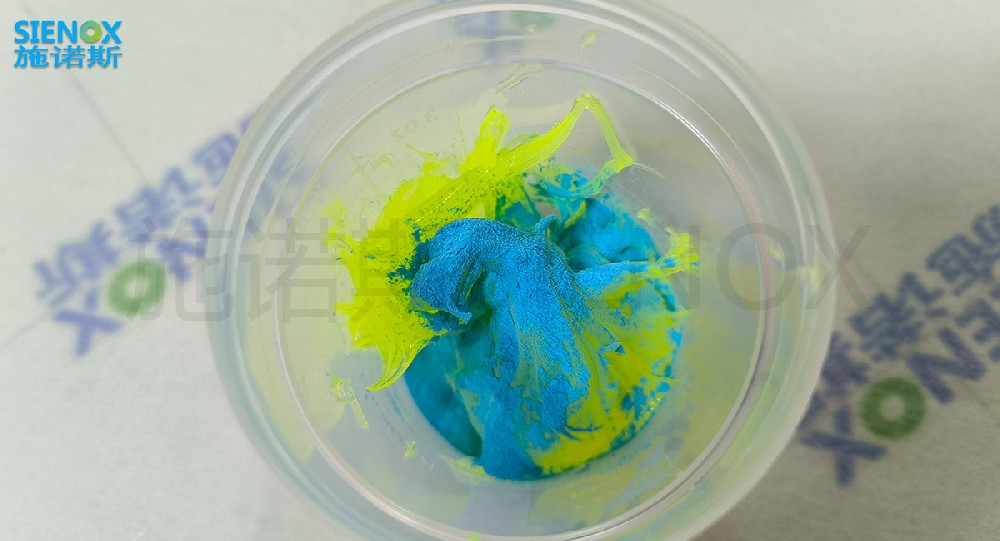
Mixing and Defoaming Solution for High‑Viscosity Colloid and Phosphor Powder Materials
Perhaps you still need....
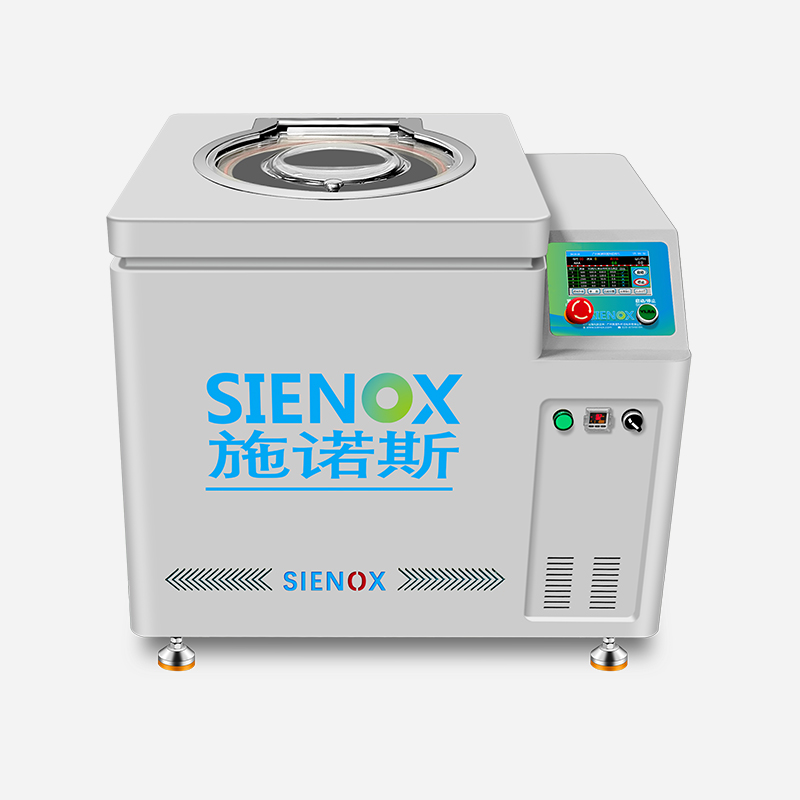
行星式真空脱泡搅拌机 SIE-MIX1000plus
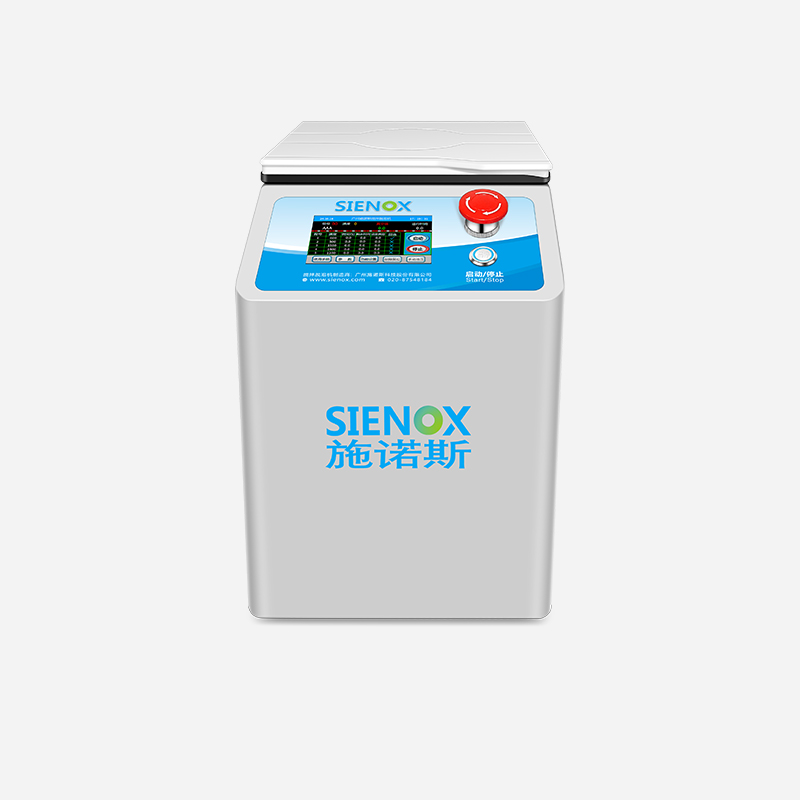
实验室行星式搅拌脱泡机 SIE-SV200
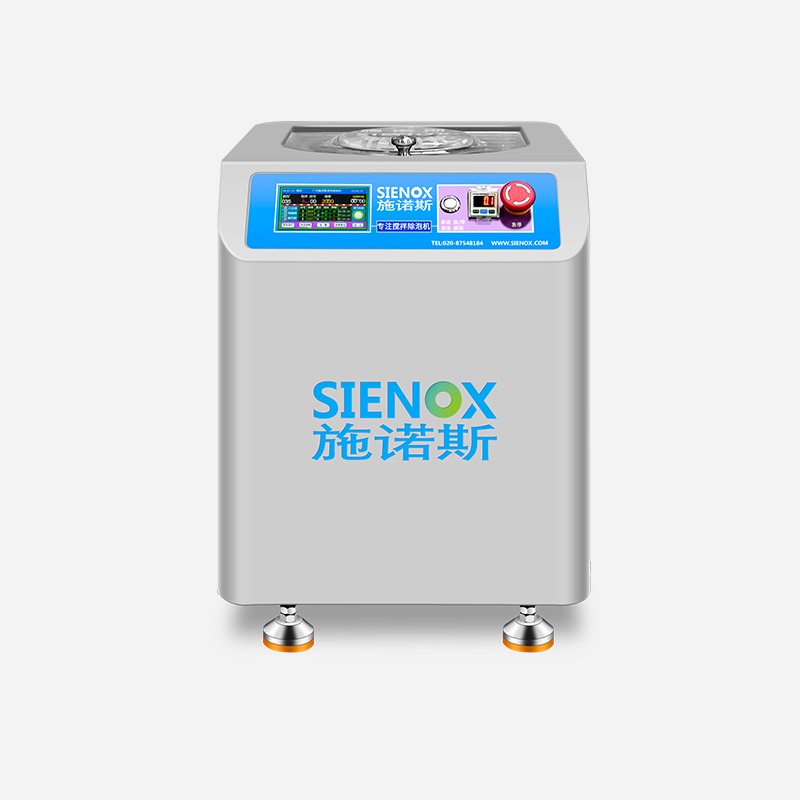
SIENOX行星式脱泡搅拌机 SIE-CV300
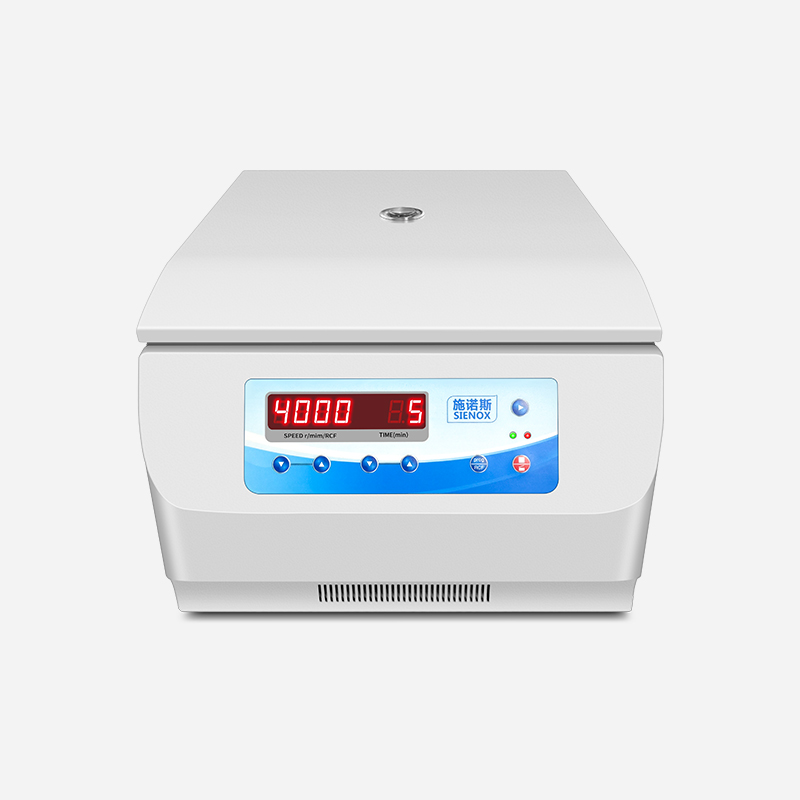
离心脱泡机 SIE-C006
About SIENOX
广州施诺斯(SIENOX),20年脱泡机设备研发与生产的源头厂家
超过1800种材料脱泡案例
纳米级脱泡,满足不同材料多段搅拌除泡需要,支持定制
资质齐全,荣获多项国家专利,联系我们可免费试样