


Silicone Adhesive

TEL:18925129293


Stirring & Defoaming Solution for Powders and Fluids
date:2026-09-03author:小施Powder‑Fluid Mixing & Defoaming Solution
Working Condition Requirements
• Material Type: Powder‑fluid mixed materials (various powder‑liquid systems in new‑material industry)
• Initial State: Large quantities of stubborn micro‑bubbles remain after powder‑fluid mixing. Traditional imported equipment features complicated operation, lacks automatic regulation, and requires dedicated mixing tanks with high costs, inconvenient after‑sales service and incomplete defoaming.
• Processing Target: Fully and evenly mix powder and fluid materials, thoroughly remove stubborn bubbles to achieve nano‑level defoaming with smooth bubble‑free material surface, meanwhile simplify workflows and lower operating costs.
Comparison Before and After Improvement
Before Improvement — Pain Points of Traditional Imported Equipment
A large domestic new‑material company originally adopted imported defoaming machines, which exposed multiple drawbacks in practical production:
• Complicated operation: Cumbersome workflows with limited automatic control, heavily relying on operator experience and resulting in low efficiency.
High supporting cost: Dedicated mixing tanks are mandatory instead of customers’ original containers, raising procurement expense and introducing secondary sub‑packing procedures.
• Incomplete defoaming: Poor removal performance for stubborn bubbles, residual micro‑bubbles inside materials degrade final product quality.
• Inconvenient after‑sales maintenance: Long repair cycle and high spare‑part cost for imported units, disrupting production schedules.
• Insufficient flexibility: Mixing parameters cannot be flexibly adjusted for diverse materials, failing multi‑variant production demands.
Solution
• Custom fixtures compatible with original containers: Custom‑made fixtures of corresponding specifications fit customers’ actual demands. Mixing‑defoaming can be performed directly in original containers without secondary sub‑packing and greatly cut supporting costs.
• PLC segment control: Multi‑segment PLC program control stores multiple groups of mixing parameters to satisfy multi‑stage mixing‑defoaming requirements for different materials. Exclusive process programs can be activated by one‑click operation.
• Planetary mixing‑defoaming: Rotation‑revolution planetary motion generates powerful shear force and convection flow to thoroughly eliminate stubborn bubbles and realize nano‑level defoaming performance.
• Reliable after‑sales support: Professional technicians provide on‑site guidance upon purchase to extend equipment service life. Complete after‑sales service removes customers’ worries.
Advantages of Mixing‑Defoaming Machine
• Customizable fixtures: Compatible with jars, beakers, glue cups and other vessels of various sizes. Direct processing in original containers without secondary sub‑packing.
• Adjustable rotating speed & fast defoaming: Precisely controlled by PLC for rotating speed and duration to finish mixing‑defoaming efficiently.
• Automated operation: Manual intervention minimized for labor‑saving convenience and less dependence on operator experience.
• Nano‑level defoaming: Thorough elimination of stubborn bubbles for significantly upgraded material quality.
• Customizable functions: Flexible customization according to customer‑specific materials and process requirements to maximize application adaptability.
• Complete after‑sales service: Professional technical support, on‑site installation & training, rapid after‑sales response.
Test Conditions
Item | Parameter |
Model | SIE‑MIX90‑C |
Test Material | Powder‑fluid mixed material |
Test Rotation Speed | 1500 rpm |
Test Time | 3 min |
Vacuum Degree | ‑95KPa |
Sample Provider | A large domestic new‑material enterprise |
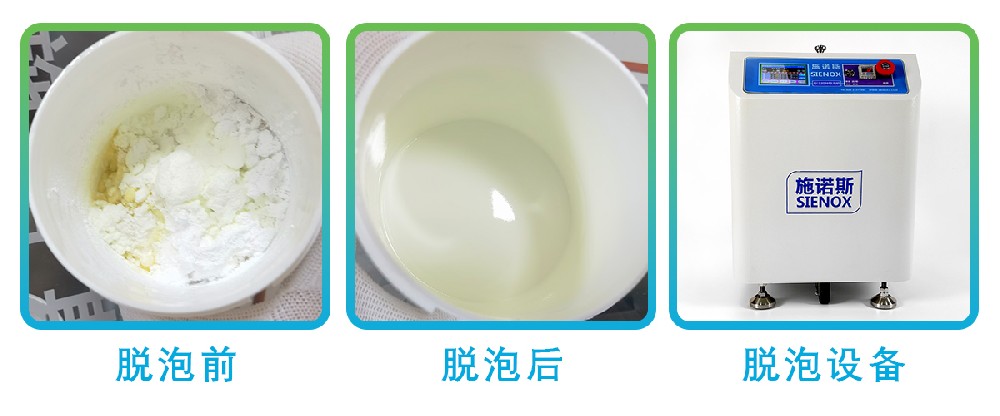
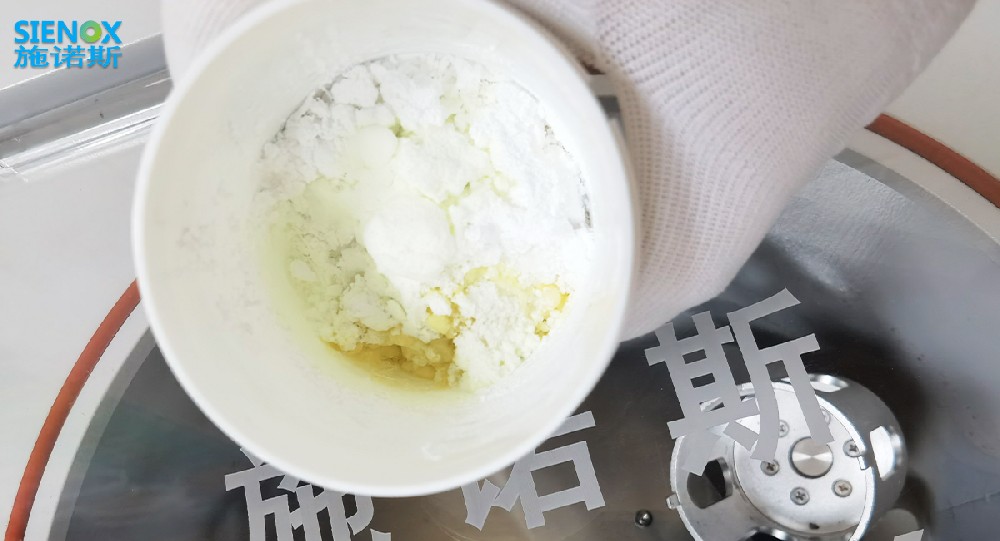
Effect Comparison Before and After Mixing
Comparison Dimension | Before Mixing (Imported Equipment) | After Mixing (SIENOX Solution) |
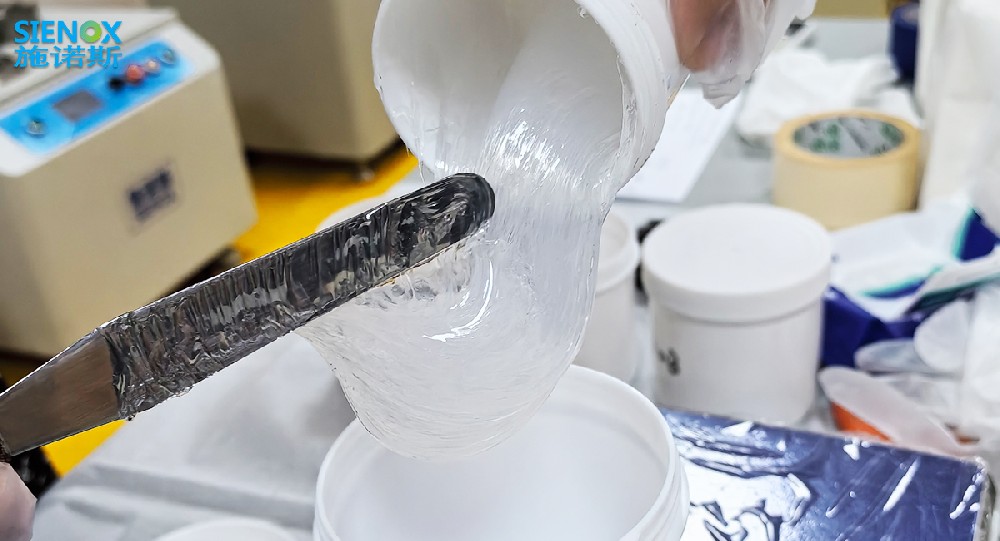
Bubble Content | Stubborn bubbles retained, incomplete defoaming | Nano‑level defoaming, bubbles completely removed |
Material Uniformity | Poor mixing between powder and fluid | Fully homogenized powder‑liquid mixture with fine texture |
Operation Convenience | Cumbersome operation, dedicated tanks required plus secondary sub‑packing | Direct processing in original containers with PLC automatic control |
Material Appearance | Rough surface with bubbles and agglomerates | Smooth and fine surface without residual bubbles |
Overall Cost | High equipment & spare‑part cost, long after‑sales cycle | Cost‑effective, fast after‑sales response and low maintenance cost |
Mature Application Fields
✅ New‑material R&D & Production
✅ Powder‑fluid Mixing Process
✅ Composite Material Preparation
✅ Nanomaterial Dispersion
✅ Functional Coating Production
✅ Special Ceramic Slurries
Related recommendations
Stirring & Defoaming Solution for Powders and Fluids
Vacuum Defoaming Solution for Consumer Electronics Adhesives
Solution to Bubble‑Related Challenges for Adhesives and Sealants
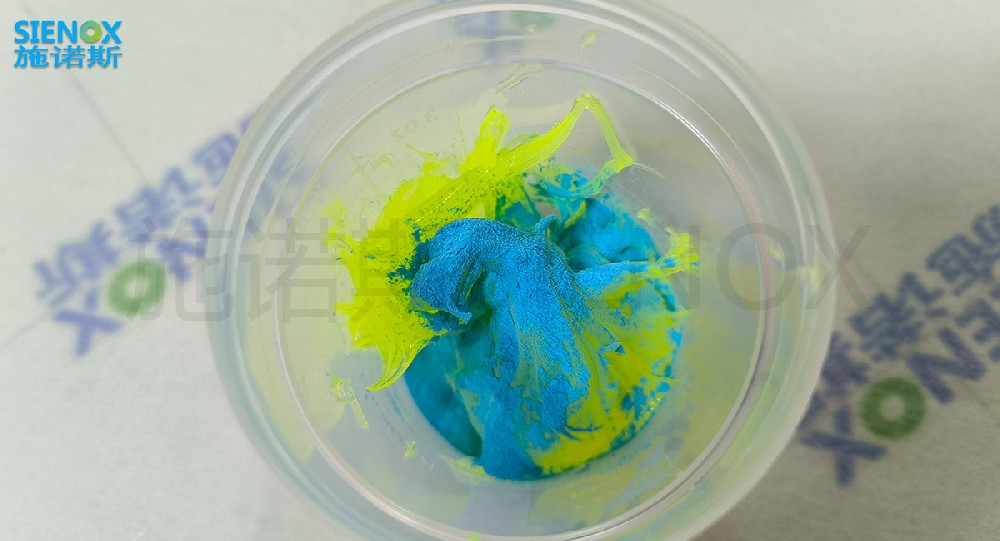
Mixing and Defoaming Solution for High‑Viscosity Colloid and Phosphor Powder Materials
Perhaps you still need....
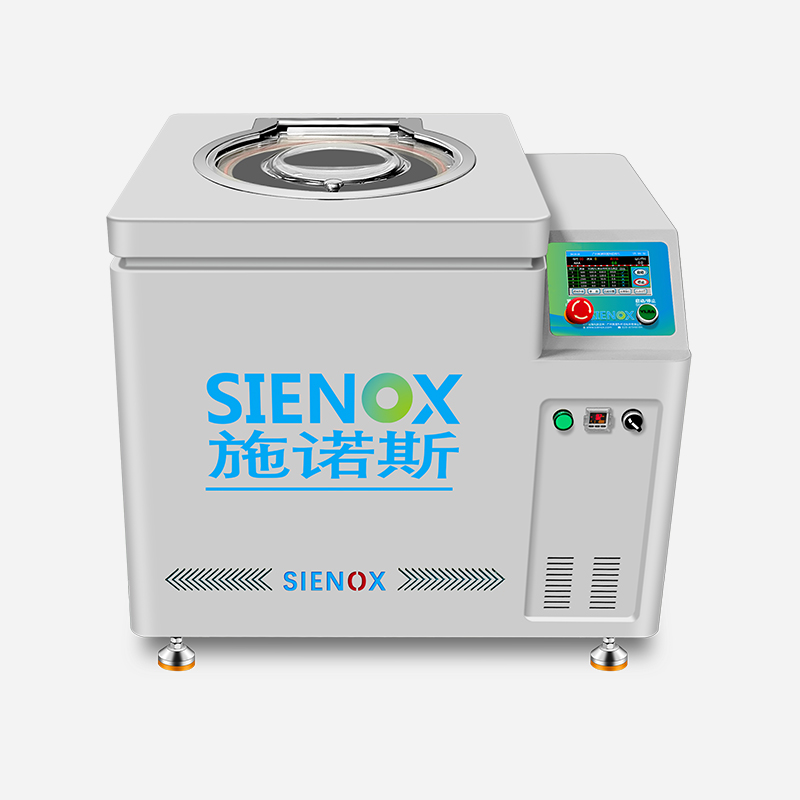
行星式真空脱泡搅拌机 SIE-MIX1000plus
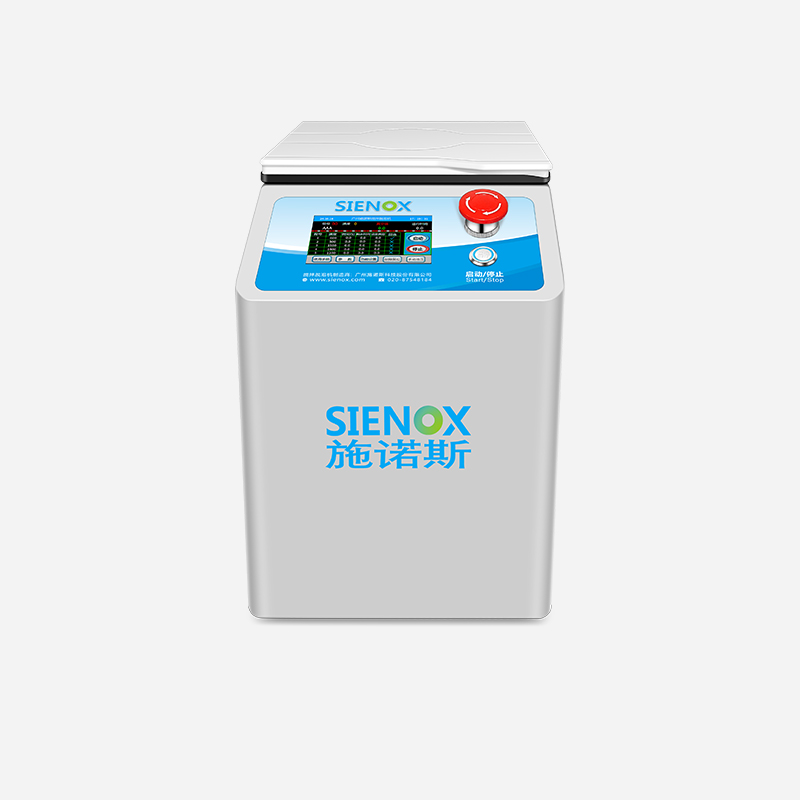
实验室行星式搅拌脱泡机 SIE-SV200
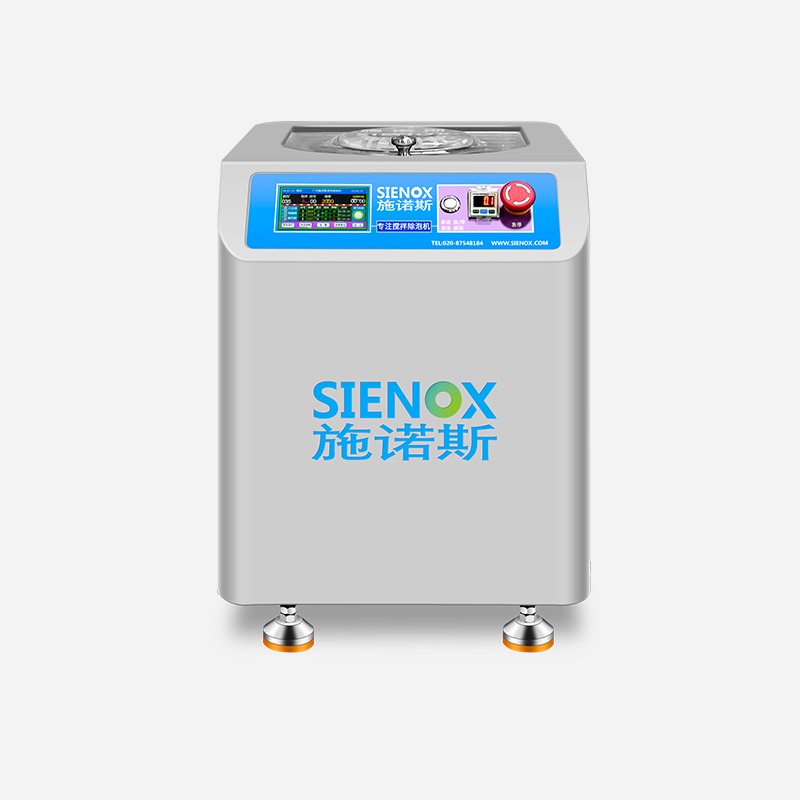
SIENOX行星式脱泡搅拌机 SIE-CV300
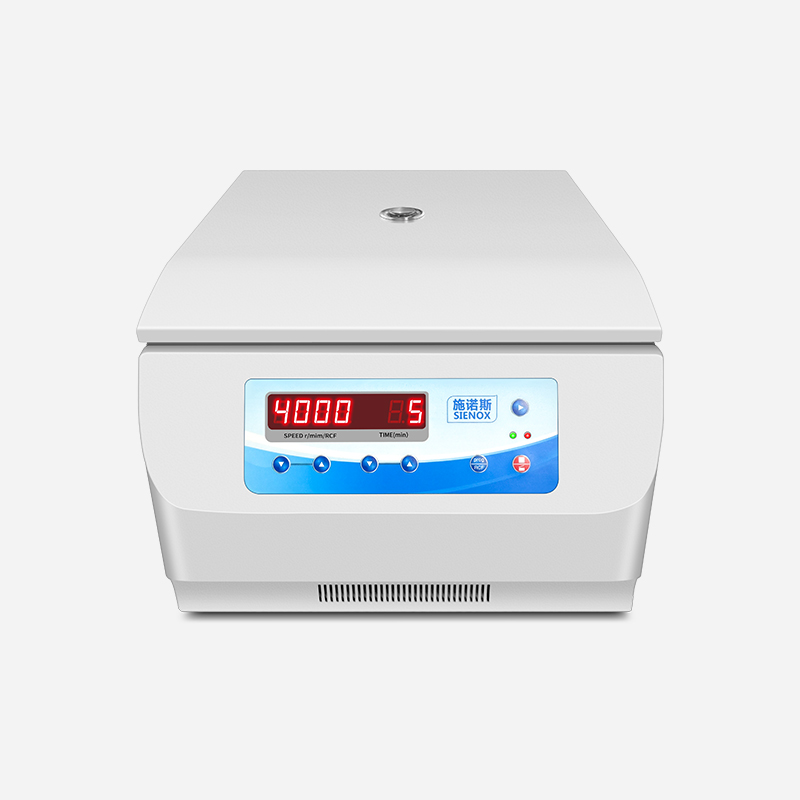
离心脱泡机 SIE-C006
About SIENOX
广州施诺斯(SIENOX),20年脱泡机设备研发与生产的源头厂家
超过1800种材料脱泡案例
纳米级脱泡,满足不同材料多段搅拌除泡需要,支持定制
资质齐全,荣获多项国家专利,联系我们可免费试样