


Silicone Adhesive

TEL:18925129293


Solution to Bubble‑Related Challenges for Adhesives and Sealants
date:2026-09-02author:小施Working‑Condition Requirements
• Material Types: Adhesives and sealants (full‑range adhesive materials including epoxy resin, polyurethane, silicone sealant, acrylic adhesive, cyanoacrylate, anaerobic adhesive, MS‑polymer, thermal‑conductive adhesive, conductive paste, hot‑melt adhesive, etc.)
• Initial Status: During production, adhesives and sealants trap invisible micro‑scale bubbles inside materials, forming potential risks for product failure. Conventional mixing‑defoaming delivers low efficiency. High‑viscosity sealants retain bubble residues above 15 %, leading to higher defective rates and scrap costs up to ten‑thousand‑CNY per batch.
• Processing Target: Thoroughly remove micro‑sized bubbles within adhesives and sealants to guarantee complete material continuous phase. Meet requirements for bonding strength and sealing reliability, eliminate short‑circuit risks in electronic encapsulation, and improve appearance quality and added value of end‑products.
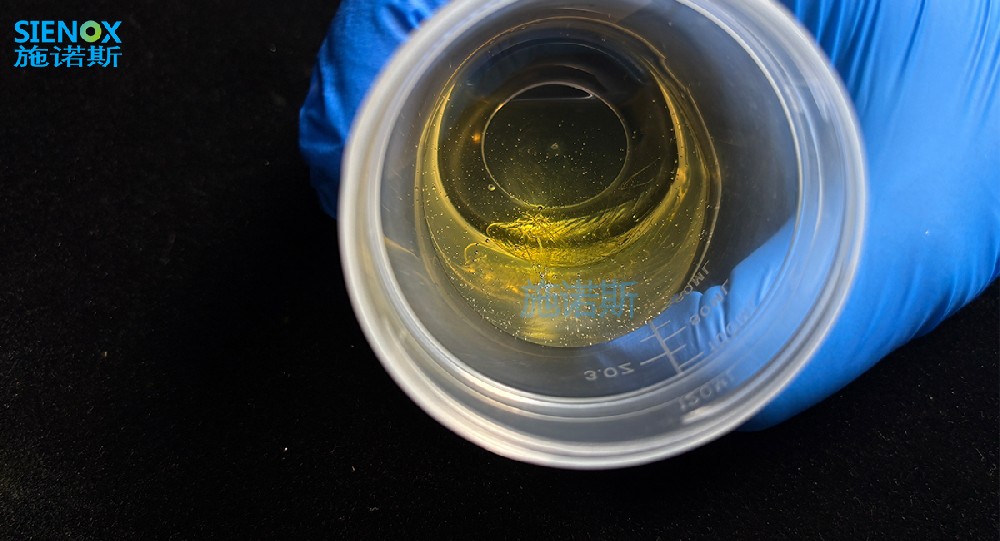
Comparison Before and After Improvement
Before Improvement — Industry Pain Points
In the production of adhesives and sealants, invisible micro‑bubbles act as fatal hazards undermining product performance stability. Traditional processing methods face four major pain points:
• Performance Degradation: Bubbles destroy material continuous phase and significantly reduce bonding strength and sealing reliability. Bubbles in electronic encapsulation adhesives may cause circuit short‑circuit risks.
• Process Deviation: Conventional mixing‑defoaming is inefficient, extending production cycles by more than 30 %. High‑viscosity sealants keep bubble residue rate above 15 %.
• Rising Costs: Bubbles increase defective rates, and scrap costs for high‑end adhesives reach ten‑thousand‑CNY per batch.
• Appearance Defects: Transparent sealants suffer from atomization and light spots, damaging aesthetics and commercial value of end‑products.
Solution
• Revolution‑Rotation + Vacuum Synergistic Defoaming: Deep deaeration realized via triple physical effects —
• Planetary Motion Mechanism: Combined revolution and rotation of materials generate high‑speed shear force and centrifugal force.
• Centrifugal Separation Effect: High centrifugal force drives bubbles to converge toward the center and form deaeration channels.
• Shear Disintegration Effect: Rotation produces high shear force to efficiently break bubble agglomerates.
• Vacuum‑Boosted Defoaming: With vacuum degree above ‑95 kPa, deaeration efficiency rises by 3‑5 times.
• Intelligent Control: PLC system realizes joint control over temperature, vacuum and rotating speed, with process parameter fluctuation ≤ ±1 %.
• Full‑Viscosity Compatibility: Handles viscosity ranging from 0.5‑500,000 cPs, covering full product lines from UV adhesives to epoxy resins.
Advantages of Mixing‑Defoaming Machine
• Efficient Mixing & Dispersion: Rapid and thorough mixing for adhesives and sealants, greatly shortening processing time compared with traditional methods. Single‑batch processing time reduced to 15‑40 minutes.
• Micro‑Bubble Elimination: Blade‑free centrifugal material processing guarantees bubble‑free mixtures, which is critical for adhesive and sealant performance.
• Contamination‑Free Process: Disposable mixing containers prevent cross‑contamination and eliminate inter‑batch cleaning work.
• Multi‑Batch Compatibility: Supports small‑lab and large‑volume production, covering workflows from R&D formulation to full‑scale manufacturing.
• Consistent & Reproducible Output: Precisely controlled mixing parameters secure batch‑to‑batch consistency for improved product quality and reliability.
• Broad Process Adaptability: Viscosity range 0.5‑500,000 cPs, covering full series from UV adhesives to epoxy resins.
• Energy‑Saving Optimization: 35 % lower energy consumption versus traditional processes, substantially cutting production costs.
Test Conditions
Item | Parameter |
Model | SIE‑MIX90 |
Test Material | Adhesives and sealants (epoxy resin / silicone sealant, etc.) |
Test Rotation Speed | 1800 rpm |
Test Duration | 4 min |
Vacuum Degree | ‑95KPa |
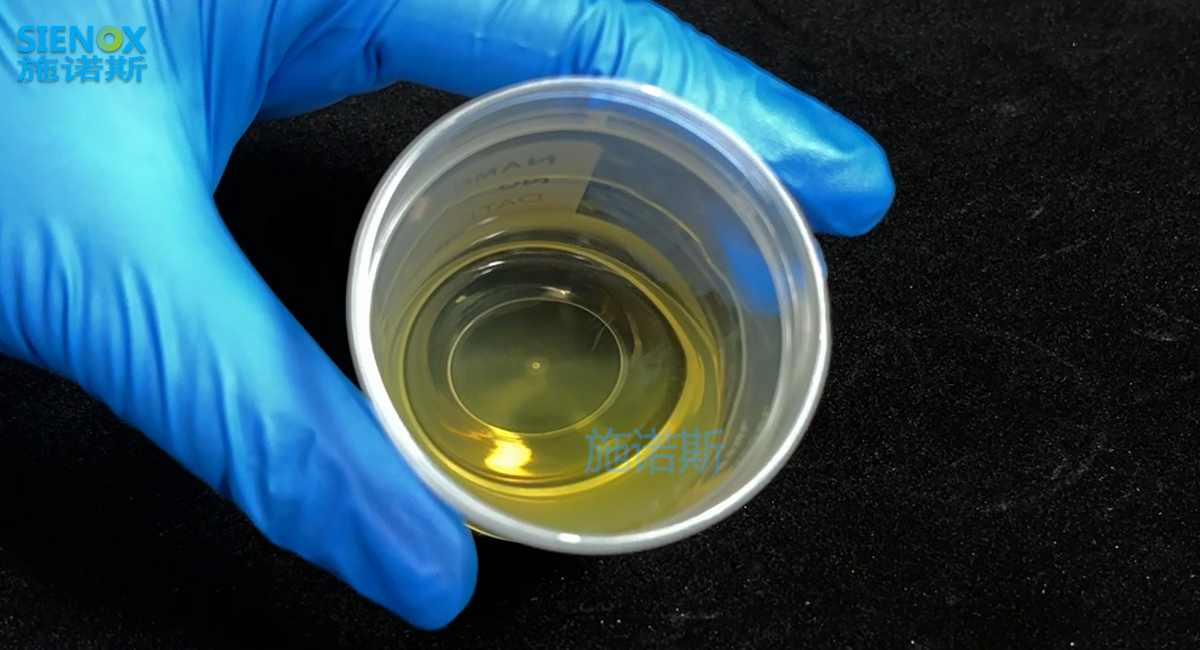
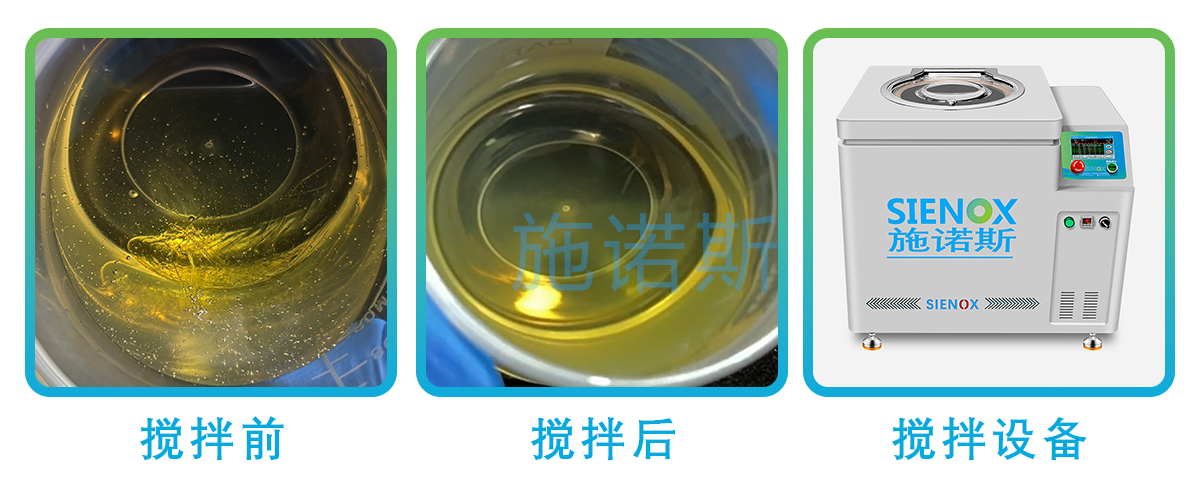
Effect Comparison Before and After Mixing
Comparison Item | Before Mixing | After Mixing |
Bubble Residue Rate | Bubble residue rate above 15 % for high‑viscosity sealants | Bubbles mostly eliminated, residue rate <1 % |
Bonding Strength | Bubbles damage continuous phase, strength drops by over 30 % | Complete material continuous phase, bonding strength increased by 30 % |
Sealing Reliability | High risk of sealing failure caused by bubbles | Dense sealing layer free of micropores, reliability greatly improved |
Surface Quality | Atomization and light spots on transparent sealants | Crystal‑clear transparent sealants with premium appearance |
Production Efficiency | Production cycle extended by over 30 % | Processing time shortened to 15‑40 min, efficiency greatly enhanced |
Scrap Cost | Ten‑thousand‑CNY per batch | Sharp drop in defective rate, scrap cost reduced by 80 % |
Proven Application Fields
✅ Epoxy Resin (Bisphenol‑A epoxy resin)
✅ Polyurethane (Polyurethane adhesive)
✅ Silicone Sealant (RTV silicone)
✅ Acrylic Adhesive (Methacrylate‑based adhesive)
✅ Cyanoacrylate Adhesive (Instant adhesive)
✅ Anaerobic Adhesive (Thread locker)
✅ MS‑Polymer (Modified silane sealant)
✅ Filled Adhesive (Metal‑filled epoxy resin)
✅ Thermal‑Conductive Adhesive (Silver‑filled epoxy resin)
✅ Conductive Paste (Carbon‑black dispersion)
✅ Hot‑Melt Adhesive (EVA‑based adhesive)
Related recommendations
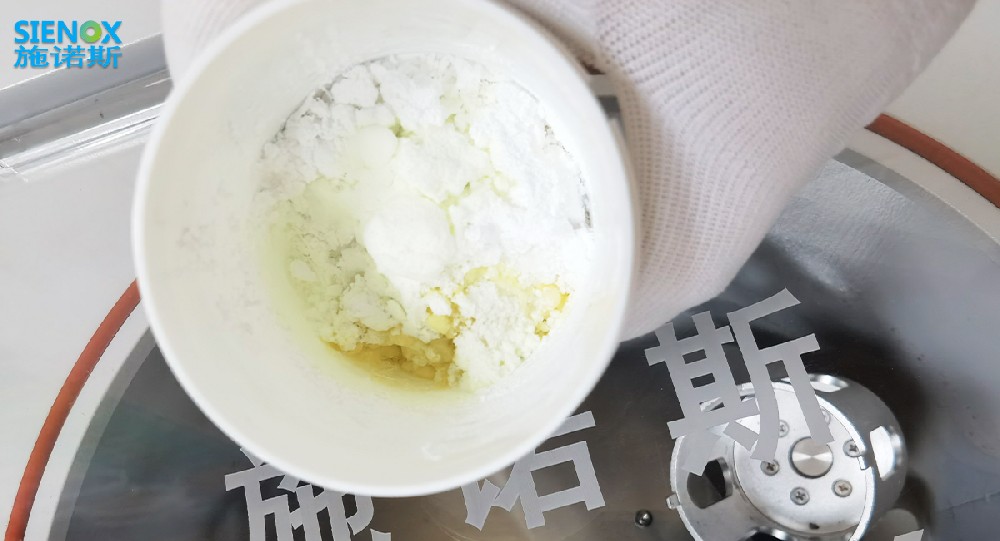
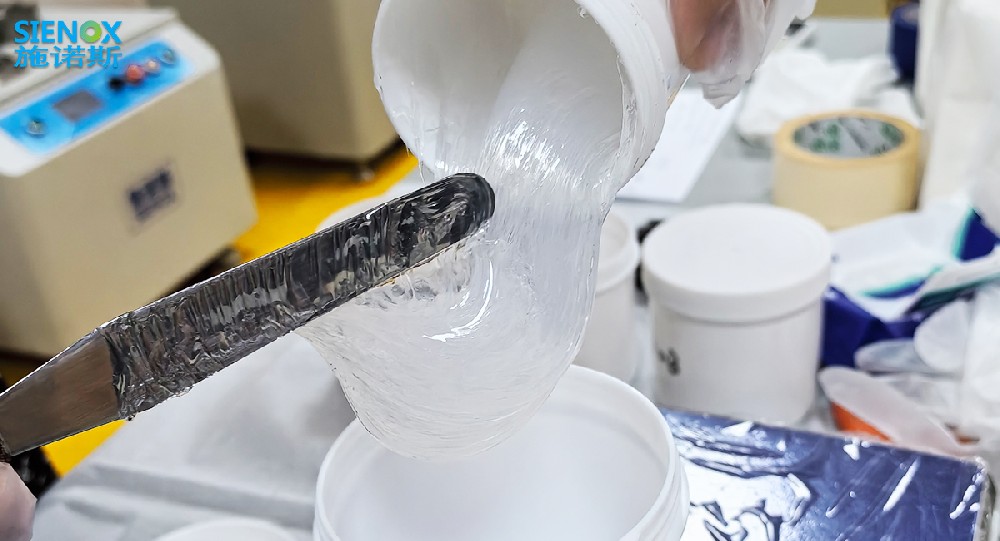
Stirring & Defoaming Solution for Powders and Fluids
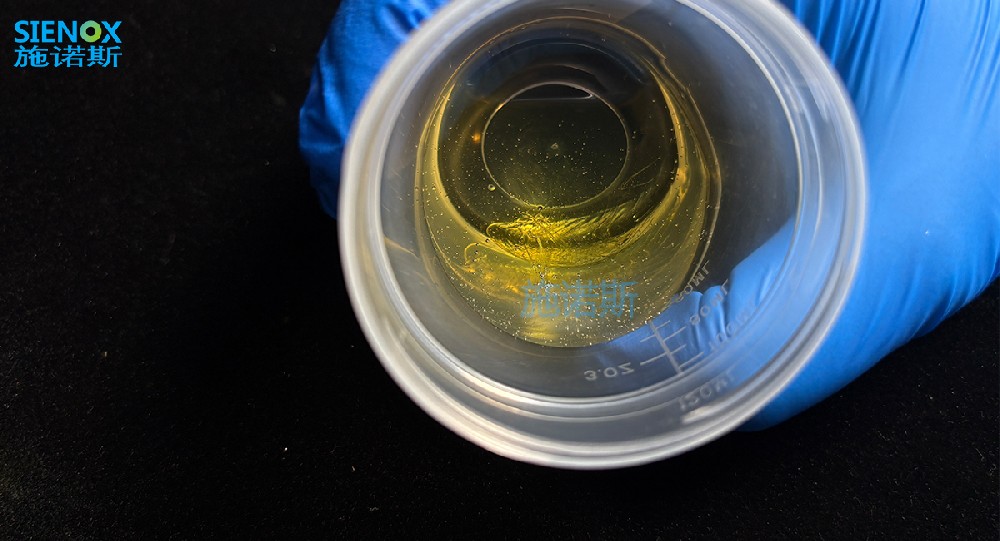
Vacuum Defoaming Solution for Consumer Electronics Adhesives
Solution to Bubble‑Related Challenges for Adhesives and Sealants
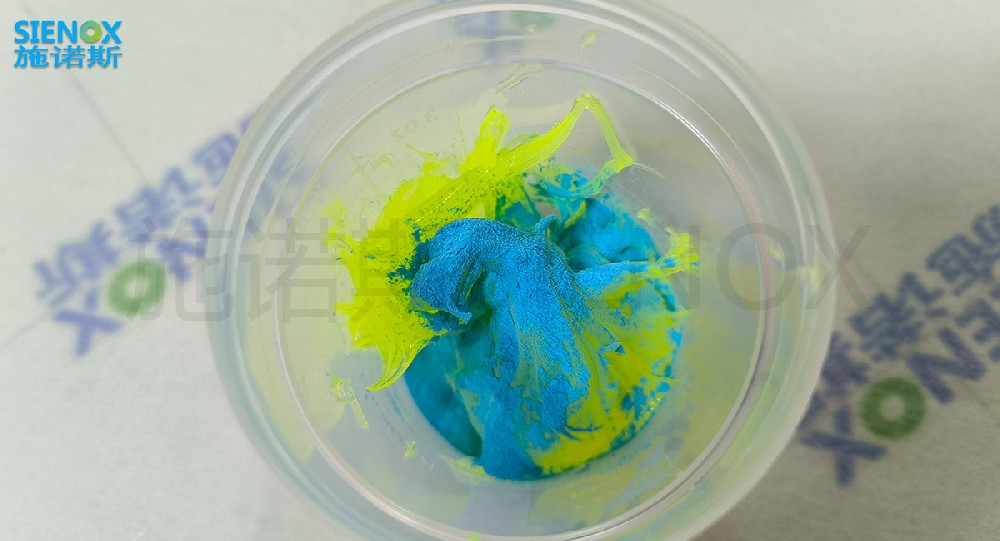
Mixing and Defoaming Solution for High‑Viscosity Colloid and Phosphor Powder Materials
Perhaps you still need....
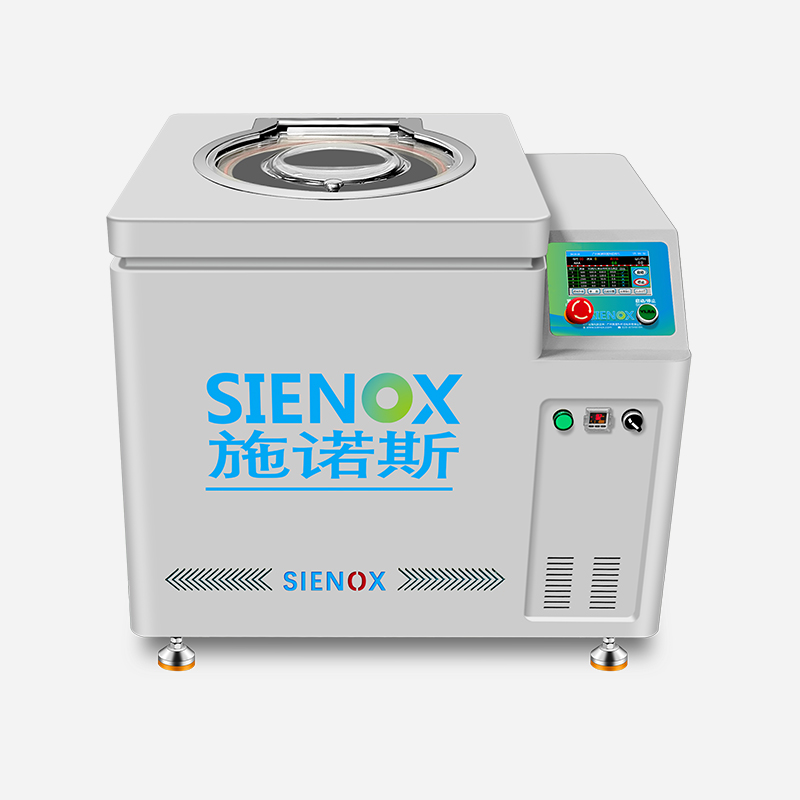
行星式真空脱泡搅拌机 SIE-MIX1000plus
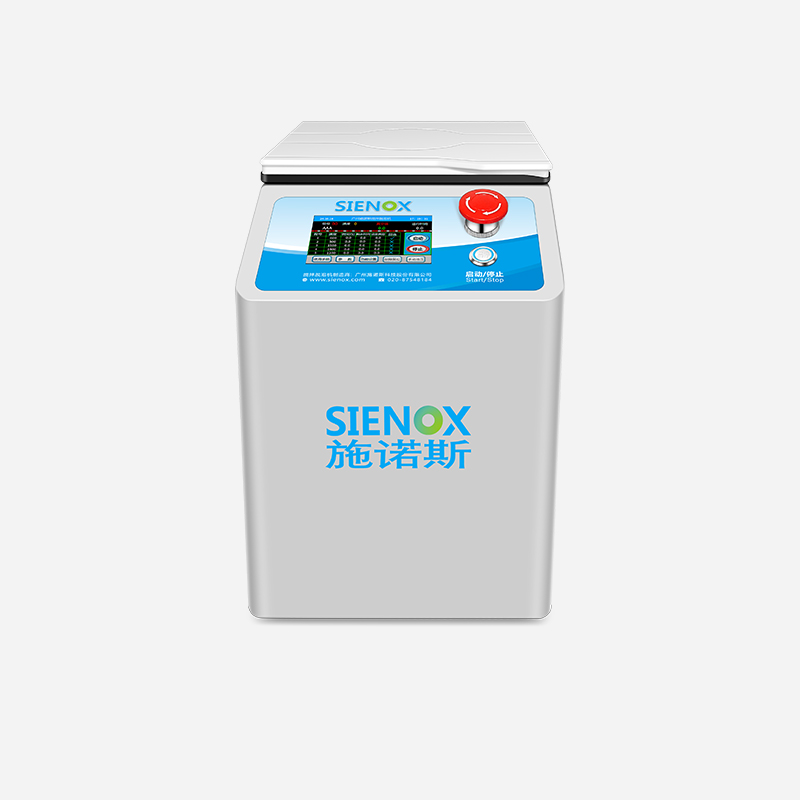
实验室行星式搅拌脱泡机 SIE-SV200
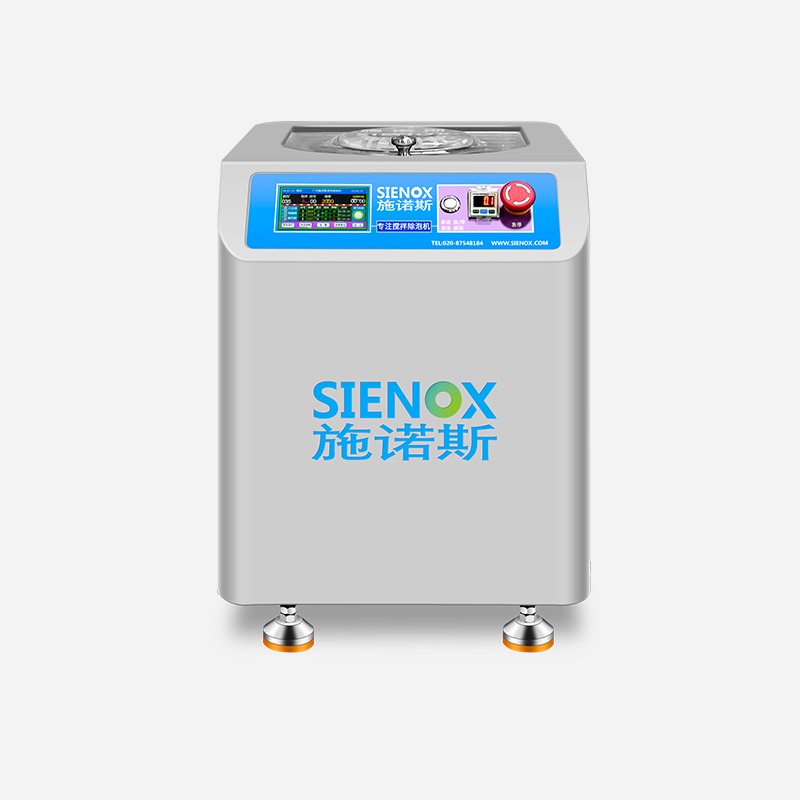
SIENOX行星式脱泡搅拌机 SIE-CV300
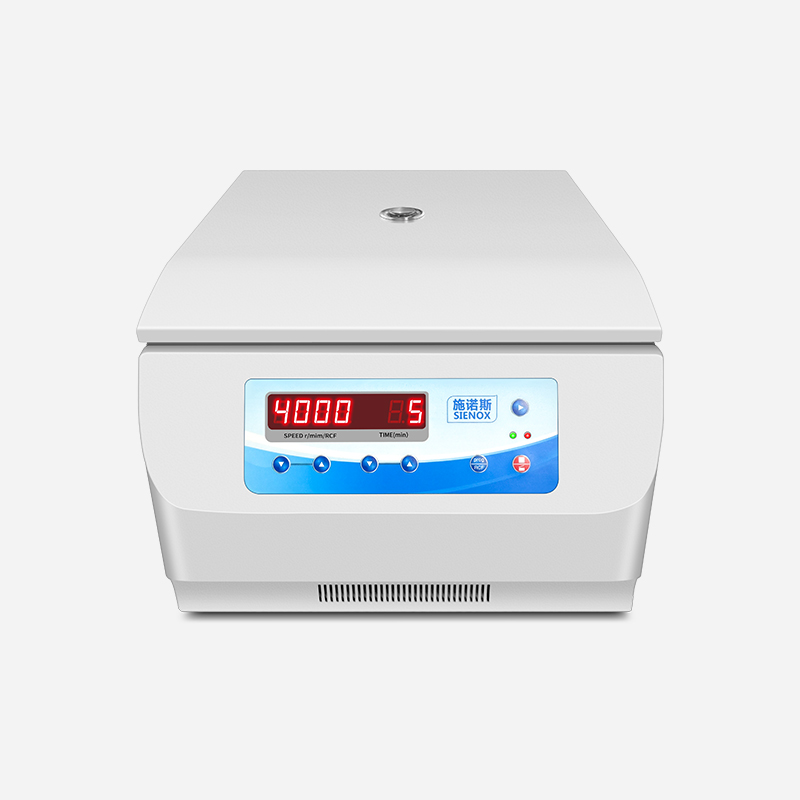
离心脱泡机 SIE-C006
About SIENOX
广州施诺斯(SIENOX),20年脱泡机设备研发与生产的源头厂家
超过1800种材料脱泡案例
纳米级脱泡,满足不同材料多段搅拌除泡需要,支持定制
资质齐全,荣获多项国家专利,联系我们可免费试样