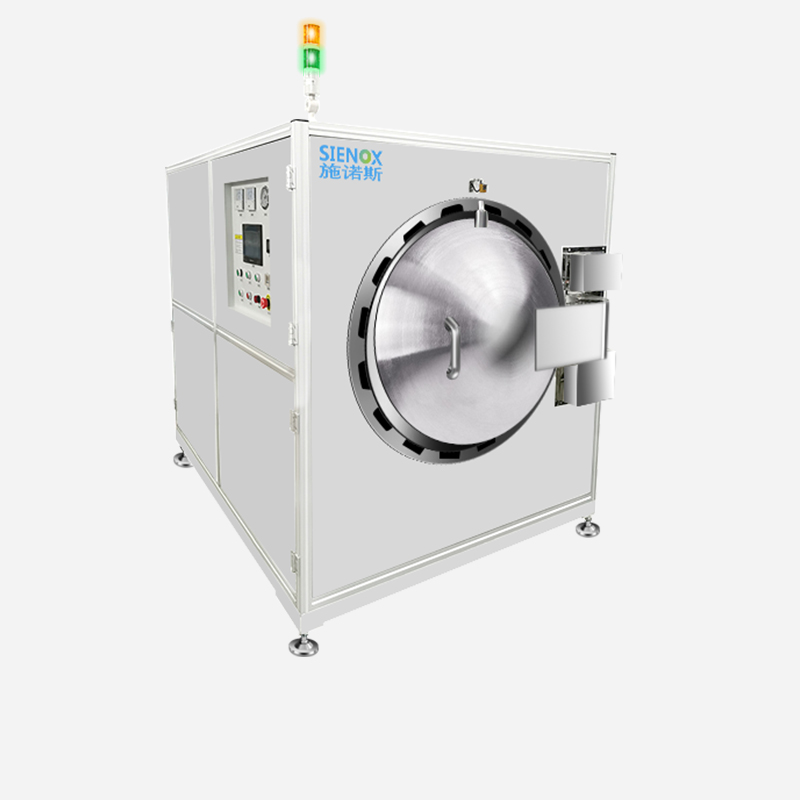


Pressure Degassing Autoclave

TEL:18925129293


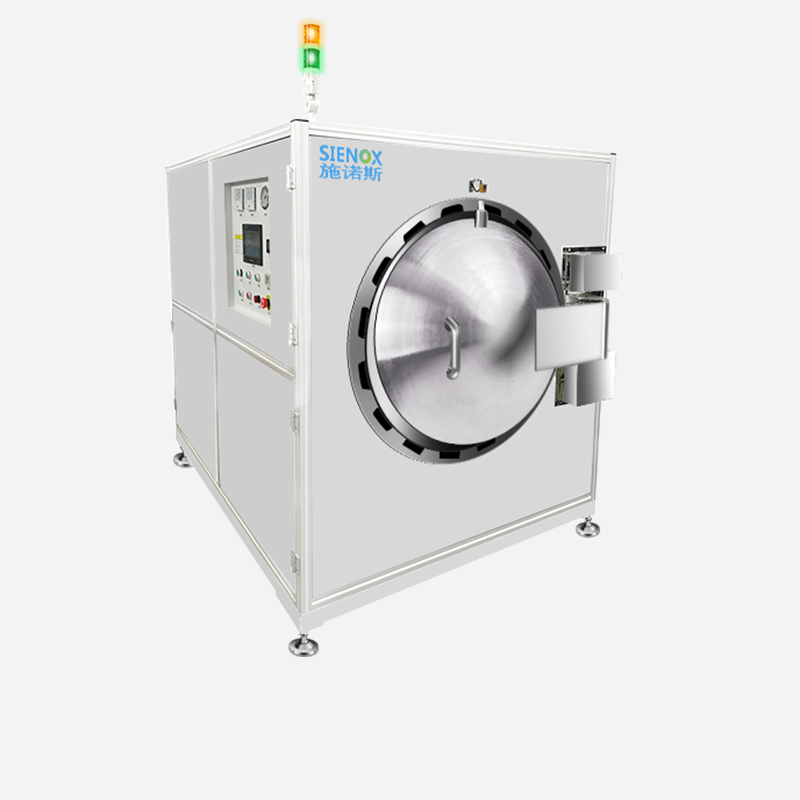
Pressure Defoaming Machine SIE-RX4-600
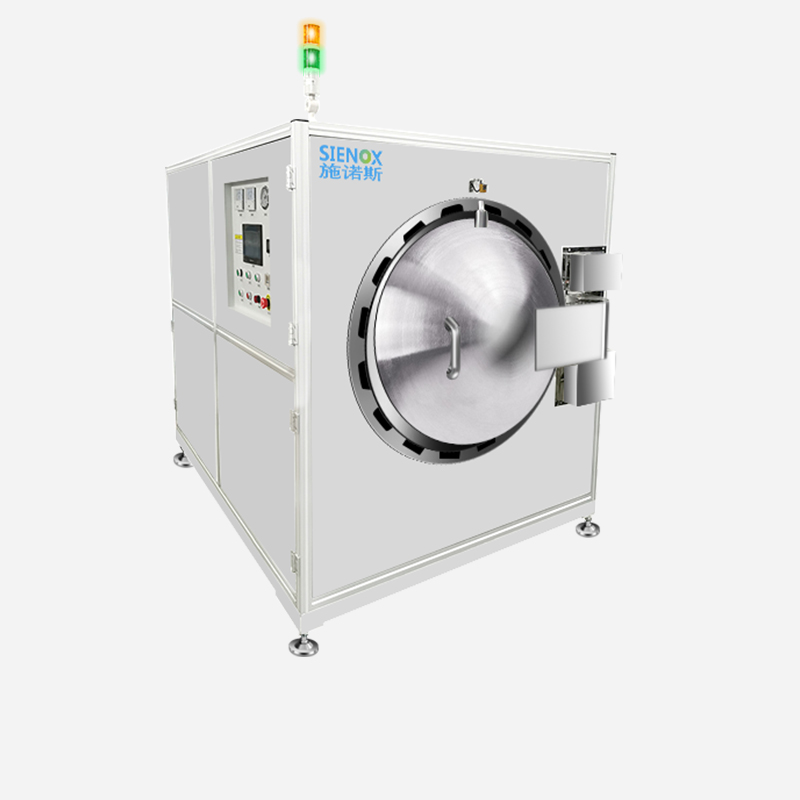
Fast Pressure Rise in Small Chamber · Three Modes for Flexible R&D Sample Switching
φ400 Small Chamber 5-Minute Fast Pressure Rise + Three Pressure & Heating Modes Flexible Switching + Precision Filter Prevents Sample Secondary Contamination
Schnos SIE-RX4-600 Pressure Defoaming Machine, φ400×600mm cylindrical chamber with approximately 75L capacity, pressure rises to 0.6MPa in 5 minutes. Three working modes available, SMC digital pressure gauge accuracy ±0.01MPa, Omron PID temperature control accuracy ±1.0°C. Utilizes pressure and temperature to remove bubbles generated during the lamination process and enhance adhesion between materials.
✓ ISO9001 Quality System ✓ RoHS Compliant ✓ Custom Voltage Supported (110V/220V)
Why Must Microbubbles in Materials Be Eliminated?
Residual micro‑bubbles degrade end‑product quality directly
LCD Polarizer Lamination IndustryDuring the lamination of LCD polarizers with glass substrates, residual bubbles in OCA optical adhesive cause uneven light transmission and display haze, affecting screen display quality. Pressure defoaming compresses and dissolves bubbles through pressure, while temperature reduces OCA adhesive viscosity to assist bubble expulsion. The φ400 small chamber is suitable for sample lamination defoaming of small-size polarizers during the R&D stage, enabling rapid verification of process parameters. | Electronic Component Packaging IndustryBubbles in electronic component packaging adhesive cause voids in the packaging layer, and moisture intrusion leads to device failure, requiring repeated process parameter adjustment during the R&D stage. The three working modes of pressure defoaming allow selection of pressurize-first-then-heat or simultaneous heating and pressurization based on packaging adhesive characteristics. The small chamber's rapid pressure rise shortens the prototyping cycle, helping R&D teams quickly determine the packaging defoaming process solution. | Medical Device IndustryBubbles in medical device bonding and lamination affect biocompatibility and structural strength, requiring small-batch verification of defoaming effectiveness during the prototyping stage. The pressure defoaming precision filter prevents secondary contamination of products, the φ400 chamber is suitable for sample lamination defoaming of small-size medical devices, and the audible-visual-light alarm ensures safe and controllable prototyping processes. |
✨ The dilemma of traditional defoaming: during the R&D prototyping stage, there is a lack of professional pressure defoaming equipment. Relying on standing still to wait for bubbles to escape naturally takes a long time and has low efficiency; ordinary ovens only heat without pressurizing, making it difficult to expel bubbles from the lamination surface; inaccurate temperature control causes large variations in OCA adhesive fluidity, making process parameters difficult to reproduce stably.
Why Choose SIE-RX4-600
Address the pain points of efficiency and quality in the R&D trial‑production phase from three dimensions: rapid pressure rise, flexible modes, and clean trial‑production.
Small‑chamber Rapid Pressure RiseThe φ400×600 mm cylindrical chamber has a volume of approximately 75 L. It reaches 0.6 MPa within 5 minutes, completes pressure relief in 2‑3 minutes, and enables fast cycle turnover of 35‑40 minutes per cycle. Thanks to fast pressure rise and drop in the small chamber, process parameters can be iterated rapidly during R&D trial‑production. Multiple sets of conditional tests can be finished within one day to shorten the R&D cycle. | Flexible Switching Among Three ModesThree working modes are available: A. Pressurize first, then heat up; B. Heat up and pressurize simultaneously; C. Heat up first, then pressurize. Different materials respond differently to pressure and temperature. The three modes can be flexibly selected according to material properties. Parameters controlled by the microcomputer can be stored and reproduced to assist R&D teams in identifying feasible process solutions. | Anti‑pollution by Precision FilterInlet air passes through a precision filter before entering the chamber, preventing dust and impurities in the air from contaminating trial‑production samples. Samples in R&D trial‑production are high‑value and low‑volume; a single contamination incident may waste the entire batch. Precision filtration ensures a clean trial‑production environment and improves trial‑production success rates. |
✨ If your scenarios include R&D trial‑production, small‑sample lamination verification and process‑parameter debugging, the rapid pressure rise of the RX4‑600 small chamber and flexible switching among three modes enable you to achieve rapid iteration.
Working Principle
Remove bubbles generated during lamination by pressure and temperature to enhance bonding strength between different materials.
Step 1: Pressurization and Heating (Three‑mode Optional) Step 2: Pressure‑holding Defoaming Step 3: Pressure Relief and Stabilization Three simple steps: Pressurization & Heating → Pressure‑holding Defoaming → Pressure Relief & Stabilization, to eliminate bonding bubbles and strengthen adhesive force. | 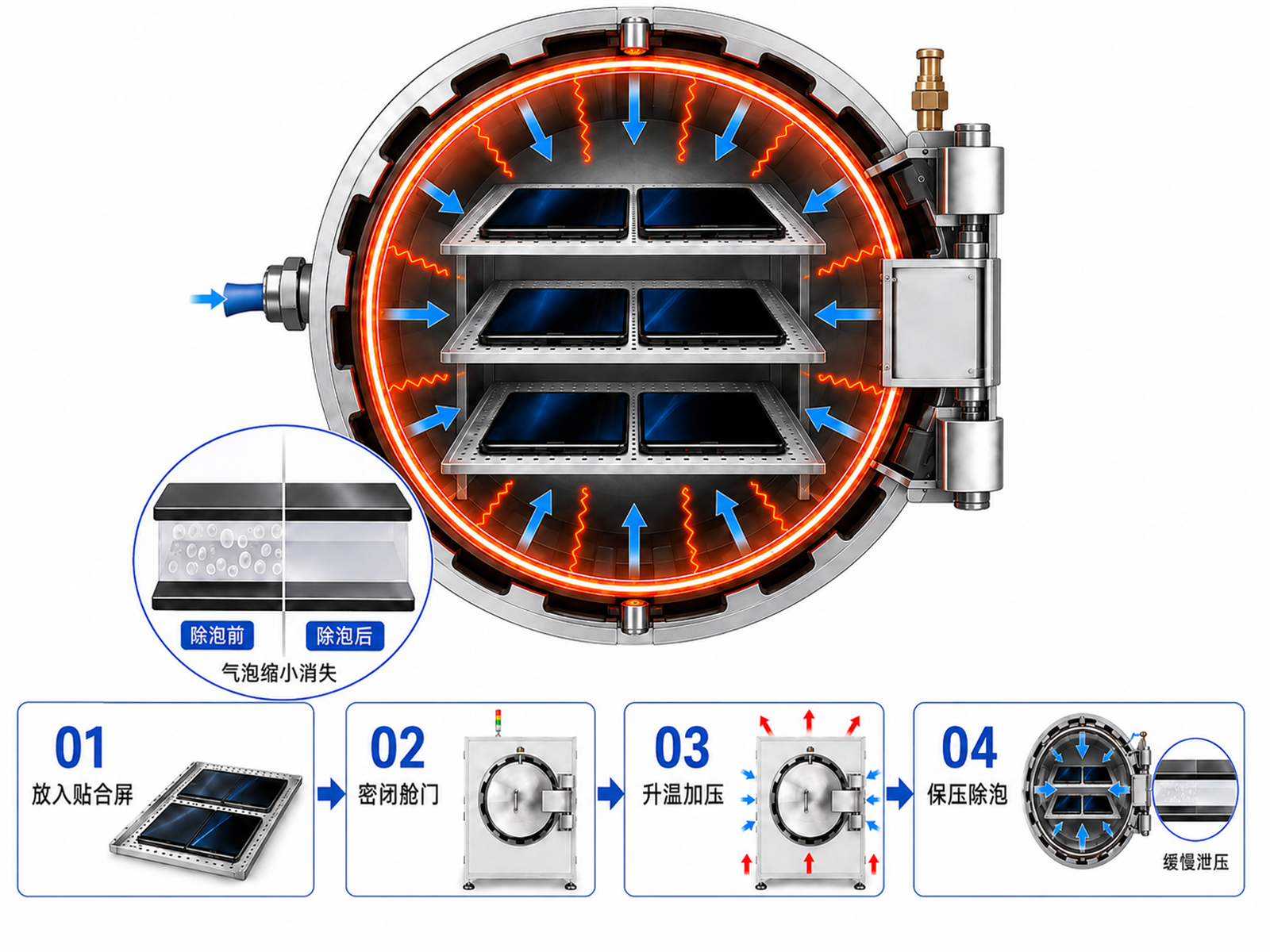 |
Technical Specifications
Complete Technical Specifications Overview, Customizable on Demand
| Equipment Model | SIE‑RX4‑600 |
| Working Chamber Size | φ400×600mm (Cylindrical) |
| Effective Volume | Approx. 75L |
| Working Pressure | 0~0.8MPa (Standard), 0~2.5MPa (Optional) |
| Working Temperature | Ambient ~80℃ (Standard), Ambient ~180℃ (Optional) |
| Heating Method | Resistive Heating |
| Working Modes | A. Pressurize first then heat up B. Simultaneous heating and pressurization C. Heat up first then pressurize |
| Control Mode | Microcomputer Control |
| Vessel Material | S30408 Stainless Steel or Carbon Steel |
| Overall Dimension(W×D×H) | Approx. 700×900×1300mm (Subject to actual product) |
| Net Weight | 200 kg |
| Certifications | ISO9001, RoHS Compliance |
Our Partners
Trusted by leading industrial manufacturing clusters and advanced university laboratories worldwide
FAQ - Frequently Asked Questions
Answers to common questions about product performance and everyday process selection
-
What is the working principle of a centrifugal defoaming machine?
Principle of centrifugal defoaming machine: The bubbles are released by the downward principle of gravity.
-
How is the after-sales service?
The company has professional after-sales service personnel, 24-hour dedicated service, and one-on-one technical support to solve your worries.
-
Why choose SIENOX?
There are many reasons for choosing SIENOX, and the following are some of the main reasons:
1. Professionalism: Our team consists of a group of professional individuals with rich experience and knowledge in their respective fields. We not only understand industry trends and best practices, but also provide practical and feasible solutions.
2. Service quality: We focus on customer needs and satisfaction, and are always committed to providing high-quality services. We not only respond quickly to customer needs, but also provide customized services according to their requirements.
3. Reliability: We adhere to the principles of integrity and professionalism, always adhering to commitments and agreements. Our work methods and deliverables comply with industry standards and best practices, enabling our clients to trust us.
4. Innovation: We continuously explore new methods and tools to provide better services and meet customer needs. We encourage innovation and experimentation, and are willing to accept challenges and change.
5. Cost effectiveness: We provide cost-effective services that not only help customers save costs, but also improve efficiency and productivity. We always prioritize the interests of our customers and provide them with the best solutions.
6. Teamwork: We believe in the power and value of teamwork, and our team members support, collaborate, and respect each other. We establish close cooperative relationships with customers, partners, and other stakeholders to achieve common goals.
The above are just some of the reasons for choosing us. We believe there are many other advantages and values that can be provided to customers. If you are looking for a professional, reliable, and high-quality service provider, we look forward to working with you.
-
How does the stirring and defoaming machine work?
The SIENOX stirring and defoaming machine performs defoaming through centrifugal force at revolution and stirring through shear force formed by revolution and rotation,
Assisted by a vacuum pump to extract gas and achieve a vacuum state, removing nanoscale tiny bubbles. No contact with materials, no secondary pollution, and no secondary waste.
-
What is the function of a defoaming machine?
A defoaming machine is a device used to remove bubbles from liquids. Its function is to assist in the liquid mixing, reaction, coating, printing, infusion and other process steps in the production process, avoiding the generation of bubbles and their impact on the final product. In many industrial and laboratory environments, removing bubbles is essential as they may have a negative impact on product quality, such as affecting surface tension and stability. Defoaming machines typically use various techniques such as vibration, ultrasound, centrifugation, etc. to achieve effective bubble removal. It has a wide range of applications, including but not limited to semiconductors, solar energy, optics, biotechnology, materials science, etc.
Multi‑Model Specification Comparison Table
Compare Models in the Same Series for Accurate Selection
| Equipment Model | SIE‑RX4‑600 | SIE‑RX6‑900 | SIE‑RX8‑1200 |
| Working Chamber Size | φ400×600mm | φ600×900mm | φ800×1200mm |
| Effective Volume | 75L | 255L | 600L |
| Pressure Range | 0~2.5MPa(Optional) | 0~2.5MPa(Optional) | 0~2.5MPa(Optional) |
| Temperature Range | Ambient ~180℃(Optional) | Ambient ~180℃(Optional) | Ambient ~180℃(Optional) |
| Pressure Accuracy | ±0.01MPa | ±0.01MPa | ±0.01MPa |
| Temperature Control Accuracy | ±1.0℃ | ±1.0℃ | ±1.0℃ |
| Power Supply | 220V, 50/60Hz (110V US‑JP standard customizable) | 220V, 50/60Hz (110V US‑JP standard customizable) | 220V, 50/60Hz (110V US‑JP standard customizable) |
| Overall Dimension(W×D×H) | 510 × 430 × 500 mm | 610 × 560 × 780 mm | 610 × 560 × 780 mm |
| Net Weight | 95 kg | 153 kg | 163 kg |
***The above are typical models only. Customized solutions are available according to customer requirements.
Multi‑Industry Solutions
Covering stirring and debubbling applications of typical materials across six major industries
LCD Polarizer LaminationSmall‑size polarizer OCA optical adhesive, lamination adhesive for LCD glass substrate |
Electronic Component EncapsulationComponent encapsulant, chip potting adhesive |
Medical DevicesMedical bonding adhesive, medical device lamination adhesive |
LED EncapsulationLED encapsulant, phosphor paste |
Fine ChemicalsFine chemical materials, nano‑powders |
New Energy MaterialsR&D samples of new energy materials, small‑lot battery slurry |


Comprehensive Equipment Operation Demo Videos
Gain intuitive, clear, dynamic insight into synchronous defoaming with planetary centrifugal force and high negative pressure.
Actual‑test Performance Demonstration
Measured Processing Results for Six Typical Materials
Slurry + Powder |
Adhesive |
Hydrogen‑energy Materials |
Adhesive |
Substrate + Filler |
Adhesive + Ceramic Powder |
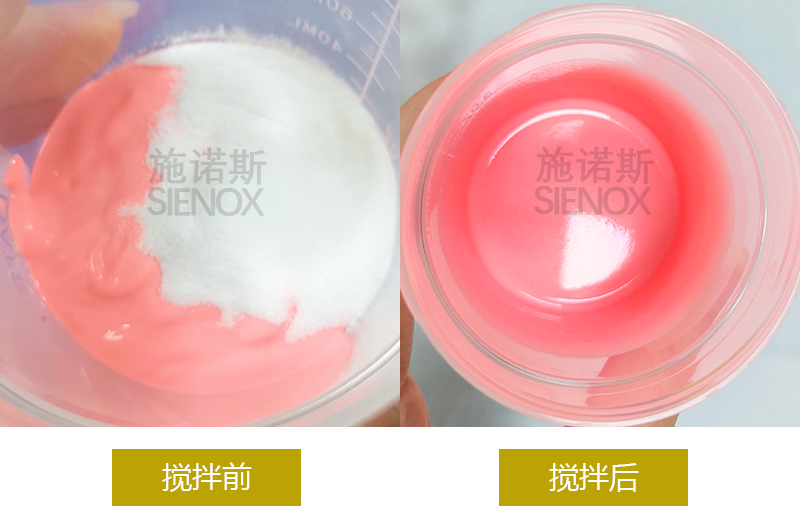
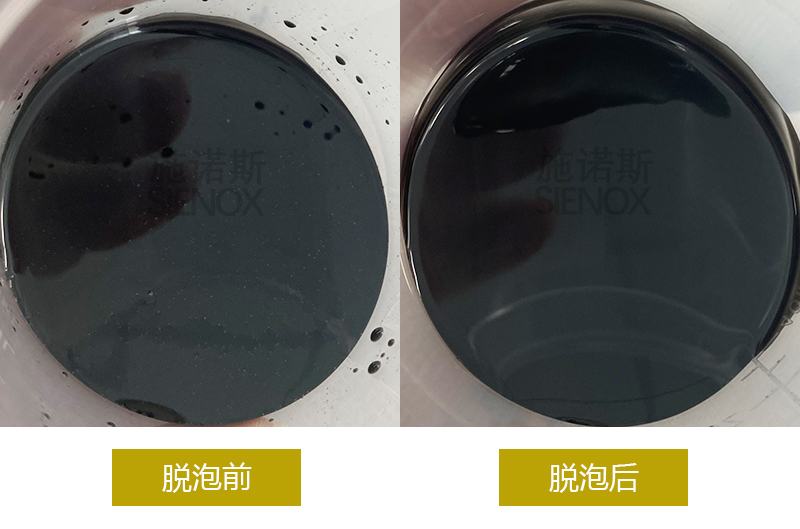
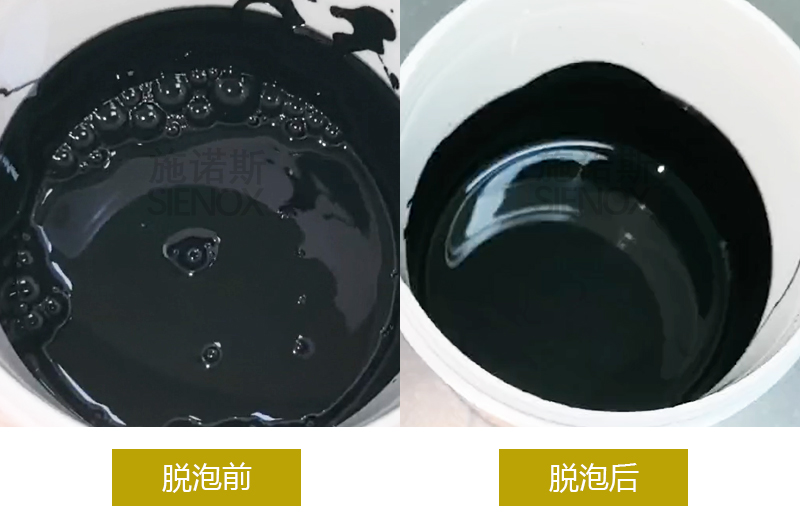
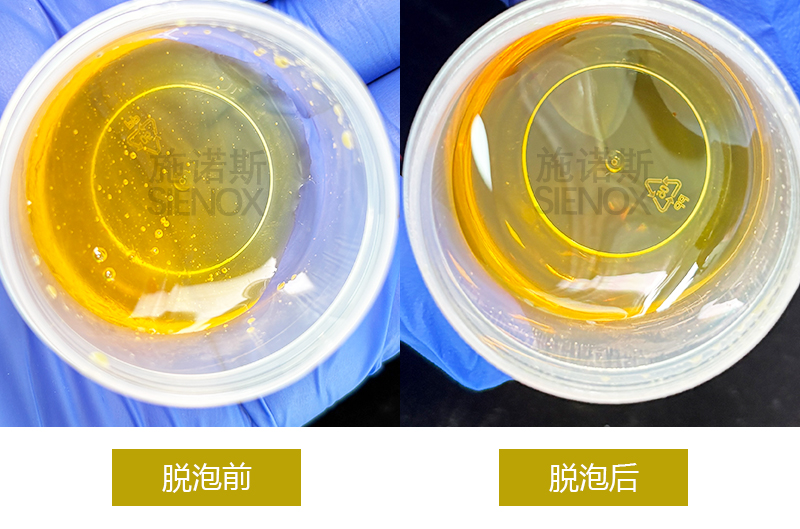
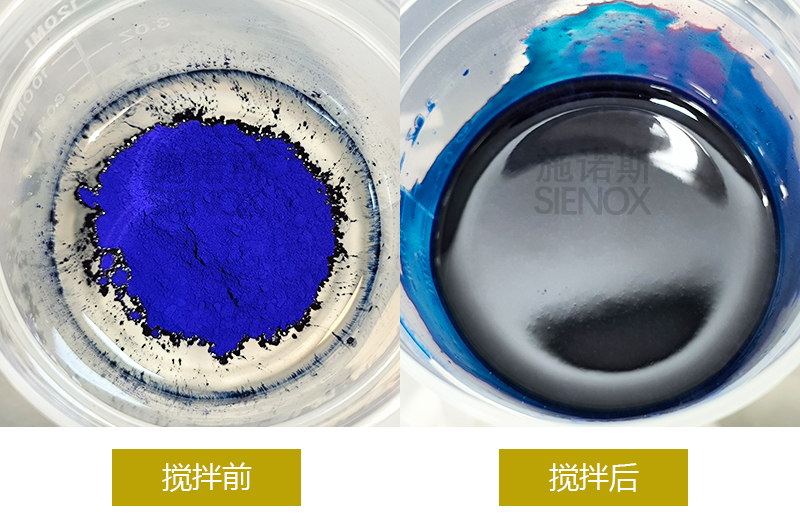
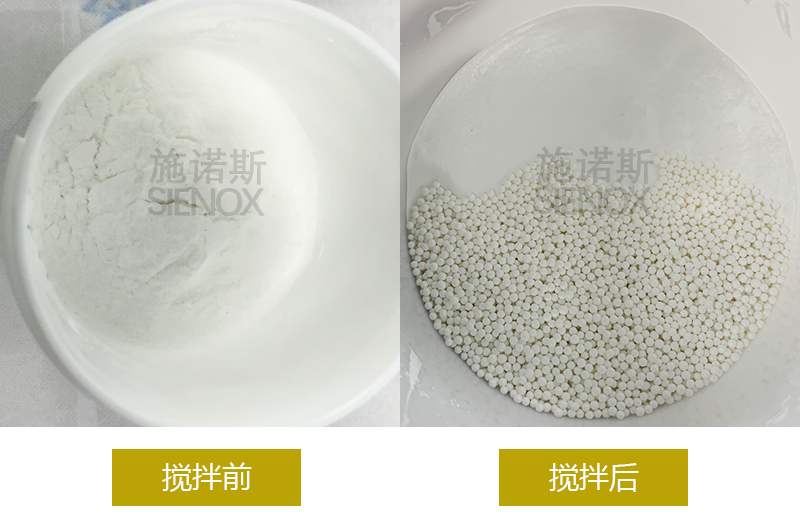
Actual‑test Effect Comparison
Comparison of Material Status Before and After Pressurized Debubbling
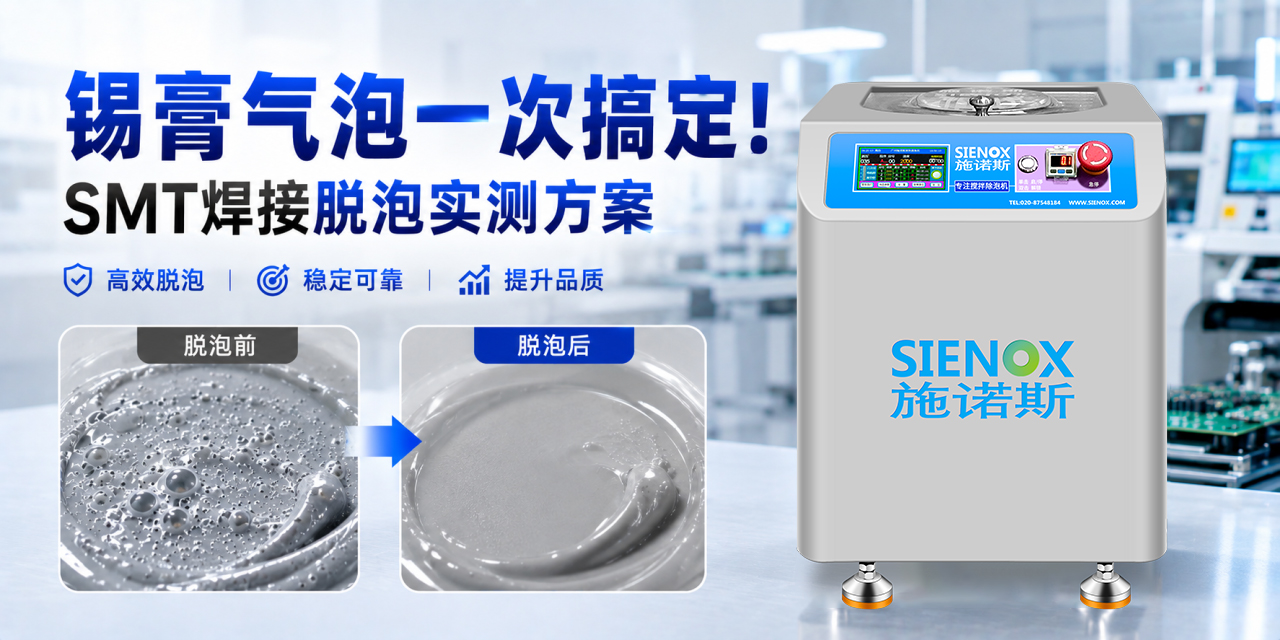
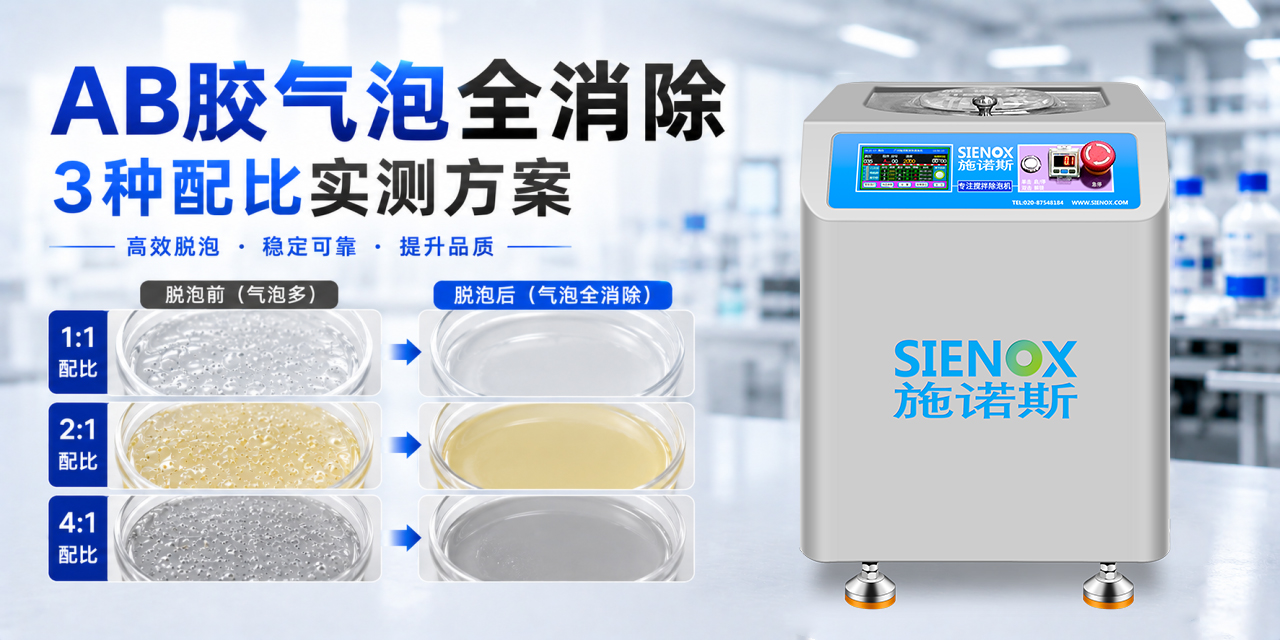
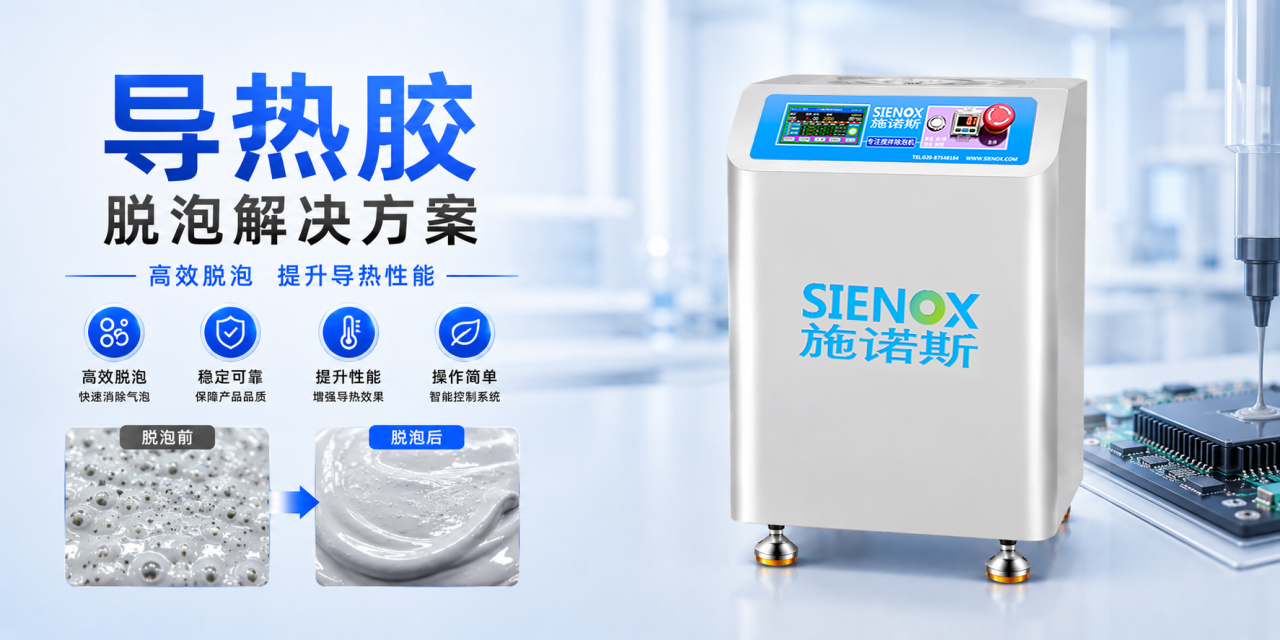
| Material Type | Pre‑treatment Status | After RX4‑600 Treatment |
| Polarizer OCA Optical Adhesive | Numerous bubbles inside adhesive, uneven light transmission and mottling after lamination | Transparent bubble‑free adhesive with uniform light transmission after lamination |
| Component Encapsulant | Dense bubbles inside adhesive, voids formed in encapsulation layer after curing | Dense void‑free adhesive for complete and reliable encapsulation layer |
| Medical Bonding Adhesive | Internal bubbles, bonding‑surface defects impairing biocompatibility | Dense adhesive with intact bonding surface and qualified biocompatibility |
* Internal laboratory test data. Actual improvement varies with material formulation. Contact sales for real‑world customer cases.
Customer Delivery & Application Cases
Rooted in manufacturing frontlines, empowering benchmark production lines and key national research institutions across diverse industries.