


Other Adhesive

TEL:18925129293


Thermal conductive glue defoaming solution
date:2026-09-11author:小施Thermal Conductive Adhesive Degassing Solution
From material properties to process parameters, one-stop solution for bubble issues of thermal conductive adhesives
Thermal Conductive Adhesive is a functional adhesive material using polymer matrix (silicone, epoxy resin, polyurethane, acrylic, etc.) filled with high proportion of thermal conductive powders (alumina, aluminum nitride, boron nitride, etc.). Its core function is to build efficient heat conduction path between electronic components and heat sinks, while providing mechanical bonding, electrical insulation and environmental protection. Due to high filler loading and high viscosity, thermal conductive adhesives easily entrap air bubbles during mixing, filling and coating. Residual bubbles will seriously weaken thermal conductivity and bonding reliability. Sinos provides complete degassing solutions covering materials and processes for various thermal conductive adhesives via self-developed planetary mixing & degassing technology.
◆ Material Properties
Common Matrix Types Silicone, Epoxy Resin, Polyurethane, Acrylic | Thermal Fillers Alumina (Al₂O₃), Aluminum Nitride (AlN), Boron Nitride (BN) | Filler Content 60%~85% (by weight) |
Thermal Conductivity Range 0.8~5.0 W/(m·K) | Typical Viscosity Range 500~50,000 cps | Typical Application Scenarios LED, Power Modules, Power Batteries, 5G Base Stations, Automotive Electronics |
◆ Mature Application Fields
Thermal conductive adhesives are widely adopted in core heat dissipation scenarios of electronics, electrical and new energy industries. Below are main application fields and typical working conditions:
💡 LED Thermal Management Thermal bonding between LED chips and aluminum substrates/heat sinks. Thermal silicone commonly used, viscosity 1,000~5,000 cps, thermal conductivity 1.0~3.0 W/(m·K) | 🔋 Power Battery Thermal Management Thermal structural bonding between cells and cold plates/modules. Thermal gel or silicone commonly used, viscosity 5,000~30,000 cps, high thermal conductivity & flame retardancy required | 📡 5G Base Station & Communication Equipment Thermal filling for power amplifier modules, RF chips and heat sinks. Thermal silicone/gel, thermal conductivity ≥2.0 W/(m·K), low thermal resistance required |
🖥️ Consumer Electronics Heat Dissipation Thermal interface filling for mobile SOC, tablet chips and laptop CPUs. Low-viscosity thermal silicone, viscosity 500~3,000 cps, ultra-thin coating required | ⚡ Power Modules & Power Semiconductors Thermal potting and bonding for IGBT modules, MOSFETs and power adapters. Thermal epoxy potting adhesive, viscosity 8,000~20,000 cps, high insulation requirement | ☀️ PV Inverters Thermal bonding & potting for power modules and heat sinks of inverters. Thermal silicone/epoxy adhesive, high temperature resistance, UV resistance and long-term reliability required |
🚗 Automotive Electronics Thermal potting for ECU units, on-board sensors and OBC chargers. Thermal gel or silicone, AEC-Q automotive qualification required | 🏭 Industrial Control & Frequency Converters Thermal filling for PLC modules and power devices of frequency converters. Thermal silicone/gel, long-term high-temperature aging resistance & vibration resistance required | 🔌 Energy Storage Systems Thermal structural bonding and potting for battery packs and PCS converters. Thermal gel/epoxy adhesive, flame retardancy, high thermal conductivity and long service life required |
◆ Core Issues Caused by Bubbles
📉 Degraded Thermal Performance Air bubble thermal conductivity is only ~0.025 W/(m·K), far lower than adhesive matrix. Test data shows each 1% rise in void ratio reduces overall thermal performance by 0.8~1.2 W/(m·K). | 🔌 Electrical Insulation Failure Bubbles form partial discharge channels, lowering volume resistivity and dielectric strength, creating breakdown risks under high voltage and affecting product safety certification. |
💔 Reduced Bonding Strength Bubbles create internal stress concentration points and void defects, weakening interfacial bonding strength and triggering delamination & cracking during thermal cycling. | ⏱️ Uneven Filler Sedimentation High-specific-gravity thermal fillers settle naturally during static storage, leading to inconsistent filler distribution between upper and lower layers, fluctuating thermal conductivity and poor batch consistency. |
◆ Recommended Process — Planetary Mixing & Degassing
Planetary mixing & degassing is the core process to eliminate bubbles in thermal conductive adhesives. Through rotation + revolution planetary motion, efficient mixing and degassing are realized without damaging filler structure.
Step 1 Pre-mixing Fully mix component A for 5~10 min to eliminate filler sedimentation. Weigh A/B components by weight with error ≤±1% | Step 2 Cup Loading & Parameter Setting Select rotating speed based on viscosity (low viscosity:1500~2000rpm, medium viscosity:2000~2500rpm, high viscosity:1500~2000rpm) |
Step 3 Mixing & Degassing Rotation and revolution run synchronously. Vacuum assistance (-95KPa) can be applied for medium & high viscosity materials to boost efficiency | Step 4 Discharging & Potting Use adhesive immediately after degassing, inject slowly along wall. For complex cavities, segmented potting + secondary degassing is recommended |
◆ Recommended Equipment
MIX60 for low-viscosity thermal conductive adhesive; viscosity ≤5,000 cps • Laboratory & small batch scenarios • Rotation+revolution planetary motion • Easy operation & quick cleaning • Vacuum module optional
MIX90 for medium-viscosity thermal conductive adhesive; universal model covering mainstream thermal adhesives • Balanced mixing & degassing efficiency • Optional vacuum (-95KPa) • Suitable for small & medium batch production lines
MIX1000PLUS for high viscosity & high throughput; viscosity 15,000~50,000 cps • Production-grade planetary mixer-deaerator • Large capacity & outstanding efficiency • Industrial continuous operation • Vacuum module as standard
MIX2000 for mass production; high capacity demand • Large-volume industrial degassing machine • Stable operation & simple maintenance • Suitable for long continuous operation • Vacuum module as standard
◆ Test Cases
Below are measured degassing cases for thermal conductive adhesives of different viscosity grades, verifying the applicability of planetary mixing degassing process in various thermal adhesive scenarios.
▶ Case 1: Low-viscosity Thermal Silicone
Item | Parameter |
Test Material | One-component thermal silicone (silicone matrix, alumina filler) |
Viscosity | Approx. 3,000 cps |
Test Model | MIX60 |
Vacuum Degree | -95 KPa |
Rotation Speed | 2,000 rpm |
Duration | 3 min |
Temperature | Ambient (25℃) |
✅ Degassing Result: Bubbles fully removed, adhesive becomes uniform and dense with consistent filler distribution and restored good fluidity. Ready for potting or coating process.
▶ Case 2: Medium-viscosity Thermal Epoxy Potting Adhesive
Item | Parameter |
Test Material | Two-component thermal epoxy potting adhesive (A/B=5:1, composite filler of alumina + aluminum nitride) |
Viscosity | Approx. 10,000 cps after mixing |
Test Model | MIX90 |
Vacuum Degree | -95 KPa |
Rotation Speed | 2,000 rpm |
Duration | 5 min |
Temperature | Ambient (25℃) |
✅ Degassing Result: Bubbles completely eliminated with smooth liquid surface. A/B components mixed homogeneously without streaks or color difference. Fillers dispersed evenly without sedimentation or delamination. Cured adhesive is dense and void-free with stable thermal conductivity.
▶ Case 3: High-viscosity Thermal Gel
Item | Parameter |
Test Material | High thermal conductivity gel (silicone matrix, highly filled spherical alumina, thermal conductivity ≥3.0 W/(m·K)) |
Viscosity | Approx. 35,000 cps |
Test Model | MIX1000PLUS |
Vacuum Degree | -95 KPa |
Rotation Speed | 1,800 rpm |
Duration | 8 min |
Temperature | Ambient (25℃) |
✅ Degassing Result: Bubble removal rate>98% for high-viscosity paste, adhesive returns to dense & uniform state. Consistent filler distribution, no agglomeration or delamination. Smooth surface after coating without bubble traces, thermal conductivity meets specification.
◆ Comparison Before & After Improvement
Comparison Item | Before Degassing | After Degassing |
Thermal Performance | Bubbles lead to significant drop of thermal conductivity | Stable thermal conductivity, reduced thermal resistance |
Filler Distribution | Filler sedimentation & agglomeration, uneven distribution | Fillers uniformly dispersed, no agglomeration or delamination |
Bonding Reliability | Bubbles cause stress concentration, prone to delamination and cracking | Dense adhesive matrix, greatly improved bonding strength |
Electrical Insulation | Bubbles form discharge channels with breakdown risk | Restored dielectric strength and reliable insulation performance |
Batch Consistency | Unstable effect with large batch-to-batch difference in conventional methods | Reproducible parameters, excellent batch consistency |
Product Service Life | Bubbles and agglomeration trigger local overheating and accelerated aging | Uniform heat dissipation, extended product lifespan |
🎯 Free Sampling Test
Send your thermal conductive adhesive samples. We will test degassing parameters and issue test reports.
Related recommendations
Liquid Materials

Adhesive materials

Thermal conductive glue defoaming solution
High‑viscosity Adhesive Defoaming Solution
Perhaps you still need....
行星式真空脱泡搅拌机 SIE-MIX1000plus
实验室行星式搅拌脱泡机 SIE-SV200
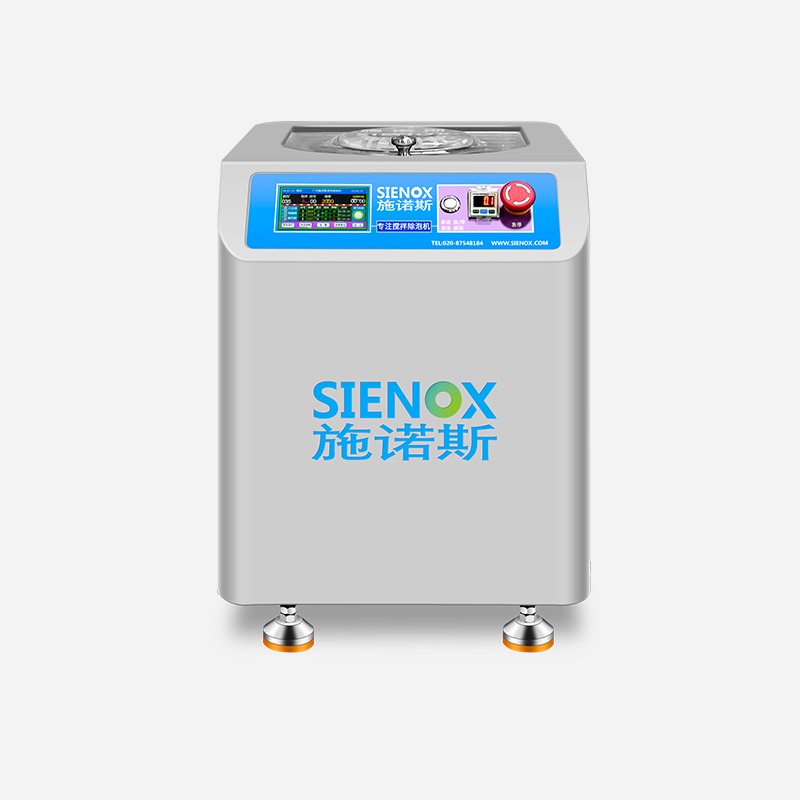
SIENOX行星式脱泡搅拌机 SIE-CV300
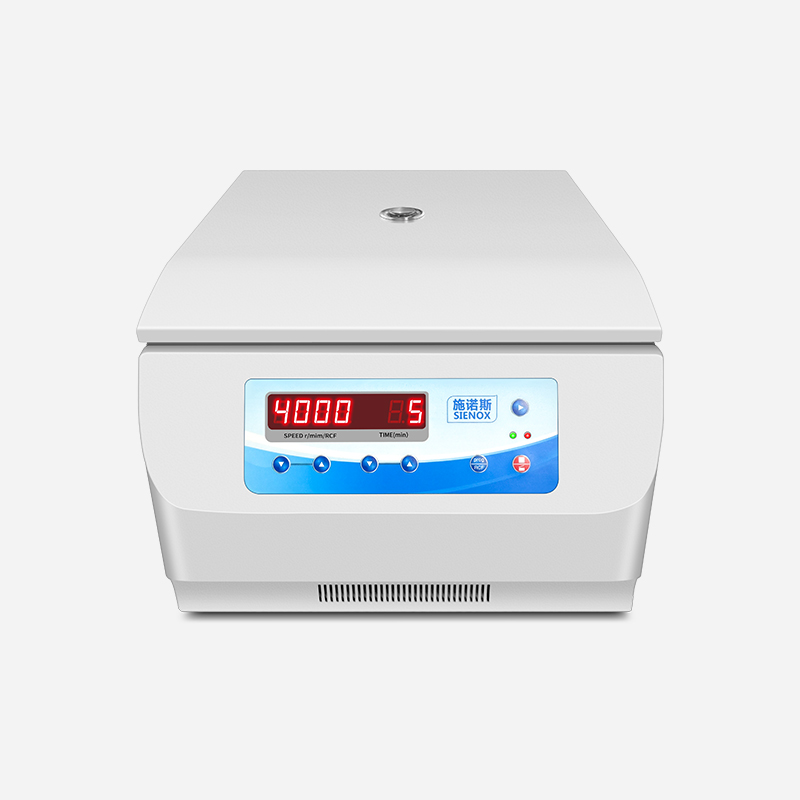
离心脱泡机 SIE-C006
About SIENOX
广州施诺斯(SIENOX),20年脱泡机设备研发与生产的源头厂家
超过1800种材料脱泡案例
纳米级脱泡,满足不同材料多段搅拌除泡需要,支持定制
资质齐全,荣获多项国家专利,联系我们可免费试样