


Other Adhesive
TEL:18925129293


Liquid Materials
date:2023-03-19author:SIENOXSIENOX Liquid Material Solutions
Working Condition Requirements: Fully and evenly mix two‑component liquids (Agent A + Agent B, resin + curing agent, main agent + additives, etc.) and remove bubbles generated during stirring. The mixed liquid shall be uniform and fine without residual bubbles. No flow break‑off or partial uncured areas shall occur during coating / pouring, and the cured surface shall be smooth and defect‑free.
Comparison Before and After Improvement
Before Improvement: A well‑known chemical enterprise originally adopted traditional mechanical stirring plus static defoaming process with the following problems:
Traditional stirring paddles deliver low efficiency for two‑component liquid mixing. Uneven mixing of A/B liquids leads to partial uncured regions after curing.
Static liquid defoaming takes long time (1‑4 hours), which seriously slows down production rhythm and affects delivery efficiency.
Stirring paddles are difficult to clean. Large amounts of solvent are required for flushing when switching formulas, resulting in waste and cross‑contamination.
Stubborn micro‑bubbles in liquids cannot be removed effectively. Defects such as pinholes, air bubbles and partial uncured areas frequently occur during coating / pouring.
Bulky equipment occupies large floor space, and operation relies heavily on operator experience.
Solutions: According to the actual requirements of this chemical enterprise, SIENOX provides planetary vacuum stirring‑defoaming machine and supporting solutions:
Planetary dual‑track stirring: Combined revolution and rotation realize three‑dimensional mixing of two‑component liquids under centrifugal force field. Uniform dispersion can be achieved without stirring paddles, with excellent consistency for A/B liquid mixing.
Integrated vacuum defoaming: The vacuum system starts synchronously during stirring. Bubbles expand and rupture under negative pressure. Mixing and defoaming are completed in one process within only 2‑10 minutes, replacing traditional 1‑4‑hour static defoaming.
Non‑contact design: No stirring paddle required. Only clean the outer wall of containers or replace containers when switching colors or formulas, avoiding cross‑contamination and reducing solvent consumption.
PLC multi‑segment program control: Multiple groups of stirring parameters (speed, time, vacuum degree) can be stored. One‑click call of exclusive process programs for different liquid formulas lowers reliance on operator experience.
Advantages of Stirring‑Defoaming Machine
Paddle‑free design: Avoid cross‑contamination, easy cleaning for color and formula switching, and save solvent consumption.
Adjustable rotating speed: Wide speed range from 0‑2000rpm, compatible with various systems from low‑viscosity solvent‑based coatings to high‑viscosity pasty materials.
High vacuum defoaming efficiency: Nanoscale defoaming to effectively remove stubborn micro‑bubbles, improve liquid stability and deliver smoother surface after film‑forming.
Full‑range processing capacity: From lab‑scale 300mL to mass‑production 1000mL×2 dual‑cup parallel processing, meeting full‑process demands from formula R&D to mass production.
Customizable functions: Optional temperature control module, light‑proof function, MES system docking and more to satisfy diverse liquid process requirements.
Complete after‑sales service: Professional technicians provide on‑site installation & commissioning and process parameter optimization guidance for worry‑free operation.
Sample Provider: Shanghai * Chemical Co., Ltd.
Test Conditions
Item | Parameter |
Test Model | SIE‑MIX90 |
Test Material | Two‑component liquid materials |
Test Rotation Speed | 1600rpm |
Test Time | 2 min |
Vacuum Degree | -95KPa |
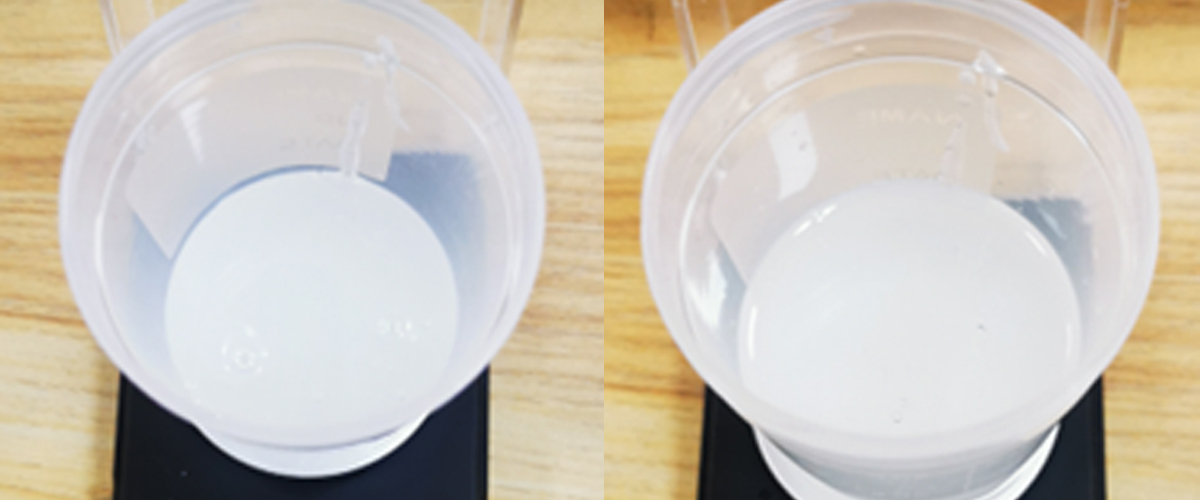
Effect Comparison Before and After Stirring
Comparison Item | Before Stirring & Defoaming | After Stirring & Defoaming |
Appearance | Obvious bubbles visible on liquid surface with uneven texture | Smooth and fine liquid surface, bubble‑free |
Component Mixing | A/B liquid delamination, uneven mixing | Uniform and consistent color, two‑components fully integrated |
Coating / Pouring Performance | Defects such as pinholes, air bubbles and partial uncured areas occur | Smooth coating, no pinholes or air bubbles |
Curing Performance | Surface pores after curing, partial uncured areas | Smooth surface after curing with overall uniform curing |
Stability | Delamination occurs after standing | Uniform and stable, no obvious delamination after long‑term storage |
Mature Application Fields
Water‑based Coatings (architectural coatings / industrial coatings / wood lacquers)
Solvent‑based Coatings (automotive paints / anti‑corrosive paints / marine paints)
UV‑curable Coatings (furniture paints / floor paints / electronic product coatings)
Water‑based Inks (flexographic / gravure / screen printing)
Solvent‑based Inks (gravure printing / flexographic printing)
UV‑curable Inks (offset / screen / ink‑jet printing)
Epoxy Resin (potting / casting / coating)
Polyurethane Resin (elastomers / coatings / adhesives)
Acrylic Emulsion (coatings / adhesives / textile coatings)
Silicone Oil / Silicone Resin (lubrication / mold release / cosmetics)
Electronic Chemicals (photoresist / developer / cleaning agent)
Cosmetic Raw Materials (emulsions / creams / essences)
***SIENOX has more than 1800 material stirring‑defoaming cases, free sample testing and trial machine test available
Related recommendations
Liquid Materials

Adhesive materials

Thermal conductive glue defoaming solution
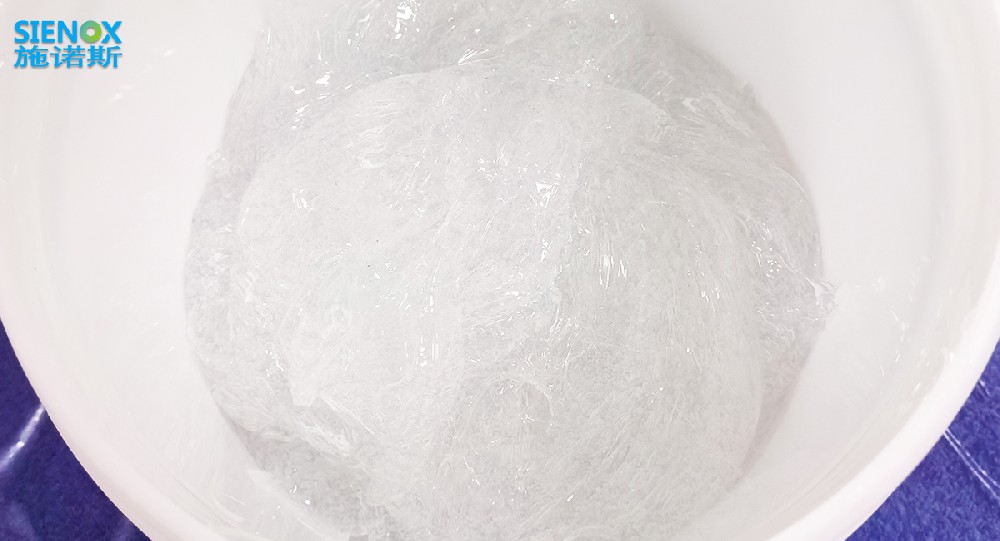
High‑viscosity Adhesive Defoaming Solution
Perhaps you still need....
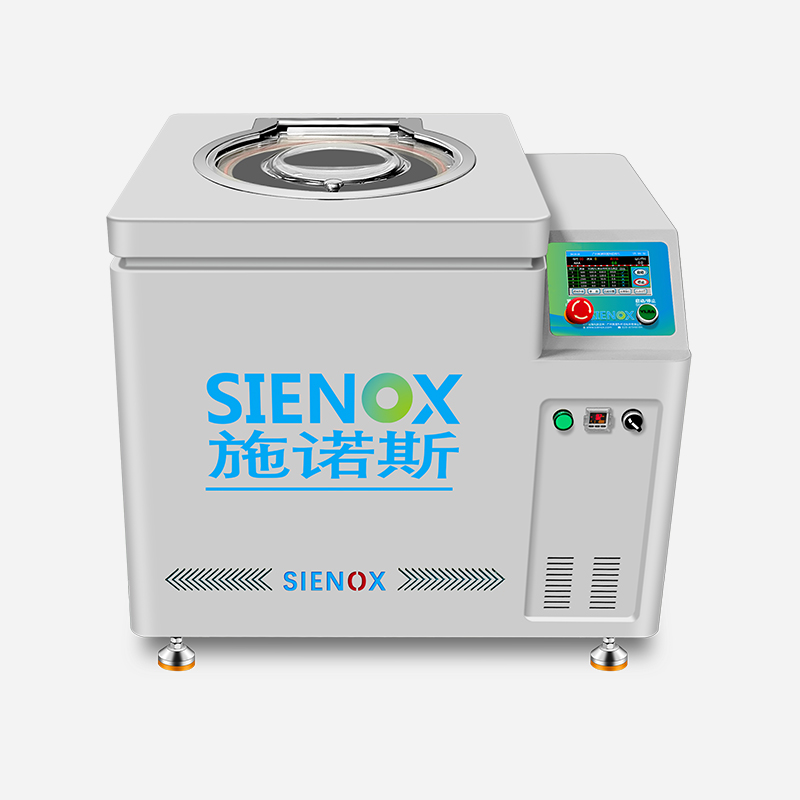
行星式真空脱泡搅拌机 SIE-MIX1000plus
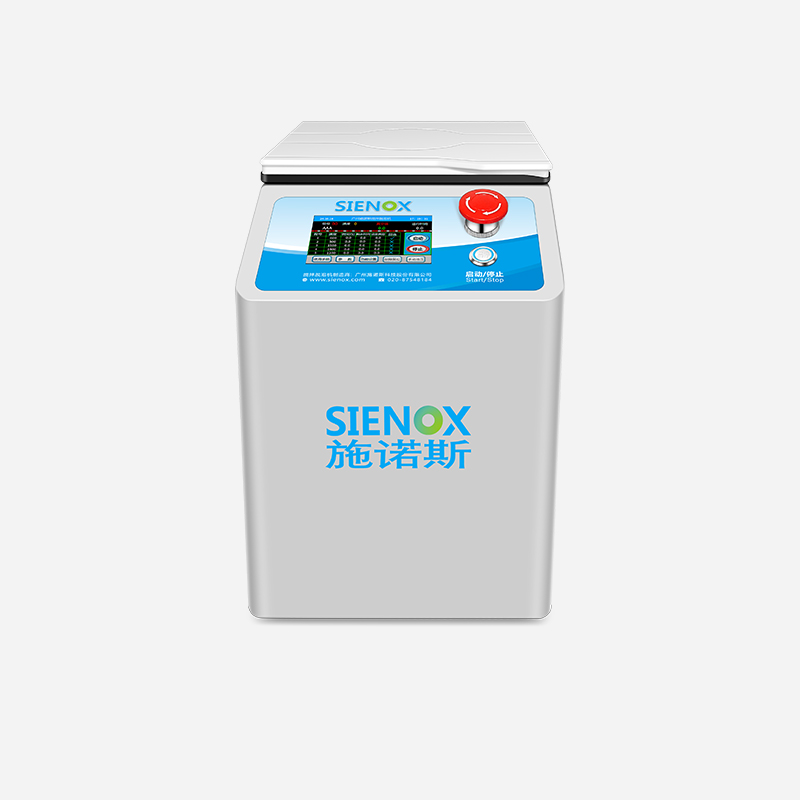
实验室行星式搅拌脱泡机 SIE-SV200
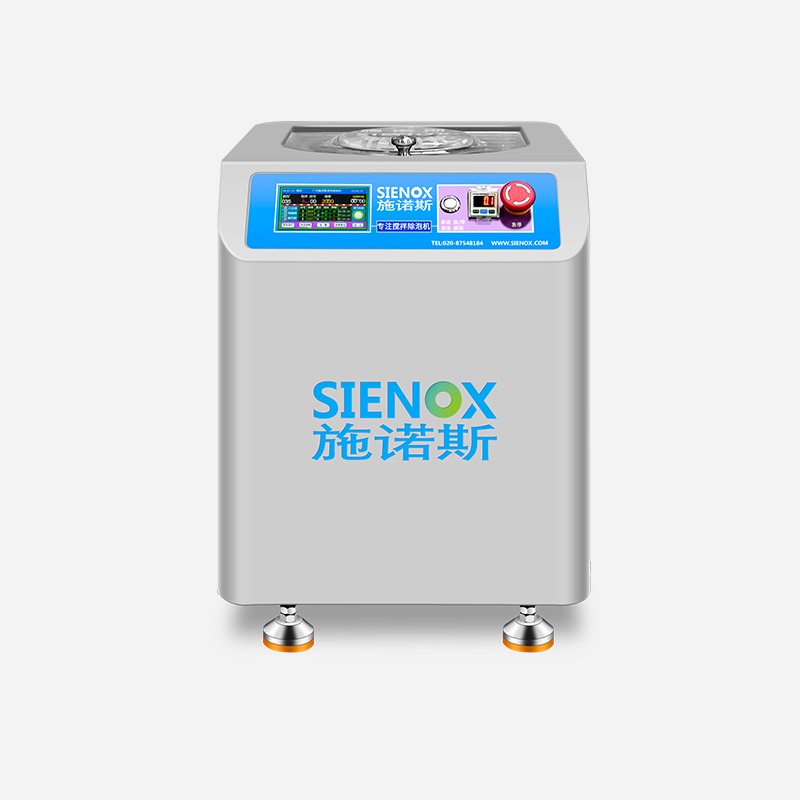
SIENOX行星式脱泡搅拌机 SIE-CV300
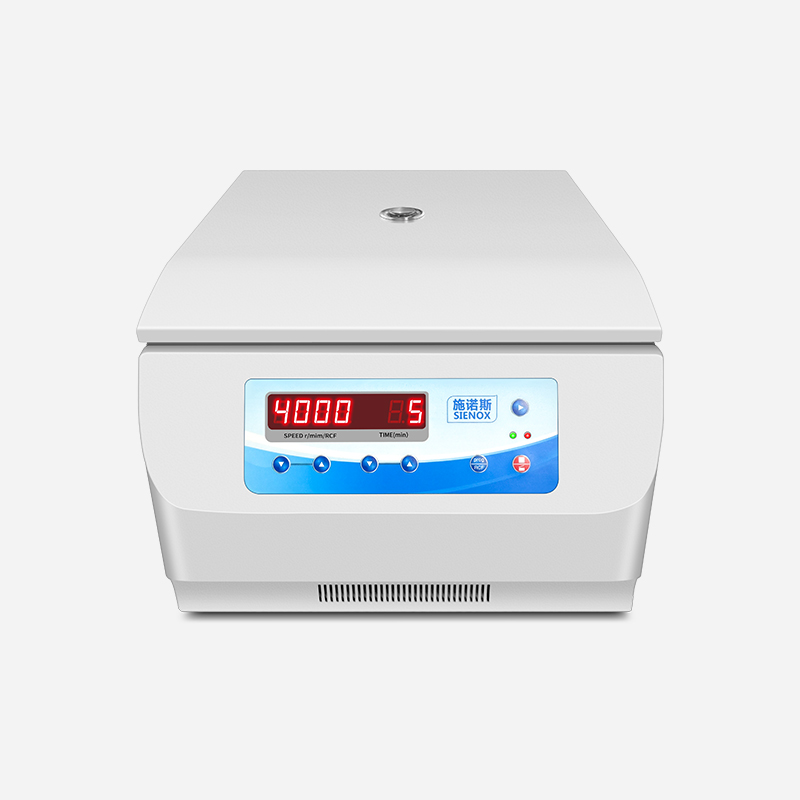
离心脱泡机 SIE-C006
About SIENOX
广州施诺斯(SIENOX),20年脱泡机设备研发与生产的源头厂家
超过1800种材料脱泡案例
纳米级脱泡,满足不同材料多段搅拌除泡需要,支持定制
资质齐全,荣获多项国家专利,联系我们可免费试样