


Other Adhesive

TEL:18925129293


High‑viscosity Adhesive Defoaming Solution
date:2026-09-03author:小施Working Condition Requirements
• Material Type: High‑viscosity adhesives (epoxy resin, AB glue, thermal‑conductive silicone, polyurethane glue, potting compounds, etc.)
• Initial State: High‑viscosity adhesives feature high viscosity and poor fluidity. Stubborn micro‑bubbles generated during mixing hardly escape naturally. Direct potting or dispensing easily causes hollowing and bubble defects, resulting in reduced bonding strength and uneven surface after curing.
• Processing Target: Uniformly remove stubborn micro‑bubbles inside high‑viscosity adhesives to achieve fine and consistent glue texture. Realize non‑interrupted dispensing and hollow‑free potting, with qualified bonding strength and defect‑free surface after curing.
Comparison Before and After Improvement
Before Improvement — Pain Points of Traditional Processes
Widely adopted in electronic potting, structural bonding, thermal conduction & heat dissipation and other fields, high‑viscosity adhesives directly determine product reliability. Nevertheless, poor fluidity of high‑viscosity systems makes bubble elimination difficult, and conventional processing methods face multiple challenges:
• Difficult removal of stubborn micro‑bubbles: Massive micro‑bubbles form during glue mixing. Due to high viscosity and poor fluidity, bubbles cannot float up and escape naturally, and large quantities still remain even after hours or days of static standing.
• Hollow defects in potting: Residual bubbles in potting compounds form cavities and voids after curing, degrading insulation performance and thermal conductivity of electronic components, and even triggering product failure in severe cases.
• Dispensing breakage & uneven glue lines: Bubbles lead to intermittent dispensing and irregular glue beads, impairing bonding strength and appearance quality.
• Low efficiency of traditional stirring: Mechanical paddle stirring delivers low efficiency. Fillers and curing agents inside high‑viscosity adhesives disperse poorly, bringing large batch‑to‑batch quality fluctuations.
• Difficult cleaning & cross‑contamination risk: Mixing paddles are hard to clean. Heavy solvent flushing is required for formula switching, causing material waste and cross‑contamination.
Solution
• Vacuum defoaming + planetary motion: Under vacuum environment, rotation‑revolution planetary motion generates powerful shear force and convection, gradually lifting and extracting stubborn micro‑bubbles from high‑viscosity adhesives for thorough defoaming, even for extremely high‑viscosity glues.
• Uniform dispersion without sedimentation: 360° dead‑zone‑free mixing via planetary motion redistributes resin, curing agents and fillers within a mild and uniform force field to avoid sedimentation and delamination.
• Improved potting & dispensing quality: Treated glue realizes hollow‑free potting and non‑break dispensing, delivering smooth flat surface and qualified bonding strength after curing.
• Paddle‑free design & easy cleaning: Contact‑free structure. Only outer container cleaning or container replacement is needed for formula change, preventing cross‑contamination and lowering solvent consumption.
Advantages of Stirring‑Defoaming Machine
• Efficient elimination of stubborn micro‑bubbles: Vacuum environment combined with planetary motion effectively removes stubborn micro‑bubbles from high‑viscosity adhesives, eliminating hidden troubles of potting hollowing and dispensing breakage.
• Uniform dispersion without sedimentation: Gentle and balanced rotation‑revolution planetary motion realizes non‑destructive dispersion for resin, curing agents and fillers while preserving original glue performance.
• Precisely adjustable parameters: Rotation speed, duration and vacuum degree are adjustable to optimize process parameters for glues of various viscosities and formulas.
• Enhanced potting & dispensing performance: Processed glue features fine uniform texture, hollow‑free potting and continuous dispensing, with smooth flat surface upon curing.
• Time‑saving & high‑efficiency: The whole stirring‑defoaming process finishes within minutes, replacing hours‑long static defoaming and greatly boosting production efficiency.
• Paddle‑free design & easy cleaning: Contact‑free structure. Only outer container cleaning or container replacement is required for formula switching to avoid cross‑contamination.
Test Conditions
Item | Parameter |
Model | SIE‑MIX90 |
Test Material | High‑viscosity adhesives (epoxy resin / AB glue / thermal‑conductive silicone, etc.) |
Test Rotation Speed | 1900 rpm |
Test Time | 5 min |
Vacuum Degree | ‑95KPa |

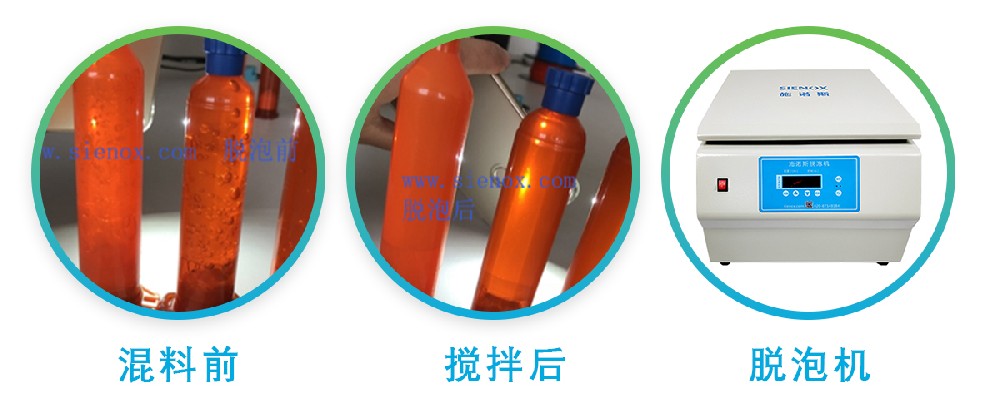
Effect Comparison Before and After Mixing
Comparison Dimension | Before Mixing | After Mixing |
Bubble Content | Plenty of stubborn micro‑bubbles with fine visible pores | Bubbles almost eliminated, dense and uniform glue texture |
Filler Dispersion | Filler sedimentation & delamination, uneven local concentration | Fillers evenly dispersed in matrix with high overall consistency |
Glue Appearance | Rough surface with pores and particle agglomerates | Smooth, fine and uniform texture |
Potting Performance | Hollowing and bubbles after potting, surface depression upon curing | Hollow‑free potting, smooth flat surface after curing |
Bonding Strength | Reduced bonding area and decreased strength caused by bubbles | Sufficient bonding area, qualified strength and improved reliability |
Mature Application Fields
✅ Electronic Potting
✅ Structural Bonding
✅ Thermal Conduction & Heat Dissipation
✅ Optical Bonding
✅ Automotive Electronics
✅ New‑energy Batteries
Related recommendations
Liquid Materials

Adhesive materials

Thermal conductive glue defoaming solution
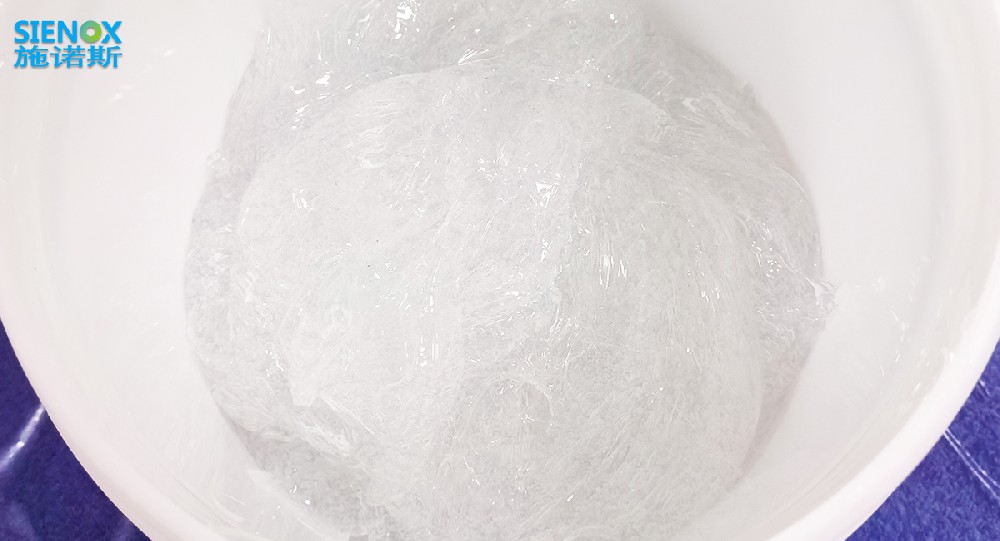
High‑viscosity Adhesive Defoaming Solution
Perhaps you still need....
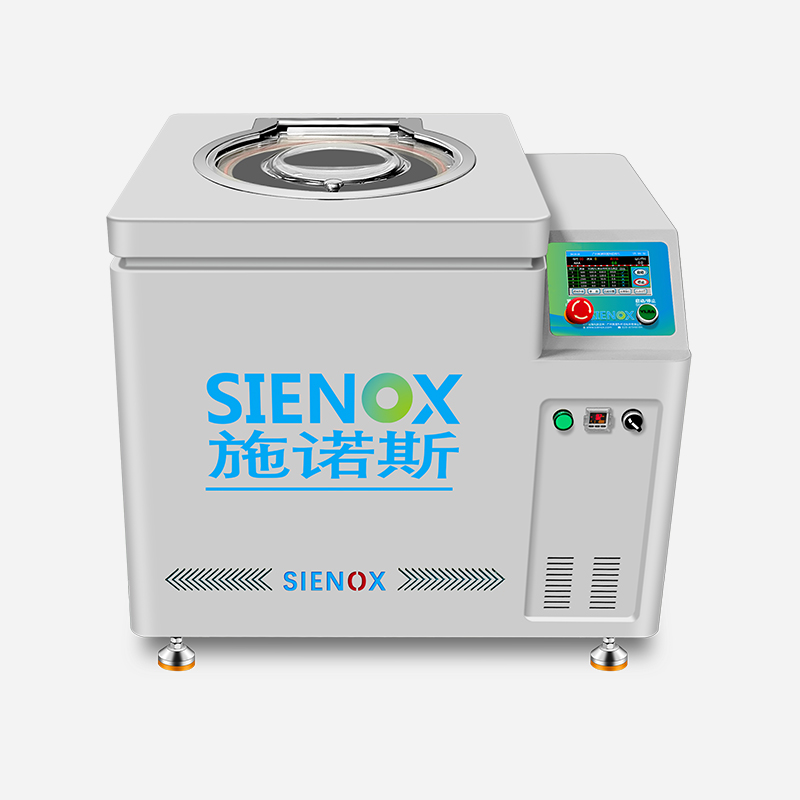
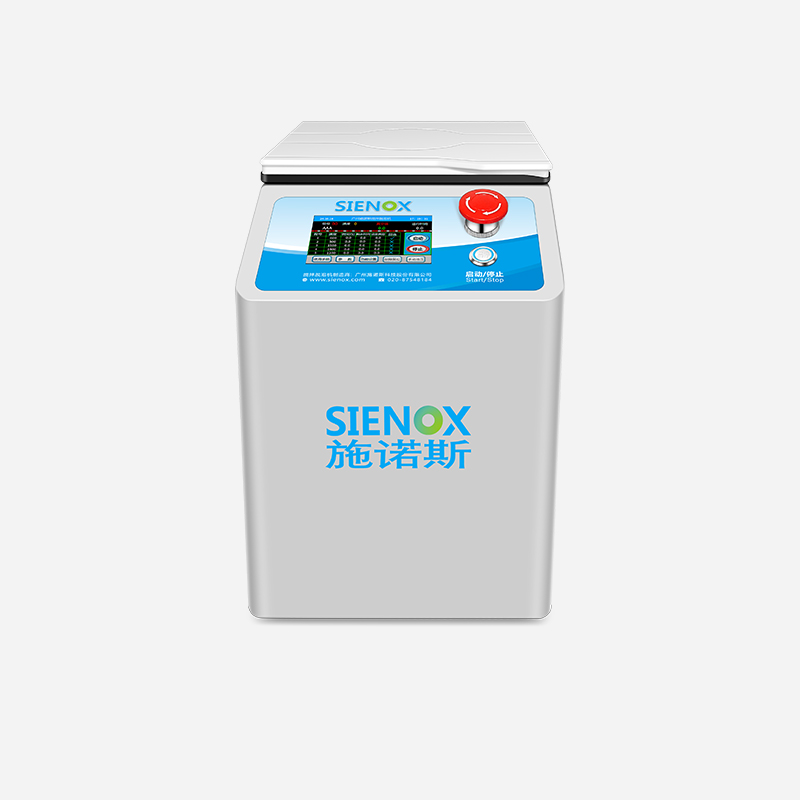
行星式真空脱泡搅拌机 SIE-MIX1000plus
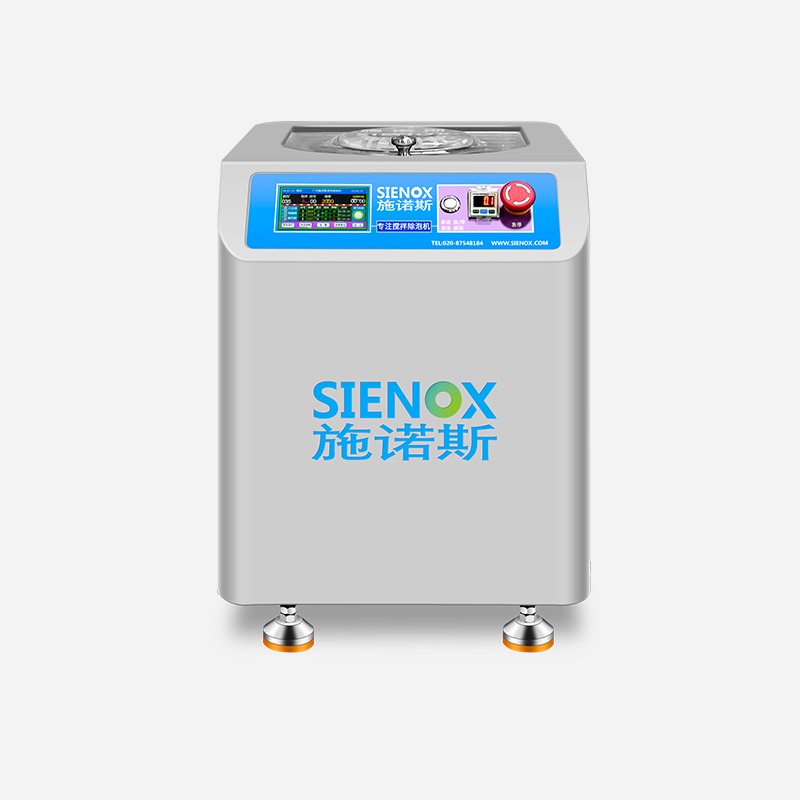
实验室行星式搅拌脱泡机 SIE-SV200
SIENOX行星式脱泡搅拌机 SIE-CV300
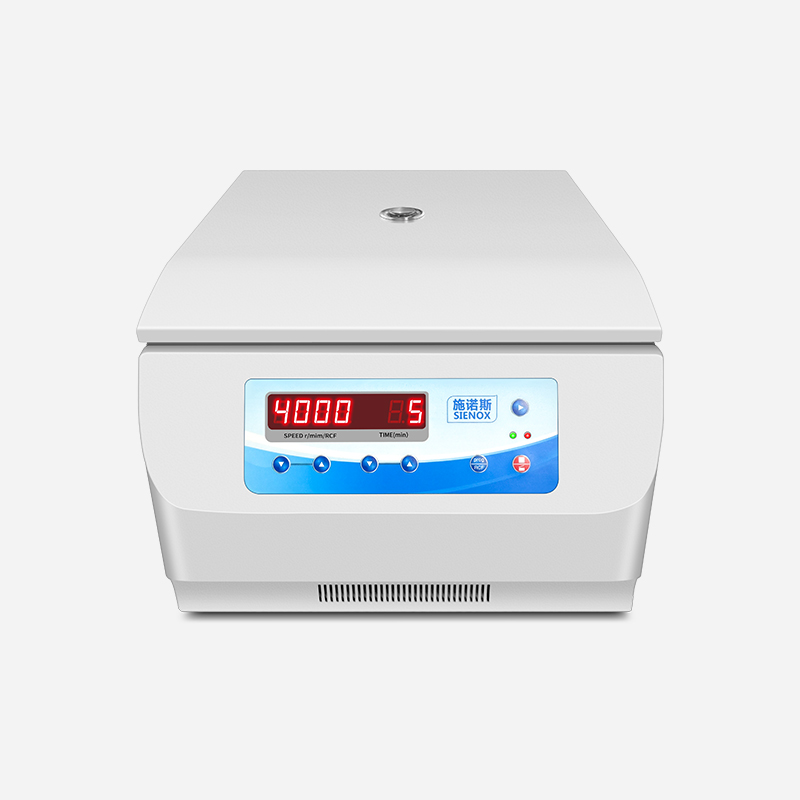
离心脱泡机 SIE-C006
About SIENOX
广州施诺斯(SIENOX),20年脱泡机设备研发与生产的源头厂家
超过1800种材料脱泡案例
纳米级脱泡,满足不同材料多段搅拌除泡需要,支持定制
资质齐全,荣获多项国家专利,联系我们可免费试样