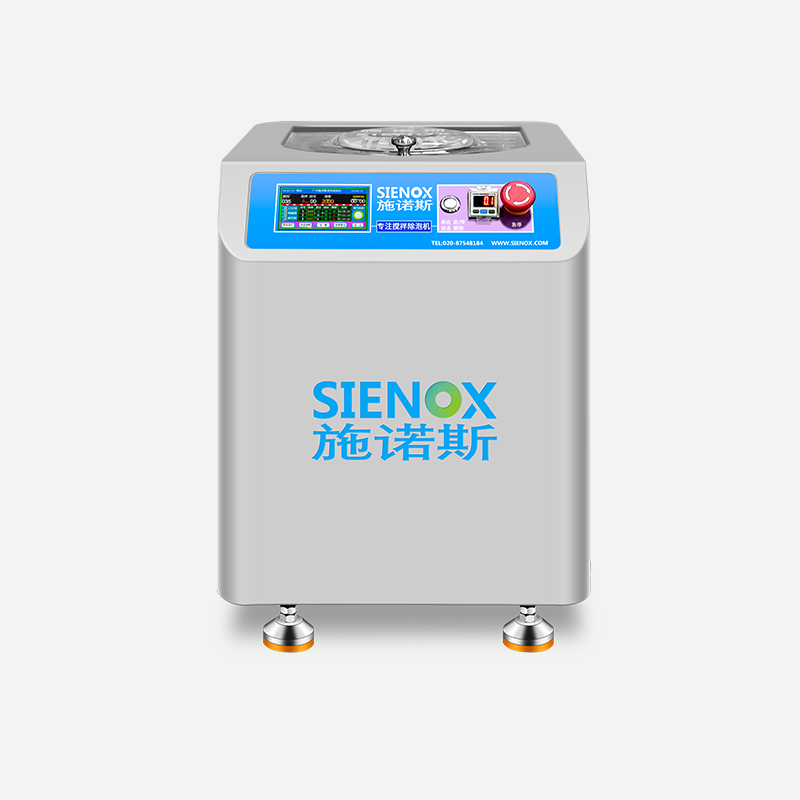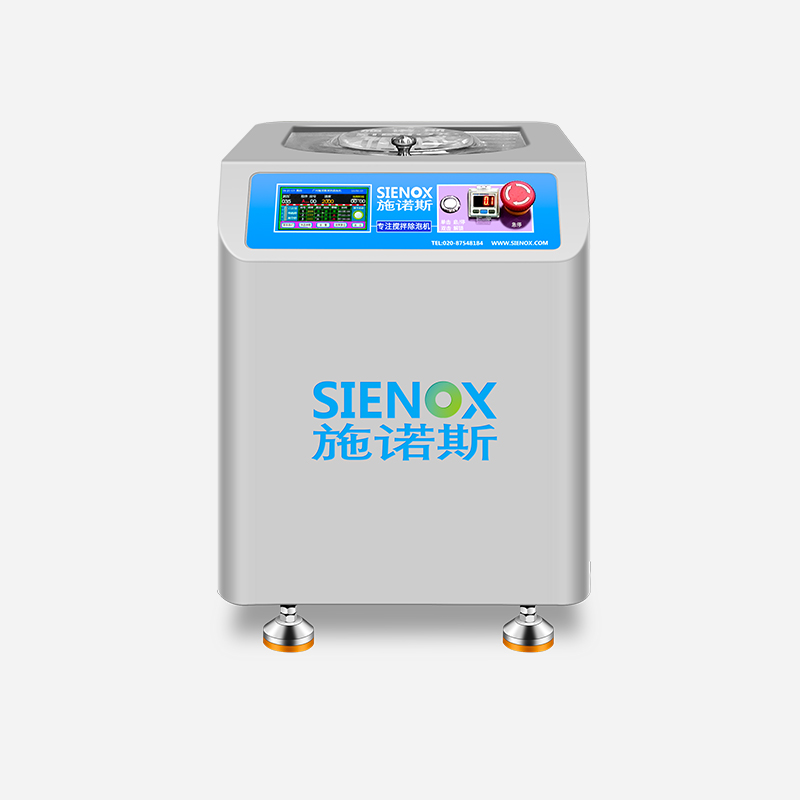


Resin Degasser

TEL:18925129293


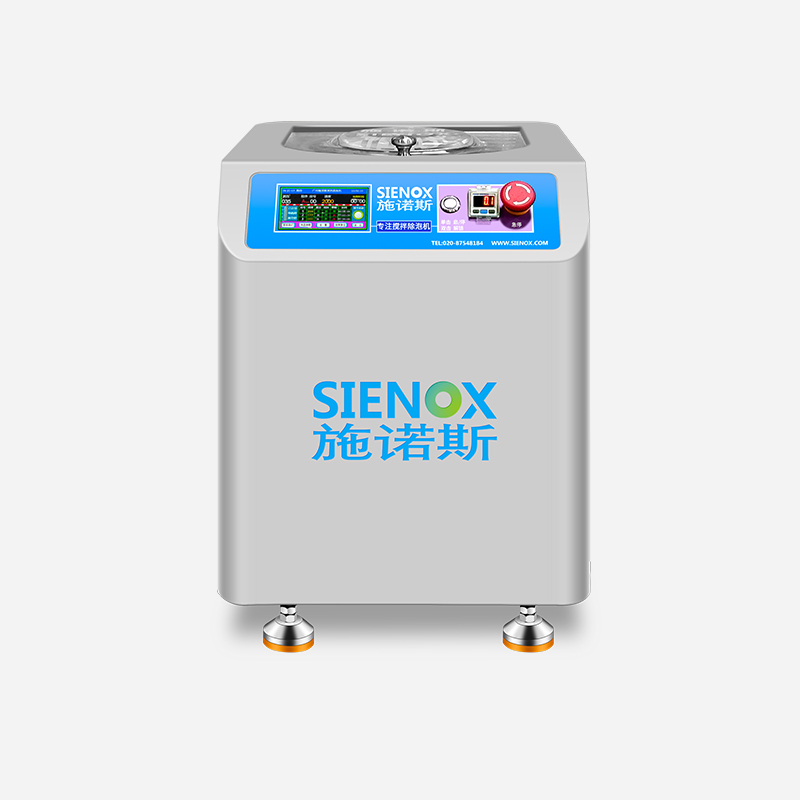
UV Resin Defoaming Machine
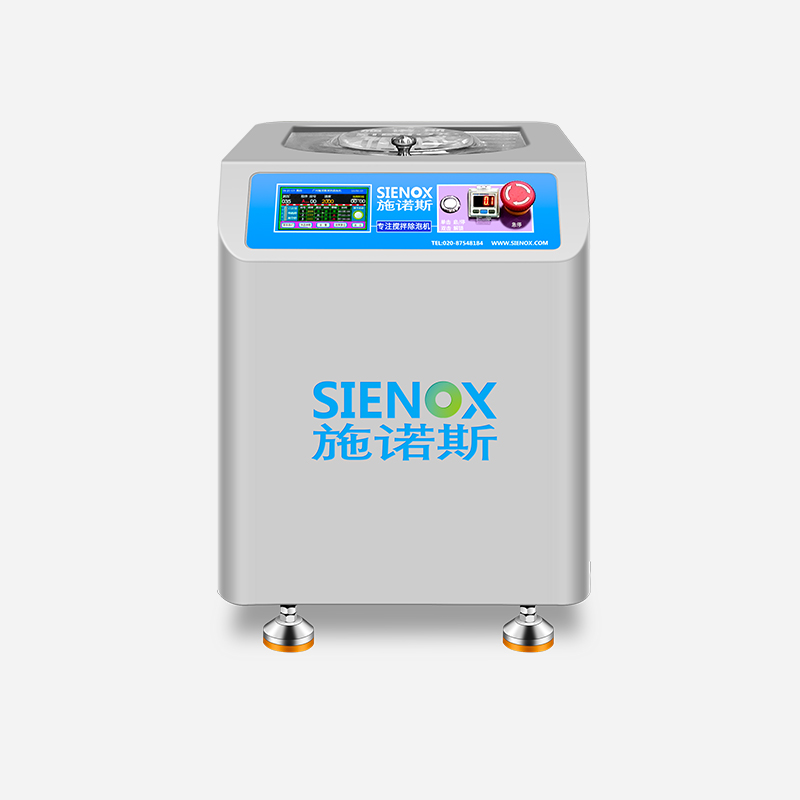
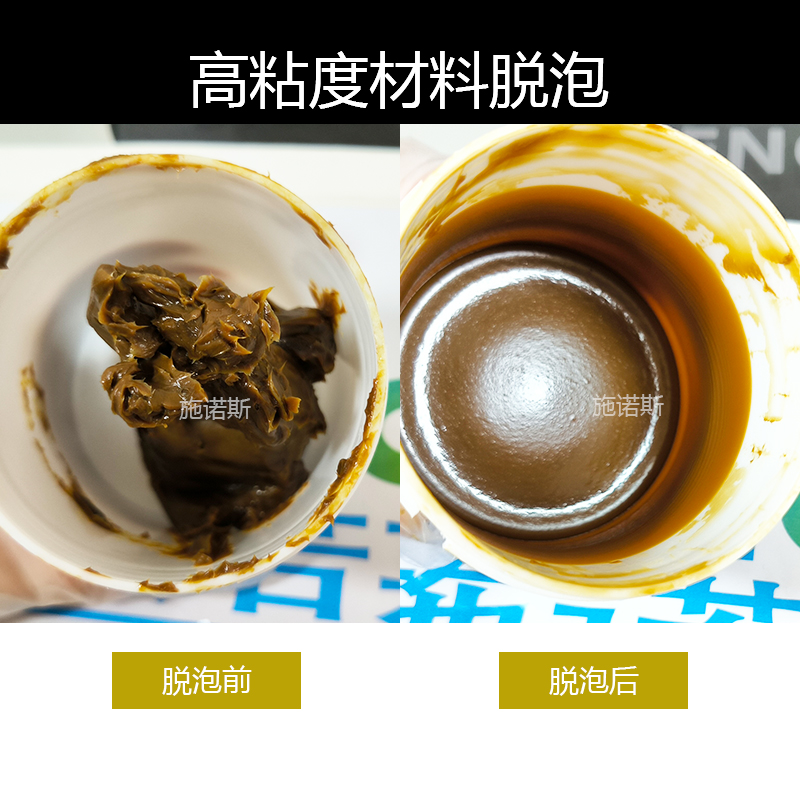
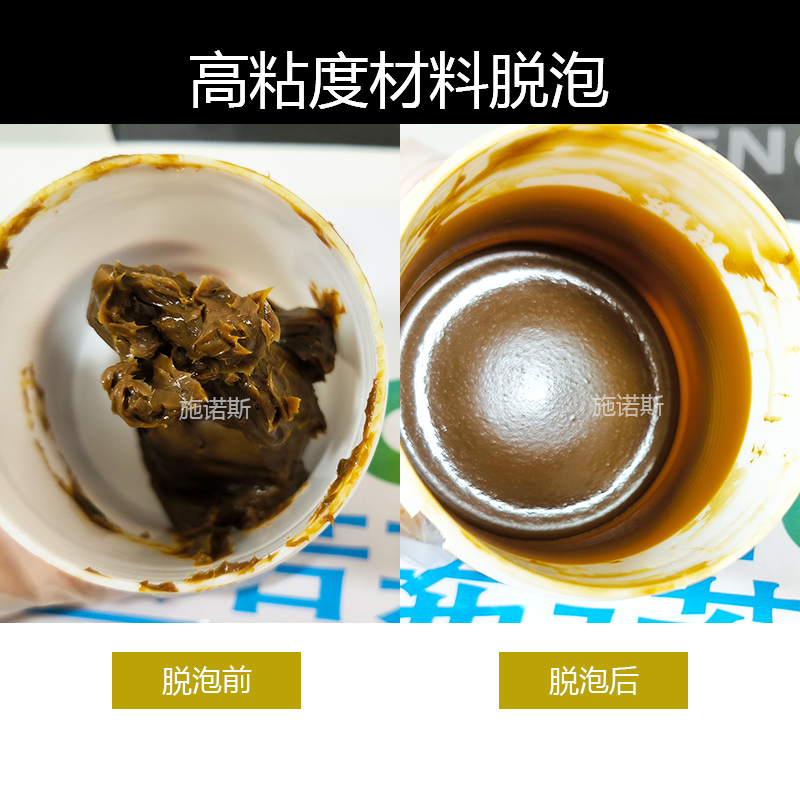
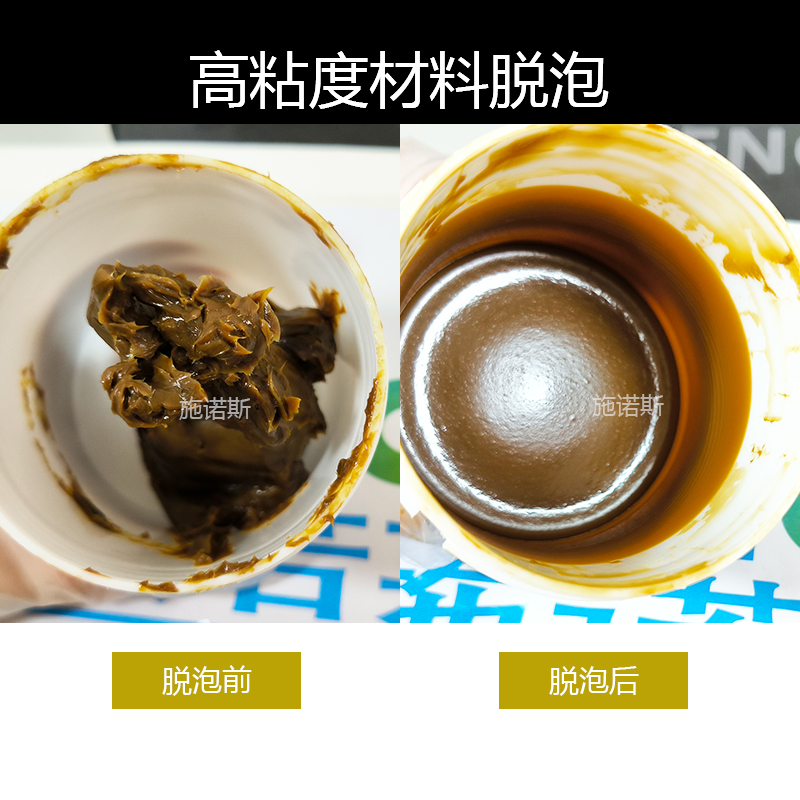
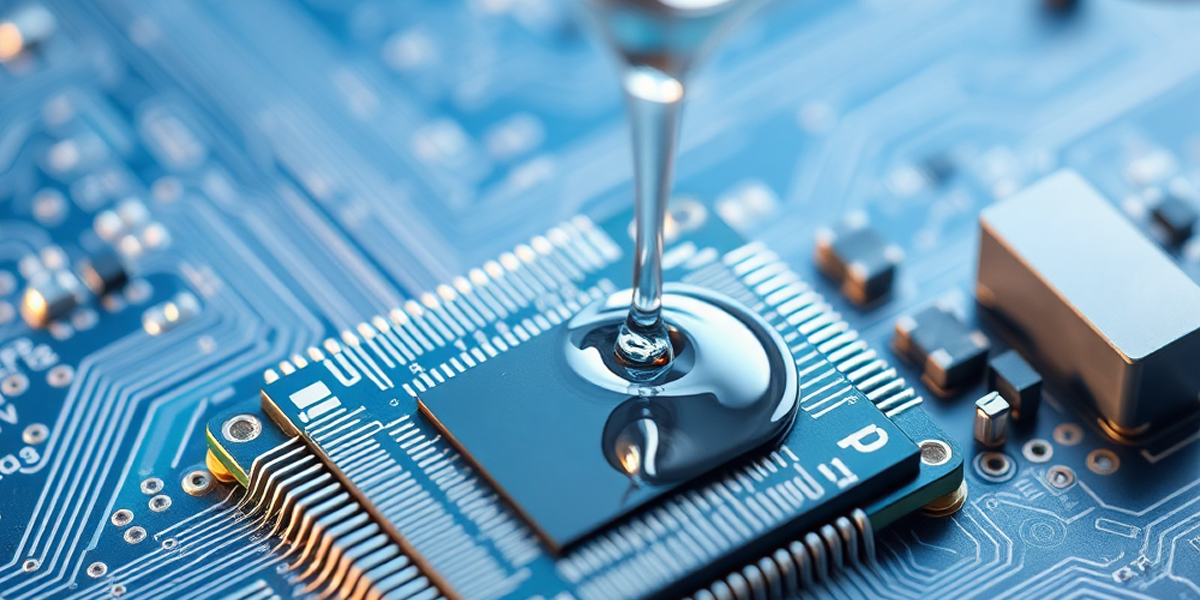
Eliminate Bubbles in UV Resin and Photosensitive Adhesive Before Curing · High Transparency Without Pinholes, Non-hazy Light Transmission
Low-speed Vacuum Mixing Without Temperature Rise · One-time Complete Removal of Microbubbles · Stable Reproducibility from Milliliter-scale Sampling to Mass Production
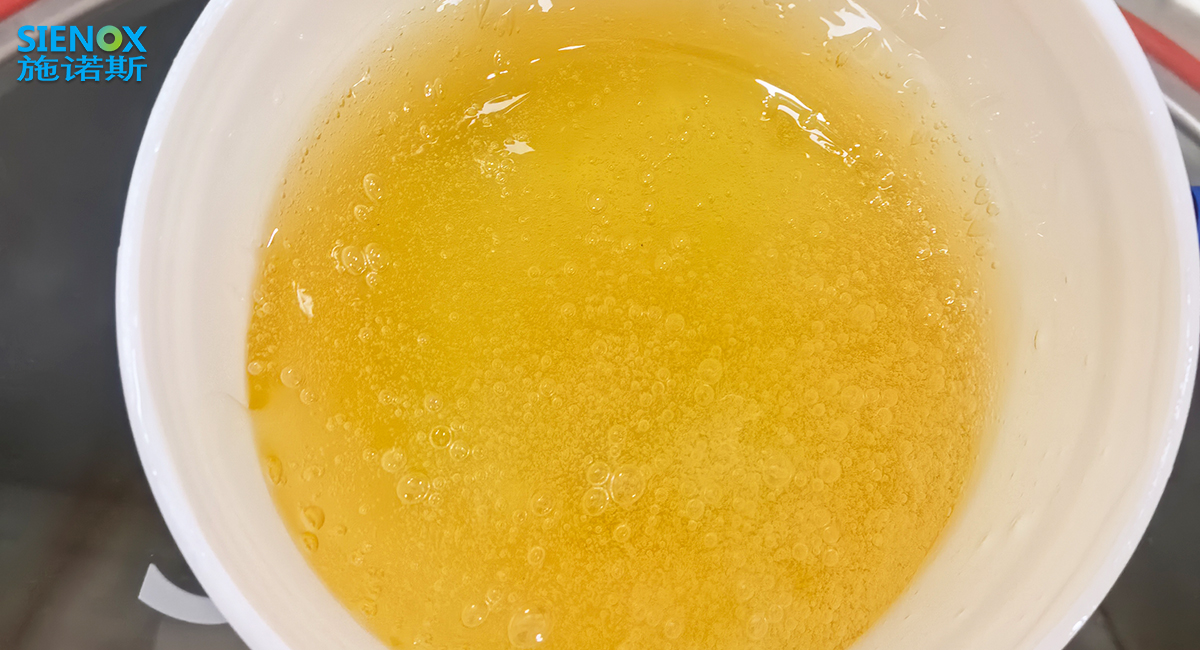
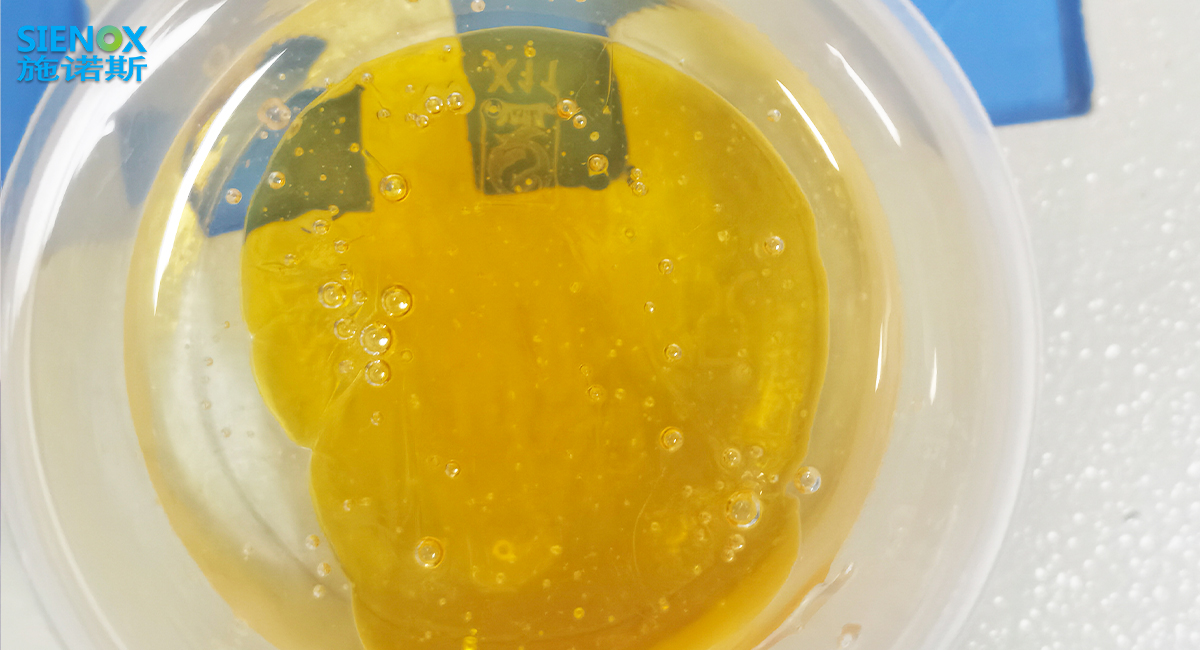
SIENOX UV resin defoaming solution targets microbubbles trapped in photosensitive resin, UV adhesive and optical coatings during batching. It adopts low-shear vacuum defoaming to expand and float microbubbles for one-time thorough removal, without generating shear heat or causing premature curing, meeting the purity requirements of optical-grade transparent materials.
✓ CE Certification ✓ ISO9001 Quality System ✓ RoHS Compliance ✓ Custom Voltage Available (110V/220V)
Why UV Resin Defoaming Machine Is Required
Bubbles entrapped after mixing UV resin are a major threat to potting reliability.
Optics & Display IndustryOptical UV adhesives, light-guiding coatings and screen OCA laminating adhesives demand high transparency. Microbubbles are highly visible under light transmission, directly reducing light transmittance and ruining appearance. Bubble sites also lead to local adhesive shortage and weakened bonding strength. Properly defoamed adhesive layers are clear without white spots. | UV Coating & Ink IndustryBubbles trapped in UV coatings, UV inks and varnishes before curing will form pinholes and craters after curing, impairing coating flatness and protective performance. Vacuum defoaming delivers dense and uniform coating surfaces. | Photosensitive Resin & 3D Printing IndustryPhotosensitive resins and UV-curable 3D printing materials require high transparency and uniformity. Air entrapment during batching and stirring degrades the dimensional accuracy and surface quality of printed parts. Stable defoaming shall be performed under light-shielded and low-temperature conditions. |
✨ Traditional Dilemma: Microbubbles are introduced during manual stirring; conventional mixing generates heat and causes partial thickening of UV adhesive. Static settling has limited effect on microbubbles in low-viscosity materials. Hence, a defoaming method featuring low temperature, low shear and vacuum is required.
Why Choose SIENOX UV Defoaming Solution
SIENOX MIX series serves as the ideal defoaming equipment for epoxy potting from R&D to mass production.
Low Shear Without Heat GenerationNon-contact centrifugal mixing operable at low speed generates minimal heat, preventing premature curing or thickening of UV resin caused by shear heat during defoaming. | Complete Microbubble Removal Under VacuumNegative pressure of −98 kPa expands and lifts microbubbles inside transparent adhesives for one-time thorough removal. The adhesive surface remains clear without white spots, satisfying optical-grade transparency requirements. | Reproducible FormulasTouchscreen stores 100 sets of formulas for one-click recall of optical material batching. C series supports milliliter-scale sampling, while MIX series enables seamless scale-up to mass production. |
✨ The MIX60 integrates three core capabilities: deep vacuum defoaming, precision small sample processing, and reproducible process parameters. It is an ideal device for laboratory R&D requiring vacuum-assisted defoaming.
Equipment Supporting Description
SIENOX A/B adhesive defoaming solution can be combined with other equipment to form a complete potting process chain.
Supporting Process Chain of Equipment Batching & Weighing → Vacuum Mixing & Defoaming → Light-shielded Casting / Dispensing → UV Curing. For high-demand optical components, RX pressurized fine defoaming can be adopted for secondary bubble removal after primary defoaming. | 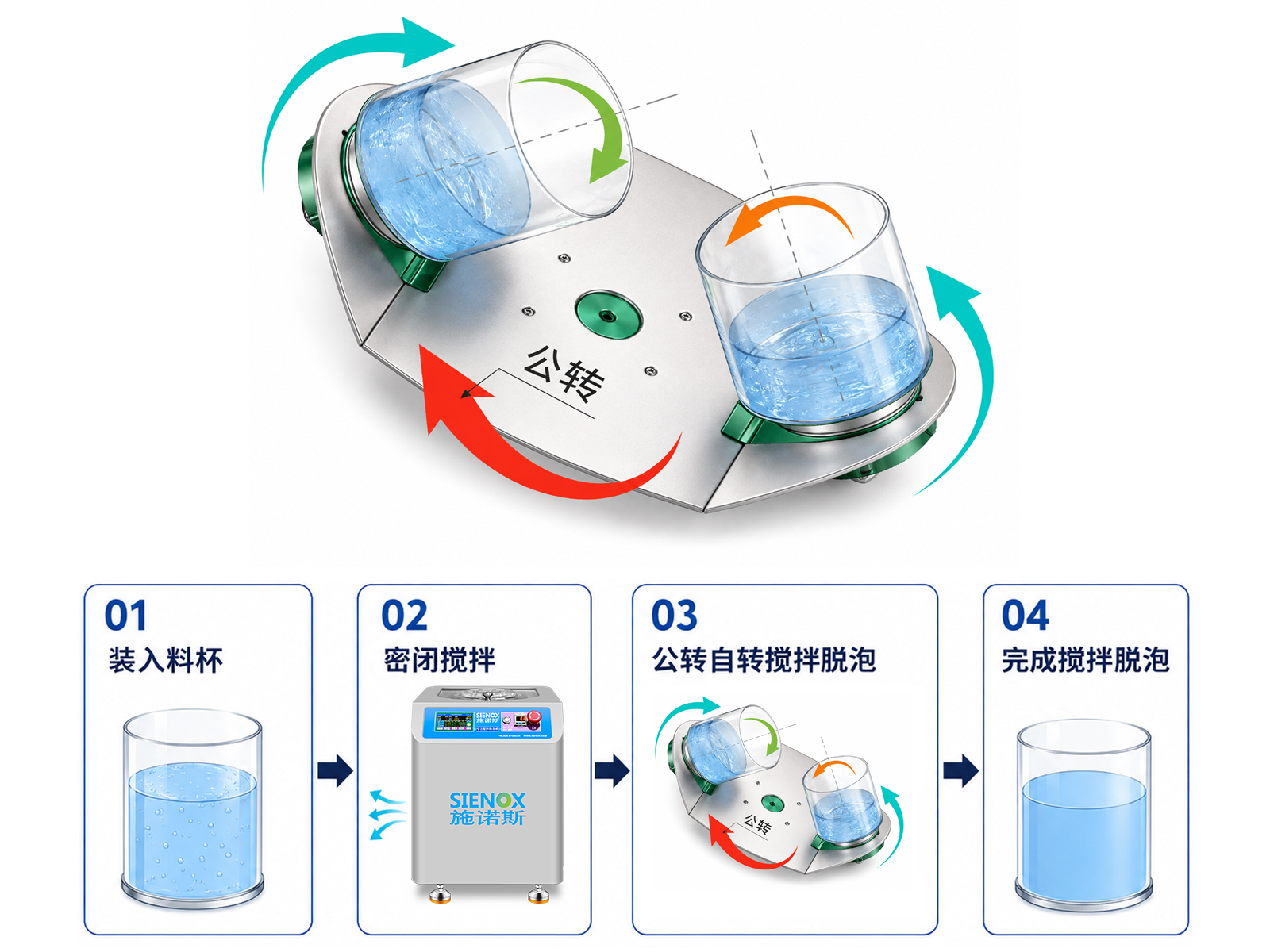 |
Specifications & Parameters
Selection Guide
| UV Resin Type | Typical Viscosity | Recommended Defoaming Method | Recommended Equipment |
| Photosensitive Resin Sampling | Low Viscosity | Centrifugal Defoaming | C Series |
| Optical UV Adhesive / Light-guiding Coating | 500-5000cP | Vacuum Defoaming / Low-speed Vacuum Mixing | ZK Series / MIX60 |
| UV Ink / Varnish | Medium Viscosity | Vacuum Mixing & Defoaming | MIX Series |
| Mass Production of Optical Adhesive | Medium Viscosity | Vacuum Mixing & Defoaming | MIX1000plus |
| High-transparency Optical Components | Low-Medium Viscosity | Vacuum Mixing + Pressurized Fine Defoaming | MIX Series / RX Series |
Our Partners
Trusted by leading industrial manufacturing clusters and advanced university laboratories worldwide
FAQ - Frequently Asked Questions
Answers to common questions about product performance and everyday process selection
-
What is the working principle of a centrifugal defoaming machine?
Principle of centrifugal defoaming machine: The bubbles are released by the downward principle of gravity.
-
How is the after-sales service?
The company has professional after-sales service personnel, 24-hour dedicated service, and one-on-one technical support to solve your worries.
-
Why choose SIENOX?
There are many reasons for choosing SIENOX, and the following are some of the main reasons:
1. Professionalism: Our team consists of a group of professional individuals with rich experience and knowledge in their respective fields. We not only understand industry trends and best practices, but also provide practical and feasible solutions.
2. Service quality: We focus on customer needs and satisfaction, and are always committed to providing high-quality services. We not only respond quickly to customer needs, but also provide customized services according to their requirements.
3. Reliability: We adhere to the principles of integrity and professionalism, always adhering to commitments and agreements. Our work methods and deliverables comply with industry standards and best practices, enabling our clients to trust us.
4. Innovation: We continuously explore new methods and tools to provide better services and meet customer needs. We encourage innovation and experimentation, and are willing to accept challenges and change.
5. Cost effectiveness: We provide cost-effective services that not only help customers save costs, but also improve efficiency and productivity. We always prioritize the interests of our customers and provide them with the best solutions.
6. Teamwork: We believe in the power and value of teamwork, and our team members support, collaborate, and respect each other. We establish close cooperative relationships with customers, partners, and other stakeholders to achieve common goals.
The above are just some of the reasons for choosing us. We believe there are many other advantages and values that can be provided to customers. If you are looking for a professional, reliable, and high-quality service provider, we look forward to working with you.
-
How does the stirring and defoaming machine work?
The SIENOX stirring and defoaming machine performs defoaming through centrifugal force at revolution and stirring through shear force formed by revolution and rotation,
Assisted by a vacuum pump to extract gas and achieve a vacuum state, removing nanoscale tiny bubbles. No contact with materials, no secondary pollution, and no secondary waste.
-
What is the function of a defoaming machine?
A defoaming machine is a device used to remove bubbles from liquids. Its function is to assist in the liquid mixing, reaction, coating, printing, infusion and other process steps in the production process, avoiding the generation of bubbles and their impact on the final product. In many industrial and laboratory environments, removing bubbles is essential as they may have a negative impact on product quality, such as affecting surface tension and stability. Defoaming machines typically use various techniques such as vibration, ultrasound, centrifugation, etc. to achieve effective bubble removal. It has a wide range of applications, including but not limited to semiconductors, solar energy, optics, biotechnology, materials science, etc.
Technical Specification List
Full‑line standardized specifications for accurate process evaluation and equipment selection
| Epoxy Resin Type | Typical Viscosity | Recommended Defoaming Method | Recommended Equipment |
| Low-viscosity Epoxy Potting Compound | 500-3000cP | Centrifugal Defoaming / Vacuum Defoaming | C Series / ZK Series |
| Medium-viscosity Epoxy Potting Compound | 3000-15000cP | Vacuum Defoaming / Vacuum Mixing & Defoaming | ZK Series / MIX Series |
| High-viscosity Thermal Conductive Epoxy | 15000-80000cP | Vacuum Mixing & Defoaming | MIX Series |
| Paste-like Thermal Conductive Epoxy | >80000cP | Vacuum Mixing & Defoaming + Pressurized Defoaming | MIX Series / RX Series |
| Transparent Epoxy Potting Compound | 800-5000cP | Vacuum Defoaming / Vacuum Mixing & Defoaming | ZK Series / MIX Series |
| High-temperature Resistant Epoxy | Medium-High Viscosity | Vacuum Mixing & Defoaming | MIX Series |
Multi‑Industry Solutions
Covering stirring and debubbling applications of typical materials across six major industries
Optical UV AdhesiveLight-guiding Coatings, Screen Laminating Adhesive, Optical Bonding |
UV Inks & VarnishesPrinting Inks, Coating Varnishes, Cured Coatings |
Photosensitive ResinUV Curable Resin, 3D Printing Photosensitive Materials |
Display LaminationOCA Laminating Adhesive, Screen Protective Adhesive, Encapsulation |
Electronic BondingUV Curing Dispensing Adhesive, Fixing Adhesive for Electronic Components |
Functional CoatingsWear-resistant Coatings, Insulating Coatings, Three-proof Coatings |
Comprehensive Equipment Operation Demo Videos
Gain intuitive, clear, dynamic insight into synchronous defoaming with planetary centrifugal force and high negative pressure.
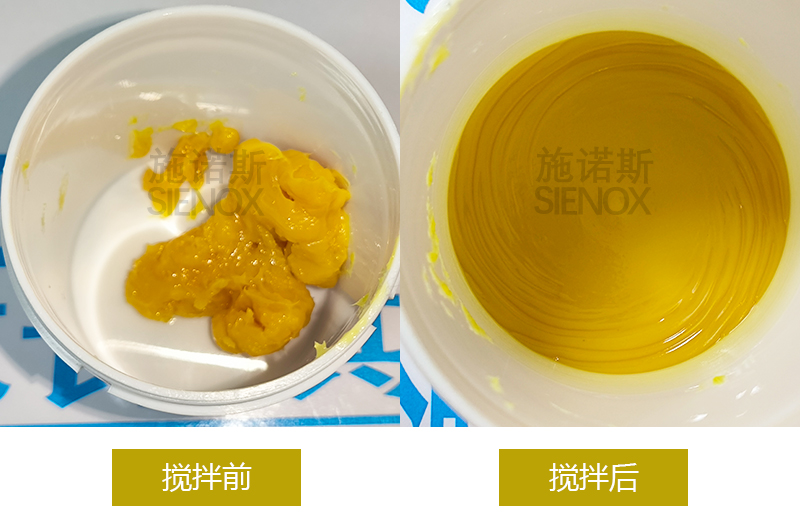
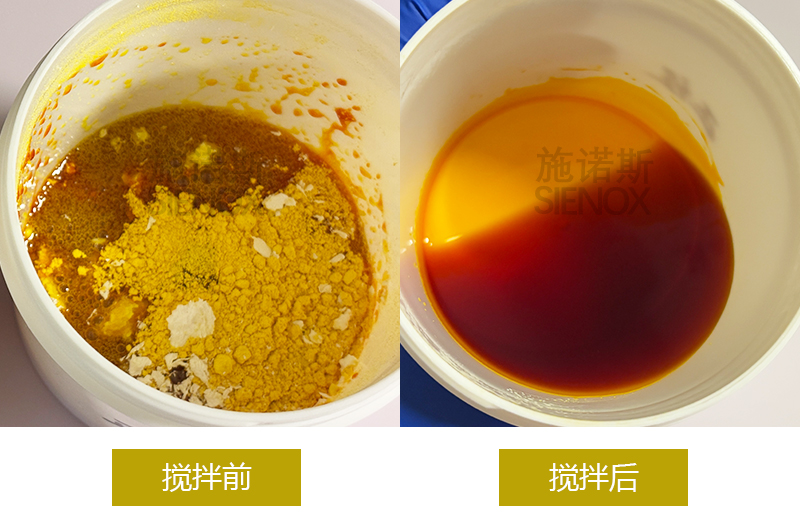
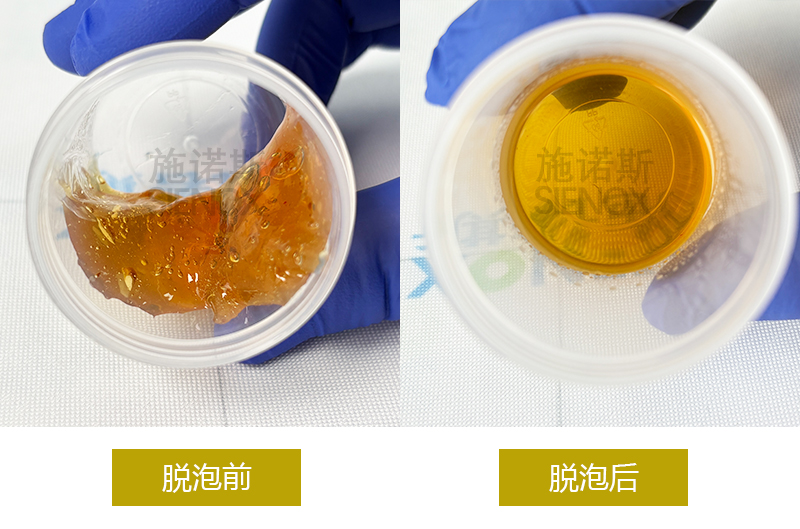
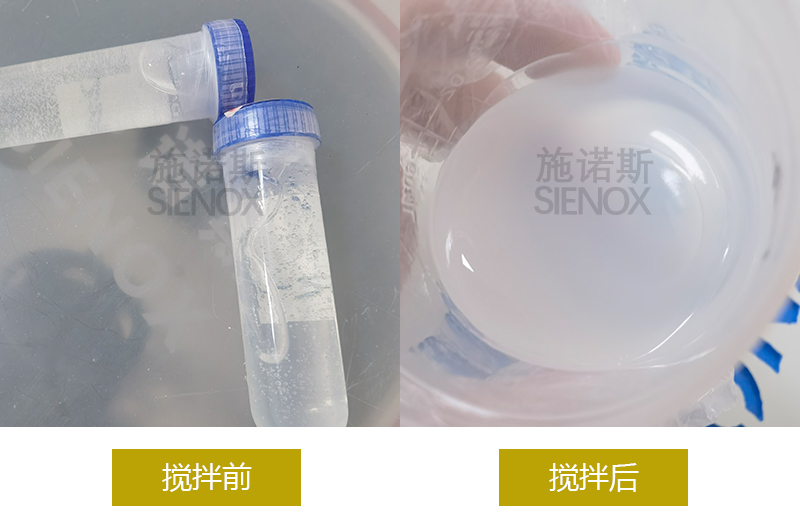
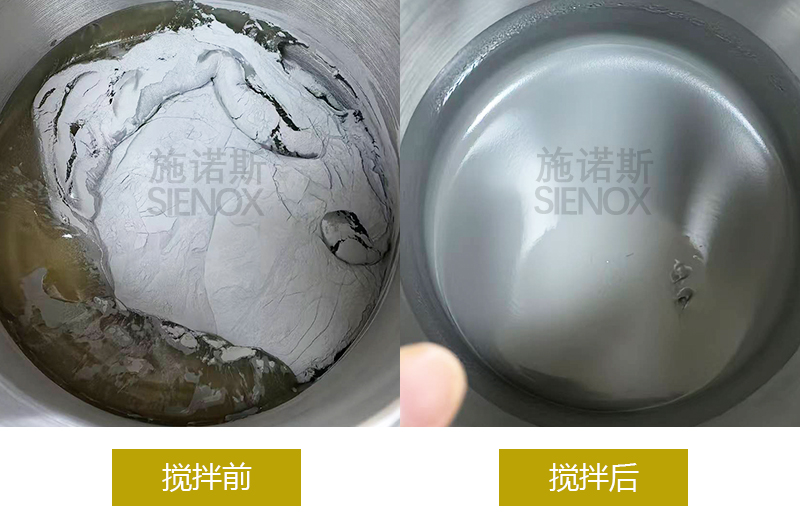
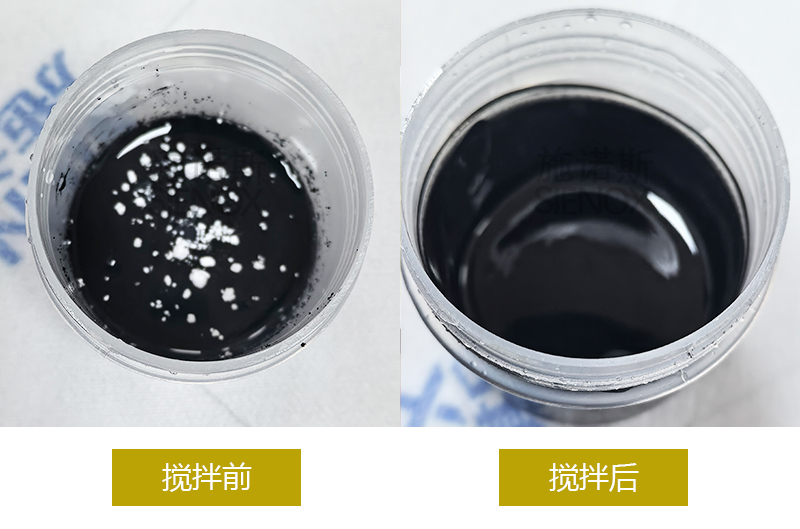
Measured Defoaming‑Process Performance
Measured Processing Results for Six Typical Materials
Paste Materials |
Adhesives + Powders |
Polymer Materials |
Pharmaceutical Gels |
Silver Paste Materials |
Battery Slurries |
Precautions for Use
| Precautions | Operating Instructions |
| Light-shielded Operation | UV resin is light-sensitive. Perform defoaming and material transfer under light-shielded conditions throughout to avoid premature curing. |
| Low-speed Operation | Low-speed mixing is recommended to reduce shear heat and prevent premature reaction of photosensitive systems. |
| Vacuum Duration | Vacuum time shall not be too long for solvent-containing or low-viscosity UV resin to prevent excessive solvent volatilization. |
| Slow Pressure Relief | Release pressure slowly before opening the lid after defoaming to prevent re-bubbling and hazing on the adhesive surface. |
* Internal laboratory test data. Actual results vary with material formulation and process. Contact sales for real customer cases.
Customer Delivery & Application Cases
Rooted in manufacturing frontlines, empowering benchmark production lines and key national research institutions across diverse industries.