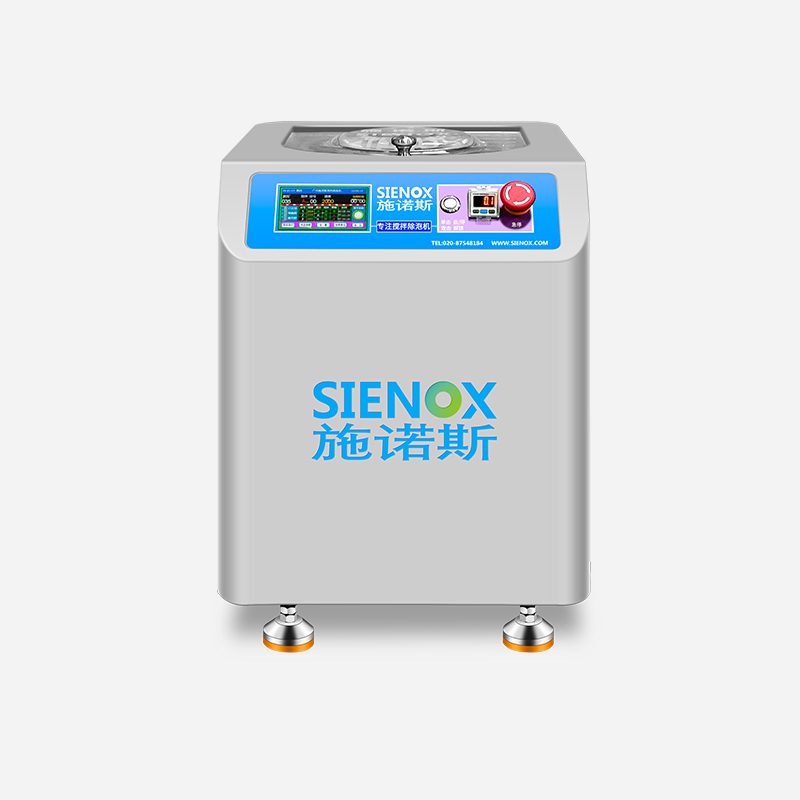


Adhesive Degasser

TEL:18925129293


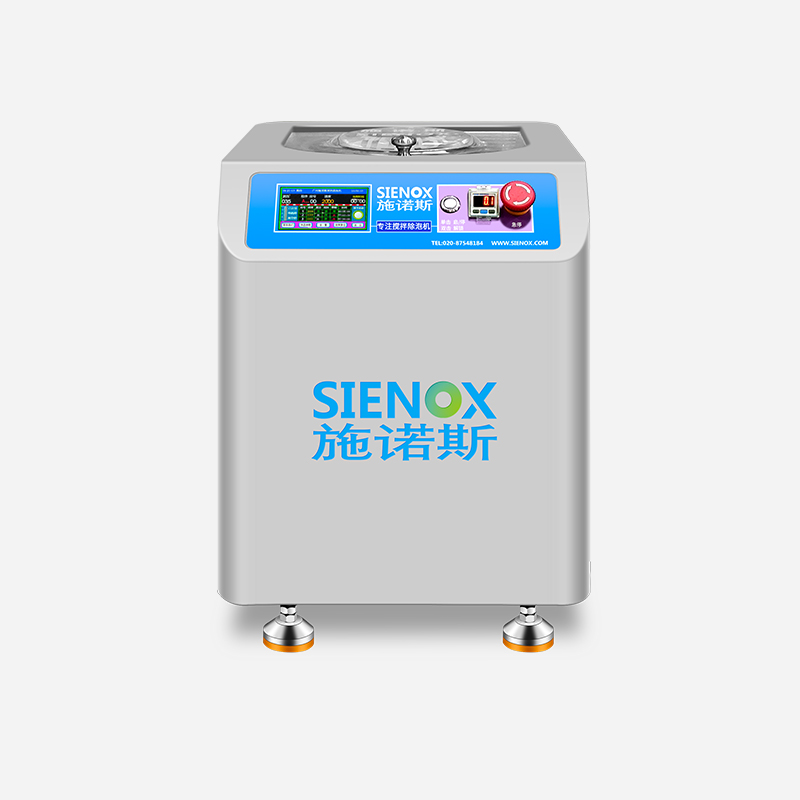
Anaerobic Adhesive Defoaming Machine
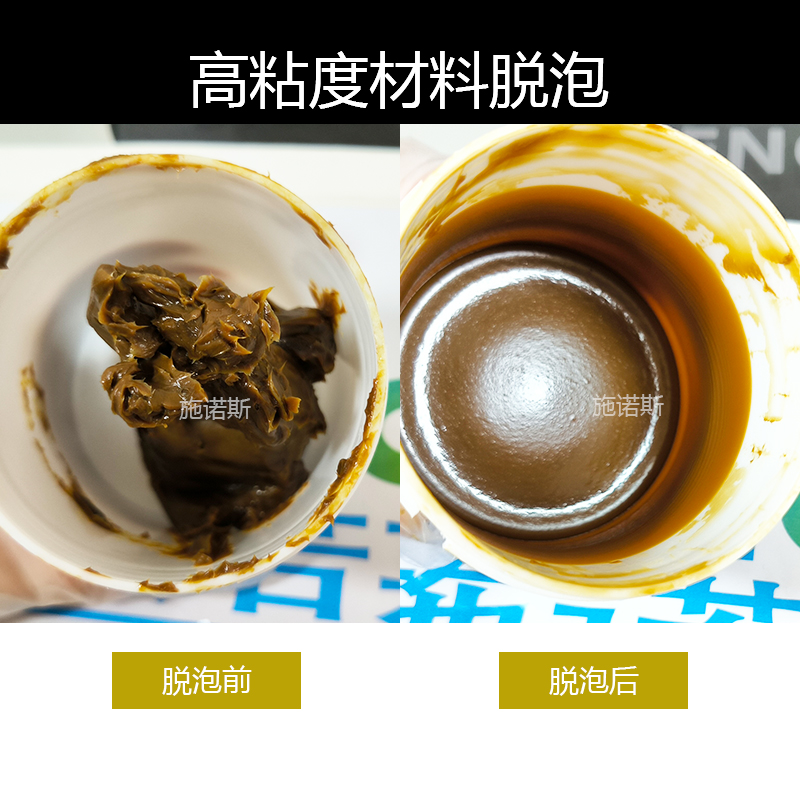
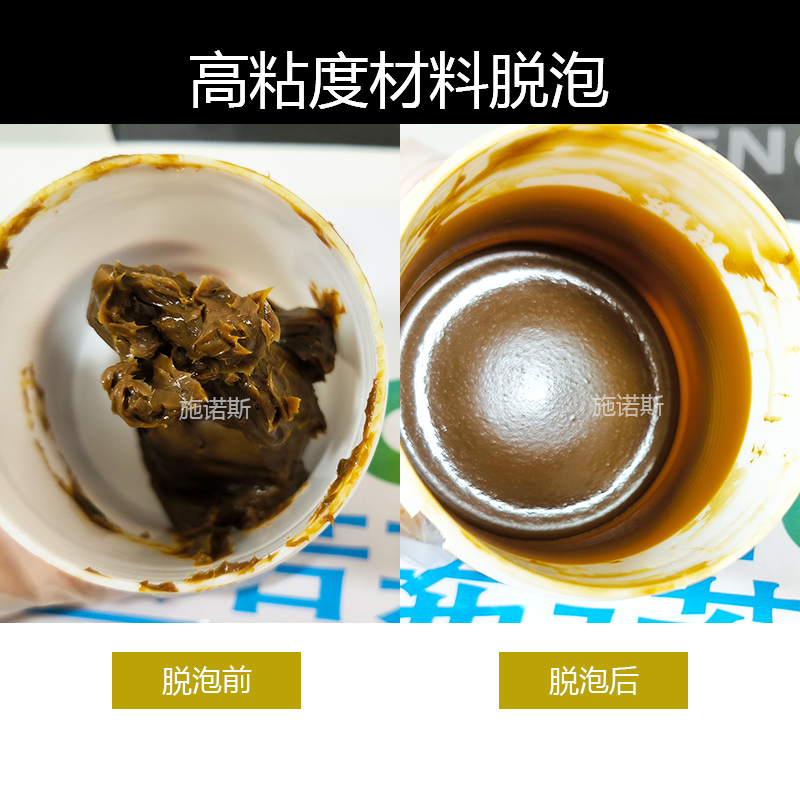
Eliminate Air Bubbles in Threadlockers · Full Locking & Reliable Sealing
Vacuum Defoaming Without Affecting Anaerobic Curing + Full Dispensing & Filling + Stable Locking and Sealing Performance
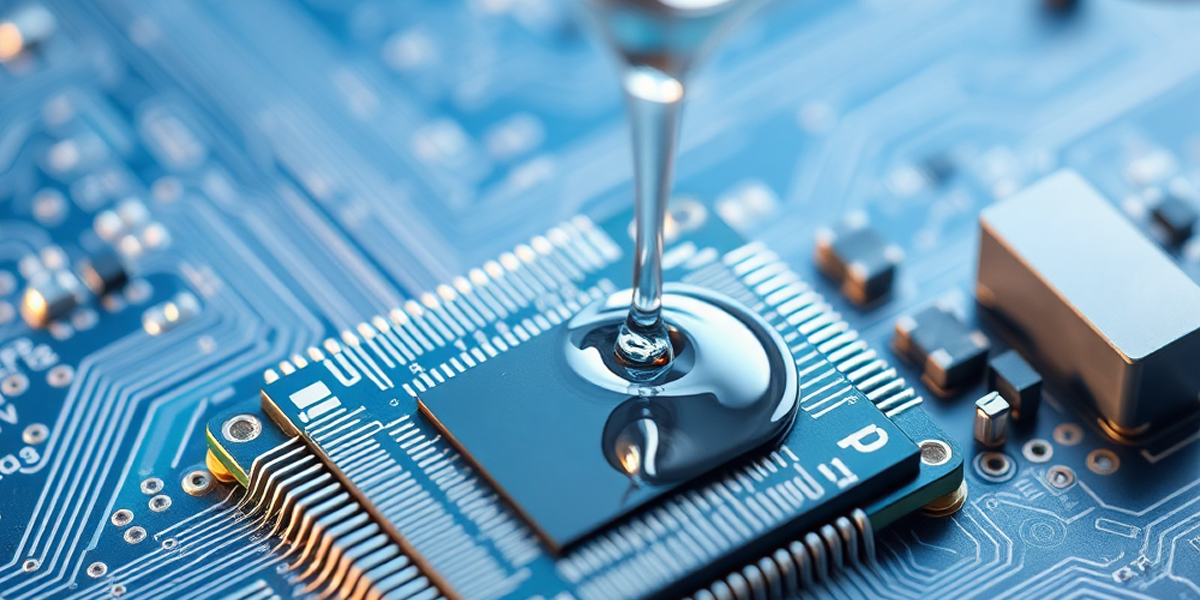
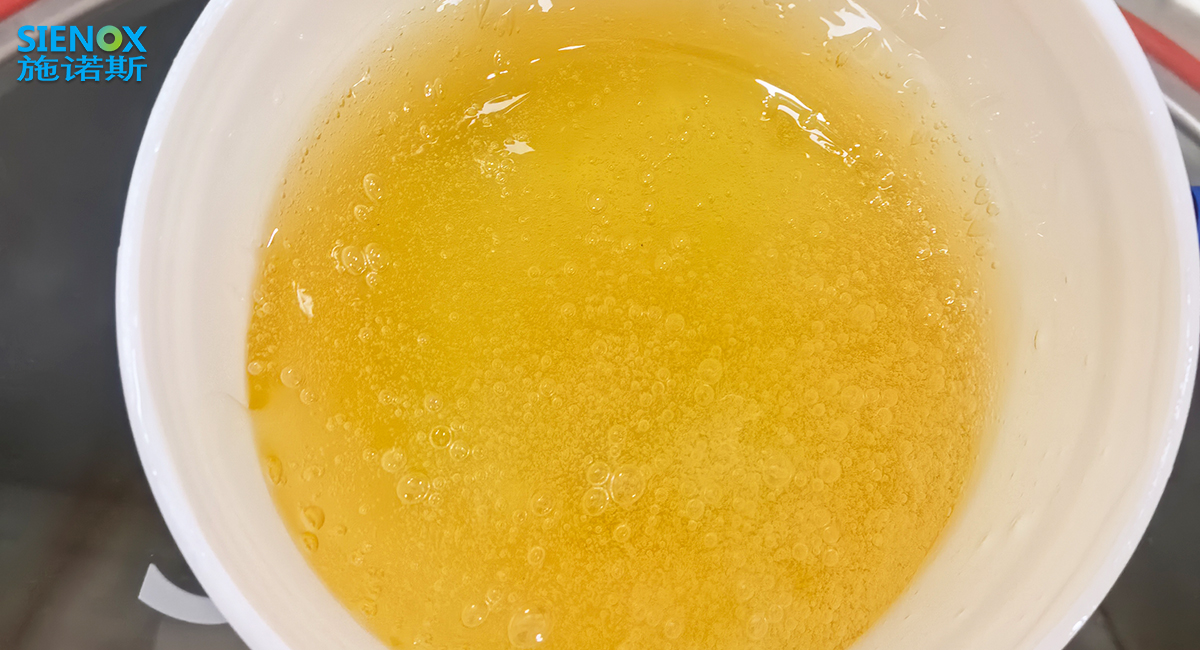
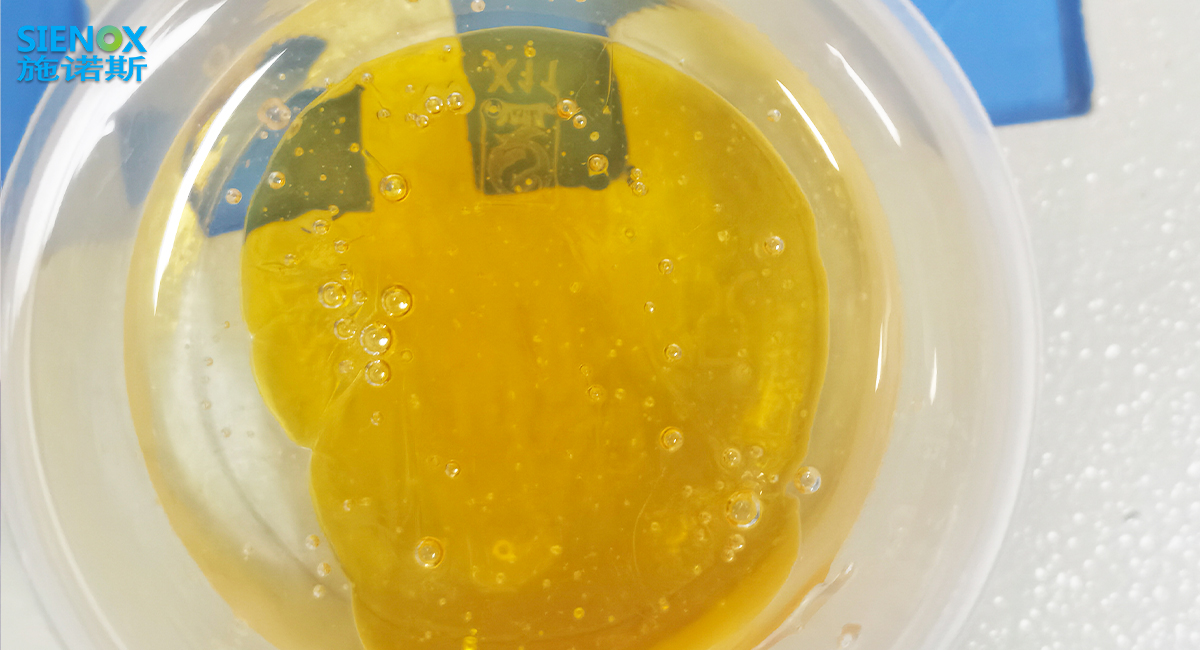
SIENOX anaerobic adhesive defoaming solution addresses air entrapment during filling and dispensing of anaerobic adhesives for thread locking, pipe thread sealing and cylindrical retaining. Vacuum defoaming delivers consistent and full adhesive flow, ensures reliable locking and sealing, and preserves the native anaerobic curing properties.
✓ CE Certification ✓ ISO9001 Quality System ✓ RoHS Compliance ✓ Custom Voltage Available (110V/220V)
Why Anaerobic Adhesive Defoaming Machine Is Required
Bolt LockingAir entrapment occurs during dispensing of threadlocker for bolts and screws, leading to incomplete adhesive coverage on threads, insufficient locking strength and loosening under vibration. | Pipe Thread SealingBubbles and voids in anaerobic adhesive for pipe and fitting sealing cause leakage and reduce the reliability of hydraulic and pneumatic pipelines. | Cylindrical Part RetentionRetaining adhesive for bearings and bushings requires full adhesive coating. Bubbles compromise retention strength and force transmission reliability. |
✨ Traditional Dilemma: Air entrapment occurs during anaerobic adhesive filling and dispensing, resulting in incomplete thread coverage and sealing leakage. Vacuum defoaming is required to achieve consistent adhesive output.
Why Choose SIENOX Anaerobic Adhesive Defoaming Solution
Full Locking CoverageAfter vacuum defoaming, the adhesive flows continuously and fully for enhanced reliability in thread locking and pipeline sealing. | Unchanged Curing PropertiesGentle non-contact defoaming avoids metal catalysis and keeps anaerobic curing speed and strength unchanged. | Stable Filling PerformanceContinuous dispensing without flow interruption enables stable and repeatable small-bottle filling and dispensing processes. |
✨
Equipment Supporting Description
SIENOX AB adhesive defoaming solution can work with other equipment to form a complete potting process chain: Integrated Mixing & Defoaming: MIX series planetary mixers mix AB adhesives and perform synchronous defoaming under vacuum, finishing mixing and bubble removal in one single process. Temperature-controlled Defoaming: WK series temperature-controlled defoamers operate at preset temperatures. They are suitable for high-viscosity AB adhesives which can be heated to reduce viscosity for higher defoaming efficiency. Defoaming & Dispensing Linkage: Directly connect to SIE-301/302/303 dispensers for potting after defoaming to minimize new bubbles generated during intermediate transfer. Pressurized Fine Defoaming: For applications demanding high defoaming rate, materials can go through secondary fine defoaming in RX pressurized defoamers after planetary vacuum mixing for superior bubble removal performance. | 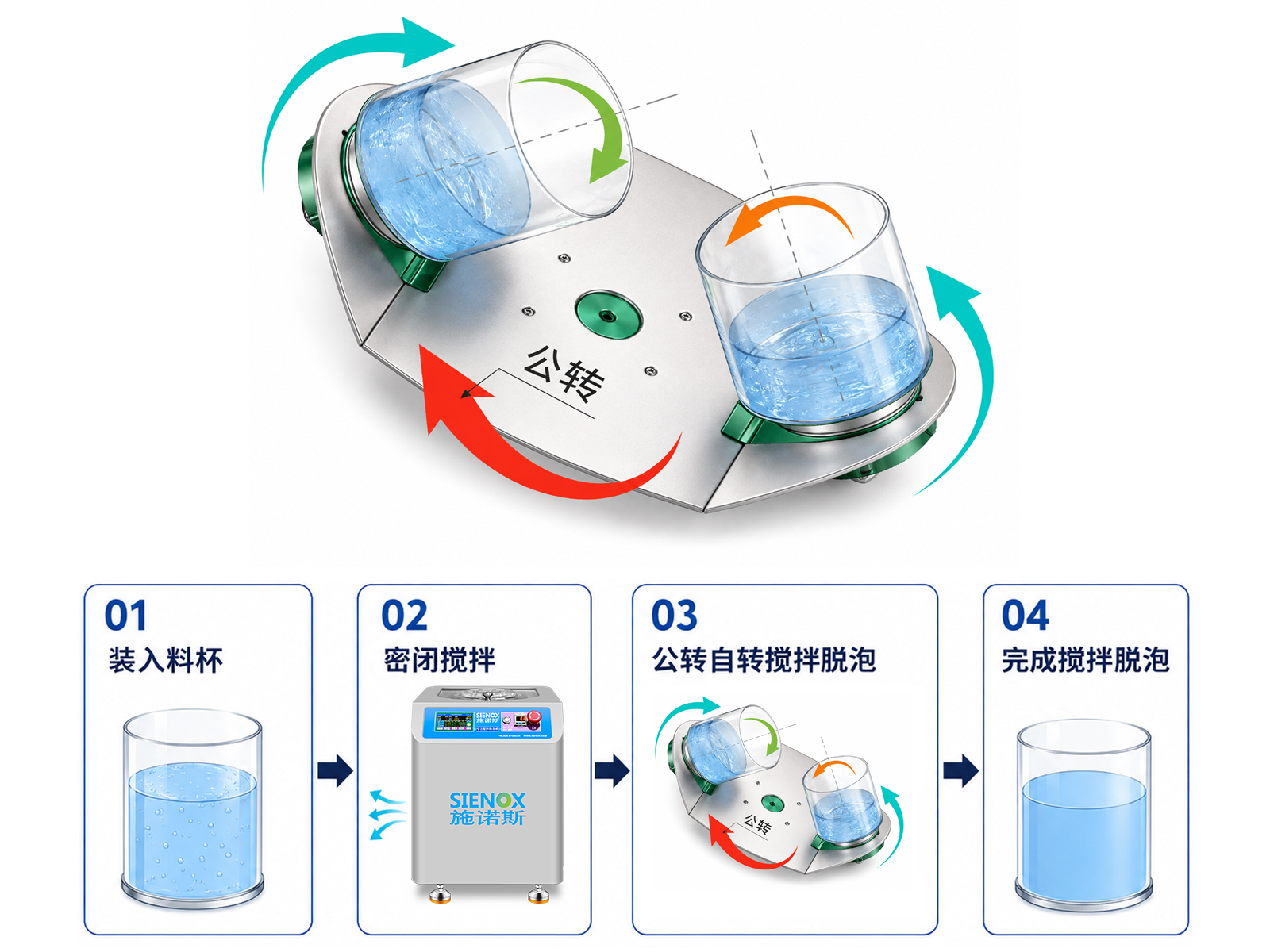 |
Specifications & Parameters
Selection Guide
| Anaerobic Adhesive Type | Typical State | Recommended Defoaming Method | Recommended Equipment |
| Formulation R&D / Sampling | Small Volume Adhesive | Centrifugal / Vacuum Defoaming | C Series / ZK Series |
| Threadlocker | Low to Medium Viscosity | Vacuum Defoaming | ZK Series / MIX60 |
| Pipe Thread Sealant | Medium Viscosity with Fillers | Vacuum Mixing & Defoaming | MIX60 / MIX80 |
| Cylindrical Retaining Adhesive / Mass Production | Medium to High Viscosity | Vacuum Mixing & Defoaming | MIX1000plus |
Our Partners
Trusted by leading industrial manufacturing clusters and advanced university laboratories worldwide
FAQ - Frequently Asked Questions
Answers to common questions about product performance and everyday process selection
-
What is the working principle of a centrifugal defoaming machine?
Principle of centrifugal defoaming machine: The bubbles are released by the downward principle of gravity.
-
How is the after-sales service?
The company has professional after-sales service personnel, 24-hour dedicated service, and one-on-one technical support to solve your worries.
-
Why choose SIENOX?
There are many reasons for choosing SIENOX, and the following are some of the main reasons:
1. Professionalism: Our team consists of a group of professional individuals with rich experience and knowledge in their respective fields. We not only understand industry trends and best practices, but also provide practical and feasible solutions.
2. Service quality: We focus on customer needs and satisfaction, and are always committed to providing high-quality services. We not only respond quickly to customer needs, but also provide customized services according to their requirements.
3. Reliability: We adhere to the principles of integrity and professionalism, always adhering to commitments and agreements. Our work methods and deliverables comply with industry standards and best practices, enabling our clients to trust us.
4. Innovation: We continuously explore new methods and tools to provide better services and meet customer needs. We encourage innovation and experimentation, and are willing to accept challenges and change.
5. Cost effectiveness: We provide cost-effective services that not only help customers save costs, but also improve efficiency and productivity. We always prioritize the interests of our customers and provide them with the best solutions.
6. Teamwork: We believe in the power and value of teamwork, and our team members support, collaborate, and respect each other. We establish close cooperative relationships with customers, partners, and other stakeholders to achieve common goals.
The above are just some of the reasons for choosing us. We believe there are many other advantages and values that can be provided to customers. If you are looking for a professional, reliable, and high-quality service provider, we look forward to working with you.
-
How does the stirring and defoaming machine work?
The SIENOX stirring and defoaming machine performs defoaming through centrifugal force at revolution and stirring through shear force formed by revolution and rotation,
Assisted by a vacuum pump to extract gas and achieve a vacuum state, removing nanoscale tiny bubbles. No contact with materials, no secondary pollution, and no secondary waste.
-
What is the function of a defoaming machine?
A defoaming machine is a device used to remove bubbles from liquids. Its function is to assist in the liquid mixing, reaction, coating, printing, infusion and other process steps in the production process, avoiding the generation of bubbles and their impact on the final product. In many industrial and laboratory environments, removing bubbles is essential as they may have a negative impact on product quality, such as affecting surface tension and stability. Defoaming machines typically use various techniques such as vibration, ultrasound, centrifugation, etc. to achieve effective bubble removal. It has a wide range of applications, including but not limited to semiconductors, solar energy, optics, biotechnology, materials science, etc.
Technical Specification List
Full‑line standardized specifications for accurate process evaluation and equipment selection
| Anaerobic Adhesive Type | Typical State | Recommended Defoaming Method | Recommended Equipment |
| Formulation R&D / Sampling | Small volume adhesive | Centrifugal / Vacuum Defoaming | C Series / ZK Series |
| Threadlocker | Low to Medium Viscosity | Vacuum Defoaming | ZK Series / MIX60 |
| Pipe Thread Sealant | Medium Viscosity with Fillers | Vacuum Mixing & Defoaming | MIX60 / MIX80 |
| Cylindrical Retaining Adhesive / Mass Production | Medium to High Viscosity | Vacuum Mixing & Defoaming | MIX1000plus |
Multi‑Industry Solutions
Covering stirring and debubbling applications of typical materials across six major industries
Bolt LockingThread locking for bolts and screws |
Pipeline SealingThread sealing for hydraulic and pneumatic pipelines |
Cylindrical RetentionRetention for bearings and bushings |
Flat Surface SealingSealants for flanges and flat surfaces |
Automotive & MachineryAssembly of automotive and construction machinery |
Anaerobic Adhesive ManufacturersR&D and small bottle filling of anaerobic adhesives |
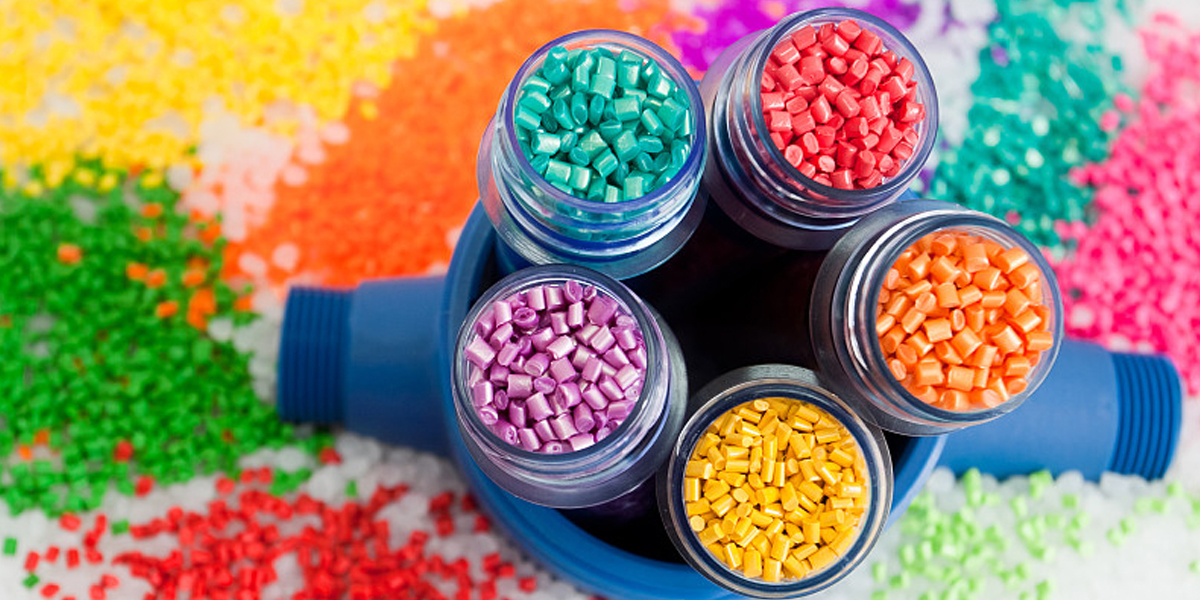
Full-range Equipment Operation Demo Videos
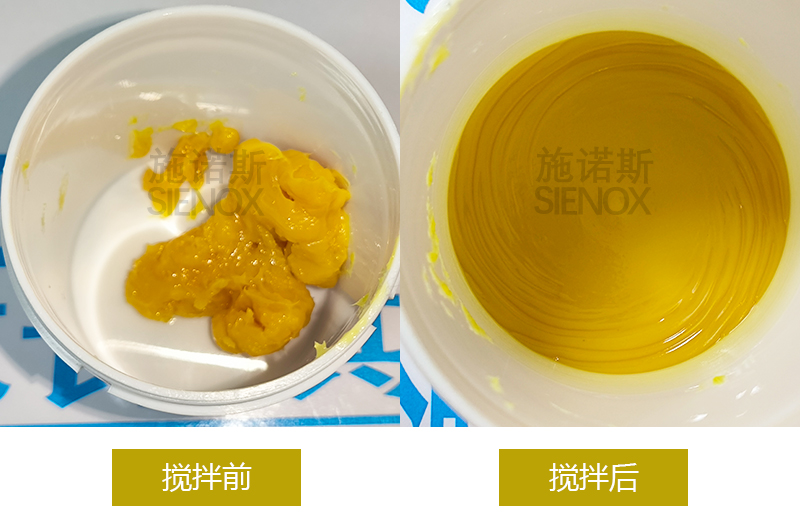
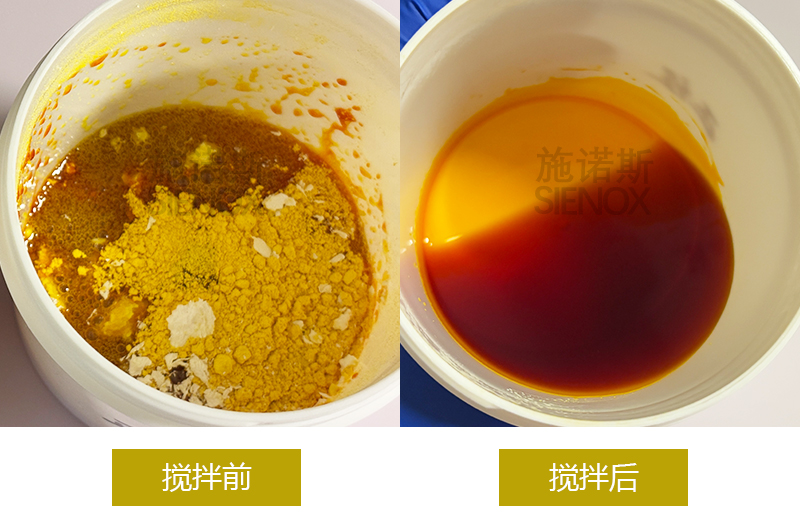
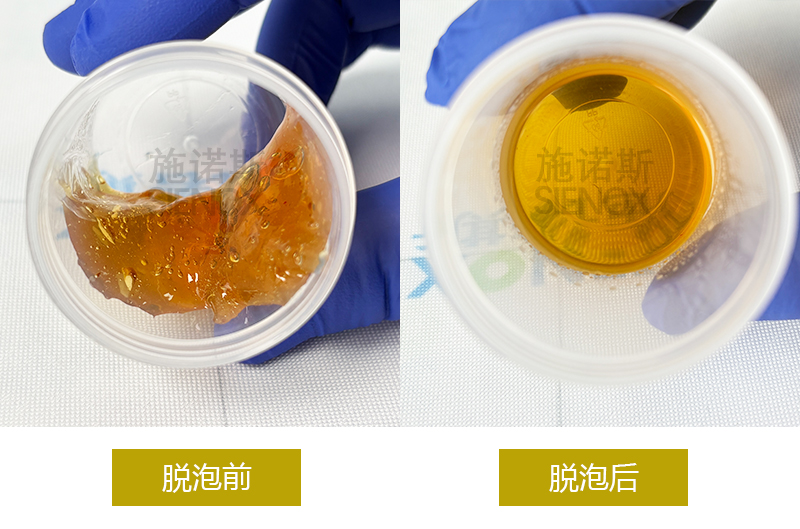
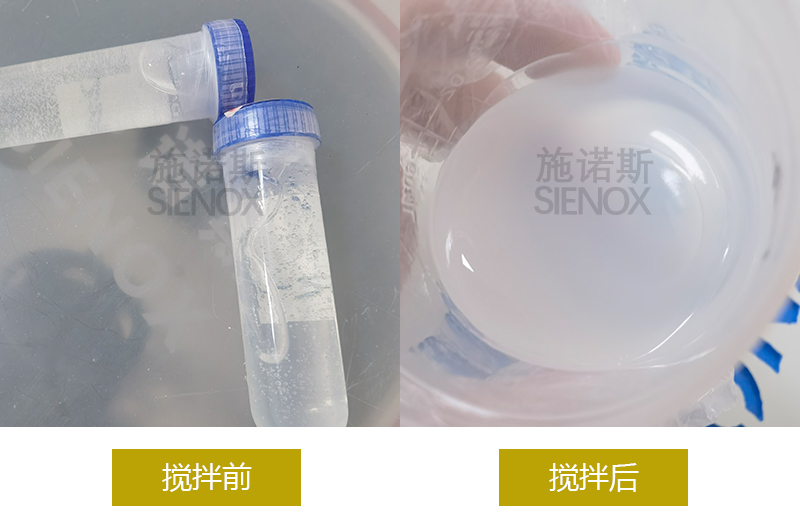
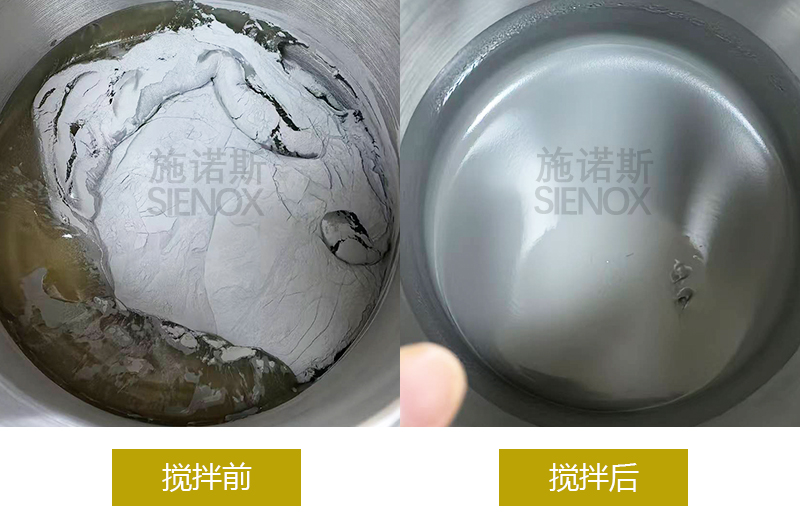
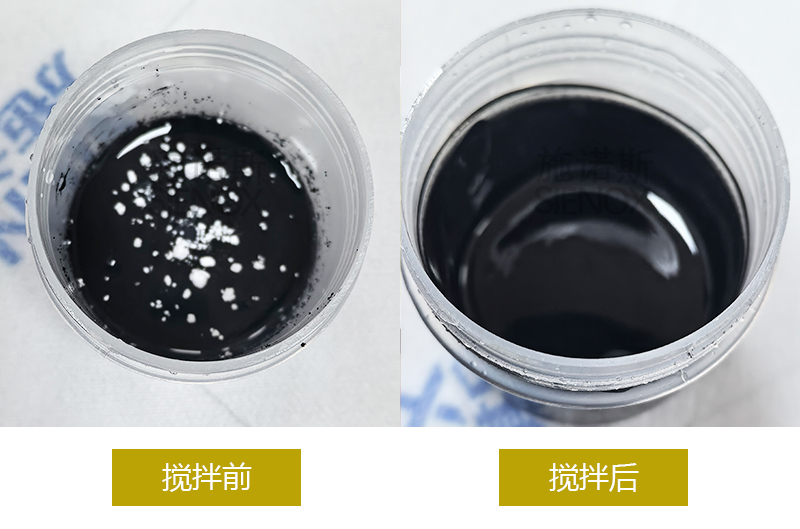
Measured Defoaming‑Process Performance
Measured Processing Results for Six Typical Materials
Paste Materials |
Adhesives & Powders |
Polymer Materials |
Pharmaceutical Gels |
Silver Paste Materials |
Battery Slurries |
Precautions for Use
| Precautions | Operating Instructions |
| Oxygen & Light Isolation | Anaerobic adhesives shall be stored away from oxygen and light to prevent premature polymerization and curing. |
| Avoid Contact with Metal Catalysts | Non-contact defoaming prevents the adhesive from touching metal catalytic components and ensures curing stability. |
| Slow Pressure Relief | Release pressure slowly after defoaming to avoid re-foaming of the adhesive. |
| Timely Filling | Complete filling or dispensing promptly after defoaming and avoid long-term exposure to open air. |
* Internal laboratory test data. Actual results vary depending on adhesive formulation and application process. Contact sales for real customer cases.
Customer Delivery & Application Cases
Rooted in manufacturing frontlines, empowering benchmark production lines and key national research institutions across diverse industries.