


News

TEL:18925129293


How to remove bubbles during feeding for precision hinge components? 【Small Vacuum Defoaming Mixer】
date:2026-10-30author:小施Yield issues of foldable screen hinges are spreading backward from assembly to the upstream feeding stage. The cracking incident of the iPhone Duo inner screen has put hinges in the spotlight. The liquid metal and micro-volume silver adhesive used for precision hinge parts are prone to air entrapment during feeding. This article illustrates the role of small vacuum defoaming mixers in removing air bubbles during feeding for precision hinge components from three aspects: material properties, industry trends and technical solutions.
Why air bubbles are problematic in the feeding process
A hinge consists of hundreds of micro-precision parts. The liquid metal spindle and micro-volume adhesive are highly process-sensitive links. Liquid metal features high specific gravity and tiny feeding volume; trapped air bubbles will lead to shrinkage porosity and internal defects in finished parts. Air entrapment in micro silver glue causes unstable curing strength, which directly undermines the consistency of hinge damping and folding service life. Bubble control is an easily underestimated factor in yield improvement for precision parts, as well as an invisible variable affecting structural reliability of foldable devices.
Impacts brought by the volume growth of foldable phones
News dated October 29: Multiple panel manufacturers pointed out that regular inner screen cracking on the iPhone Duo stems mainly from hinge problems, closely related to hinge structural support and assembly tolerance matching. Industry insiders predict that follow-up product iterations will focus on hinge stroke, support height, lamination accuracy and assembly tolerance coordination. Meanwhile, TrendForce estimates that global foldable phone shipments will see mild growth in 2026, and Apple’s entry will reshape the competitive landscape. Hinges have become the core bottleneck for yield, so feeding processes must be finalized before mass production.
What small vacuum defoaming mixers can achieve
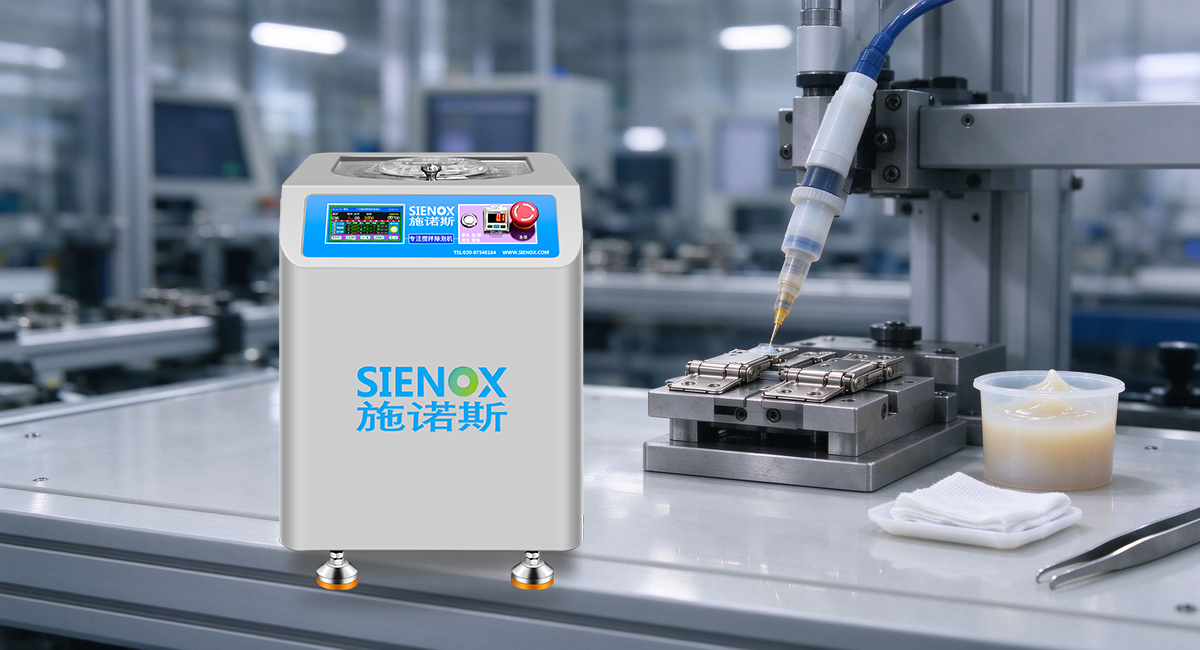
The SIENOX MIX60 is a laboratory-grade model for formulation verification, with a 300ml capacity to support parallel evaluation of multiple formulas. It adopts planetary centrifugal structure with both revolution and rotation: rotational shear plus orbital mixing quickly disperse high-specific-gravity feedstock and force air bubbles to the surface. Defoaming proceeds simultaneously under vacuum (-98 KPa), with a maximum speed of 2000 rpm; temperature control is available as a customized option. Liquid metal and micro silver glue can be sampled and validated on this small-scale unit, with test results seamlessly transferred to pilot and mass-production equipment.
No visible air bubbles remain after feeding tests, and batch-to-batch viscosity and fluidity stay stable. Amid the volume expansion of foldable smartphones, more manufacturers are adding vacuum defoaming mixers to their validation lists for precision component manufacturing. The adaptability of small vacuum defoaming mixers for micro-feeding scenarios and the supporting capacity of silver glue defoaming mixers for precision assembly bonding should be confirmed in advance during capacity planning. The above analysis is compiled from public industry data; actual test results shall be subject to customer trials.
Related recommendations
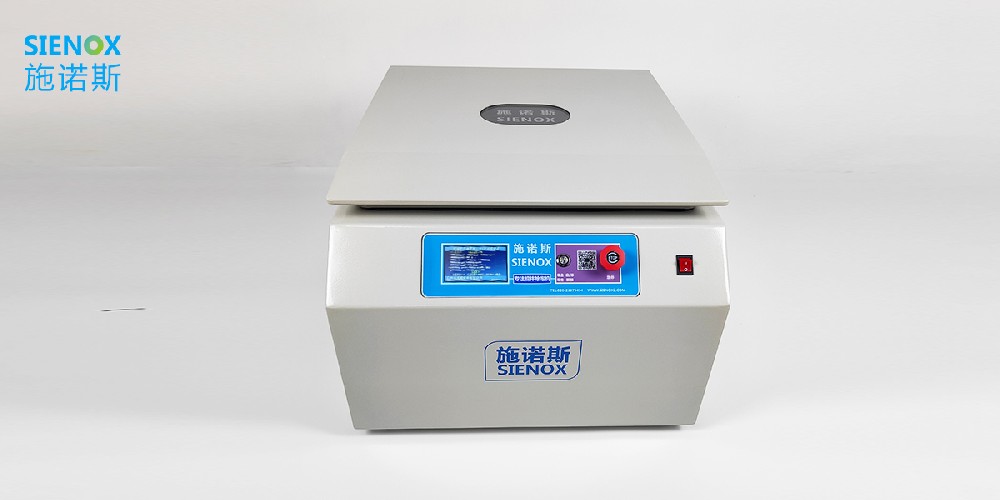
Centrifugal defoaming machine: An efficient tool for both laboratory and factory.

The extensive application fields of planetary defoaming machines.
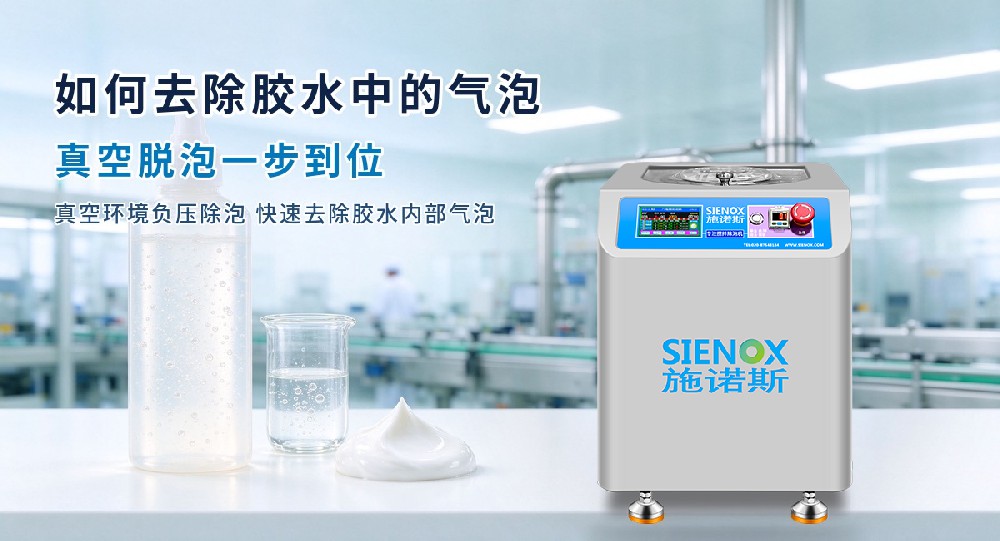
How to remove bubbles from glue

The application of vacuum stirring defoaming machine in the defoaming process of silver paste materials.
Perhaps you still need....
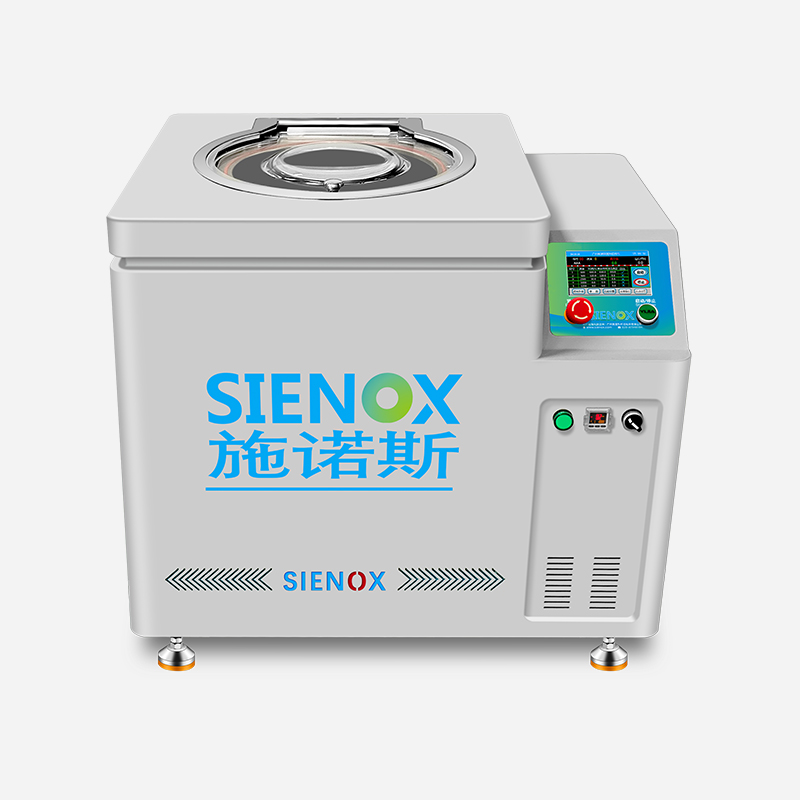
行星式真空脱泡搅拌机 SIE-MIX1000plus
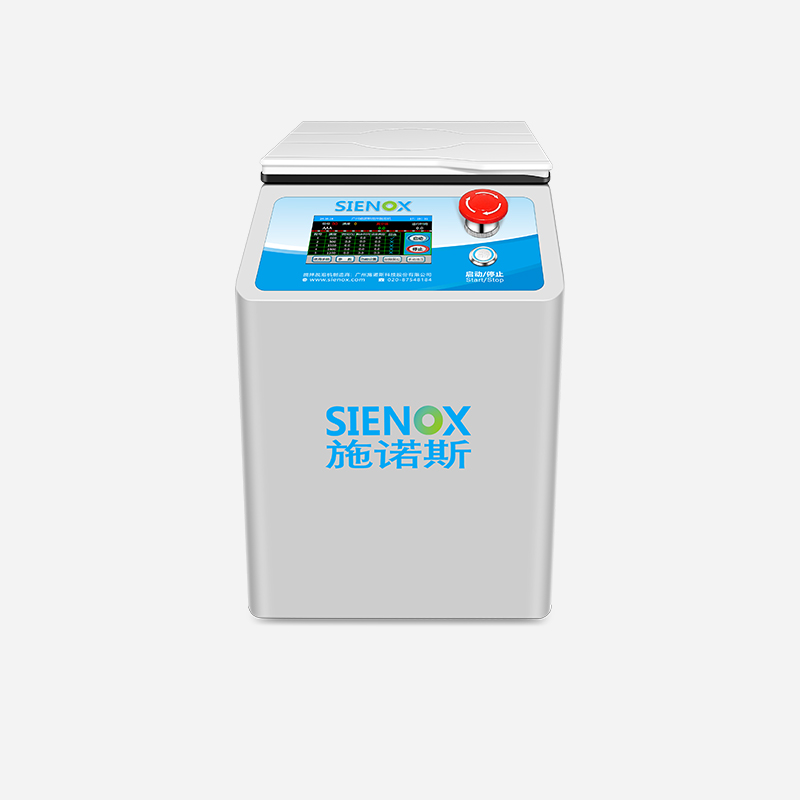
实验室行星式搅拌脱泡机 SIE-SV200
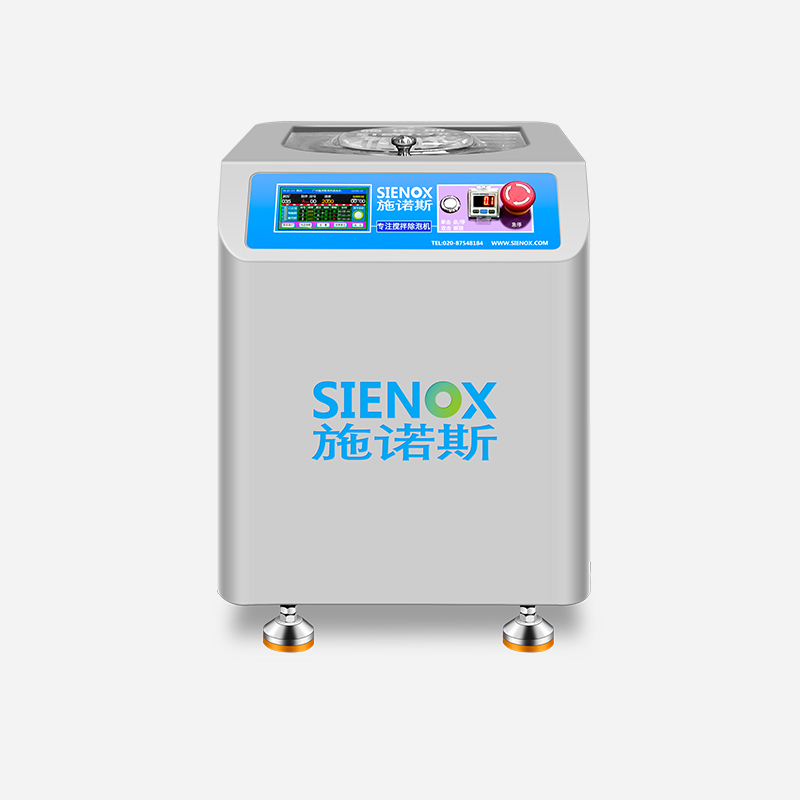
SIENOX行星式脱泡搅拌机 SIE-CV300
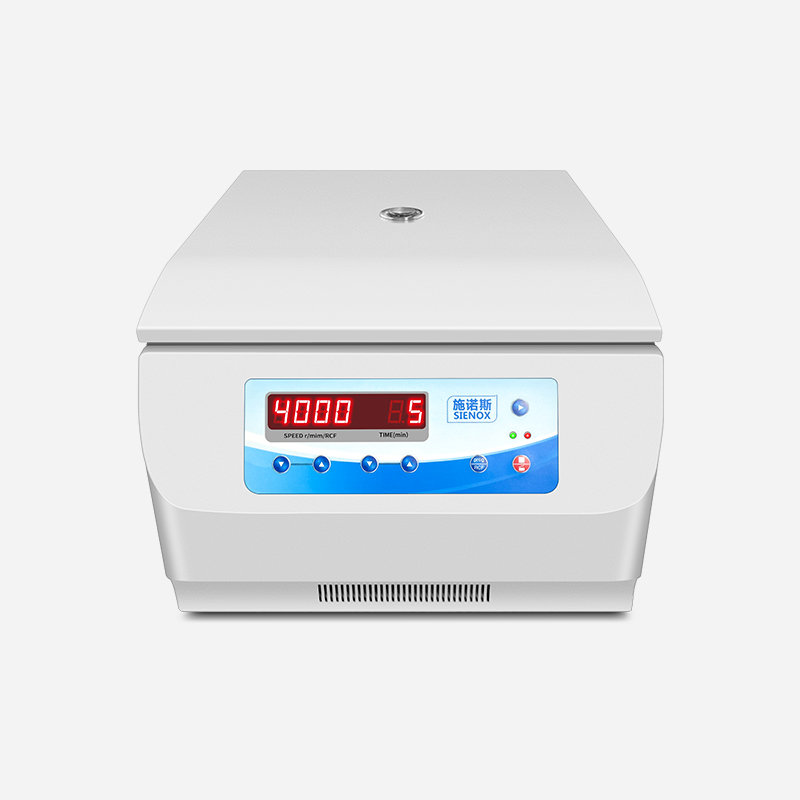
离心脱泡机 SIE-C006
About SIENOX
广州施诺斯(SIENOX),20年脱泡机设备研发与生产的源头厂家
超过1800种材料脱泡案例
纳米级脱泡,满足不同材料多段搅拌除泡需要,支持定制
资质齐全,荣获多项国家专利,联系我们可免费试样