


News

TEL:18925129293


How to solve bubbling of HBM encapsulant? High-viscosity vacuum defoaming mixer
date:2026-10-30author:小施HBM encapsulant is a typical high-viscosity system. Epoxy molding compounds (EMC) and underfill adhesives feature high solid content and high viscosity, and powder fillers tend to agglomerate when blended with resin. Air gets entrapped during high-speed stirring and forms fine microbubbles. Once bubbles enter the package, interfacial voids will emerge. These voids expand under thermal cycling and severely undermine packaging reliability. If the gas content of high-viscosity adhesives cannot be properly controlled, the defect rate of TSV filling and molding processes will remain high.
News released on October 29: CXMT (Changxin Memory Technologies) is set to launch the trial production of HBM3E. Having mastered advanced processes and high-aspect-ratio TSV packaging technology, the company plans to start small-scale trial production of HBM3E high-bandwidth memory within two months. The booming memory chip market fuels capacity expansion in advanced packaging, driving up demand for epoxy molding compounds and underfill materials. Stable process windows for adhesive preparation must be locked down before mass production.
Packaging & testing factories and material suppliers usually confirm mixing and defoaming parameters with real materials at the validation stage before transferring the process to mass-production equipment. SIENOX engineers have recently received numerous inquiries from packaging material manufacturers, who need to complete sample validation for high-viscosity HBM encapsulant.
The SIENOX MIX1000PLUS planetary stirring defoaming machine was used for the validation test. Adopting a dual-motion structure with revolution and rotation, the self-spinning rotation generates strong shear force to fully wet and disperse high-solid-content fillers. The orbital revolution creates centrifugal force that pushes air bubbles toward the liquid surface. Bubbles are then extracted simultaneously under a high vacuum of -98 kPa. The unit reaches a maximum speed of 2000 rpm, with temperature control available as a custom configuration. Its 1000 ml working volume fits pilot tests and pre-mass-production verification for packaging adhesives, and the tested parameters can be directly scaled up for production-scale machines.
Test results show no powder agglomeration and no visible bubbles in the finished adhesive, and the void rate at the cured packaging interface drops significantly. Amid capacity expansion for advanced packaging, vacuum planetary centrifugal mixers for high-viscosity materials are being added to verification lists on many production lines. The performance of high-viscosity vacuum defoaming mixers for HBM encapsulant, as well as epoxy resin vacuum defoaming mixers for molding compounds and underfill material preparation, are attracting widespread industry attention. All parameters are compiled from public industry data; actual test results shall be subject to customer sample verification.
Related recommendations
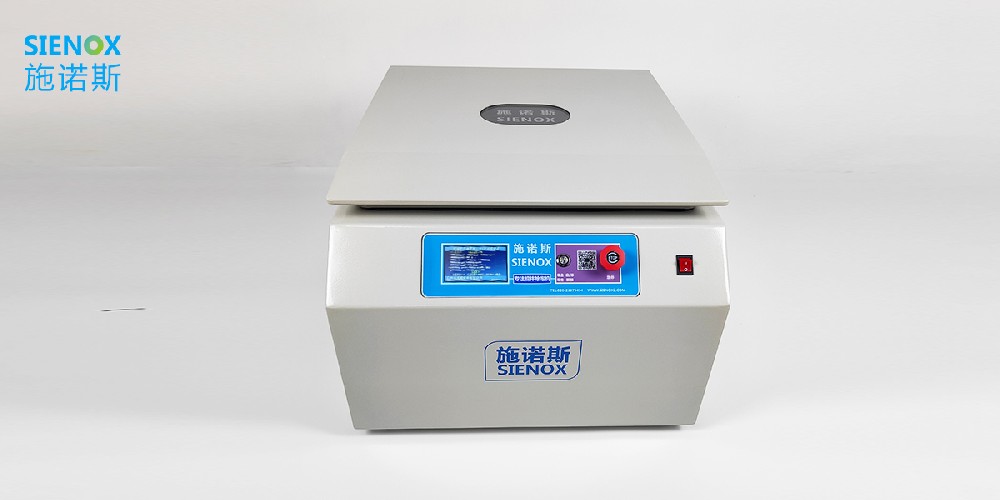
Centrifugal defoaming machine: An efficient tool for both laboratory and factory.
The extensive application fields of planetary defoaming machines.
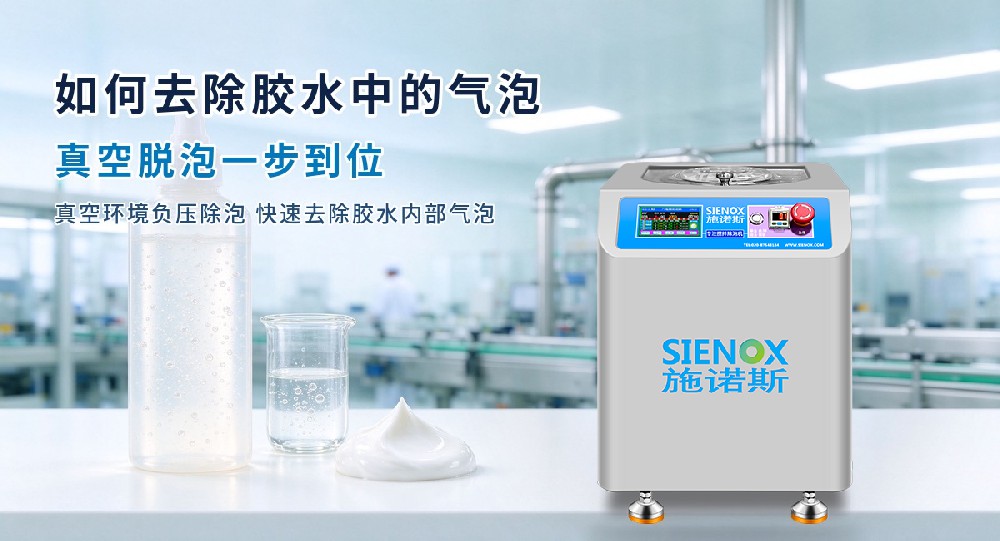
How to remove bubbles from glue

The application of vacuum stirring defoaming machine in the defoaming process of silver paste materials.
Perhaps you still need....
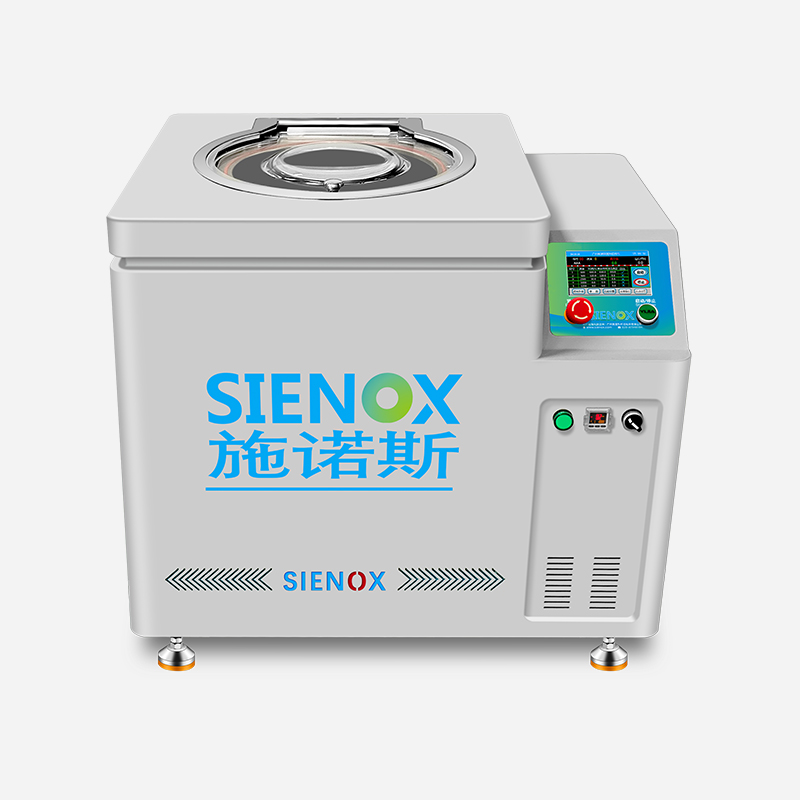
行星式真空脱泡搅拌机 SIE-MIX1000plus
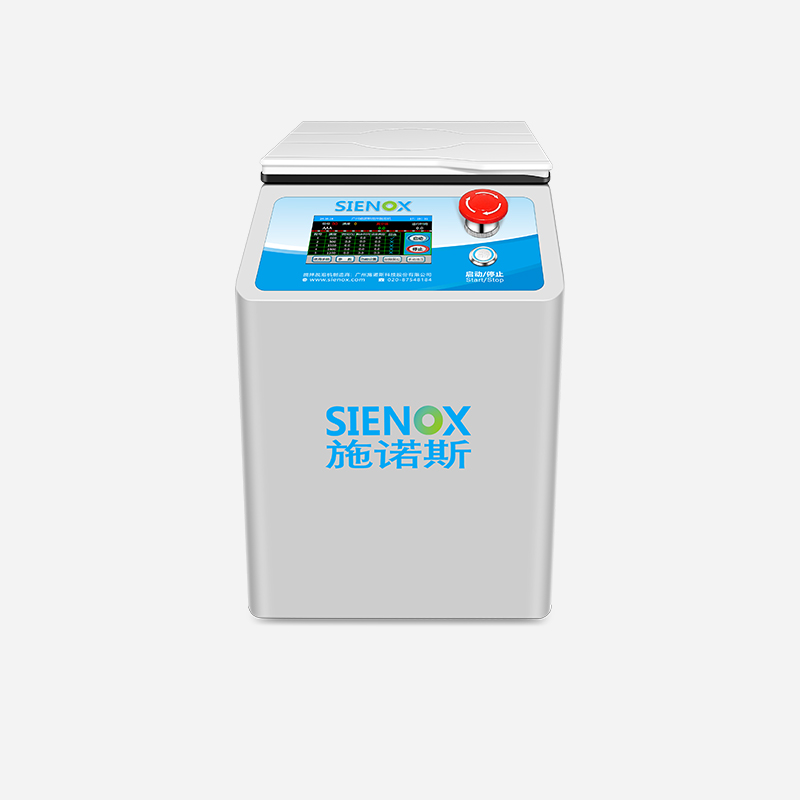
实验室行星式搅拌脱泡机 SIE-SV200
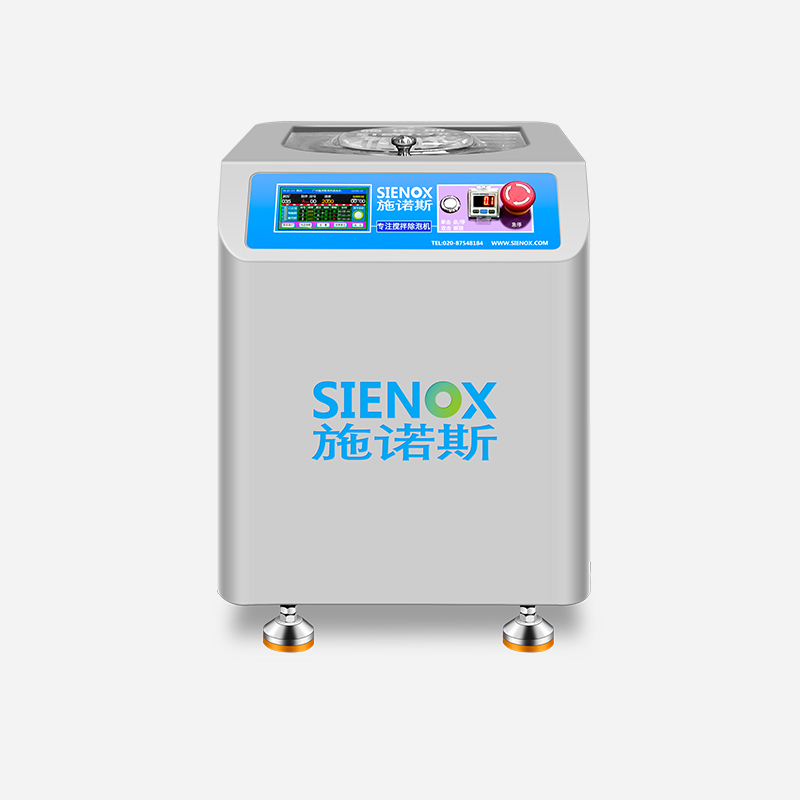
SIENOX行星式脱泡搅拌机 SIE-CV300
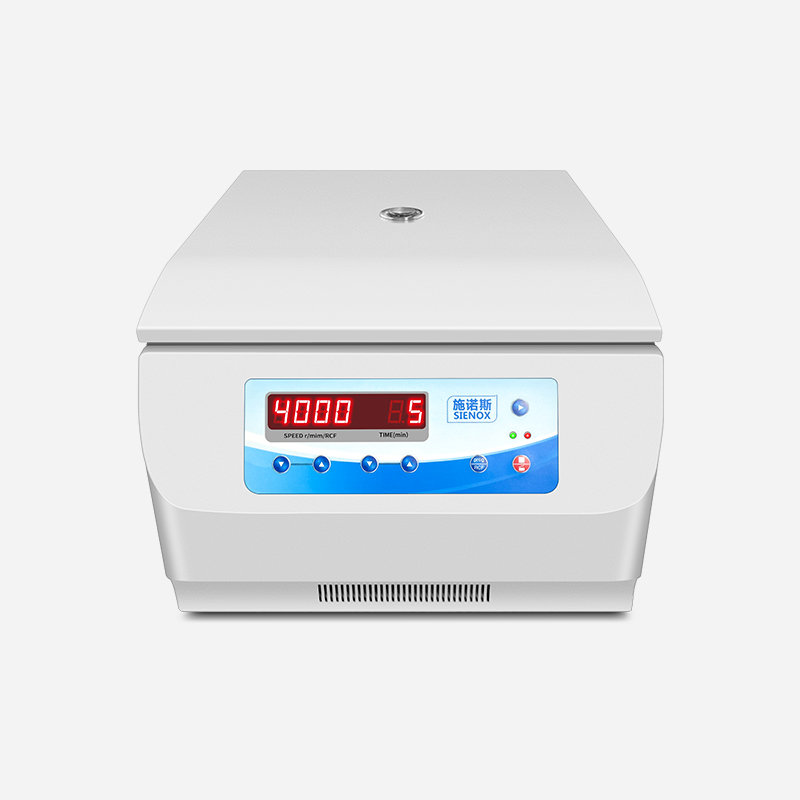
离心脱泡机 SIE-C006
About SIENOX
广州施诺斯(SIENOX),20年脱泡机设备研发与生产的源头厂家
超过1800种材料脱泡案例
纳米级脱泡,满足不同材料多段搅拌除泡需要,支持定制
资质齐全,荣获多项国家专利,联系我们可免费试样