


News

TEL:18925129293


How to solve the problem of bubbles after epoxy resin stirring?
date:2026-10-20author:小施Epoxy resin tends to trap air and form bubbles during stirring and potting processes, commonly seen in electronic component potting, composite casting, handicraft pouring and other applications. Bubbles will impair appearance, sealing performance and insulation property. The solution is divided into three steps: reduce air entrainment in the stirring stage first, then remove generated bubbles by standing, vacuum pumping or centrifugation. For mass production, use a vacuum stirring and defoaming machine to complete defoaming while mixing.
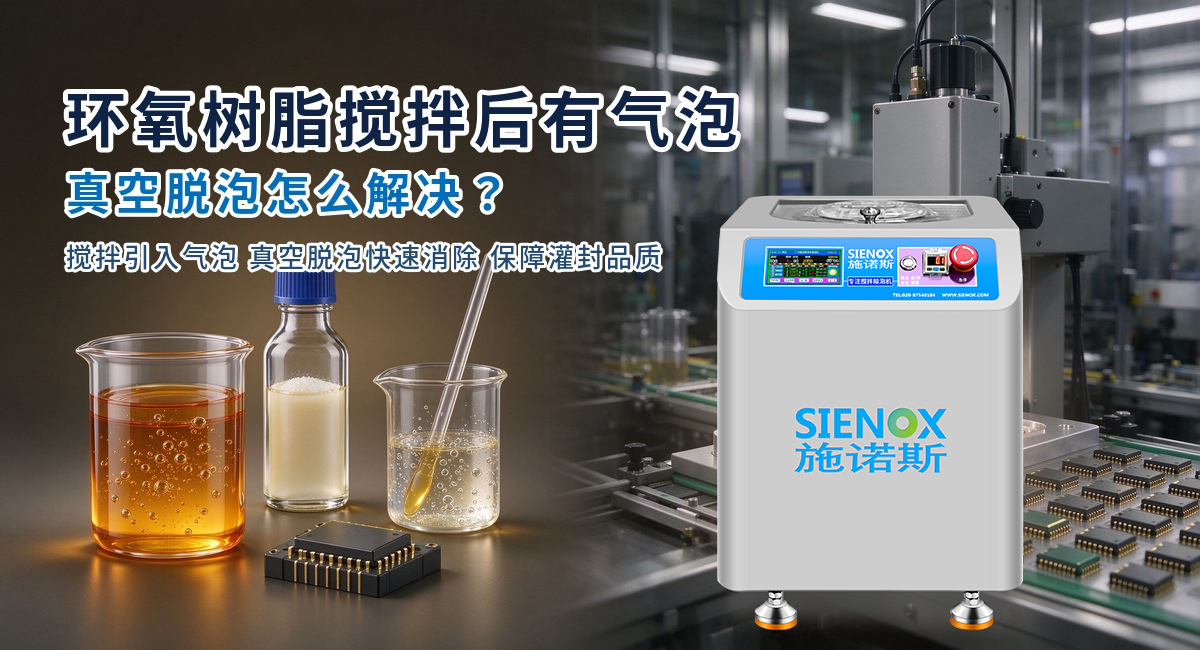
I. Sources of bubbles in epoxy resin
Air entrapment during stirring: Excessively fast stirring speed or improper feeding method wraps air into the glue and forms bubbles of different sizes;
Component precipitation: After epoxy resin is mixed with curing agent, some low-molecular components precipitate to form tiny bubbles during stirring;
Filler entrainment: When adding fillers such as silica powder and alumina, air is trapped in the gaps of powder particles. The higher the viscosity of glue, the harder it is for bubbles to float up and burst automatically.
II. Common solutions
Reduce speed during stirring and feed slowly along the container wall to reduce air entrapment;
Defoaming by standing: For small batches, let the material stand for several minutes to allow large bubbles to rise naturally; limited effect on microbubbles;
Vacuum defoaming: Place glue in vacuum environment to expand and release bubbles, suitable for medium and low viscosity glue;
Centrifugal defoaming: Push bubbles to liquid surface by centrifugal force, suitable for high-viscosity and filler-containing systems;
Combined vacuum & stirring: Vacuum pumping while mixing, finish stirring and defoaming simultaneously, suitable for mass production.
III. How to select mass defoaming equipment
SIENOX MIX series vacuum stirring and defoaming machines are available for batch epoxy resin defoaming, including MIX60, MIX1000PLUS, MIX2000 and other models. Select models according to batch capacity and material viscosity. The vacuum degree of the machine reaches -98 kPa. Reference for regular process: rotation speed is generally set at about 1500 r/min, single batch processing time is about 3 minutes. Actual rotation speed, processing time and feeding amount should be adjusted according to glue viscosity, filler content and target defoaming effect. Reserve space for bubbles escaping during feeding.
Model | Rated Capacity |
MIX60 | 300 mL |
MIX1000PLUS | 1000 mL |
MIX2000 | 2000 mL |
Confirm three conditions before selection: batch volume, glue viscosity and whether fillers are contained. Choose MIX60 for lab test, and MIX1000PLUS, MIX2000 in turn for larger processing volume.
If you are unsure which defoaming method suits your glue, provide glue type, viscosity and batch volume. SIENOX technical engineers will recommend the corresponding model.
Guangzhou SIENOX Technology Co., Ltd.
Website: www.sienox.com Tel: 18925129293
Related recommendations
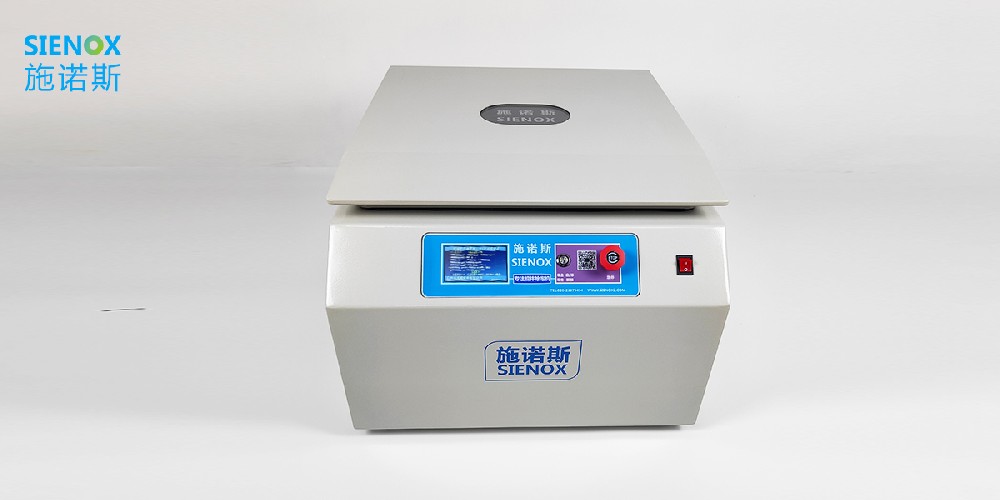
Centrifugal defoaming machine: An efficient tool for both laboratory and factory.
The extensive application fields of planetary defoaming machines.
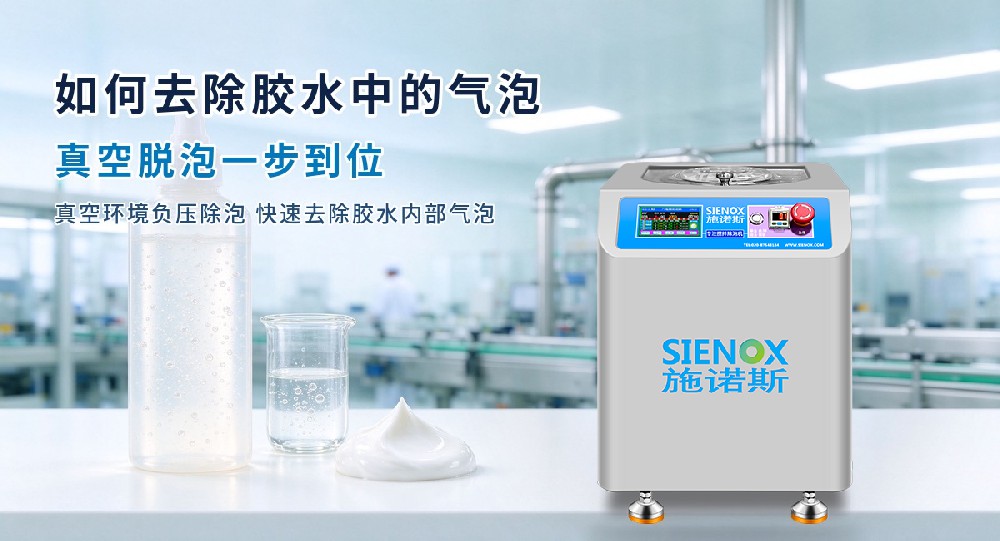
How to remove bubbles from glue
The application of vacuum stirring defoaming machine in the defoaming process of silver paste materials.
Perhaps you still need....
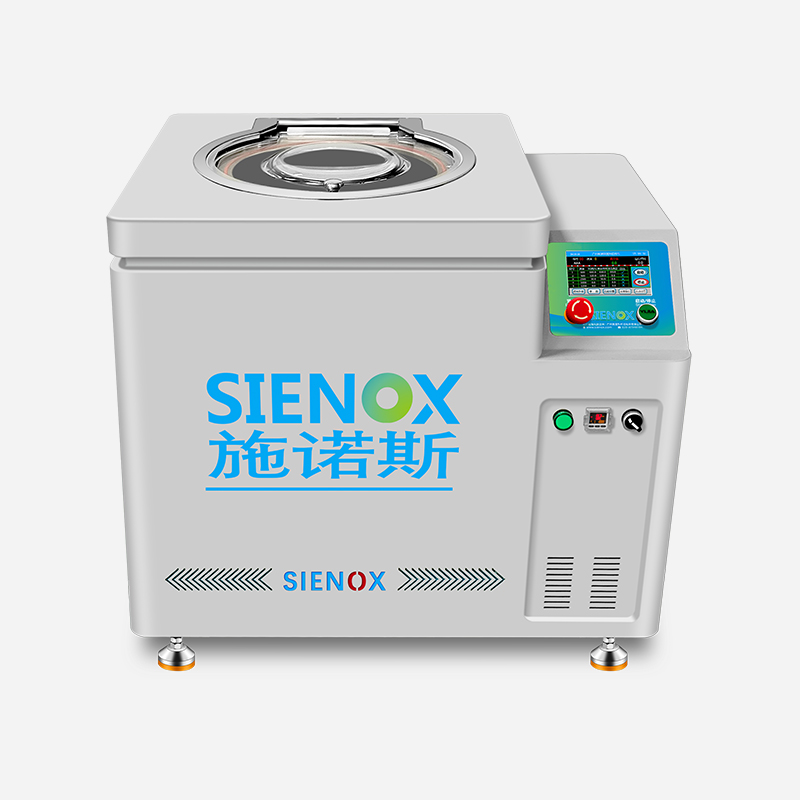
行星式真空脱泡搅拌机 SIE-MIX1000plus
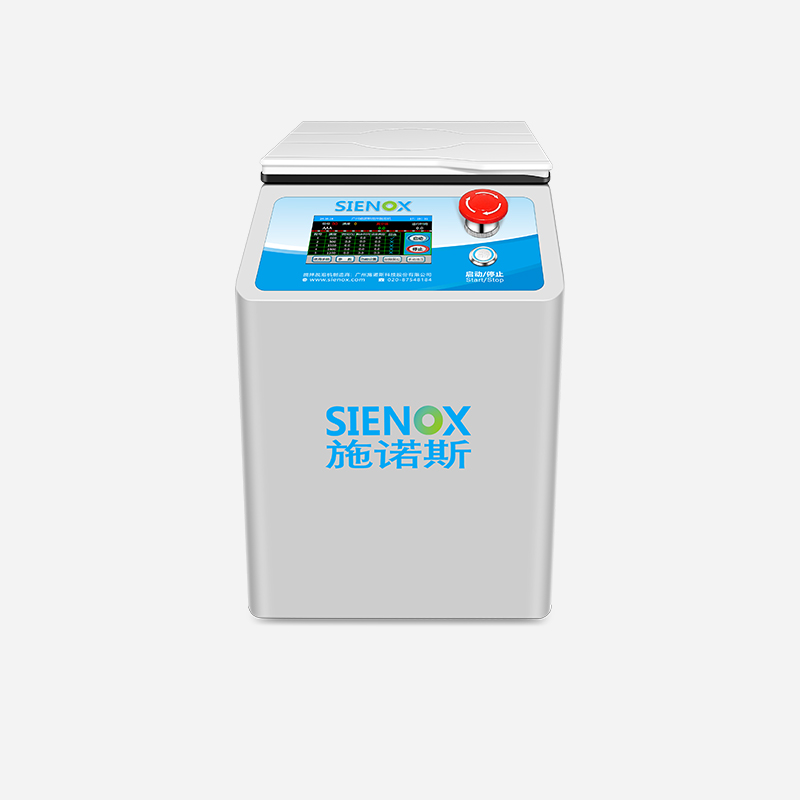
实验室行星式搅拌脱泡机 SIE-SV200
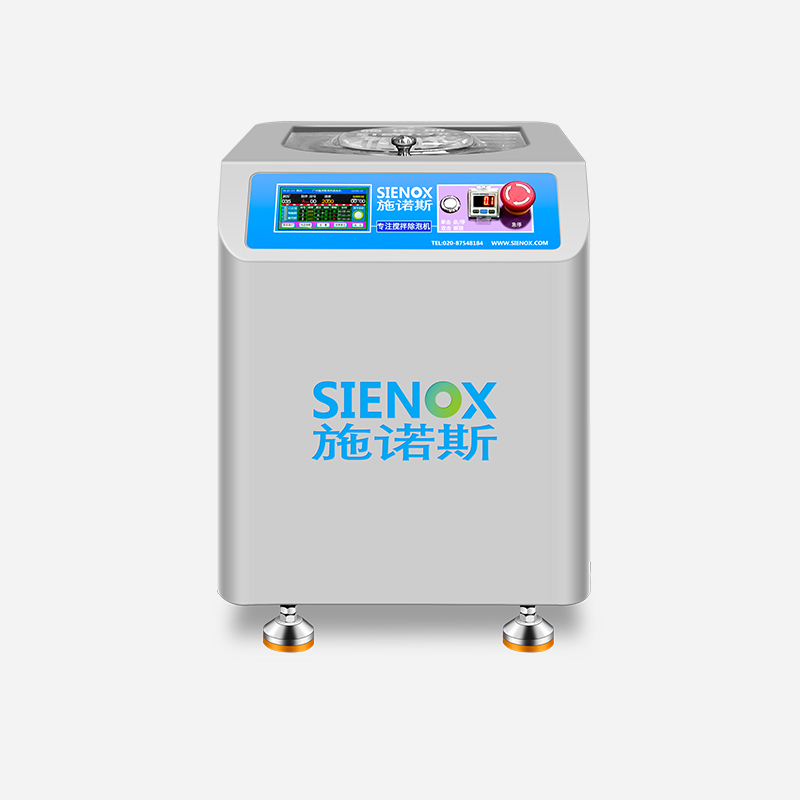
SIENOX行星式脱泡搅拌机 SIE-CV300
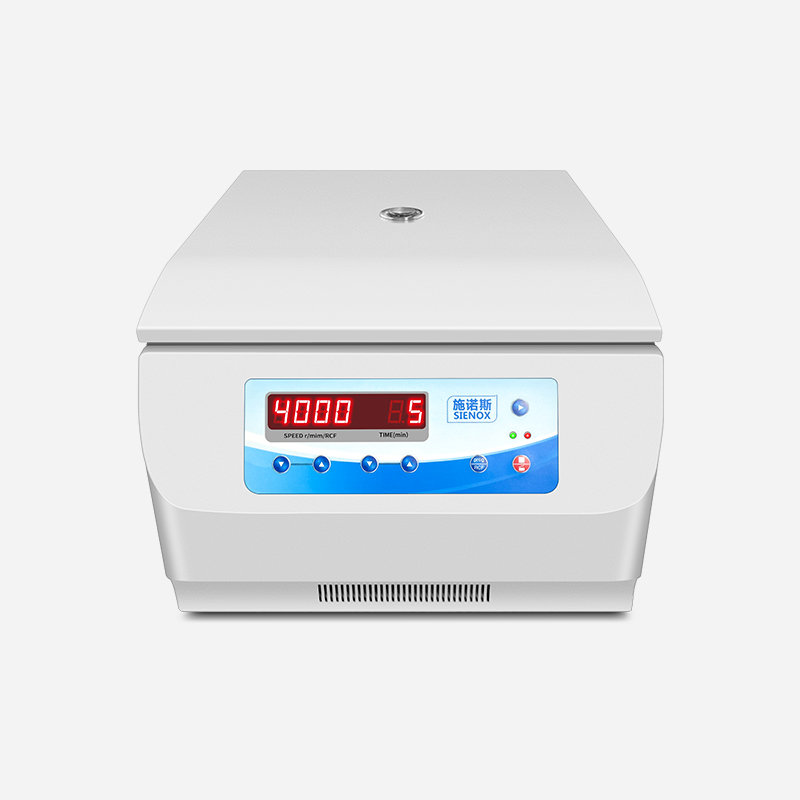
离心脱泡机 SIE-C006
About SIENOX
广州施诺斯(SIENOX),20年脱泡机设备研发与生产的源头厂家
超过1800种材料脱泡案例
纳米级脱泡,满足不同材料多段搅拌除泡需要,支持定制
资质齐全,荣获多项国家专利,联系我们可免费试样