


News

TEL:18925129293


What is the difference between vacuum centrifugal defoaming machine and ordinary high-speed centrifuge?
date:2026-10-20author:小施Although both rely on centrifugal force for operation, they serve different purposes. A conventional high-speed centrifuge is designed for separation, which stratifies substances of varying densities without a vacuum environment. A vacuum centrifugal defoaming machine focuses on bubble removal; it applies vacuum pumping while generating centrifugal force to extract microbubbles inside colloids and slurries. Before equipment selection, clarify whether your requirement is "separation" or "bubble elimination" to choose the right machine.
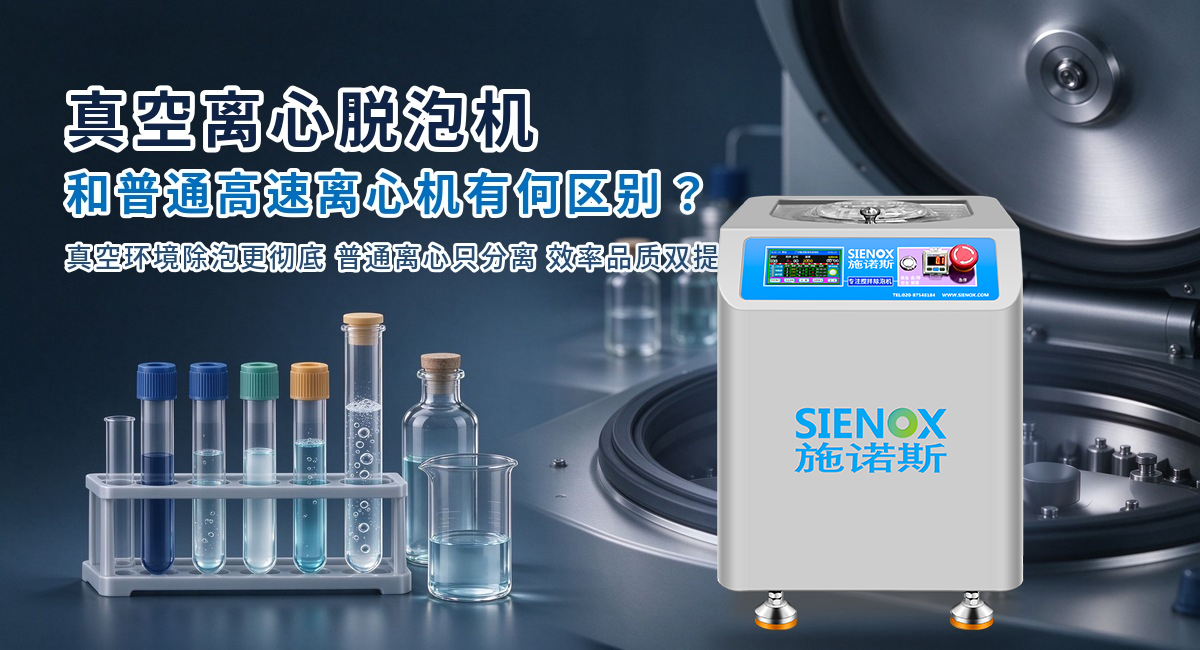
I. What does an ordinary high-speed centrifuge do
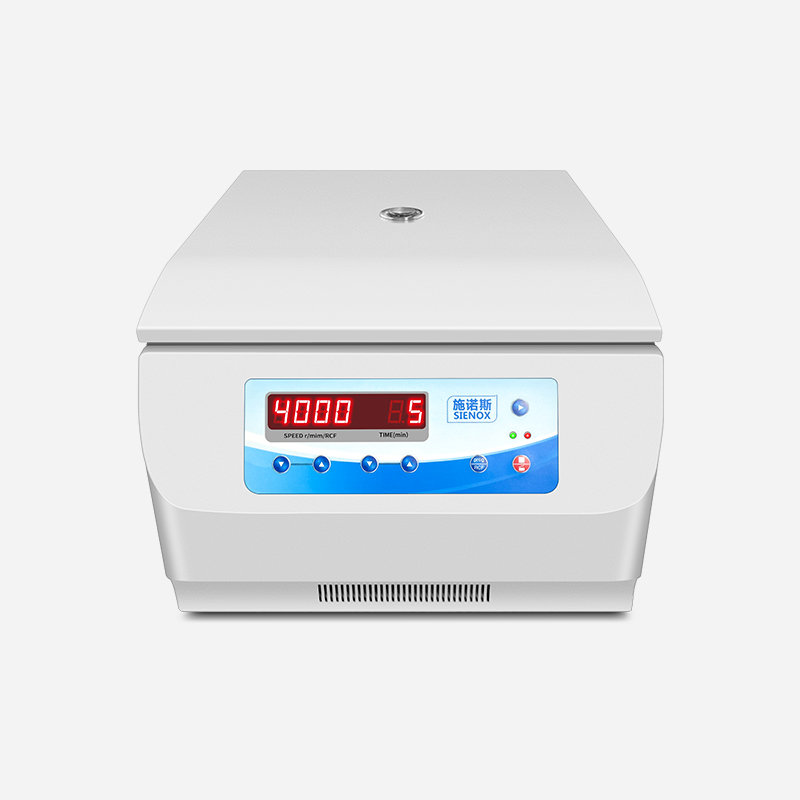
An ordinary high-speed centrifuge generates centrifugal force through high-speed rotation, pushing higher-density components outward to achieve solid-liquid separation or liquid-liquid stratification. It is commonly used in laboratory extraction, serum separation, sample precipitation and other scenarios. It has no vacuum system and is used for samples requiring stratification rather than bubble-prone glue or slurry. When material defoaming is needed, an ordinary centrifuge can only push bubbles to one side. Without negative pressure to expand and release microbubbles, its defoaming effect is limited.
II. Why vacuum centrifugal defoaming machine can remove bubbles
A vacuum centrifugal defoaming machine evacuates the chamber while producing centrifugal force via rotation. Microbubbles in colloid or slurry expand under negative pressure and are pushed to the liquid surface by centrifugal force to burst and escape. Centrifugation and vacuuming work simultaneously. It suits high-viscosity, filler-containing materials that cannot be easily defoamed by standing still, such as adhesives, lithium battery slurries, semiconductor packaging compounds and epoxy potting adhesives.
III. Comparison of core differences
Comparison Item | Ordinary High-speed Centrifuge | Vacuum Centrifugal Defoaming Machine |
Working Principle | Stratification only by centrifugal force | Centrifugation with synchronous vacuum pumping |
Vacuum Environment | No | Yes, bubbles expand and escape under negative pressure |
Main Application | Solid-liquid & liquid-liquid separation | Defoaming of colloids and slurries |
Applicable Materials | Laboratory samples for separation | High-viscosity colloids, filler-loaded slurries, potting adhesives |
Defoaming Capacity | Limited, only shifts bubbles | Capable of removing microbubbles |
Corresponding SIENOX Model | — | SIE-VH350 / SIE-VH600 / SIE-VH960 |
IV. How to choose the right equipment
If you need to separate solid from liquid or stratify two liquids in samples → choose ordinary high-speed centrifuge;
If you need to eliminate bubbles in glue or slurry to guarantee appearance and consistency after potting, casting or dispensing → choose vacuum centrifugal defoaming machine;
For high-viscosity, filler-loaded materials that cannot be defoamed by standing still → vacuum centrifugal defoaming is preferred.
V. SIENOX SIE-VH Series Vacuum Centrifugal Defoaming Machines
SIE-VH350, SIE-VH600 and SIE-VH960 are classified by processing capacity, suitable for defoaming processes of adhesives, new energy slurries and semiconductor packaging materials. If you are unsure whether your material fits centrifugal defoaming, provide adhesive type, viscosity and batch volume for technical engineers to evaluate and recommend the proper model.
Guangzhou SIENOX Technology Co., Ltd.
Website: www.sienox.com Tel: 18925129293
Related recommendations
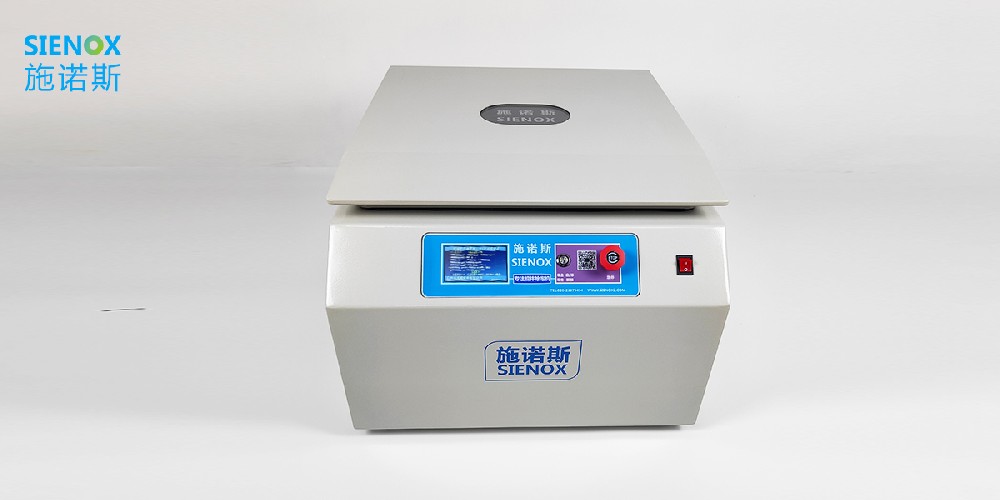
Centrifugal defoaming machine: An efficient tool for both laboratory and factory.
The extensive application fields of planetary defoaming machines.
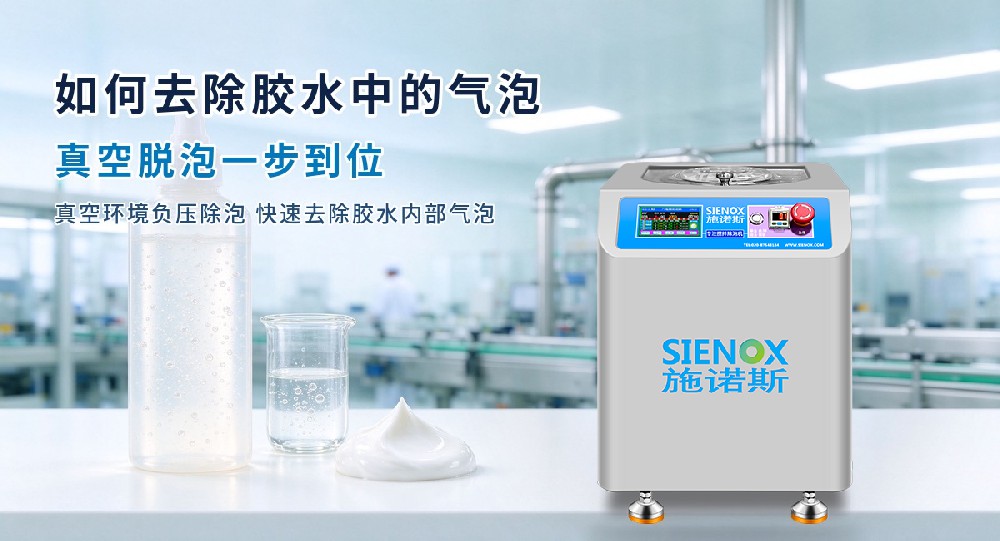
How to remove bubbles from glue
The application of vacuum stirring defoaming machine in the defoaming process of silver paste materials.
Perhaps you still need....
行星式真空脱泡搅拌机 SIE-MIX1000plus
实验室行星式搅拌脱泡机 SIE-SV200
SIENOX行星式脱泡搅拌机 SIE-CV300
离心脱泡机 SIE-C006
About SIENOX
广州施诺斯(SIENOX),20年脱泡机设备研发与生产的源头厂家
超过1800种材料脱泡案例
纳米级脱泡,满足不同材料多段搅拌除泡需要,支持定制
资质齐全,荣获多项国家专利,联系我们可免费试样