


News

TEL:18925129293


How to Select Battery Slurry Mixers for Front-End Slurry Preparation Amid Lithium Battery Capacity Expansion
date:2026-10-14author:小施The lithium battery equipment industry is undergoing a round of intensive capacity expansion. Lead Intelligent has delivered its new-generation mass-production dry coating equipment to a leading global comprehensive lithium battery manufacturer. Since Q2, its orders have covered core process equipment across the whole chain including dry electrodes, electrolyte coating, transfer printing and solid-state stacking. During production line planning, most attention is usually paid to coating and stacking, while front-end slurry preparation is often underestimated. Poorly prepared slurry makes it difficult to guarantee the yield of subsequent processes.
In wet-process production lines, the mixing and dispersion of electrode slurry directly determine coating quality. Fluctuations in solid content and residual bubbles will cause pinholes or uneven thickness on electrode sheets. The dry electrode route eliminates solvents and drying steps, yet places even stricter requirements on powder mixing uniformity. No matter which route is adopted, the front-end process must first achieve homogenization and degassing to stabilize production.
A lithium battery enterprise contacted SIENOX during its new production line planning. It aimed to verify mixing uniformity and defoaming performance of electrode slurry under high solid content at the equipment selection stage. SIENOX engineers conducted process window tests with real slurry samples, supplying reproducible data for front-end equipment selection rather than relying merely on equipment specification sheets.
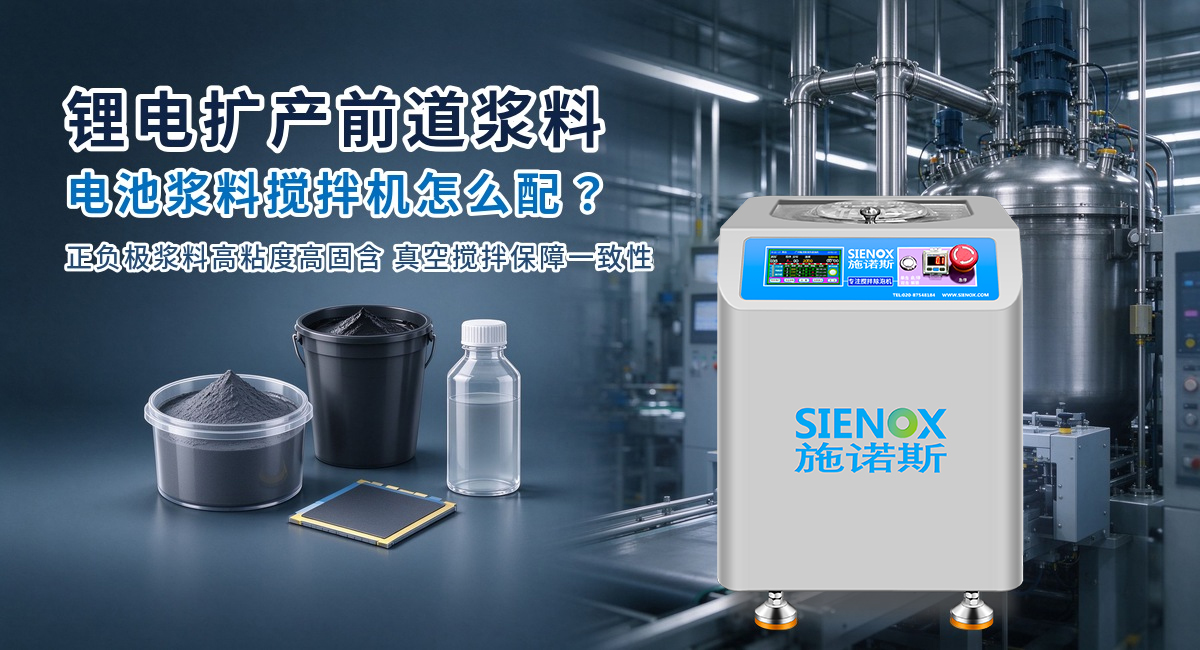
The SIENOX MIX1000PLUS used for verification adopts a planetary revolution and rotation structure to deliver dual effects of rotational shearing and revolutionary stirring. Combined with vacuum environment (-98KPa), it completes defoaming alongside mixing, with a maximum rotation speed of 2000rpm. It is suitable for small-batch verification of high-solid-content electrode slurry. The 1000ml processing volume fits pilot tests and formula evaluation scenarios, with temperature control available as a customized option. Test results can provide reference for parameter setting of scaled-up equipment.
The tested slurry features stable homogenization without visible bubbles, and its viscosity and solid content meet coating requirements. As lithium battery capacity expansion and front-end equipment upgrading move forward simultaneously, mixing and defoaming of electrode slurry is evolving from an auxiliary procedure into a critical configuration for yield assurance. Battery slurry mixers and lithium battery defoaming machines, adopting the planetary revolution-rotation plus vacuum route, deliver stable front-end support for high-solid-content slurry applications. Relevant conclusions are summarized based on public industry process data, and actual measured data shall be subject to customer verification.
Related recommendations
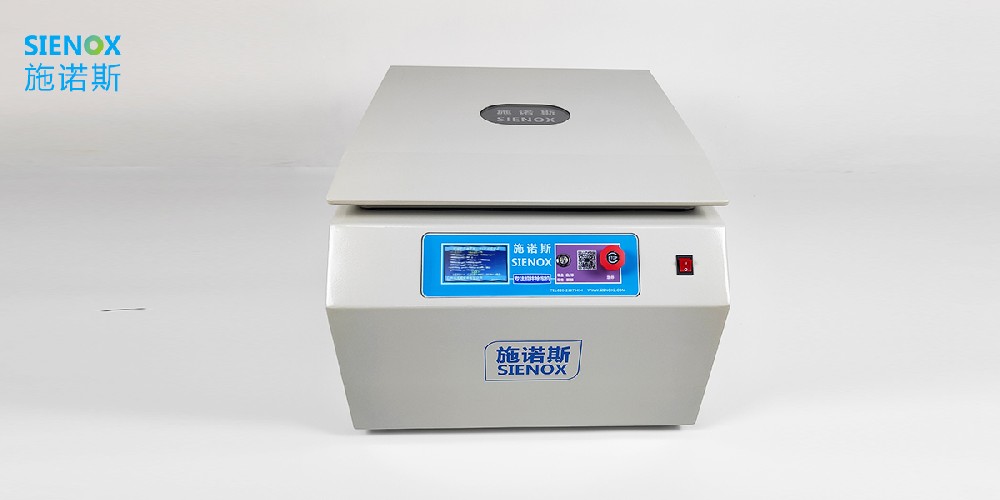
Centrifugal defoaming machine: An efficient tool for both laboratory and factory.

The extensive application fields of planetary defoaming machines.
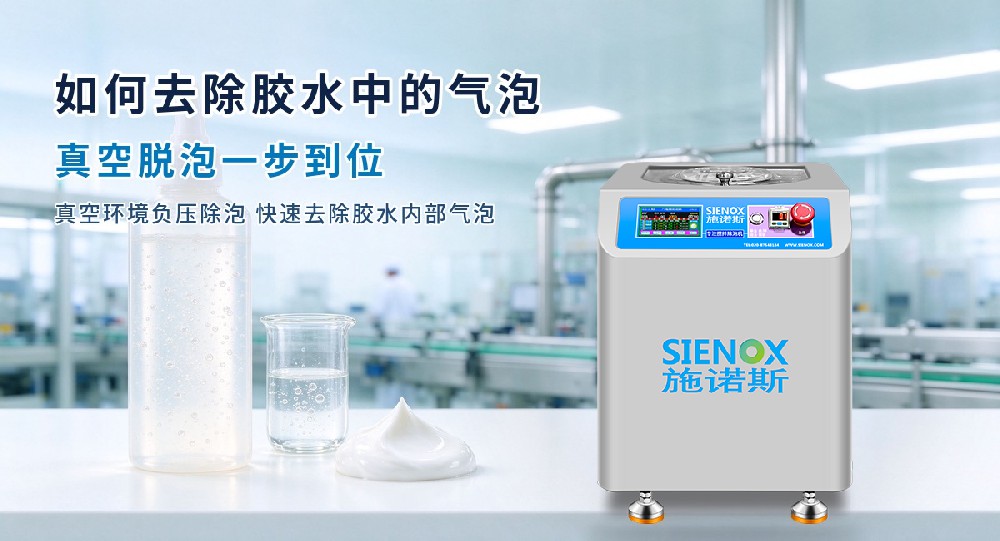
How to remove bubbles from glue

The application of vacuum stirring defoaming machine in the defoaming process of silver paste materials.
Perhaps you still need....
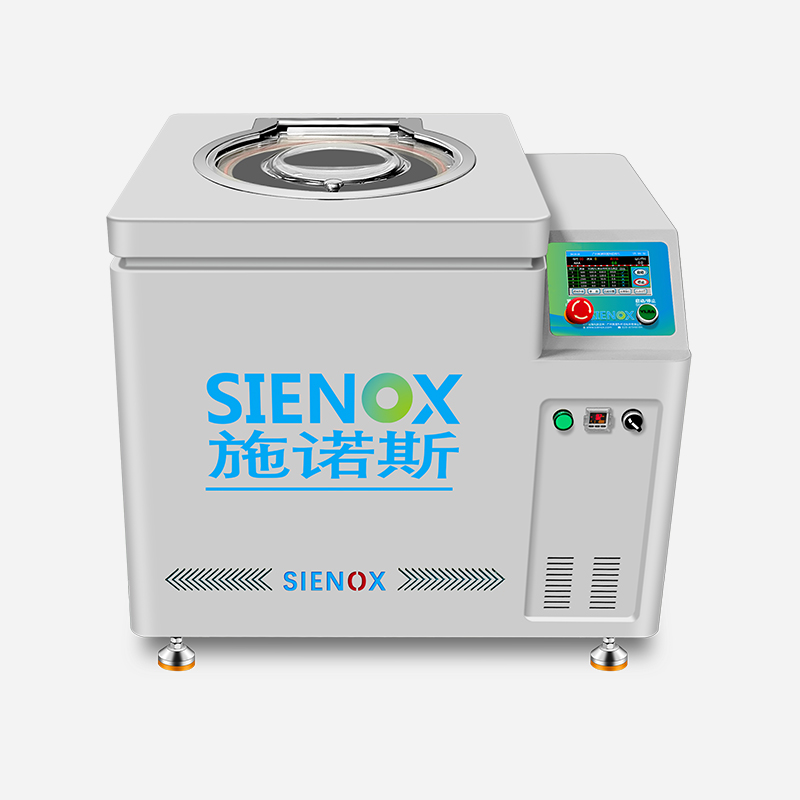
行星式真空脱泡搅拌机 SIE-MIX1000plus
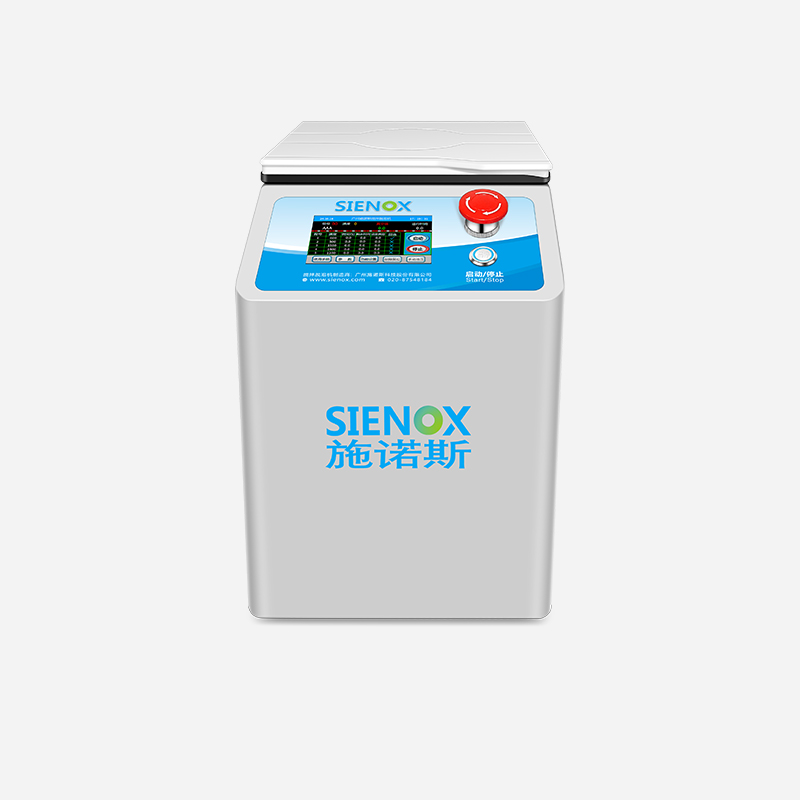
实验室行星式搅拌脱泡机 SIE-SV200
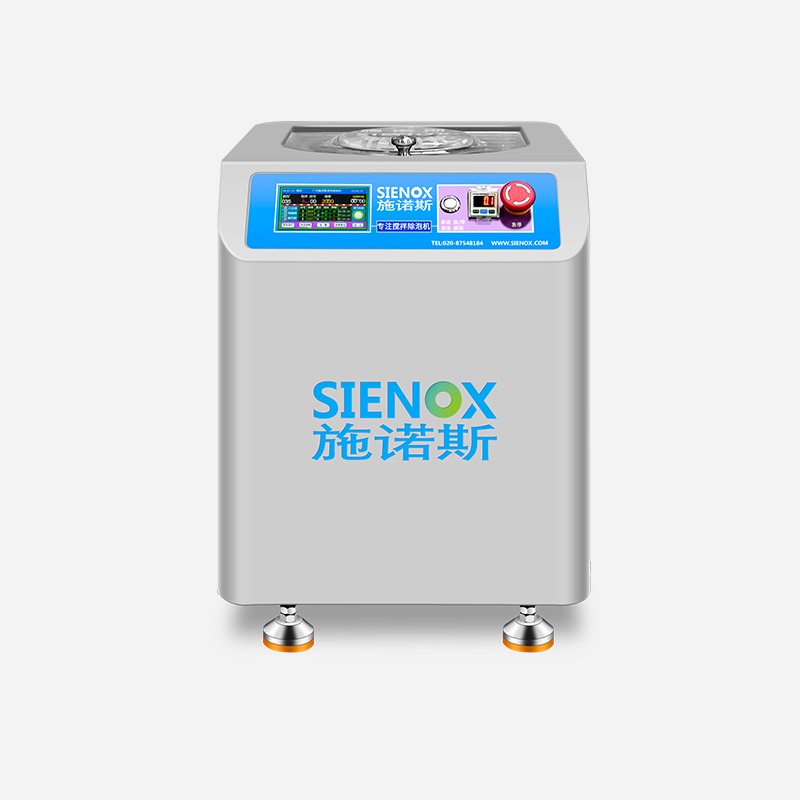
SIENOX行星式脱泡搅拌机 SIE-CV300
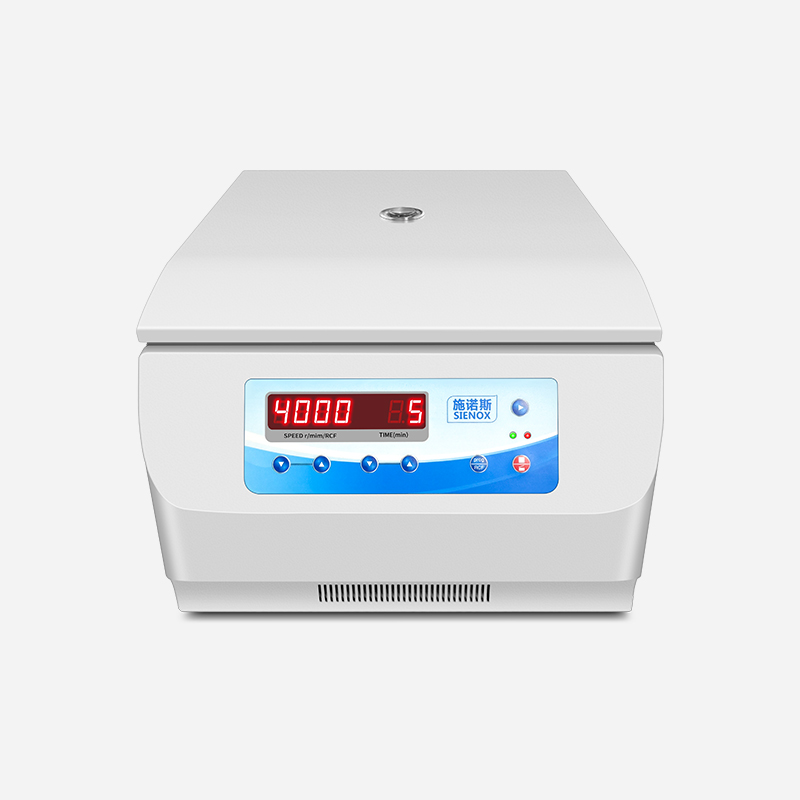
离心脱泡机 SIE-C006
About SIENOX
广州施诺斯(SIENOX),20年脱泡机设备研发与生产的源头厂家
超过1800种材料脱泡案例
纳米级脱泡,满足不同材料多段搅拌除泡需要,支持定制
资质齐全,荣获多项国家专利,联系我们可免费试样