


News

TEL:18925129293


Solder Paste Mixing Defoaming Machine: Should Solder Paste Be Defoamed Before Use?
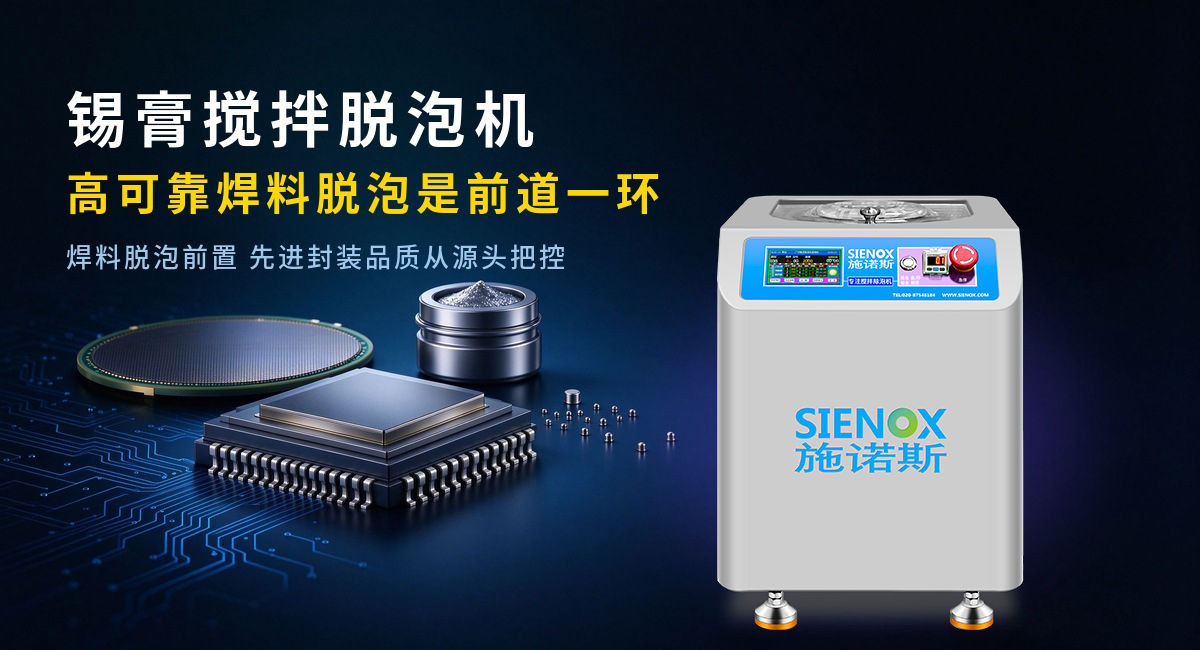
date:2026-10-13author:小施At the Advanced Materials Innovation and Development Conference, Jiwei Network reported that Chenri formic acid solder paste, representing the third-generation solder paste technology, made its debut. It uses the reducing atmosphere of formic acid to reduce metal oxides during reflow soldering, achieving zero residue and no-clean performance while meeting automotive-grade ion contamination requirements. It is matched with self-developed formic acid vacuum reflow soldering equipment. Welding materials keep upgrading, yet to translate material performance into qualified solder joints, pre-use mixing and defoaming is an indispensable front-end step. The value of solder paste mixing defoaming machines has therefore been re-evaluated.
Solder paste consists of solder powder, flux and solvent. It tends to absorb moisture, settle and trap air during storage and transportation. If microbubbles remain inside the paste before printing and reflow, voids will form in the reflow stage, directly impairing solder joint reliability and batch consistency. This requirement is independent of flux system upgrades. Whether it is conventional solder paste or new no-clean solder paste, pre-treatment by defoaming is a universal process requirement.
Solution Background: Higher Requirements for Solder Paste Pre-Treatment During New Product Introduction
An electronic assembly enterprise found during new product introduction that manual stirring before solder paste use could not guarantee batch consistency. Air pores appeared locally after printing and void ratio remained unstable after reflow soldering. A repeatable mixing and defoaming workflow was required.
Processing Challenges: High-Viscosity Thixotropic Paste With Hard-to-Control Stirring Intensity
Solder paste features high viscosity and sensitive thixotropy. Over-stirring damages paste structure while insufficient stirring leads to uneven settlement of solder powder. Atmospheric stirring alone cannot remove deep-seated microbubbles, which expand and turn into voids during reflow after printing.
Why Choose SIENOX Equipment
SIENOX MIX60 adopts planetary revolution and rotation motion. It mixes paste under mild and sufficient shearing, and removes internal bubbles simultaneously under vacuum (-98KPa). The maximum rotating speed is 2000rpm without destroying the rheological properties of solder paste. Its 300ml capacity fits on-line material preparation and small-batch usage for SMT production lines, and temperature control is available as a customized option.
Processing Procedure
Fix the whole solder paste can inside MIX60, set rotating speed and vacuum degree. Run revolution and rotation for several minutes to finish mixing and defoaming. The paste can be taken out and sent directly for screen printing, eliminating manual can-opening stirring.
Processing Results
The printed solder paste shows flat surface without bubble bulges. Void ratio after reflow soldering is significantly reduced. Welding appearance and shear force test stay stable, and batch discrepancies caused by manual stirring are eliminated. Relevant effects are summarized based on industry process documents and equipment characteristics. Actual measured data shall be subject to customer verification.
Formic acid solder paste markets no-clean and low-void features. However good the material is, pre-use mixing and defoaming remains the front-end step to guarantee solder joint quality. Vacuum defoaming mixers combining planetary revolution & rotation with vacuum defoaming provide a stable and repeatable process route for handling high-viscosity thixotropic materials such as solder paste.
Related recommendations
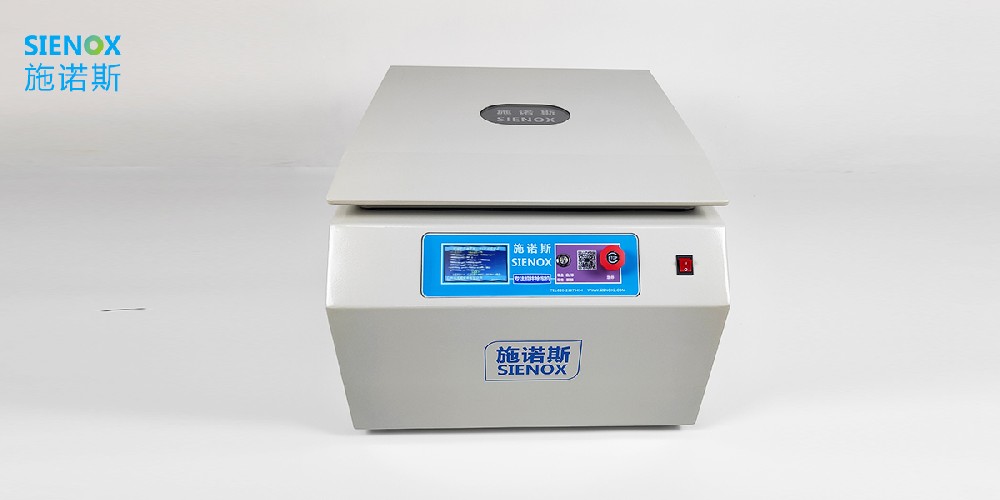
Centrifugal defoaming machine: An efficient tool for both laboratory and factory.
The extensive application fields of planetary defoaming machines.
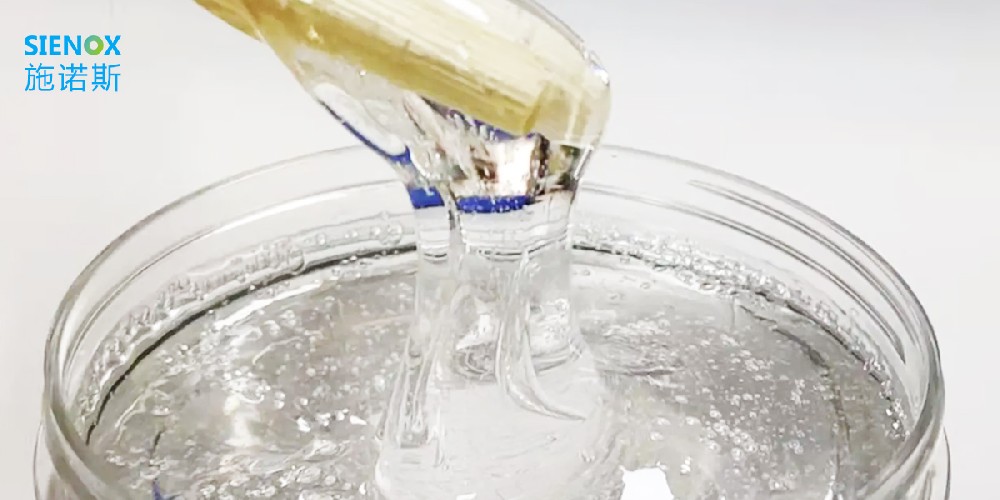
How to remove bubbles from glue

The application of vacuum stirring defoaming machine in the defoaming process of silver paste materials.
Perhaps you still need....
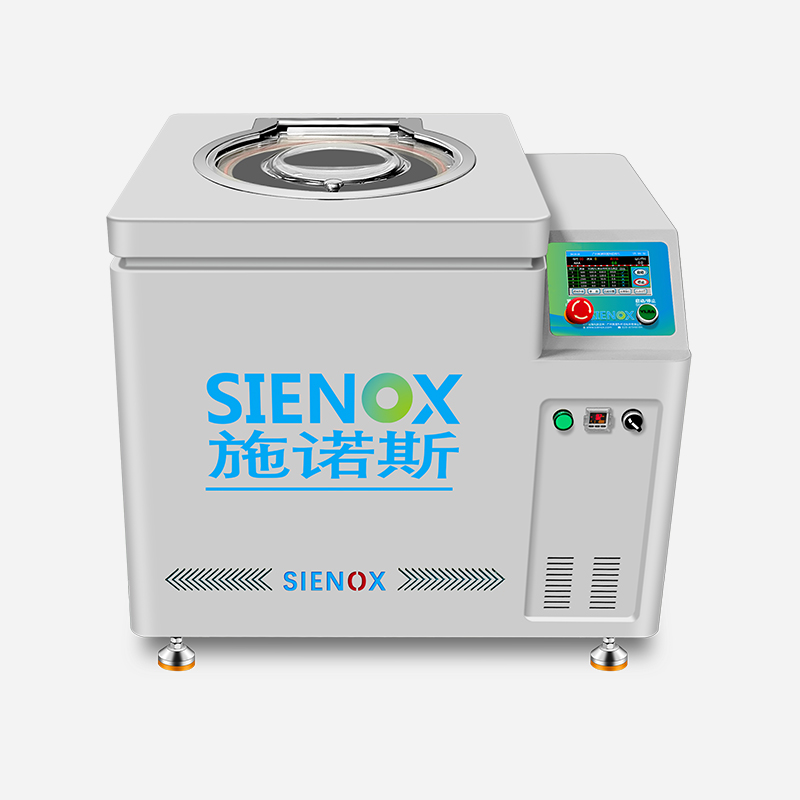
行星式真空脱泡搅拌机 SIE-MIX1000plus
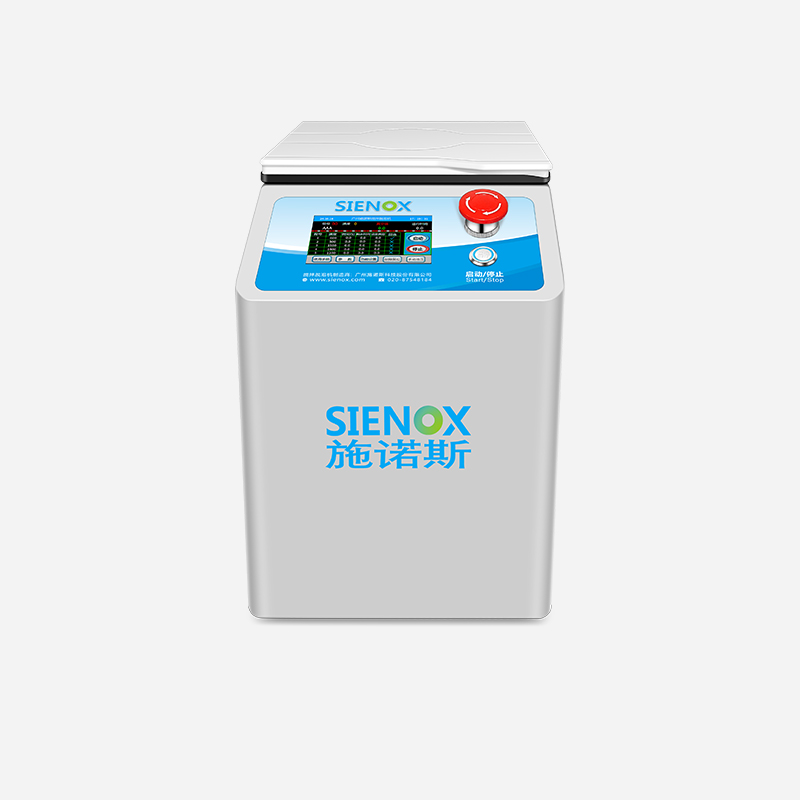
实验室行星式搅拌脱泡机 SIE-SV200
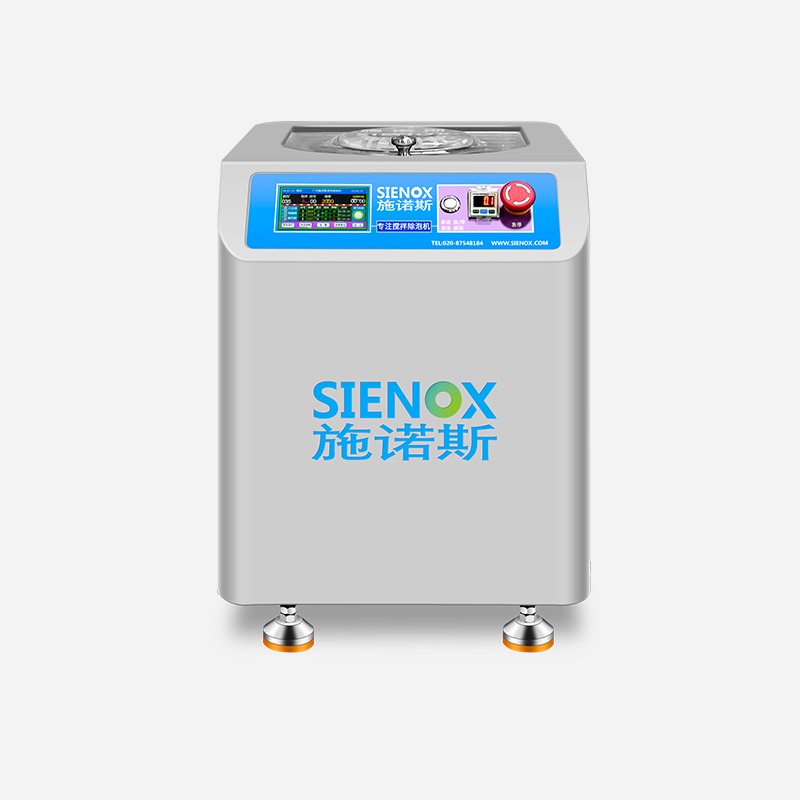
SIENOX行星式脱泡搅拌机 SIE-CV300
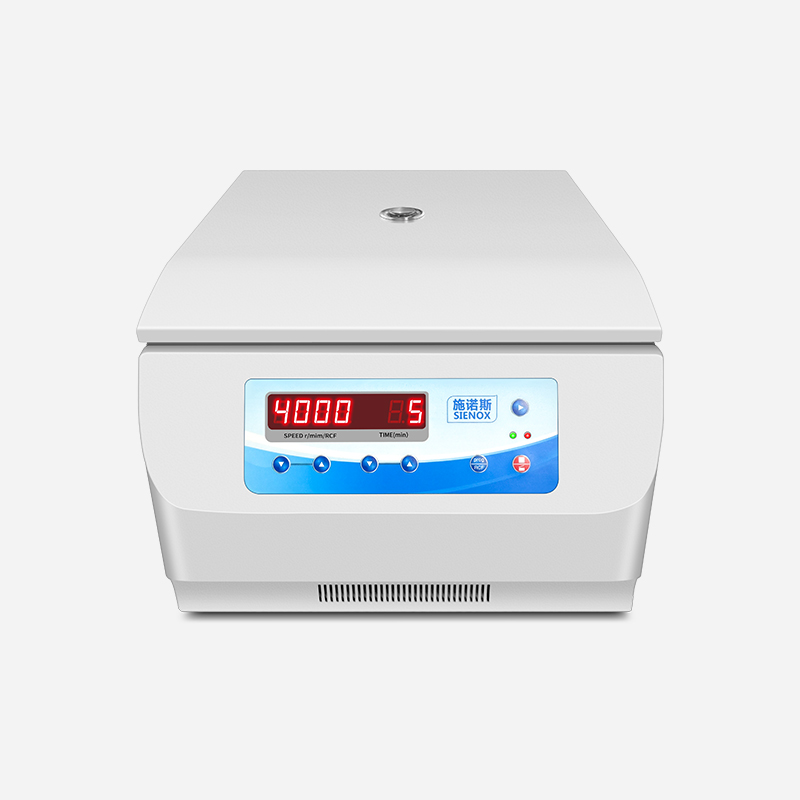
离心脱泡机 SIE-C006
About SIENOX
广州施诺斯(SIENOX),20年脱泡机设备研发与生产的源头厂家
超过1800种材料脱泡案例
纳米级脱泡,满足不同材料多段搅拌除泡需要,支持定制
资质齐全,荣获多项国家专利,联系我们可免费试样