


News

TEL:18925129293


Electronic Slurry Defoaming Machine: Why Silver-Reduced Photovoltaic Slurry Keeps Generating Bubbles
date:2026-10-13author:小施DK Electronic Materials disclosed the reply to the inquiry letter for its private placement of shares. The company plans to raise no more than 2.76 billion RMB for five major investment directions, including a 2,000-ton annual base-metal low-silver photovoltaic slurry project. Silver paste consumes massive silver and accounts for a high proportion of total costs, so silver reduction has always been the core route for industry cost reduction. The launch of this 2,000-ton production line puts the process capability of front-end equipment such as electronic slurry defoaming machines under spotlight in advance.
Base-metal low-silver slurry is mainly composed of silver-coated copper and other powders. The powder features finer particle size and larger specific surface area, and tends to agglomerate and settle in the resin system. The viscosity window of the slurry is narrow. Once air bubbles are mixed in, broken lines will occur during printing and defects will form after sintering. Before the formula is scaled up from laboratory to mass production line, the stability of dispersion and defoaming process usually determines the upper limit of yield.
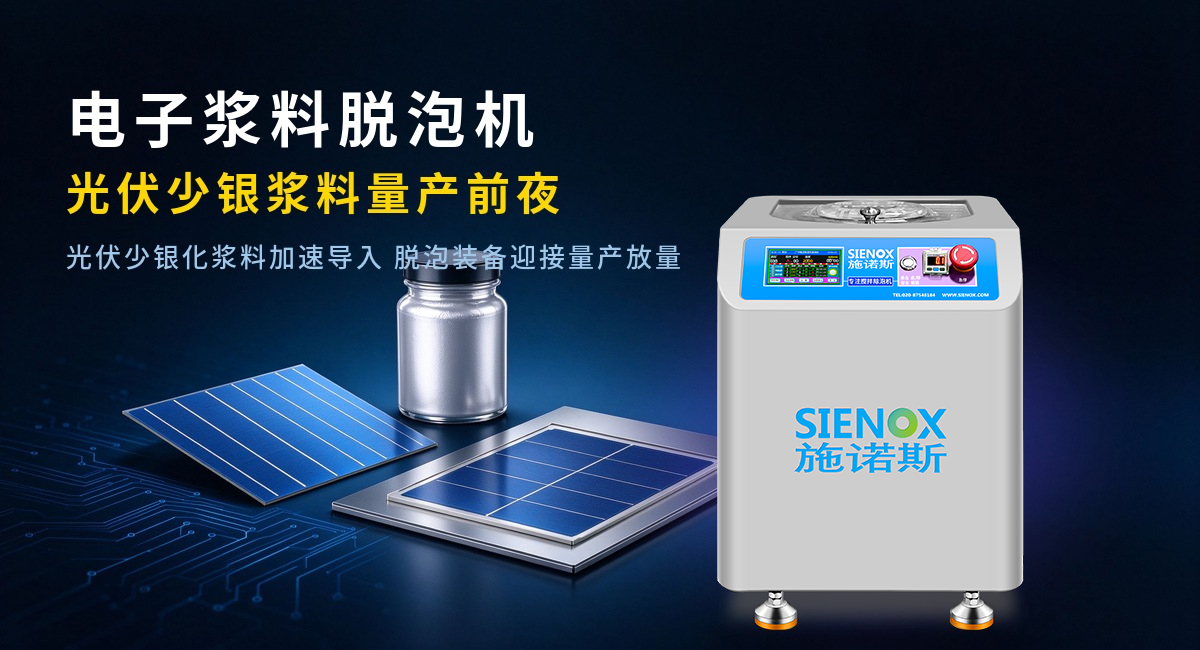
Solution Background: Complete Dispersion and Defoaming During New Formula Evaluation
A photovoltaic slurry enterprise needed to rapidly evaluate powder dispersion performance and bubble control effect while developing silver-coated copper low-silver slurry, so as to confirm process parameters for subsequent mass-production equipment.
Processing Challenges: Fine Powder Prone to Agglomeration, Hard-to-Wet High-Solid Slurry
Base metal powder has lower density than silver powder and tends to float and delaminate. High-solid systems feature high viscosity. Conventional dispersion equipment struggles to fully wet powder, and air bubbles are easily entrained during stirring, directly affecting slurry fineness and printability.
Why Choose SIENOX Equipment
SIENOX MIX60 is designed for laboratory and formula verification, with 300ml processing volume perfectly matching small-batch evaluation. It adopts planetary revolution and rotation structure. The centrifugal force from rotation and shearing from revolution work together to wet powder rapidly, paired with vacuum environment (-98KPa) for simultaneous defoaming. Its maximum rotating speed reaches 2000rpm, and temperature control is available as a customized option. Small capacity supports parallel comparison of multiple formulas, and verified results can be transferred to pilot and mass-production machines.
Processing Procedure
Weigh resin system and silver-coated copper powder proportionally and load them into the dedicated container of MIX60. Set revolution & rotation speed and vacuum degree. Take out the slurry after several operation cycles, then carry out visual inspection, viscosity and fineness tests.
Processing Results
The slurry contains no agglomerated particles or visible bubbles. Its viscosity and fineness meet printing evaluation requirements. Formula switching time is greatly shortened, laying a foundation of process parameters for subsequent scaling up to pilot and mass-production equipment. Relevant conclusions are summarized based on public industry data and equipment process characteristics, and actual measured data shall be subject to customer tests.
After the commissioning of the 2000-ton low-silver slurry capacity, photovoltaic slurry manufacturers’ demand for high-solid, high-precision mixing and defoaming equipment will extend from laboratories to production lines. The process loop of slurry defoaming machines and vacuum defoaming mixers in powder wetting and bubble control has become a worthy pre-layout link on the eve of low-silver mass production.
Related recommendations
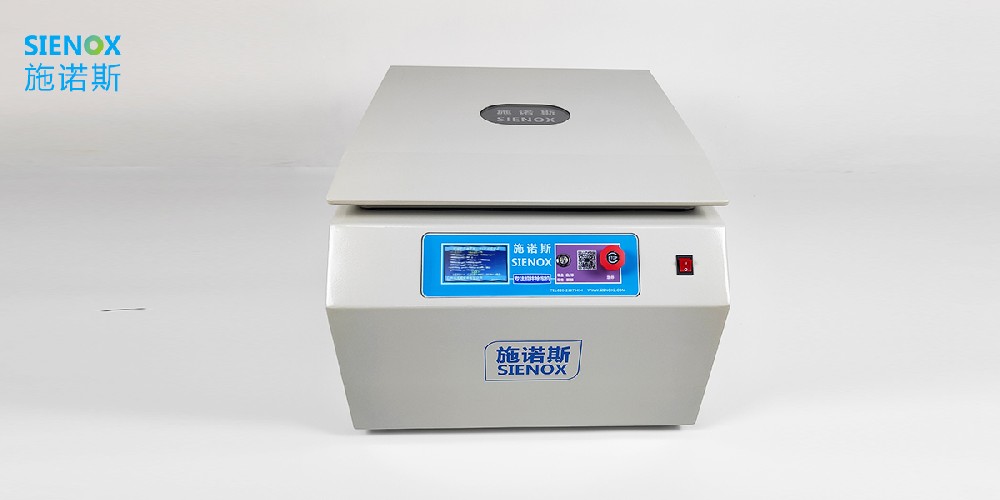
Centrifugal defoaming machine: An efficient tool for both laboratory and factory.
The extensive application fields of planetary defoaming machines.
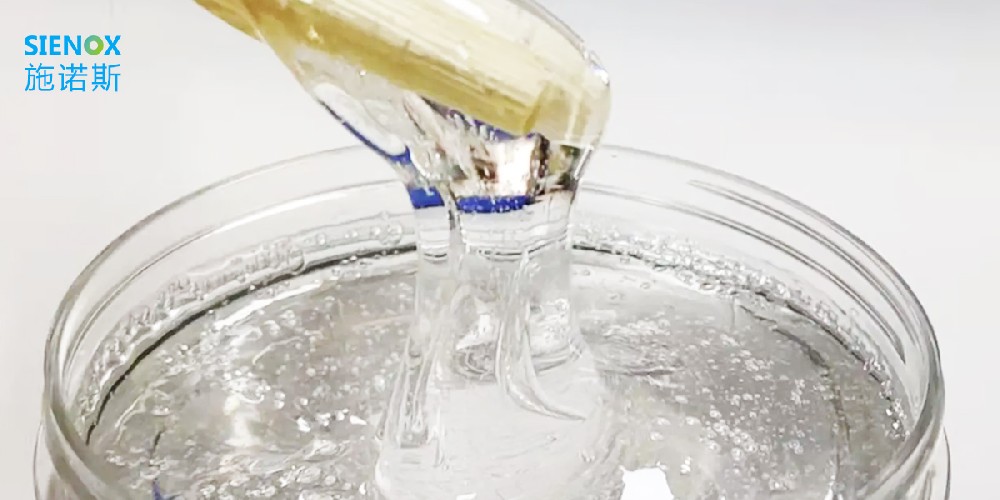
How to remove bubbles from glue
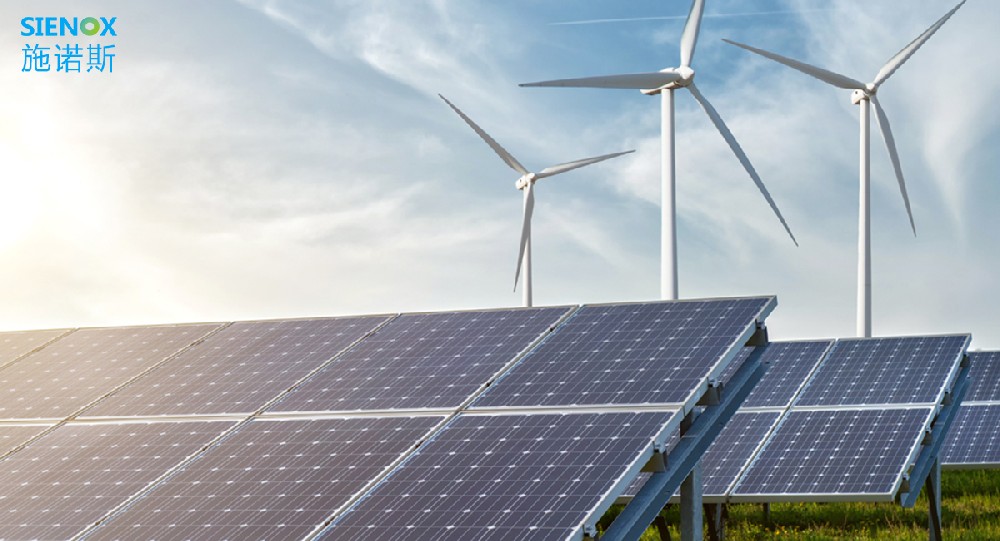
The application of vacuum stirring defoaming machine in the defoaming process of silver paste materials.
Perhaps you still need....
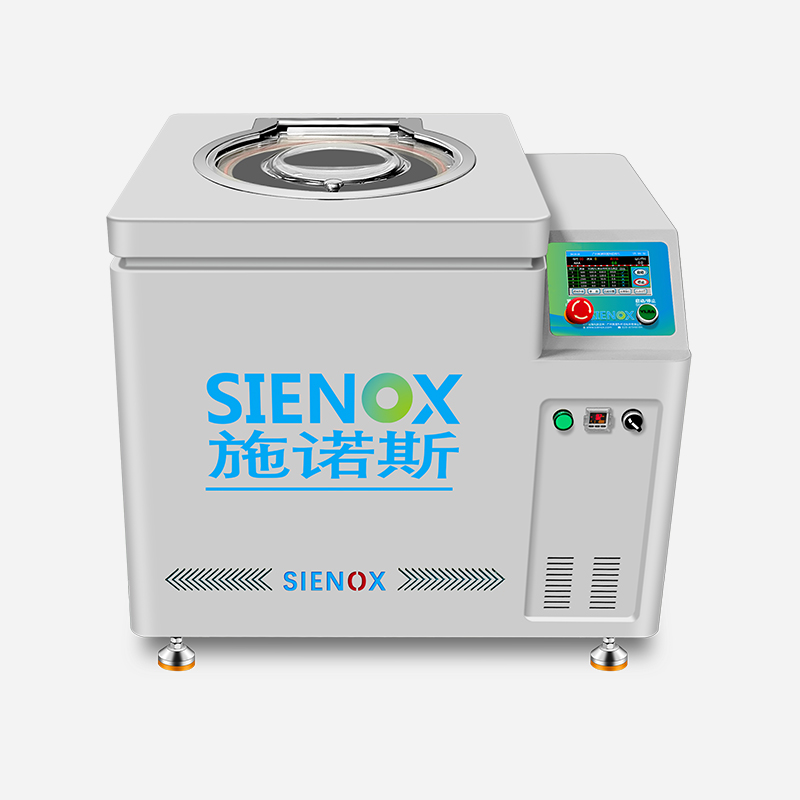
行星式真空脱泡搅拌机 SIE-MIX1000plus
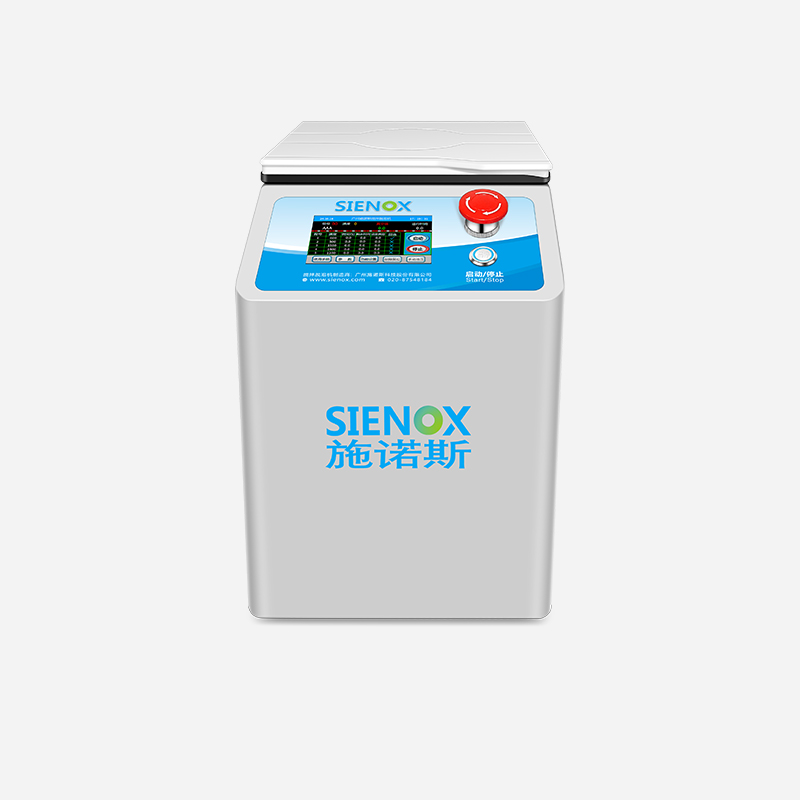
实验室行星式搅拌脱泡机 SIE-SV200
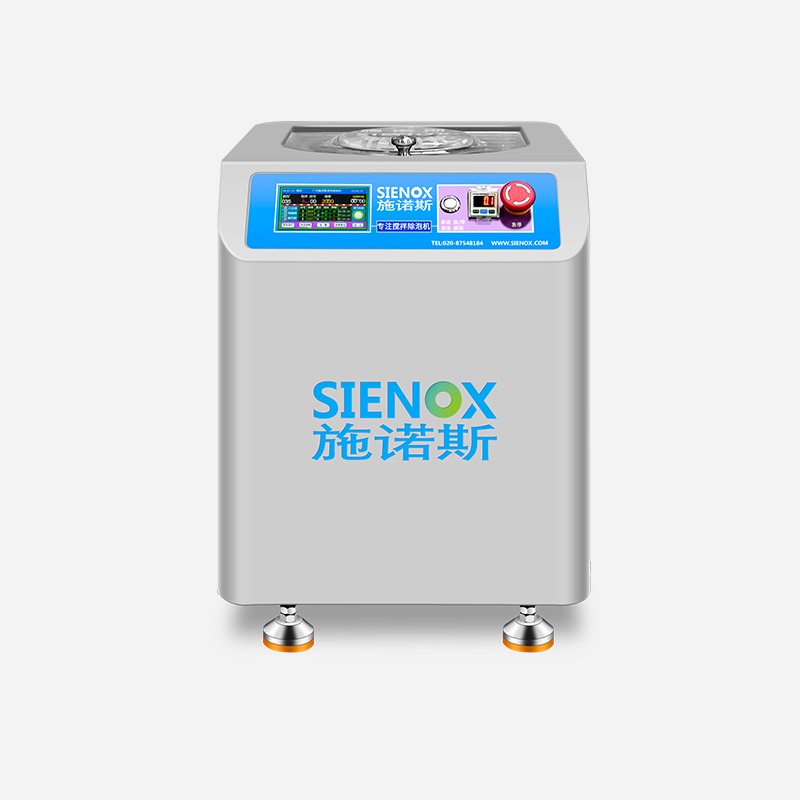
SIENOX行星式脱泡搅拌机 SIE-CV300
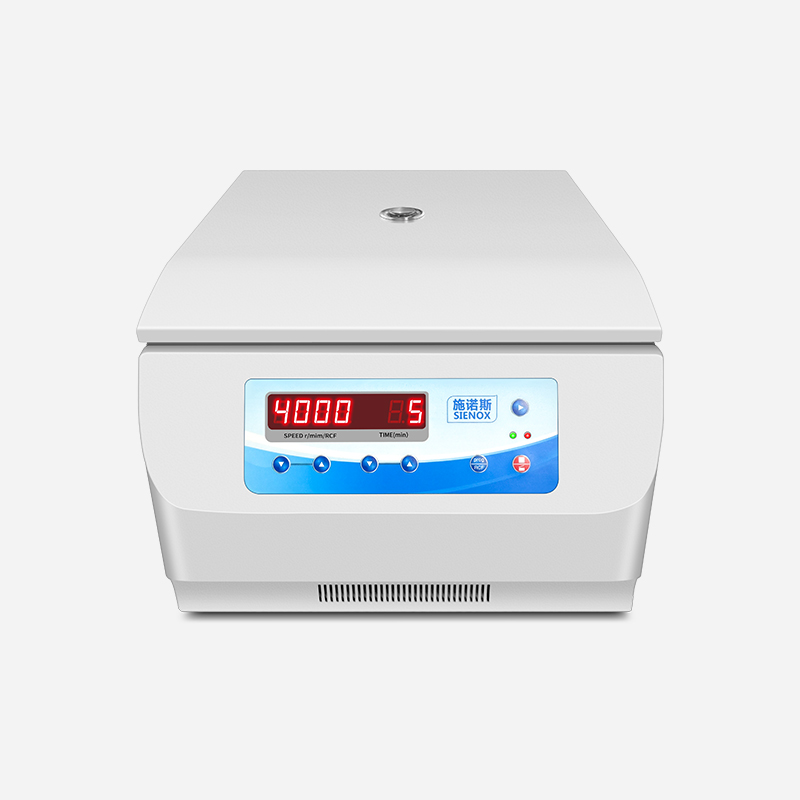
离心脱泡机 SIE-C006
About SIENOX
广州施诺斯(SIENOX),20年脱泡机设备研发与生产的源头厂家
超过1800种材料脱泡案例
纳米级脱泡,满足不同材料多段搅拌除泡需要,支持定制
资质齐全,荣获多项国家专利,联系我们可免费试样