


News

TEL:18925129293


How to Improve Yield of Thermal Grease with High Viscosity Vacuum Defoaming Machines
date:2026-10-13author:小施On the evening of October 8, Dongyue Silicone Material released its performance forecast for the first three quarters of 2026. The estimated net profit attributable to parent companies ranges from 547 million yuan to 567 million yuan, representing a year-on-year increase of over 190 times, driven by rising prices of core products and improved supply-demand balance. Amid the silicone price surge, downstream formula manufacturers are faced not only with climbing raw material costs, but also rework, customer complaints and batch scrap losses caused by defective defoaming. These hidden costs are further amplified during the price upturn. How high-viscosity vacuum defoaming machines help material enterprises optimize process cost control has become a key focus of the industry.
Solution Background
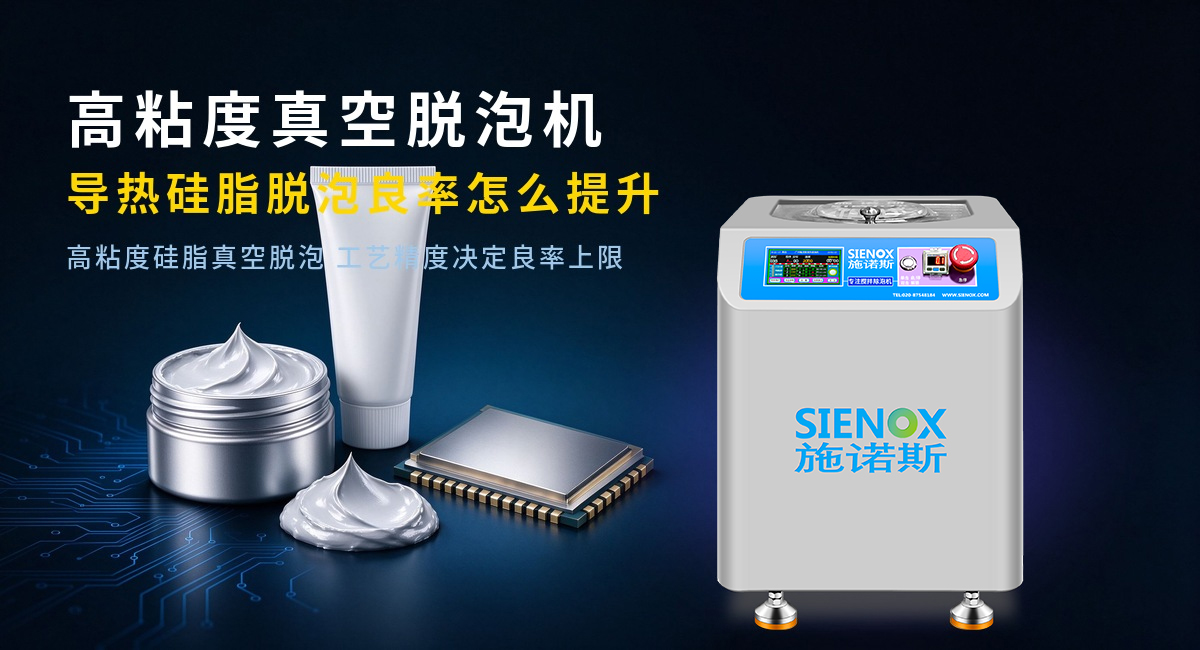
An enterprise engaged in the R&D of electronic-grade silicone potting adhesive and thermal conductive grease needed to deliver automotive-grade high thermal conductivity grease while controlling costs for formula development and small-batch supply during the silicone raw material price hike. Thermal grease is highly filled with silicone oil and thermal conductive fillers such as alumina and zinc oxide. Its high viscosity and heavy fillers easily trap air bubbles during mixing. Residual bubbles form voids after potting and break the continuity of thermal conduction paths. Once detected by customers, the whole batch of grease will require rework or scrapping. The customer’s original equipment had incomplete defoaming, uneven component mixing and time-consuming cleaning. During raw material price inflation, every defective batch means greater raw material losses. The enterprise intended to raise defoaming yield with SIENOX vacuum defoaming mixers.
Processing Challenges
There are two core cost considerations. First, defoaming efficiency. High thermal conductive grease contains high filler loading and high viscosity. Bubbles trapped inside the viscous medium rise slowly and cannot escape effectively merely by vacuum pumping. Excessively long defoaming cycles delay small-batch delivery. Second, yield and cost control. For two-component systems, base resin and curing agent must be mixed evenly within a short time. Excessive shearing will damage the surface modification of fillers. Uneven mixing leads to failure in thermal conductivity and batch scrapping. Frequent formula iteration occurs in laboratory and small-batch stages. Fast cup replacement directly cuts trial-and-error costs for parallel formula verification. Temperature control is an optional customization for silicone grease processes. Some sensitive formulas require defoaming under constant temperature, and SIENOX provides optional temperature control modules upon request.
Why Choose SIENOX Equipment
SIENOX high-viscosity vacuum defoaming machine adopts planetary revolution and rotation plus vacuum defoaming. Revolution drives stable flow of grease along the container wall, while rotation agitates the internal material. Microbubbles inside high-filled systems continuously migrate to the liquid surface under dual motion and are extracted under vacuum. No stirring blades penetrate the material, preventing new bubbles and secondary shearing damage to filler surfaces. The MIX60 stirring defoaming machine is selected in this case, with 300ml processing volume, vacuum of -98KPa and maximum rotation speed of 2000rpm, covering common parameter windows for lab-scale tests and small-batch trial production of silicone adhesive and thermal conductive grease. The disposable defoaming cup design eliminates long cleaning downtime for parallel multi-formula verification. Controllable single-batch processing time helps formula manufacturers optimize both efficiency and yield to reduce overall process costs.
Processing Procedure
R&D technicians weigh silicone oil and thermal conductive fillers according to the formula and pre-mix them inside the defoaming cup before installing the cup onto the machine. Vacuum is set to -98KPa, and revolution-to-rotation speed ratio is configured using typical parameters for high-filled grease. The machine performs planetary mixing and defoaming synchronously under vacuum. The speed ratio is fine-tuned based on slurry viscosity and bubble escape state. Custom temperature control module is activated for temperature-sensitive formulas to complete defoaming within the target temperature range. After processing, small samples are taken for thermal coefficient re-test and visual inspection. The next batch will start only after confirming no bubbles.
Processing Results
The processed grease samples have no obvious visible bubbles and show smooth surface after filling. Subsequent thermal tests and thermal cycling verification by the customer prove thermal stability meets automotive-grade requirements. Compared with the original process, single-batch defoaming time is shortened, and batch rework rate caused by bubbles is reduced. It stabilizes delivery yield of high-value grease batches amid rising silicone raw material prices. The customer deployed MIX60 for parallel verification and small-batch supply of multiple new formulas, and reserved space for larger-capacity models in mass production planning. During the cycle of rising volume and price of silicone materials, application scenarios for high-viscosity vacuum defoaming machines and vacuum defoaming mixers in electronic potting, thermal interface materials and new energy vehicle electronic control sectors will keep expanding.
Related recommendations
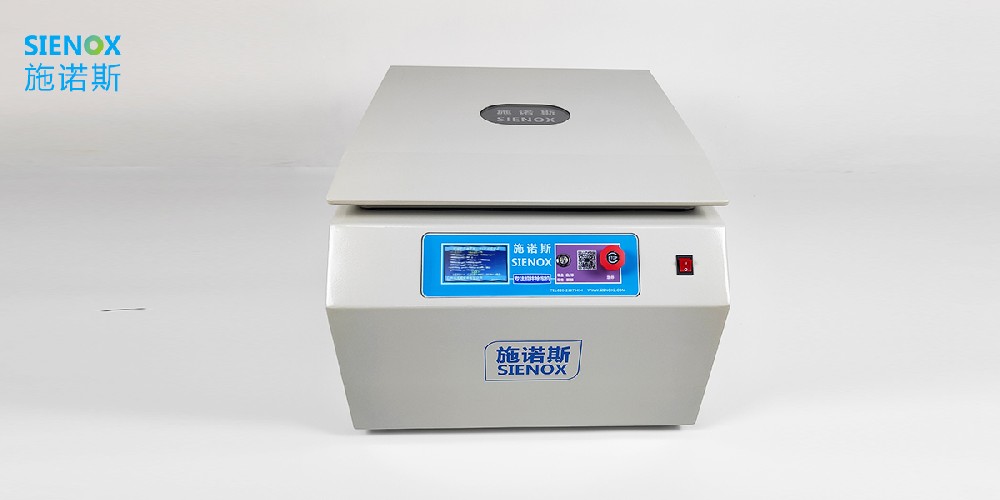
Centrifugal defoaming machine: An efficient tool for both laboratory and factory.

The extensive application fields of planetary defoaming machines.
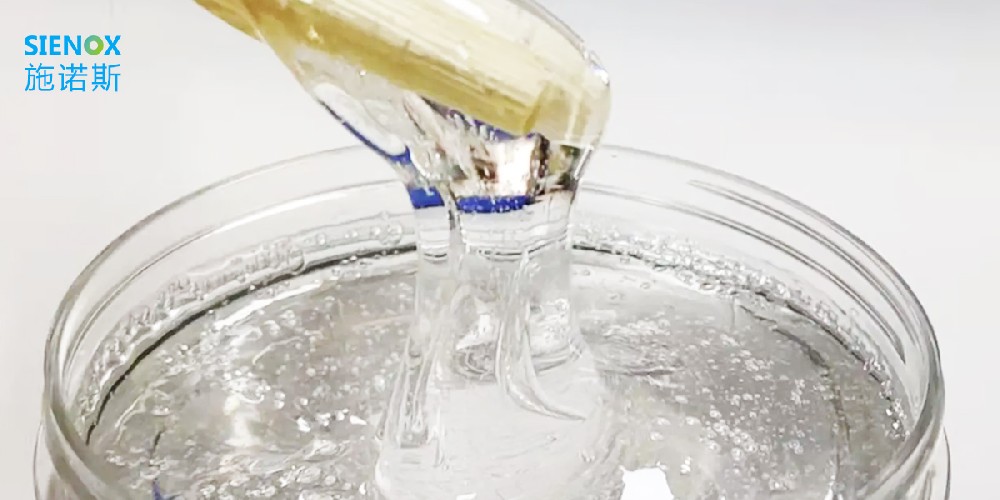
How to remove bubbles from glue

The application of vacuum stirring defoaming machine in the defoaming process of silver paste materials.
Perhaps you still need....
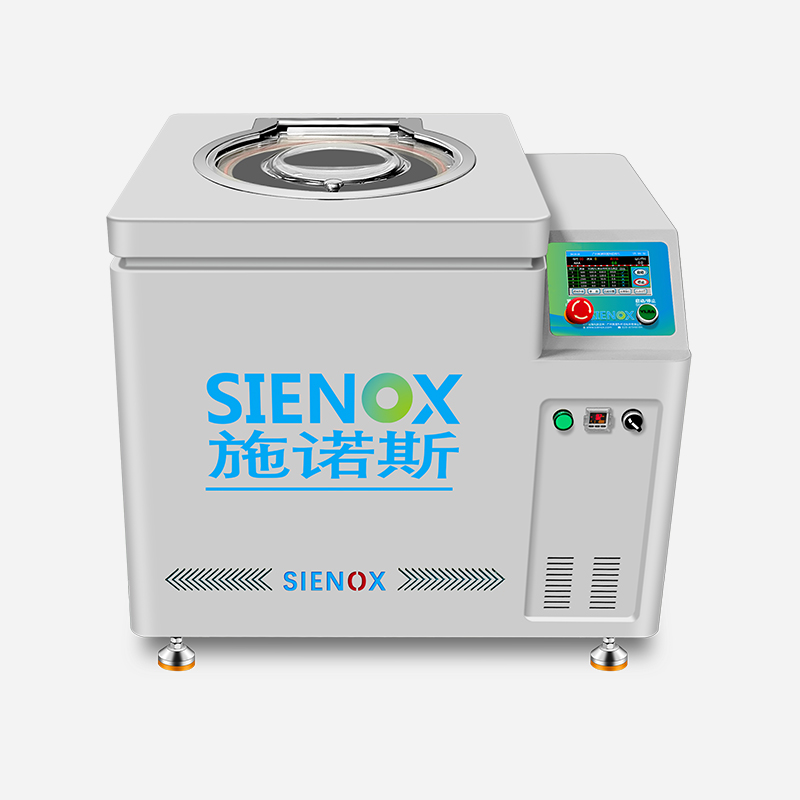
行星式真空脱泡搅拌机 SIE-MIX1000plus
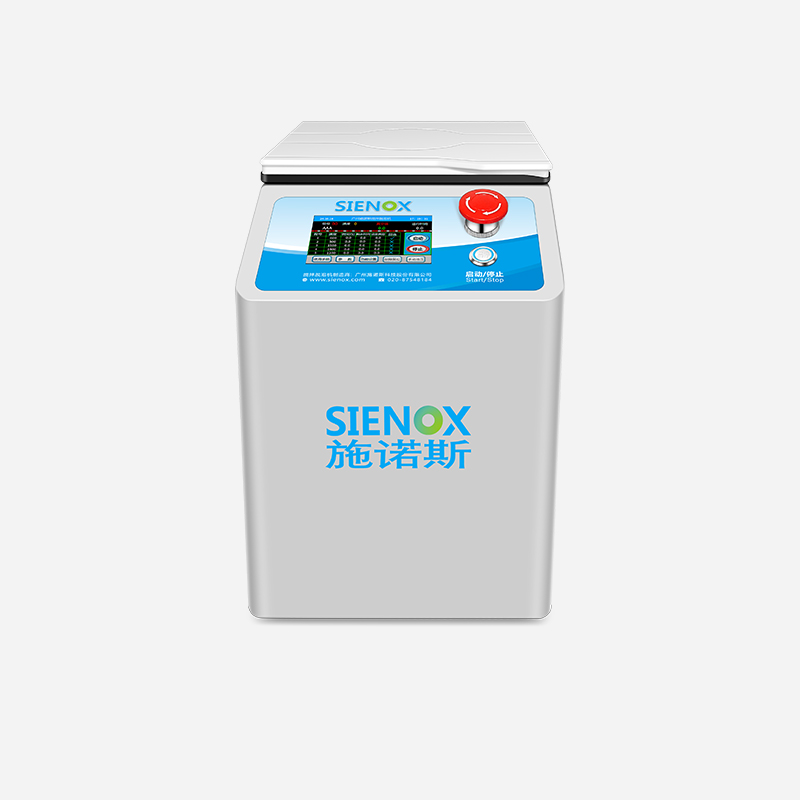
实验室行星式搅拌脱泡机 SIE-SV200
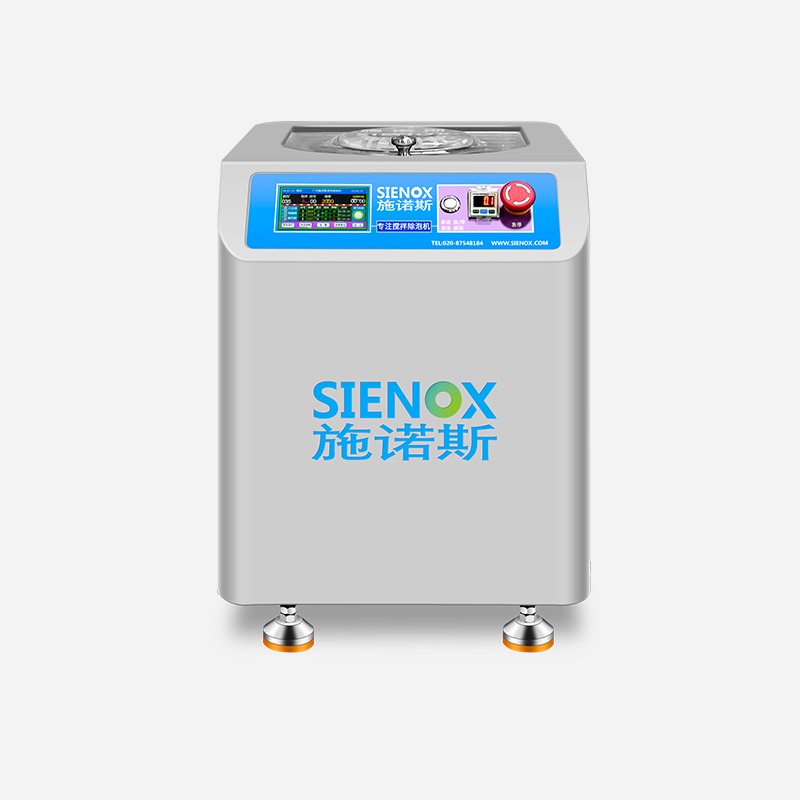
SIENOX行星式脱泡搅拌机 SIE-CV300
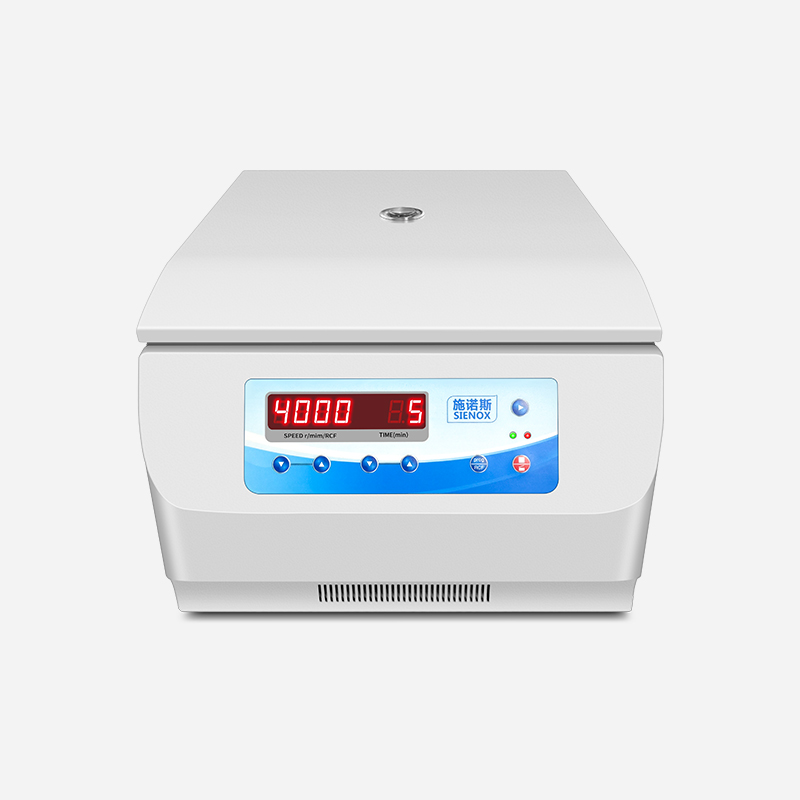
离心脱泡机 SIE-C006
About SIENOX
广州施诺斯(SIENOX),20年脱泡机设备研发与生产的源头厂家
超过1800种材料脱泡案例
纳米级脱泡,满足不同材料多段搅拌除泡需要,支持定制
资质齐全,荣获多项国家专利,联系我们可免费试样