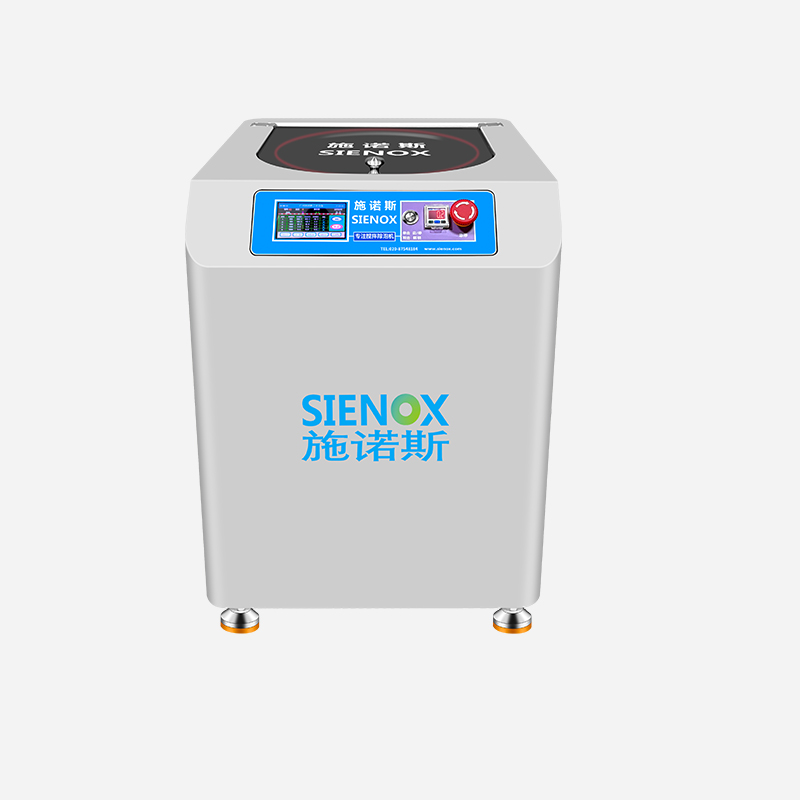


Slurry Degasser

TEL:18925129293


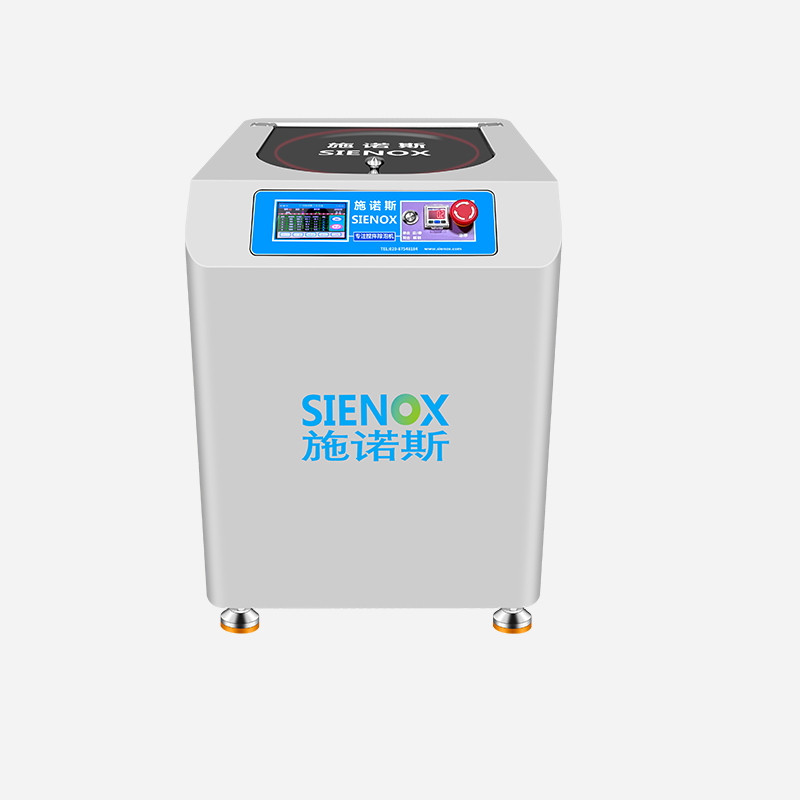
Thermal Conductive Slurry Defoaming Machine
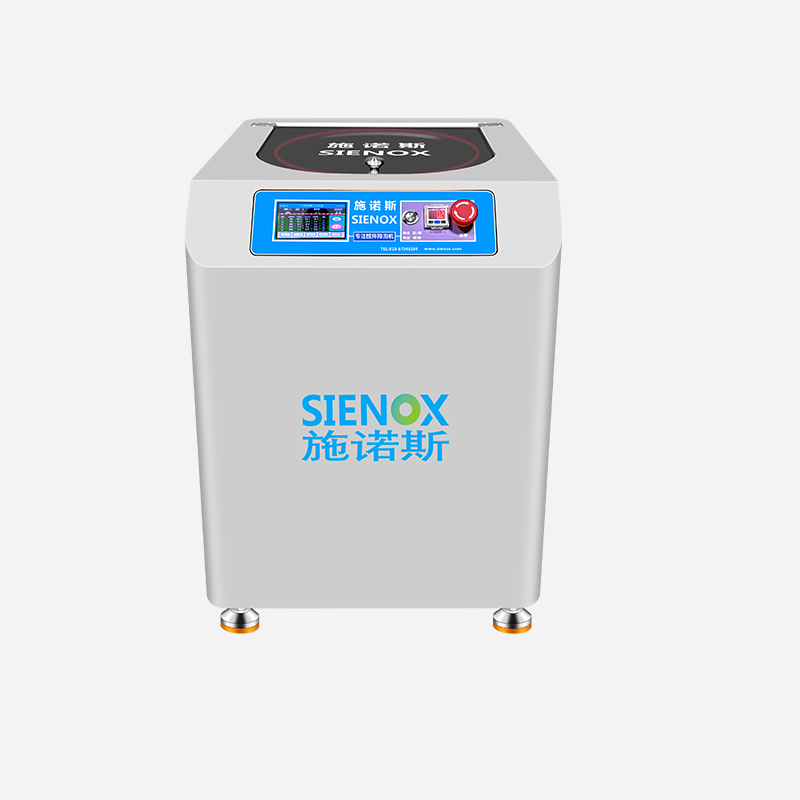
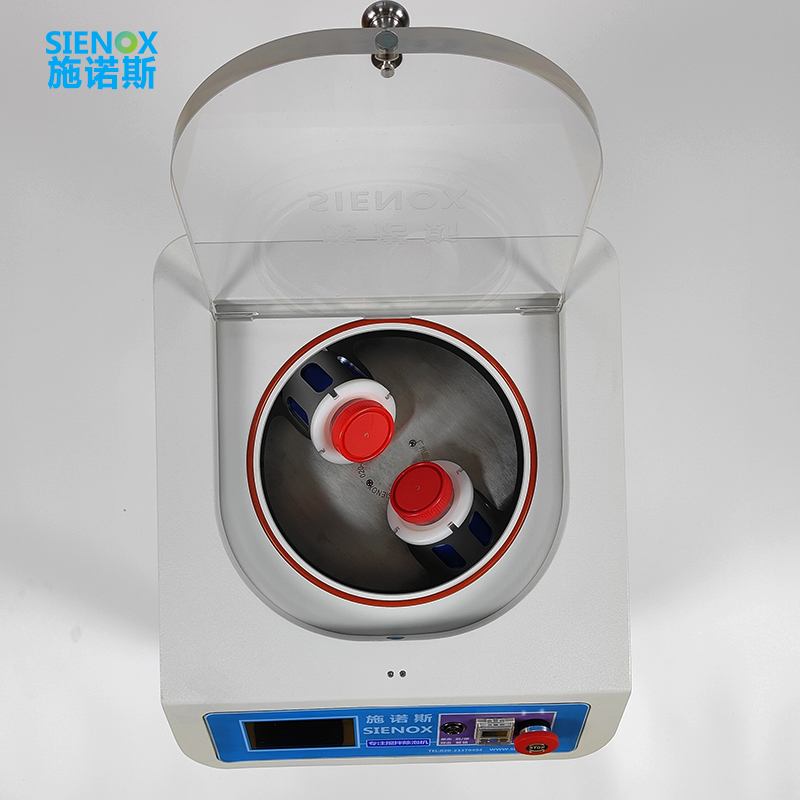
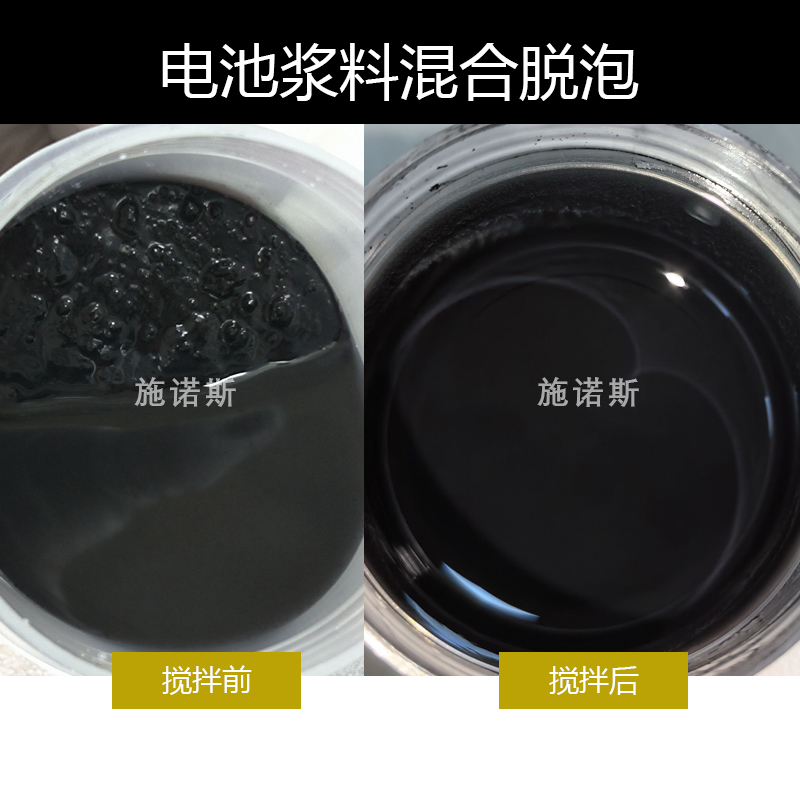
Resolve Bubbles & Agglomeration in Thermal Conductive Slurry · Dense Thermal Layer, Low Thermal Resistance & Uniform Filling
Vacuum Defoaming + Break Up Thermal Filler Agglomerates + Reduce Interfacial Thermal Resistance
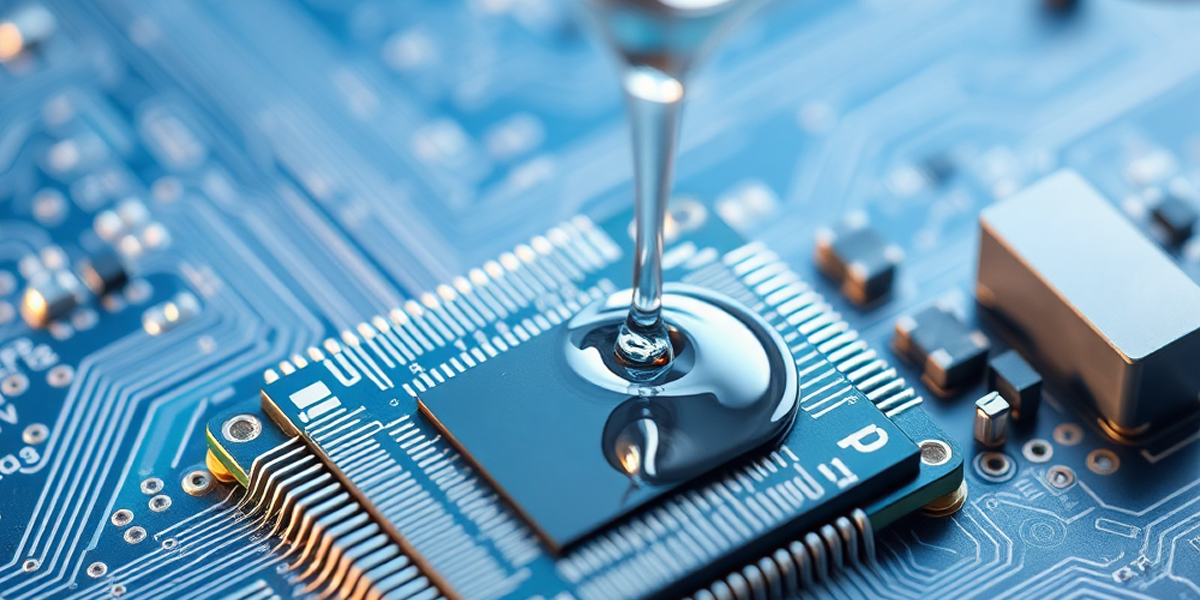
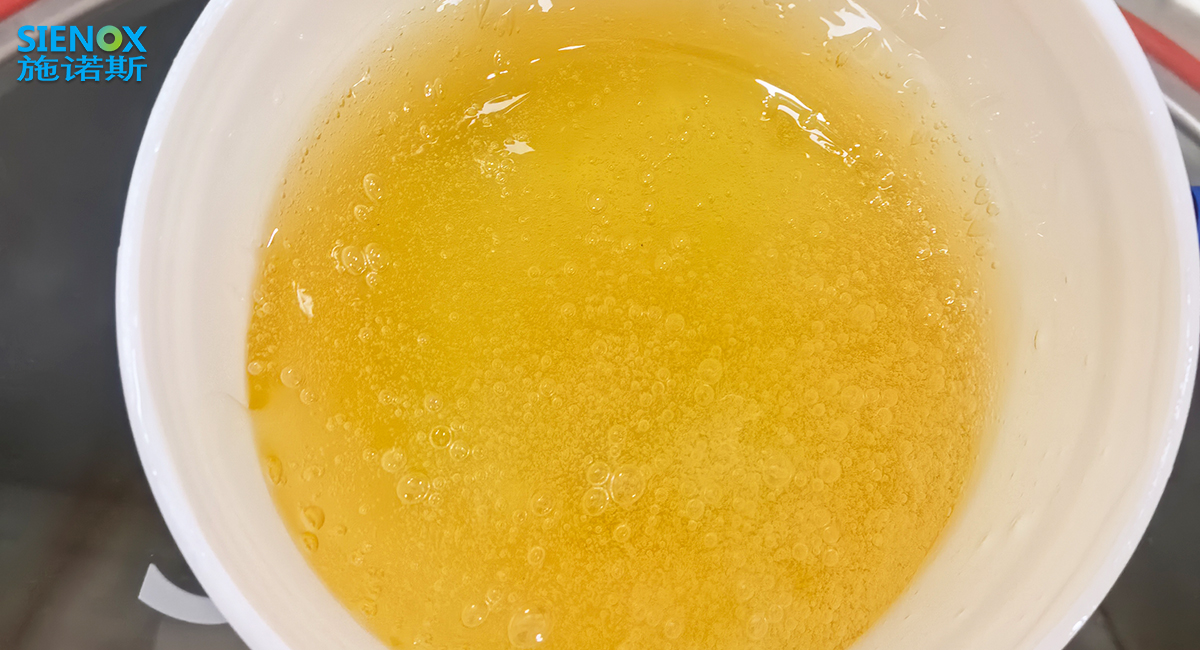
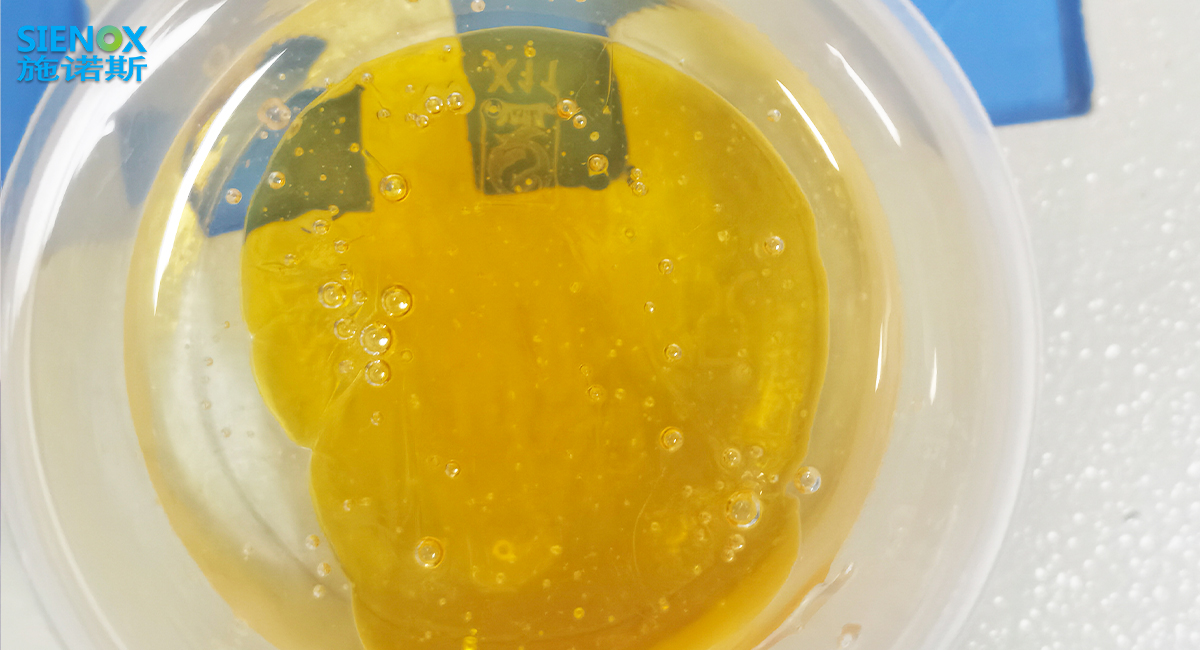
SIENOX thermally conductive slurry defoaming solution targets air entrapment and agglomeration problems of thermal grease, thermal gel and thermal interface materials filled with high-conductivity fillers like aluminum oxide and boron nitride. It realizes stirring, defoaming and dispersion synchronously under vacuum to form dense thermal conductive layers and reduce thermal resistance.
✓ CE certification ✓ ISO9001 Quality System ✓ RoHS Compliance ✓ Custom voltage available (110V/220V)
Why Do We Need Thermal Conductive Slurry Defoaming Machine
Power Device Heat DissipationThermal grease or gel is applied to fill thermal interfaces of IGBT and power modules. Air voids increase thermal resistance, resulting in poor chip heat dissipation, temperature rise and shortened service life. | High Filler AgglomerationHigh thermal conductive fillers such as aluminum oxide and boron nitride are prone to agglomeration. Air trapped during stirring breaks thermal conduction paths, degrading thermal performance and causing batch fluctuations. | LED & Lithium BatteryLED heat dissipation and lithium battery thermal management demand high thermal consistency. Air voids trigger local hot spots and impair reliability and safety. |
✨ Traditional Dilemma: Manual stirring of high-filler pastes causes both air entrapment and filler agglomeration, leading to unstable thermal resistance. Synchronous vacuum defoaming and dispersion is required.
Why Choose SIENOX Thermal Conductive Slurry Defoaming Solution
Bubble Removal for Lower Thermal ResistanceRemoving air voids enables tighter contact between fillers, forms continuous thermal conduction paths, reduces interfacial thermal resistance and delivers more reliable heat dissipation. | Break Filler AgglomeratesRotational shear breaks up agglomerates of aluminum oxide and boron nitride for even filler distribution and stable thermal conductivity consistency. | Non-contact & CleanNo contamination to thermal conductive systems with reproducible formulations. Smooth scale-up from lab samples to mass batches. |
✨
Equipment Supporting Description
Supporting Process Workflow Weigh resin and powder → Vacuum stirring, mixing and degassing → Discharge for compaction / casting → Curing / sintering. | 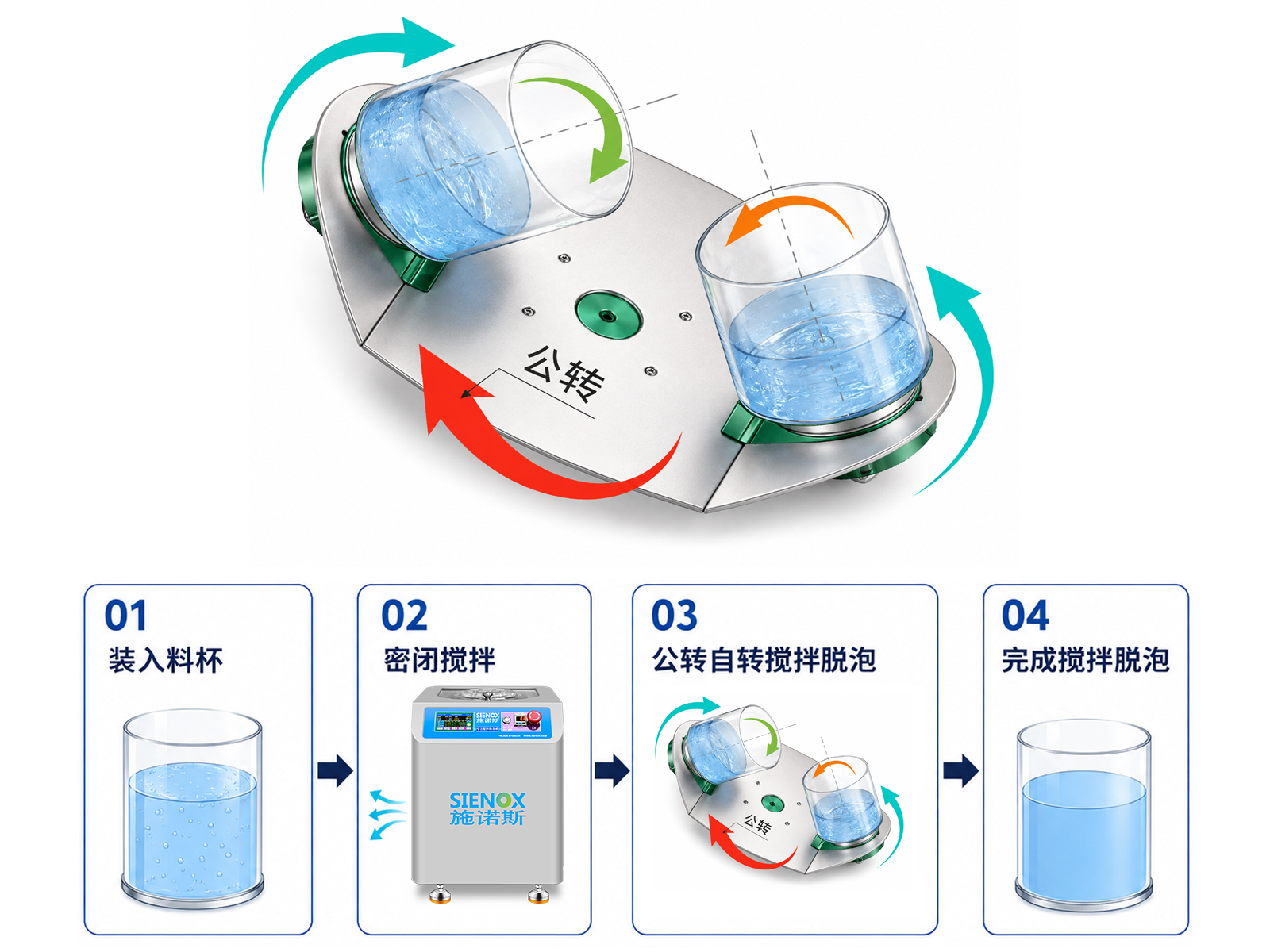 |
Specifications & Parameters
Selection Guide
| Thermal Conductive Slurry Type | Typical State | Recommended Defoaming Method | Recommended Equipment |
| Formula R&D / Sampling | Small quantity of thermal conductive material | Centrifugal / Vacuum Defoaming | C Series / ZK Series |
| Thermal Grease | High-viscosity paste | Vacuum stirring, defoaming & dispersion | MIX60 / MIX80 |
| Thermal Gel / Shim Material | High-viscosity paste | Vacuum stirring, defoaming & dispersion | MIX1000plus |
| High-Thermal-Density Filling | High filler loading | Vacuum stirring + pressure fine defoaming | MIX1000plus / RX Series |
Our Partners
Trusted by leading industrial manufacturing clusters and advanced university laboratories worldwide
FAQ - Frequently Asked Questions
Answers to common questions about product performance and everyday process selection
-
What is the working principle of a centrifugal defoaming machine?
Principle of centrifugal defoaming machine: The bubbles are released by the downward principle of gravity.
-
How is the after-sales service?
The company has professional after-sales service personnel, 24-hour dedicated service, and one-on-one technical support to solve your worries.
-
Why choose SIENOX?
There are many reasons for choosing SIENOX, and the following are some of the main reasons:
1. Professionalism: Our team consists of a group of professional individuals with rich experience and knowledge in their respective fields. We not only understand industry trends and best practices, but also provide practical and feasible solutions.
2. Service quality: We focus on customer needs and satisfaction, and are always committed to providing high-quality services. We not only respond quickly to customer needs, but also provide customized services according to their requirements.
3. Reliability: We adhere to the principles of integrity and professionalism, always adhering to commitments and agreements. Our work methods and deliverables comply with industry standards and best practices, enabling our clients to trust us.
4. Innovation: We continuously explore new methods and tools to provide better services and meet customer needs. We encourage innovation and experimentation, and are willing to accept challenges and change.
5. Cost effectiveness: We provide cost-effective services that not only help customers save costs, but also improve efficiency and productivity. We always prioritize the interests of our customers and provide them with the best solutions.
6. Teamwork: We believe in the power and value of teamwork, and our team members support, collaborate, and respect each other. We establish close cooperative relationships with customers, partners, and other stakeholders to achieve common goals.
The above are just some of the reasons for choosing us. We believe there are many other advantages and values that can be provided to customers. If you are looking for a professional, reliable, and high-quality service provider, we look forward to working with you.
-
How does the stirring and defoaming machine work?
The SIENOX stirring and defoaming machine performs defoaming through centrifugal force at revolution and stirring through shear force formed by revolution and rotation,
Assisted by a vacuum pump to extract gas and achieve a vacuum state, removing nanoscale tiny bubbles. No contact with materials, no secondary pollution, and no secondary waste.
-
What is the function of a defoaming machine?
A defoaming machine is a device used to remove bubbles from liquids. Its function is to assist in the liquid mixing, reaction, coating, printing, infusion and other process steps in the production process, avoiding the generation of bubbles and their impact on the final product. In many industrial and laboratory environments, removing bubbles is essential as they may have a negative impact on product quality, such as affecting surface tension and stability. Defoaming machines typically use various techniques such as vibration, ultrasound, centrifugation, etc. to achieve effective bubble removal. It has a wide range of applications, including but not limited to semiconductors, solar energy, optics, biotechnology, materials science, etc.
Technical Specification List
Full‑line standardized specifications for accurate process evaluation and equipment selection
| Thermal Conductive Slurry Type | Typical State | Recommended Defoaming Method | Recommended Equipment |
| Formula R&D / Sampling | Small quantity of thermal conductive material | Centrifugal / Vacuum Defoaming | C Series / ZK Series |
| Thermal Grease | High-viscosity paste | Vacuum stirring, defoaming & dispersion | MIX60 / MIX80 |
| Thermal Gel / Shim Material | High-viscosity paste | Vacuum stirring, defoaming & dispersion | MIX1000plus |
| High-Thermal-Density Filling | High filler loading | Vacuum stirring + pressure fine defoaming | MIX1000plus / RX Series |
Multi‑Industry Solutions
Covering stirring and debubbling applications of typical materials across six major industries
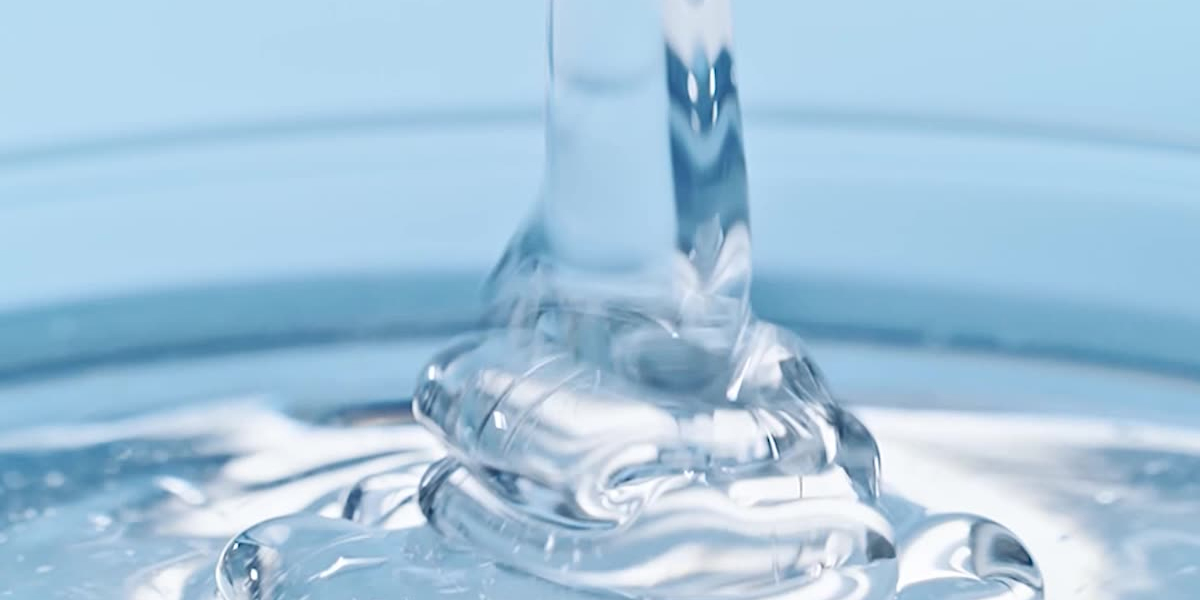
Power DevicesThermal filling for IGBT and modules |
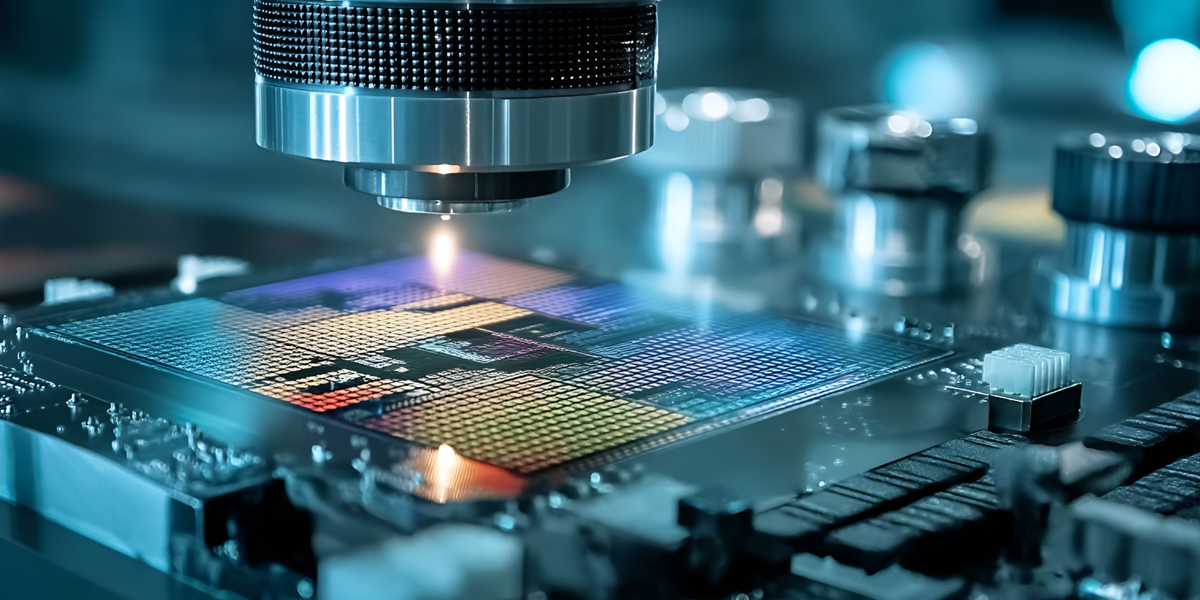
LED Heat DissipationLED packaging & lamp thermal conduction |
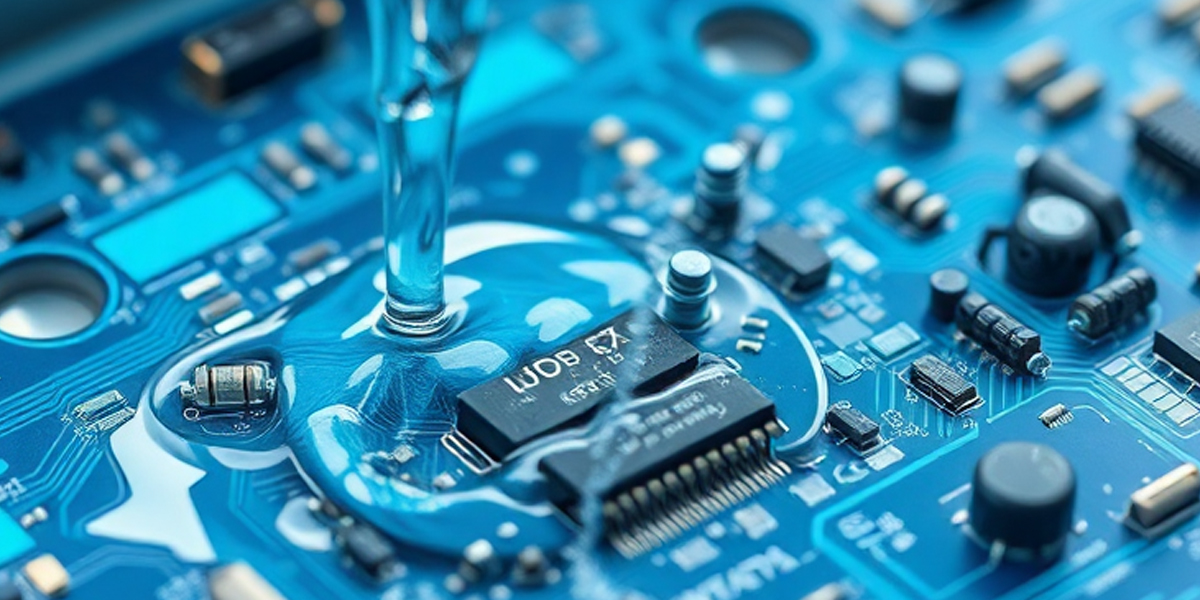
Power BatteryBattery pack thermal management & thermal gel |
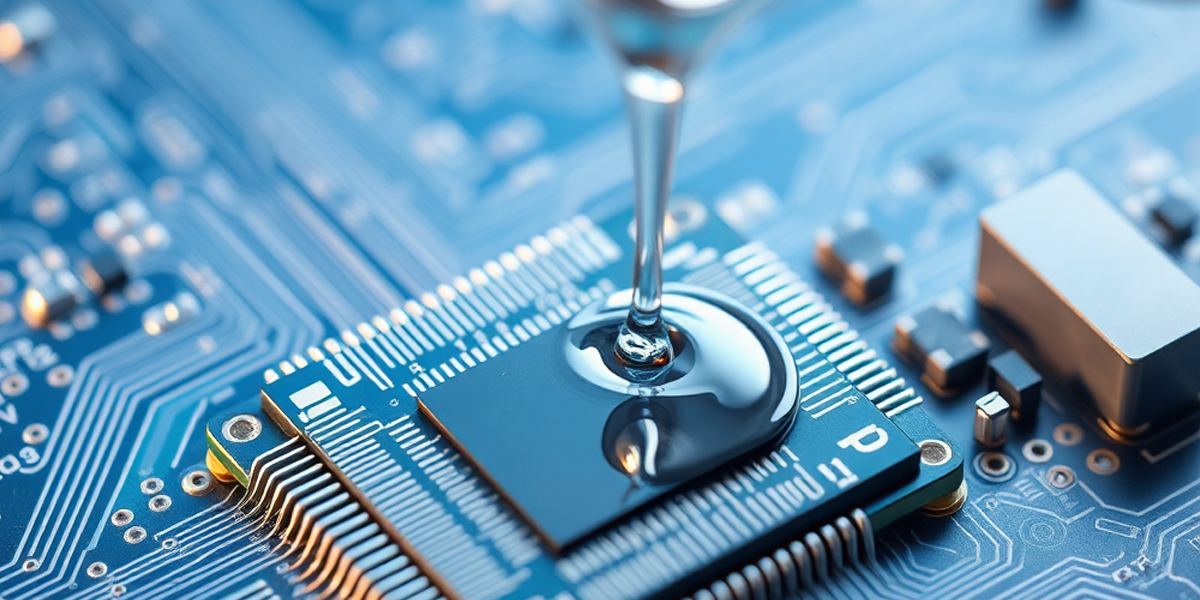
Thermal GreaseGrease for CPU and power devices |
Thermal GelThermal gel and shim materials |
Thermal Material ManufacturerThermal material R&D and filling |
Comprehensive Equipment Operation Demo Videos
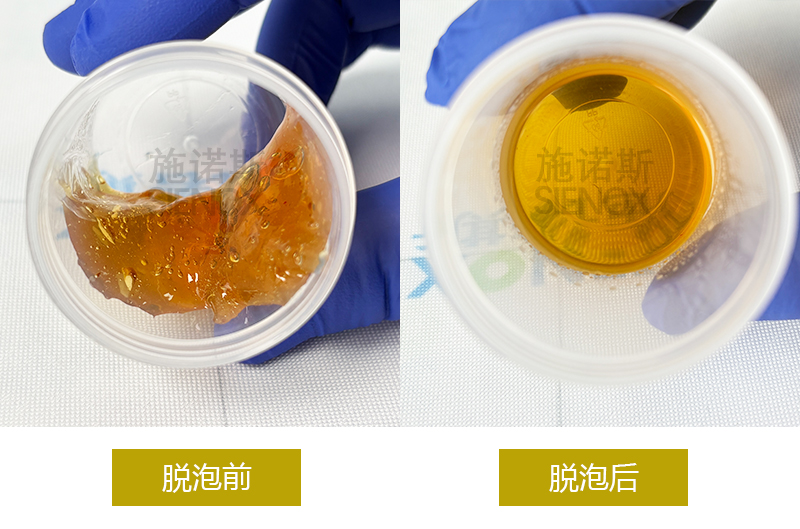
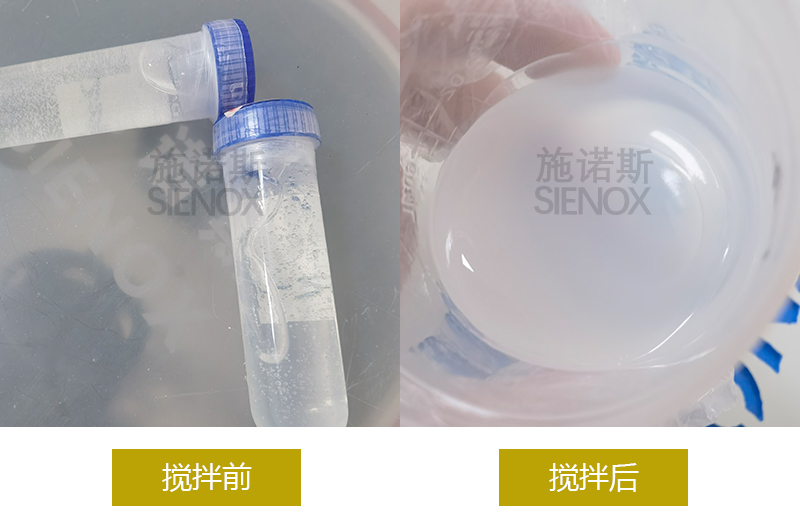
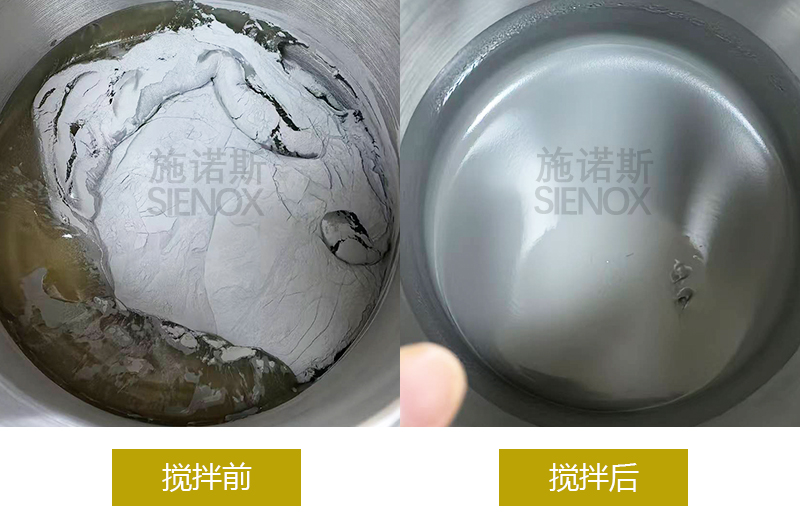
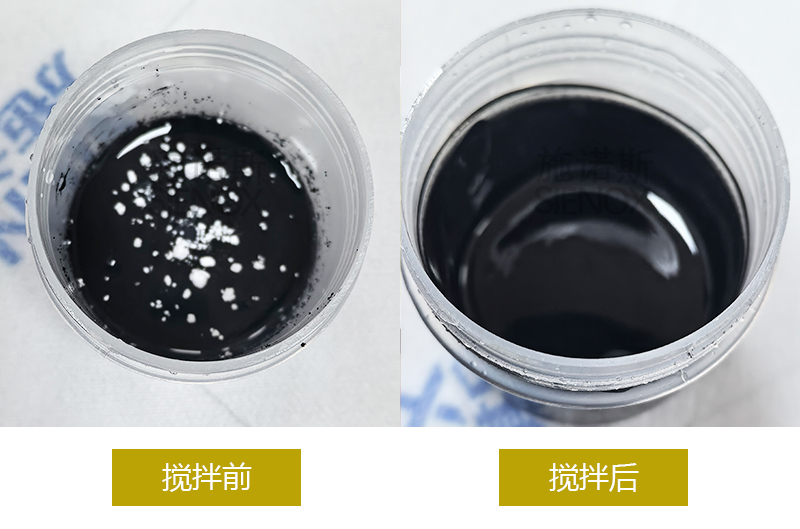
Measured Defoaming‑Process Performance
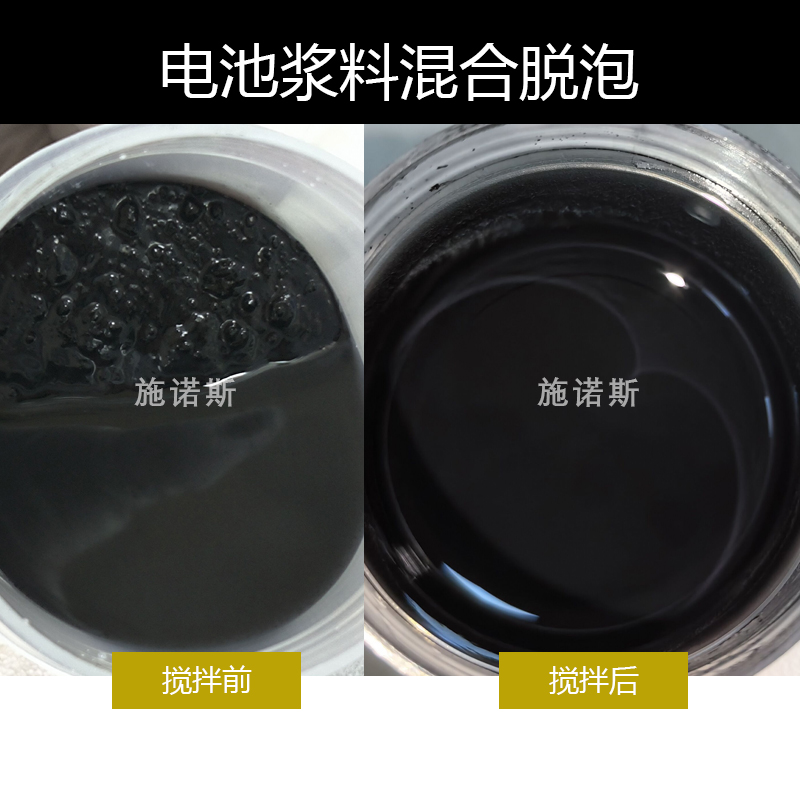
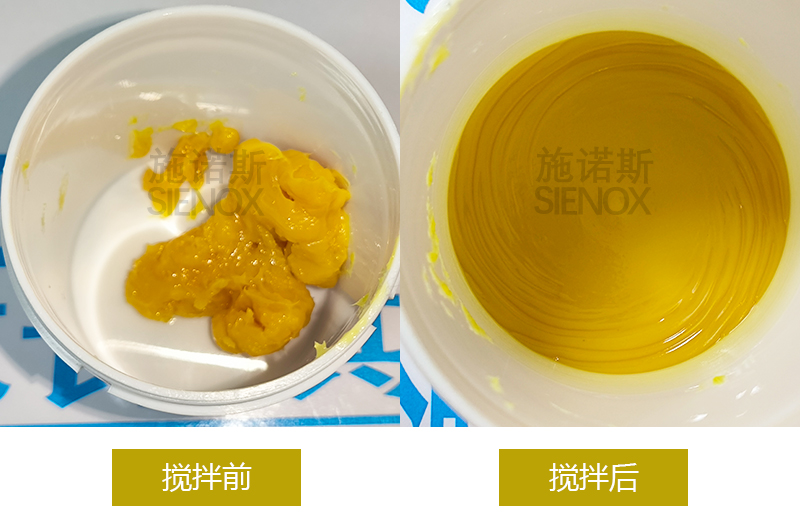
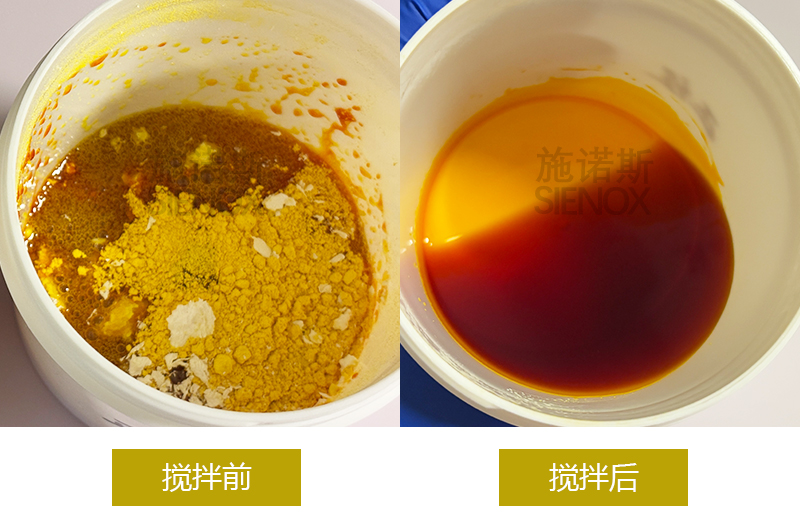
Measured Processing Results for Six Typical Materials
膏状材料 |
胶水+粉体 |
高分子材料 |
医药凝胶 |
银浆材料 |
电池浆料 |
Precautions for Use
| Notes | Operation Instructions |
| Loading & Rotation Speed | High-filler materials tend to sink. Match cup loading volume with rotation speed to ensure uniform filler dispersion. |
| Heating for Viscosity Reduction | High-viscosity thermal conductive pastes can be properly heated to lower viscosity before defoaming for higher efficiency. |
| Slow Pressure Relief | Release pressure slowly after defoaming to prevent re-foaming of paste. |
| Contamination Prevention | Avoid cross-contamination between different filler systems and keep tools and containers clean. |
* Internal laboratory test data. Actual results vary with slurry formulation and application process. Contact sales for real customer cases.
Customer Delivery & Application Cases
Rooted in manufacturing frontlines, empowering benchmark production lines and key national research institutions across diverse industries.