


News

TEL:18925129293


How to Rapidly Mix and Defoam Powder and Glue?
date:2026-09-18author:小施In many laboratory and industrial applications, mixing and defoaming powder and glue is a key procedure, especially in the manufacture of composite materials, electronic products, various adhesives and coatings. Uneven mixing and residual bubbles often degrade material performance and affect the quality of finished products. Therefore, fast and efficient mixing and defoaming of powder and glue is essential to guarantee product quality and performance. This article discusses how to achieve rapid mixing and defoaming of powder and glue and introduces relevant technical solutions.
1. Challenges of Mixing Powder and Glue
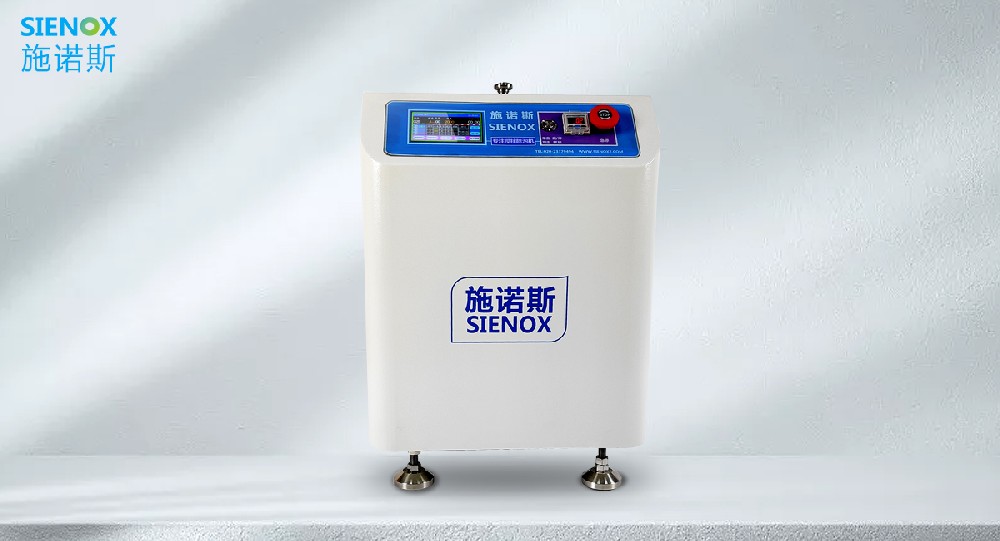
The mixing of powder and glue usually faces several difficulties. First, powder features large specific surface area and strong hygroscopicity, which tends to form agglomerates in glue and results in uneven distribution. Second, the large viscosity difference between powder and glue leads to poor suspension of powder, making it hard to form homogeneous slurry. Bubbles are commonly generated in this process. When stirring or mixing, bubbles can be trapped between glue and powder and impair the performance of final materials.
2. Methods to Achieve Fast and Effective Mixing
The following technical approaches can improve mixing efficiency and quality to blend powder and glue and reduce bubble generation:
(1) High-shear Mixing
High-shear mixing equipment uses high-speed stirrers or impellers to uniformly disperse powder in glue within a short time. It generates strong shear force to break powder agglomeration and maintain uniform dispersion. High-shear mixing can quickly disperse powder and keep homogeneity, which is critical for glue fluidity and final mixing quality. In addition, heat generated during high-speed stirring reduces glue viscosity and facilitates powder dispersion.
(2) Vacuum Mixing and Defoaming
Vacuum mixing and defoaming is a widely adopted defoaming technique, especially suitable for materials with strict bubble control requirements. The mixing container is placed under vacuum. Pressure difference expands and bursts bubbles to remove them effectively. The vacuum environment accelerates bubble rising and rupture, greatly improving defoaming efficiency and preventing residual bubbles in finished materials.
(3) Ultrasonic Defoaming
Ultrasonic defoaming removes bubbles in liquid through cavitation effect induced by ultrasonic vibration. High-frequency vibration waves propagate inside glue and generate tiny cavitation bubbles that collapse under specific conditions to eliminate microbubbles in mixtures. Compact and efficient, ultrasonic defoaming devices fit laboratory and small-batch production. Users can precisely adjust defoaming results by tuning ultrasonic frequency and power.
(4) Revolution & Rotation Defoaming Machine
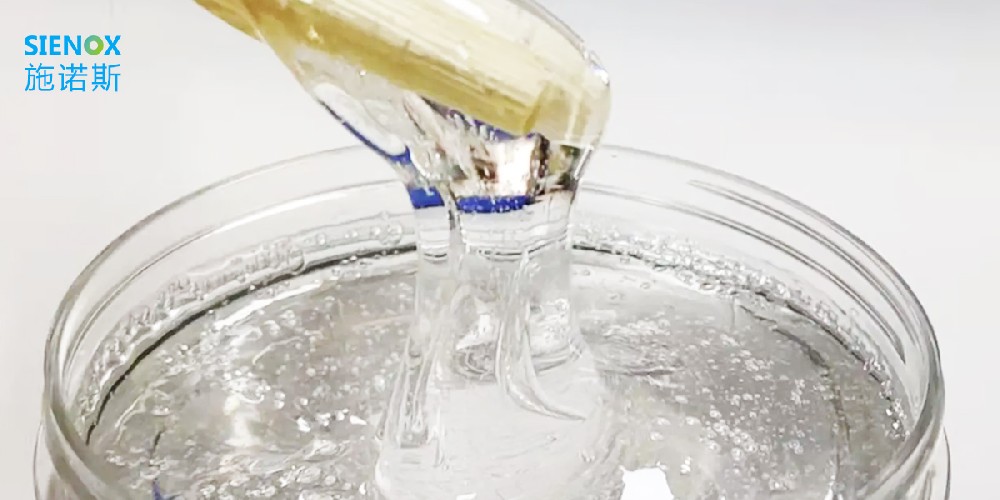
Revolution & rotation defoaming machines are high-efficiency devices combining complex flow trajectories and non-contact design. The rotating arm and support drive the fixture mount to perform revolution motion and create complicated flow paths inside the mixing tank. The multi-directional flow promotes uniform blending of powder and glue and brings bubbles to the liquid surface for rupture to realize fast defoaming. Compared with conventional stirring and vacuum defoaming methods, revolution & rotation defoaming machines greatly boost mixing and defoaming efficiency.
3. Precautions for Mixing and Defoaming
The following points should be noted when mixing and defoaming powder and glue:
- Select proper equipment: Choose suitable mixing and defoaming machines according to material viscosity, particle size and defoaming requirements. For example, high-viscosity glue and fine powder demand stronger shear force and longer mixing time, while mild stirring can deliver good results for low-viscosity glue and coarse powder.
- Control mixing duration and speed: Mixing time and rotating speed are key to sufficient blending of powder and glue. Completing mixing within a short time helps avoid excessive bubble generation, while over-stirring may produce extra foam and residual bubbles.
- Temperature control: Temperature variation affects glue viscosity. Moderate heating reduces viscosity and improves powder dispersion. Adjust temperature reasonably according to experimental requirements.
Mixing and defoaming powder and glue is highly technical. Especially for high-precision and high-quality applications, fast uniform mixing and bubble elimination are core requirements. Advanced technologies including high-shear mixing, vacuum mixing defoaming, ultrasonic defoaming and revolution & rotation defoaming machines can efficiently finish this process, enhance mixing and defoaming performance and guarantee final product quality and properties. When selecting mixing and defoaming equipment, comprehensively evaluate equipment performance and features based on material characteristics, production scale and bubble control requirements to achieve optimal mixing and defoaming results.
Related recommendations
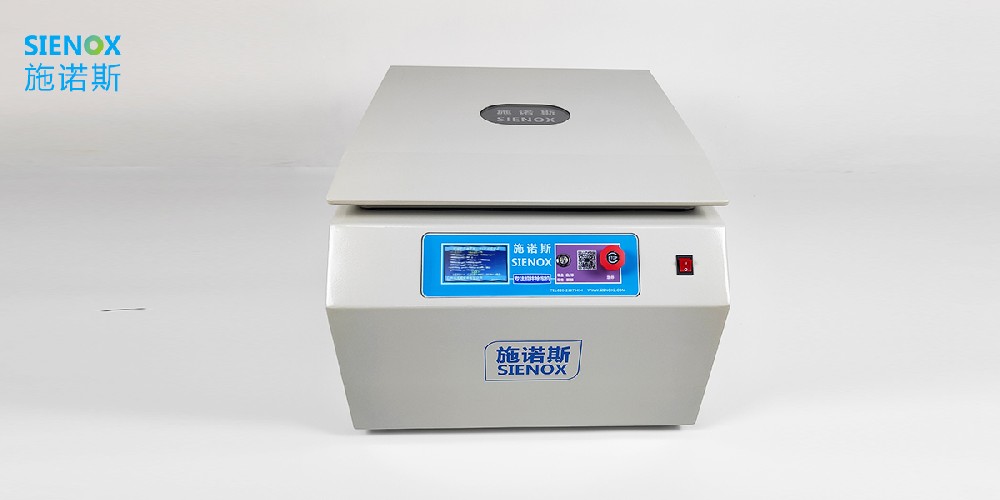
Centrifugal defoaming machine: An efficient tool for both laboratory and factory.
The extensive application fields of planetary defoaming machines.
How to remove bubbles from glue

The application of vacuum stirring defoaming machine in the defoaming process of silver paste materials.
Perhaps you still need....
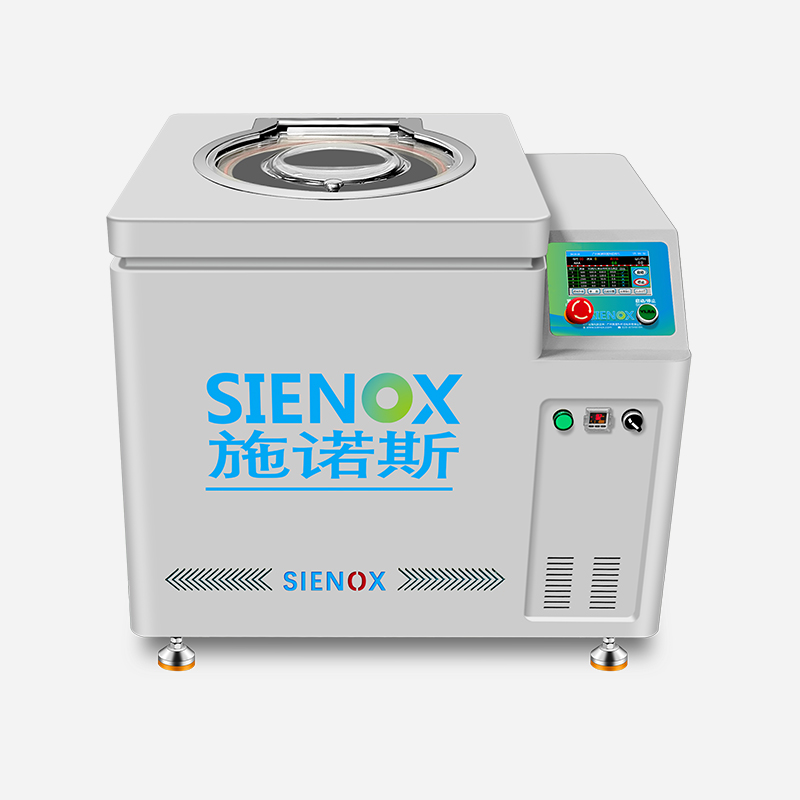
行星式真空脱泡搅拌机 SIE-MIX1000plus
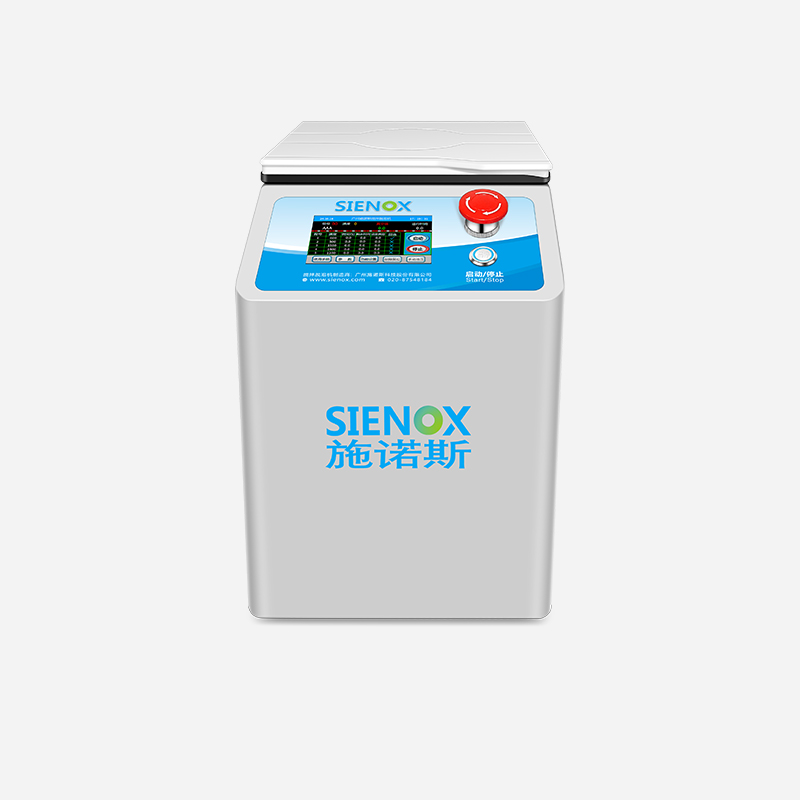
实验室行星式搅拌脱泡机 SIE-SV200
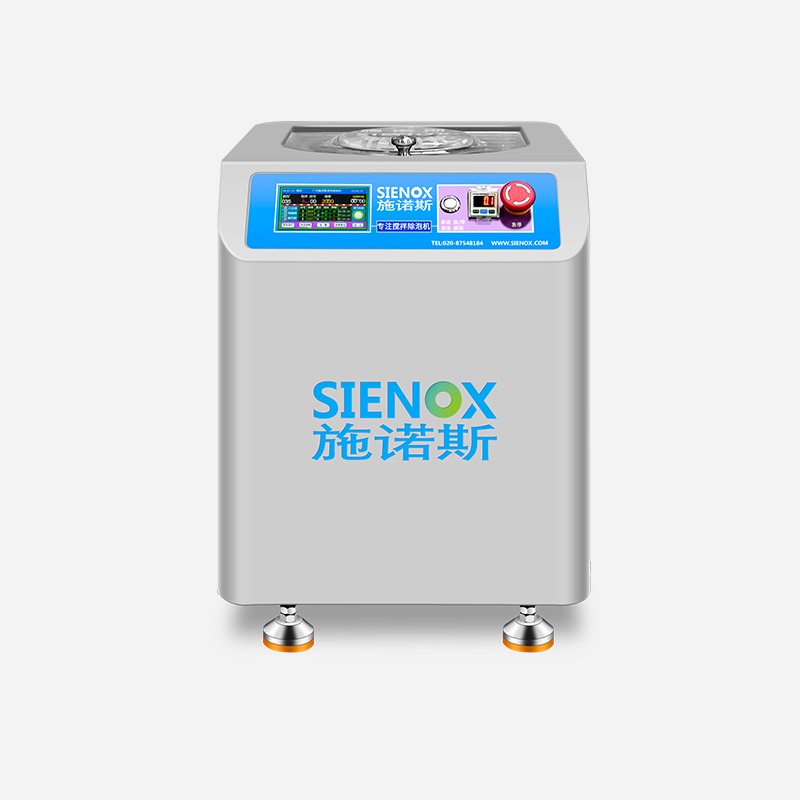
SIENOX行星式脱泡搅拌机 SIE-CV300
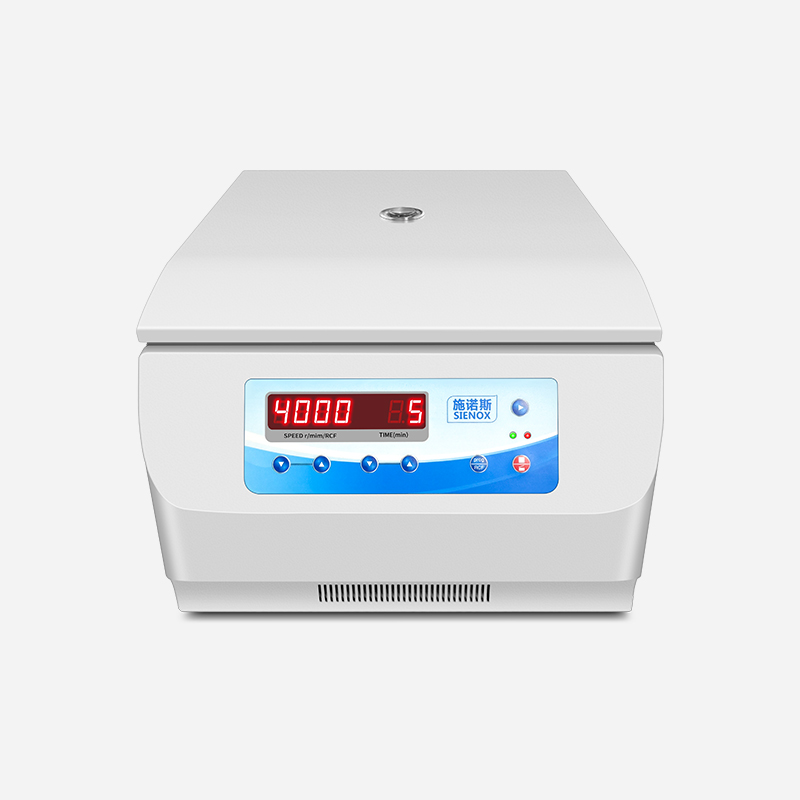
离心脱泡机 SIE-C006
About SIENOX
广州施诺斯(SIENOX),20年脱泡机设备研发与生产的源头厂家
超过1800种材料脱泡案例
纳米级脱泡,满足不同材料多段搅拌除泡需要,支持定制
资质齐全,荣获多项国家专利,联系我们可免费试样