


News

TEL:18925129293


How to Choose Revolution & Rotation Defoaming Machine for Laboratory Use
date:2026-09-18author:小施Laboratory revolution & rotation defoaming machines play an extremely important role in modern scientific research and experiments. Especially when processing adhesives, resins, electronic slurries and other materials, defoaming results directly affect the accuracy of experimental data and material properties. To help laboratories select suitable revolution & rotation defoaming machines, Sienox editors will elaborate on its working principle, main advantages and key factors for selection.
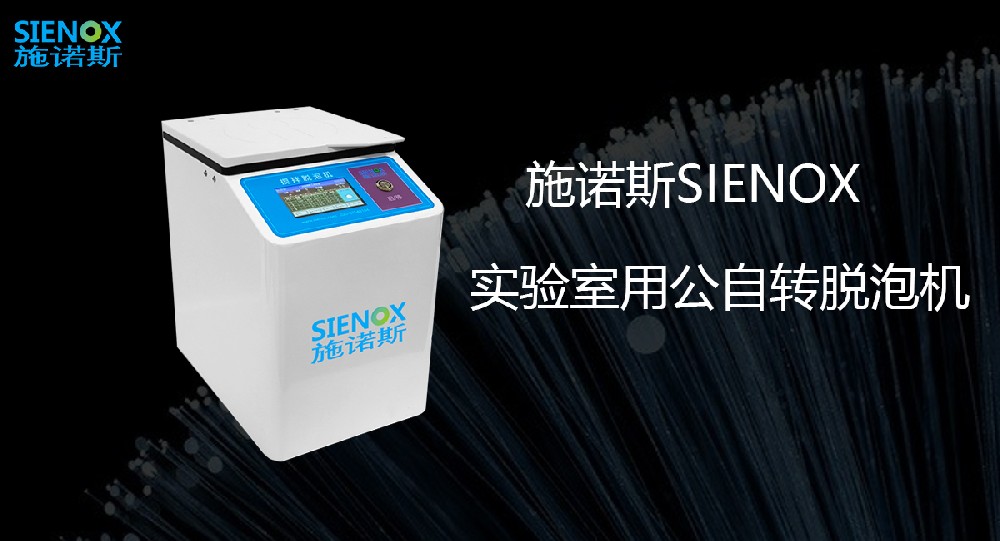
1. Working Principle of Revolution & Rotation Defoaming Machine
Different from traditional paddle-type defoaming machines, revolution & rotation defoaming machines adopt non-contact design. Its unique transmission structure reduces internal stress and vibration of equipment and extends service life. This design not only avoids mechanical friction from conventional stirring paddles, but also effectively cuts down noise and vibration for a more stable defoaming process.
The core working principle is that the rotating arm and support base drive the fixture mounting frame to perform revolution motion. This creates complex flow trajectories for materials inside the mixing tank. Such multi-directional flow can not only promote uniform dispersion of all material components, but also bring bubbles in glue, resin, electronic slurry and other materials to the liquid surface for rupture to achieve defoaming. Compared with traditional single stirring methods, revolution & rotation defoaming machines deliver more uniform and efficient defoaming and can handle high-viscosity materials.
2. Key Factors for Selecting Laboratory Revolution & Rotation Defoaming Machine
(1) Defoaming Efficiency and Material Adaptability
The primary factor for selecting laboratory revolution & rotation defoaming machines is defoaming efficiency. It depends not only on equipment design and motion track, but also closely relates to material viscosity and bubble size. When selecting, confirm the machine can meet defoaming requirements of various materials, such as high-viscosity resin, glue or low-viscosity liquid. Many high-end models support adjustable parameters including rotating speed and vacuum degree for flexible setup according to experimental demands.
(2) Reducing Internal Stress and Improving Equipment Stability
The non-contact structure is a major advantage of revolution & rotation defoaming machines. Stirring paddles on traditional equipment may generate internal stress and hurt material dispersion and defoaming performance. By revolution movement of rotating arm and support base, revolution & rotation defoaming machines avoid such mechanical friction, effectively lower internal stress produced during stirring and guarantee material stability. Meanwhile, this design reduces vibration and noise, improves laboratory working environment and eliminates disturbance caused by vibration and noise.
(3) Easy Operation and Intelligent Functions
Laboratory work usually requires efficient and precise operation. Revolution & rotation defoaming machines are generally equipped with modern control systems. Users can easily set parameters such as defoaming time, vacuum degree and rotating speed via touch screens or digital interfaces. Intelligent control systems simplify operation and monitor the whole defoaming process in real time to ensure stability and consistency of every experiment.
(4) Convenience of Equipment Maintenance and Cleaning
Laboratories have high cleanliness requirements, so it is vital to pick easy-to-clean and maintain revolution & rotation defoaming machines. Compared with traditional mechanical stirring systems, non-contact revolution & rotation defoaming machines reduce internal wear and material accumulation and lower cleaning difficulty. Besides, detachable structure and corrosion-resistant material affect later operation and maintenance cost. Prioritize machines with simple disassembly and cleaning design during selection.
(5) Equipment Size and Space Compatibility
Laboratory space is often limited, so machine volume and footprint are important evaluation points. The equipment should be compact to fit limited lab space. Check whether dimension and weight match the actual laboratory space and avoid inconvenience or space waste caused by oversized or overweight machines.
A properly selected laboratory revolution & rotation defoaming machine can greatly improve defoaming efficiency and guarantee quality and stability of experimental materials. With reduced internal stress, vibration and noise, it creates an efficient, quiet and stable working environment for laboratories. When purchasing, comprehensively evaluate defoaming efficiency, material adaptability, equipment stability, operation convenience, ease of cleaning & maintenance and equipment size to choose the best machine matching experimental requirements. In modern scientific research, revolution & rotation defoaming machines will become essential lab equipment for more and more research teams. Their high-efficiency and precise defoaming performance will offer strong support for various tests and scientific research activities.
Related recommendations
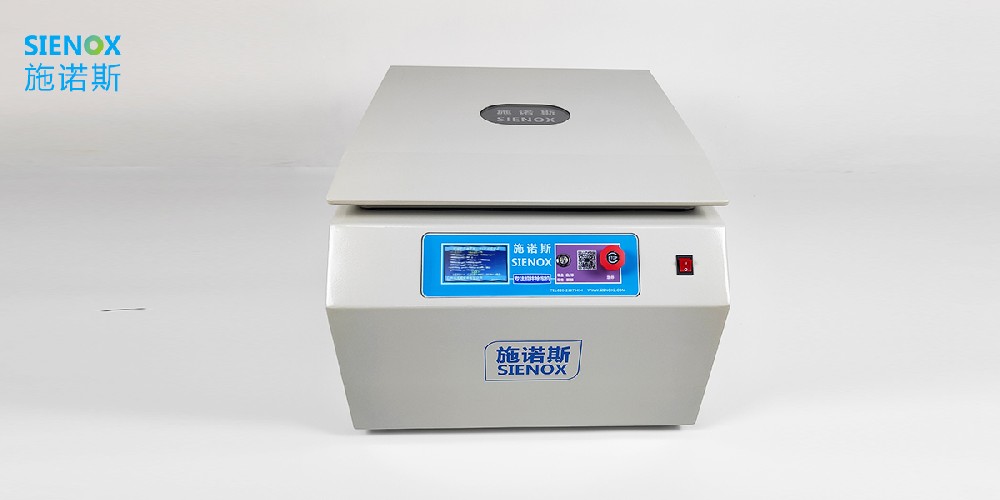
Centrifugal defoaming machine: An efficient tool for both laboratory and factory.

The extensive application fields of planetary defoaming machines.
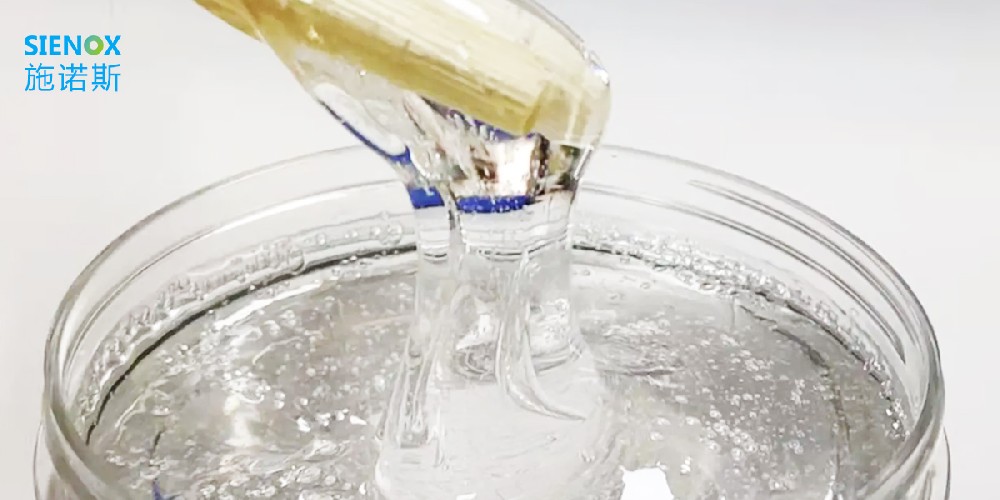
How to remove bubbles from glue

The application of vacuum stirring defoaming machine in the defoaming process of silver paste materials.
Perhaps you still need....
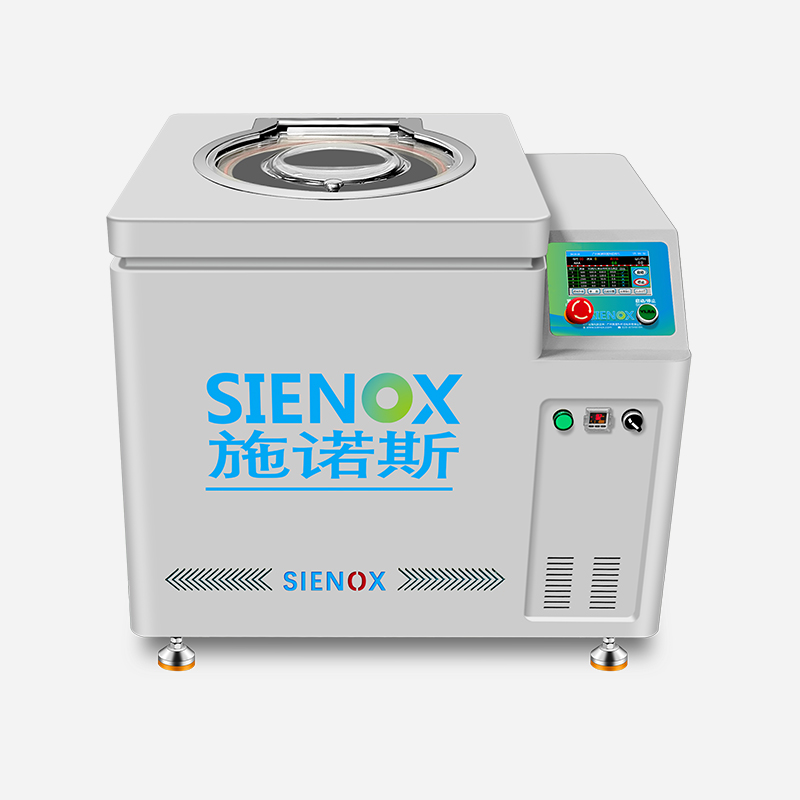
行星式真空脱泡搅拌机 SIE-MIX1000plus
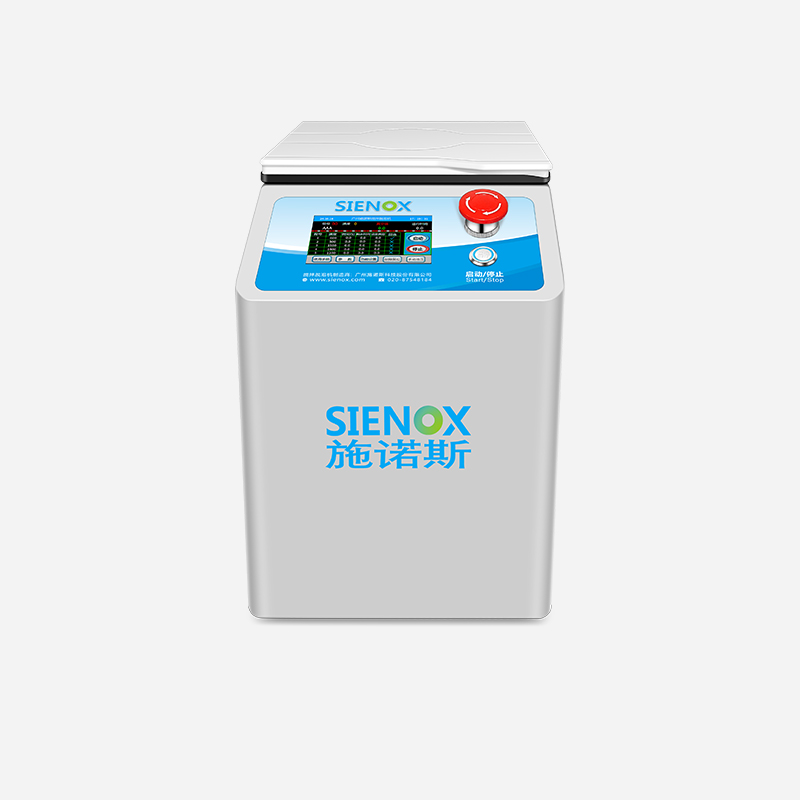
实验室行星式搅拌脱泡机 SIE-SV200
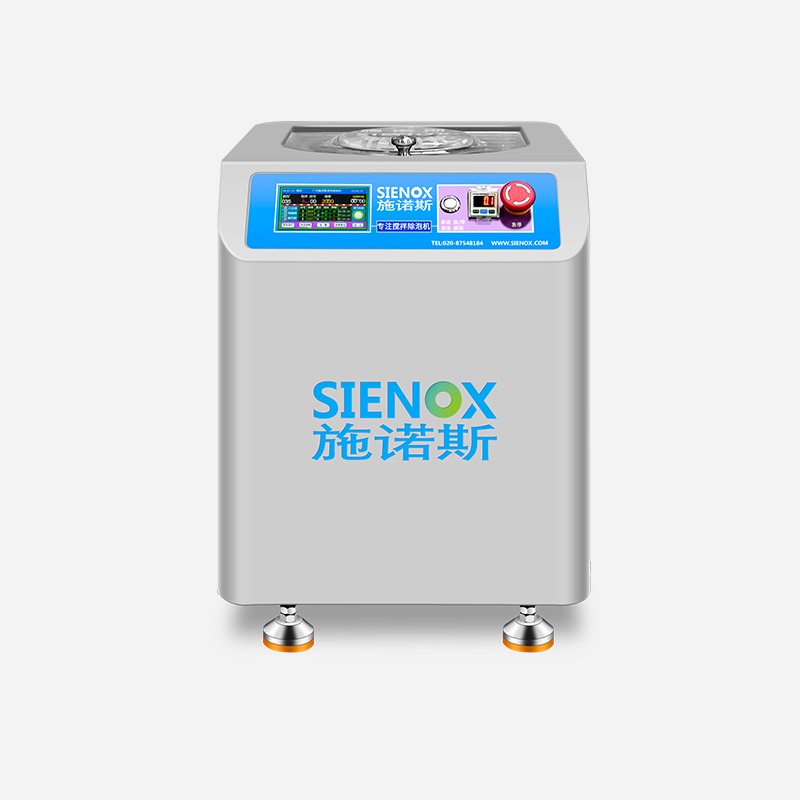
SIENOX行星式脱泡搅拌机 SIE-CV300
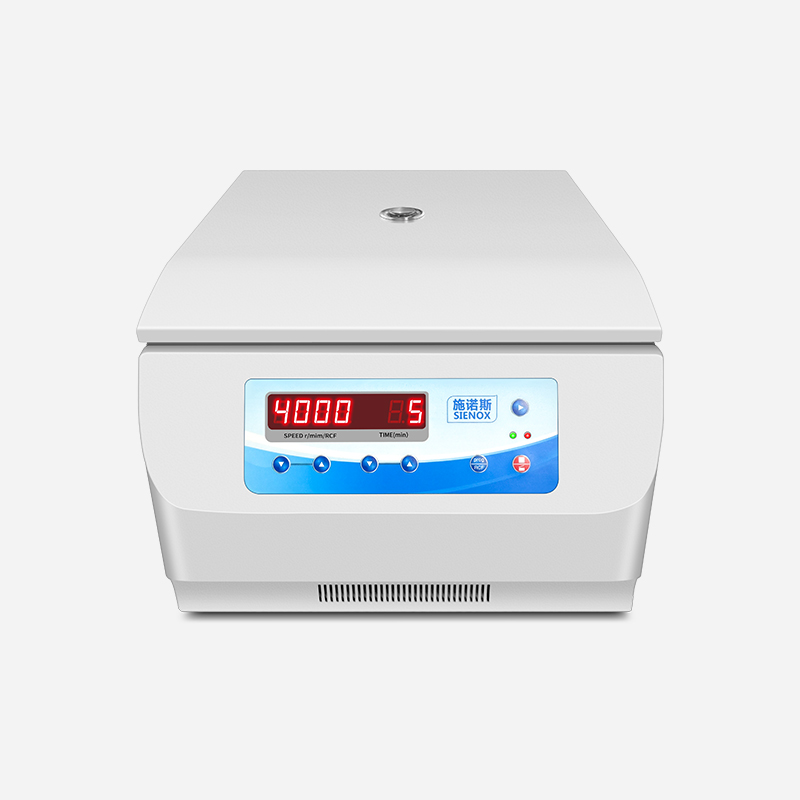
离心脱泡机 SIE-C006
About SIENOX
广州施诺斯(SIENOX),20年脱泡机设备研发与生产的源头厂家
超过1800种材料脱泡案例
纳米级脱泡,满足不同材料多段搅拌除泡需要,支持定制
资质齐全,荣获多项国家专利,联系我们可免费试样