


News

TEL:18925129293


How to Select Revolution & Rotation Defoaming Machines for Laboratory Use
date:2026-09-18author:小施In modern scientific research and industrial experiments, defoaming is a critical step to guarantee the quality of experimental materials, especially for high-precision tests and production. As an important type of defoaming equipment, laboratory revolution & rotation defoaming machines feature unique design and high-efficiency defoaming capacity, widely adopted for various adhesives, chemical materials, electronic slurries and more. Selecting a suitable revolution & rotation defoaming machine can not only boost experimental efficiency and ensure accurate test results, but also prevent material defects caused by bubbles. Therefore, it is vital to learn how to pick the proper laboratory revolution & rotation defoaming machine.
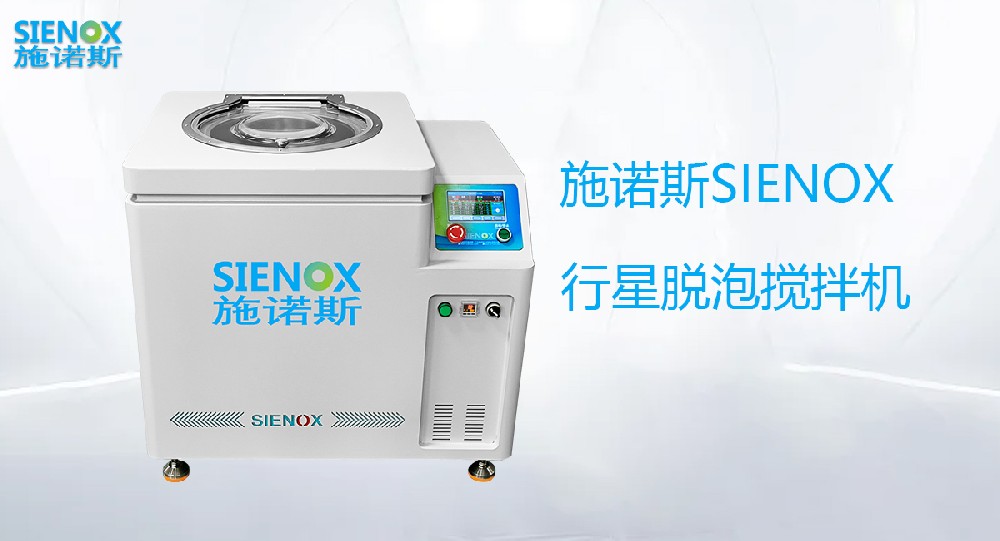
1. Working Principle and Advantages of Defoaming Machines
The core principle of revolution & rotation defoaming machines relies on the dual movement of "revolution" and "rotation" of stirring paddles, which generates complex hydrodynamic effects to rapidly and effectively remove entrained bubbles in liquids or solids. Revolution means the stirring assembly orbits around the center of the container, while rotation refers to the spinning motion of the paddle itself. Through this dual motion, bubbles can quickly rise to the liquid surface and rupture within a short time to realize efficient defoaming.
Compared with conventional single stirring methods, revolution & rotation defoaming machines can handle higher-viscosity materials and achieve defoaming in less time. Besides, many models are equipped with vacuum systems that further accelerate bubble rupture by lowering air pressure, so as to secure material stability and purity.
2. Key Factors for Selecting Laboratory Revolution & Rotation Defoaming Machines
(1) Defoaming Efficiency and Processing Capacity
When choosing a revolution & rotation defoaming machine, defoaming efficiency comes first. Laboratory defoaming tasks usually require small batch sizes with high precision and fast processing. Hence, the throughput and defoaming performance must match experimental requirements. Vacuum level, stirring speed and time control are major factors affecting defoaming results. Make sure the machine can quickly reach the target vacuum degree and adjust flexibly according to material viscosity and bubble size.
(2) Equipment Adaptability
Laboratories cover a wide range of research fields, and materials used in different experiments have diverse properties. For example, high-viscosity resin, glue or electronic slurry has different defoaming requirements from ordinary liquids. Therefore, evaluate equipment adaptability: whether it can process materials of different viscosities and support adjustable parameters such as stirring speed and vacuum degree for flexible setup according to specific experimental needs.
(3) Operation Convenience and Intelligent Functions
Laboratory work often demands efficient and precise operation. Defoaming machines with intelligent control systems allow users to easily set defoaming duration, vacuum level and stirring speed via touch screens or digital interfaces. Users can start the machine with one click and finish the whole defoaming process automatically. In addition, high-end models support real-time monitoring, displaying temperature, pressure and time data during operation, helping guarantee consistency and precision for every experiment.
(4) Equipment Cleaning and Maintenance
Laboratories normally have strict cleaning requirements, especially for high-precision experiments. It is very important to choose easy-to-clean and maintain defoaming equipment. Detachable structure and corrosion-resistant material directly affect later usage experience. Meanwhile, maintenance frequency and wearing part replacement should be taken into consideration. Reliable after-sales service and technical support are also key selection criteria.
(5) Equipment Size and Laboratory Space
Laboratory space is often limited, so equipment dimension is another factor to consider. Revolution & rotation defoaming machines should adopt compact design to deliver sufficient processing capacity while fitting limited lab space. When selecting, calculate volume and weight, and check whether extra auxiliary facilities such as cooling or ventilation systems are required.
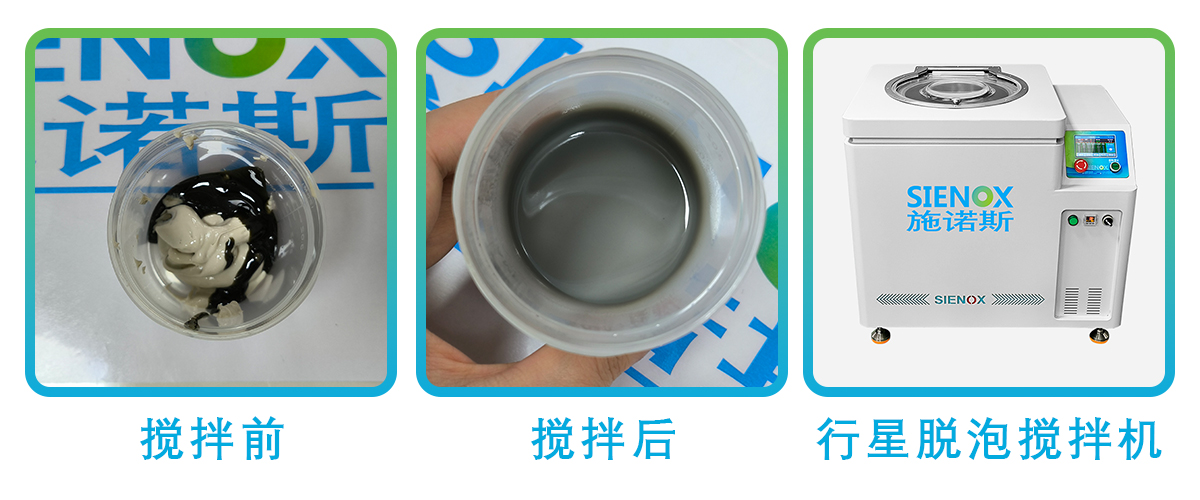
Selecting a suitable laboratory revolution & rotation defoaming machine is the key to ensuring experimental precision and efficiency. Defoaming efficiency, material adaptability, operation convenience, ease of cleaning and maintenance, as well as equipment size and space compatibility are all important evaluation points. With a defoaming machine matching experimental requirements, researchers can greatly improve test reliability and repeatability, reduce experimental errors caused by bubbles, and obtain a stable experimental environment and data support.
Related recommendations
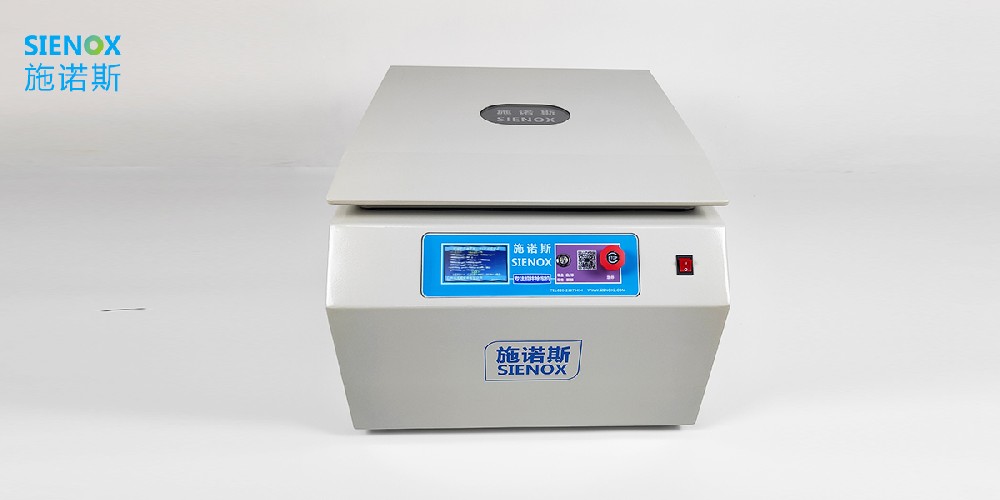
Centrifugal defoaming machine: An efficient tool for both laboratory and factory.
The extensive application fields of planetary defoaming machines.
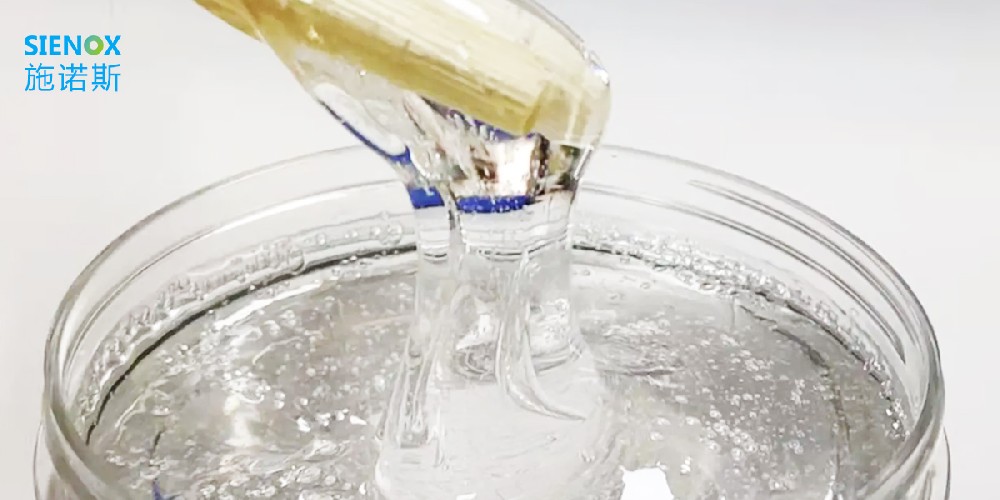
How to remove bubbles from glue

The application of vacuum stirring defoaming machine in the defoaming process of silver paste materials.
Perhaps you still need....
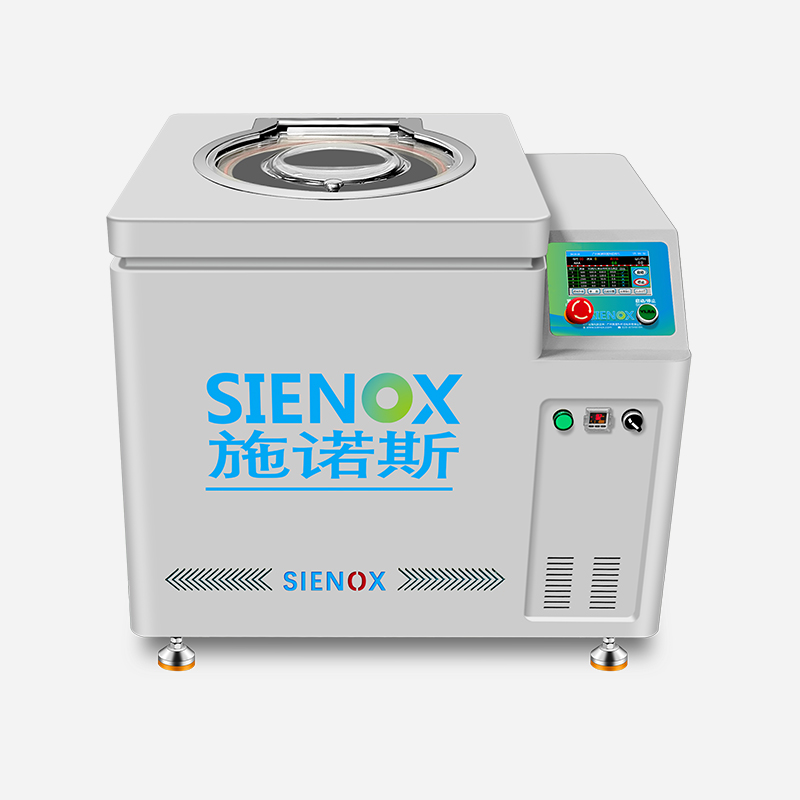
行星式真空脱泡搅拌机 SIE-MIX1000plus
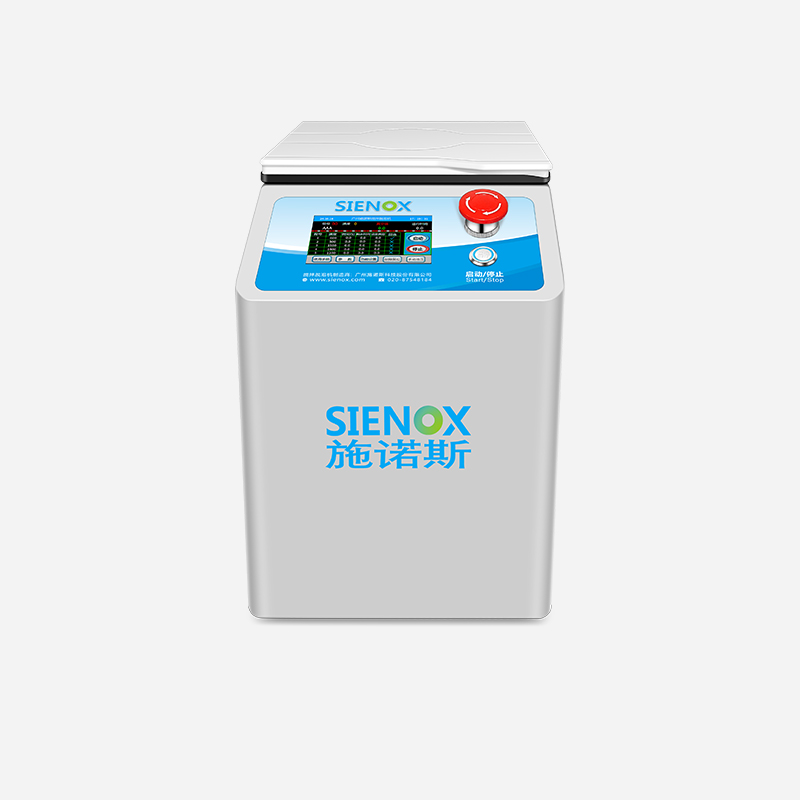
实验室行星式搅拌脱泡机 SIE-SV200
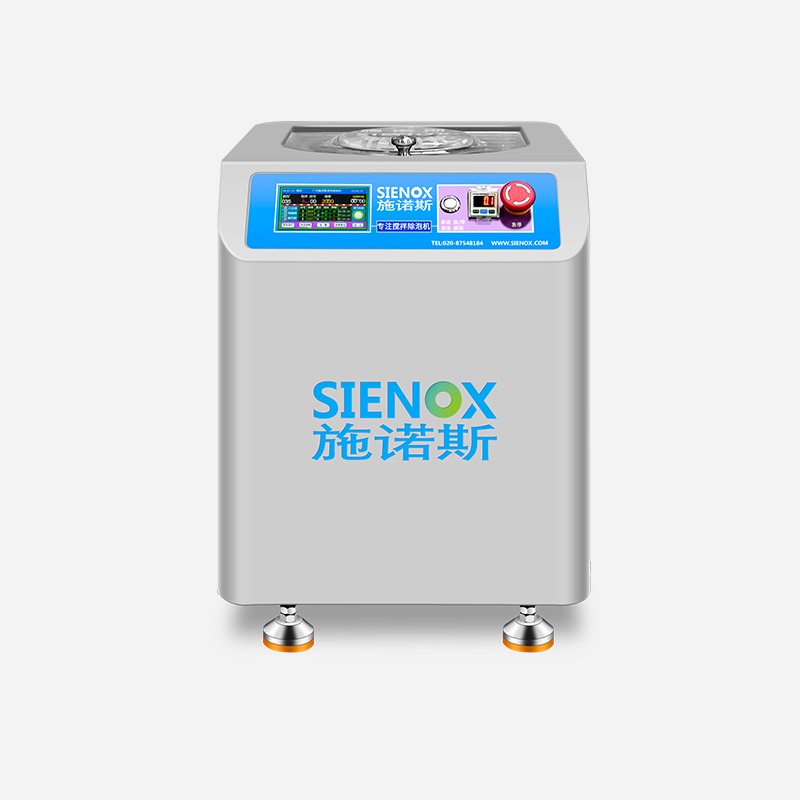
SIENOX行星式脱泡搅拌机 SIE-CV300
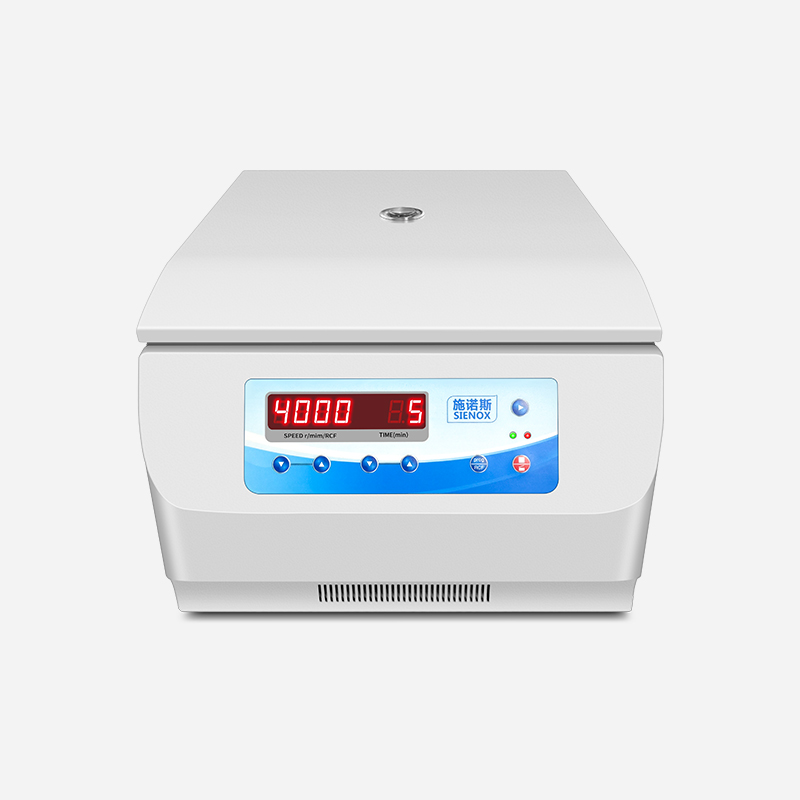
离心脱泡机 SIE-C006
About SIENOX
广州施诺斯(SIENOX),20年脱泡机设备研发与生产的源头厂家
超过1800种材料脱泡案例
纳米级脱泡,满足不同材料多段搅拌除泡需要,支持定制
资质齐全,荣获多项国家专利,联系我们可免费试样