


News

TEL:18925129293


Application of Vacuum Stirring Defoaming Machines in Defoaming of Silicon-carbon Anode Materials
date:2026-09-17author:小施Against the backdrop of global transition to clean energy, silicon-carbon anode materials have rapidly risen in the lithium-ion battery industry and become a key factor driving industrial progress and unlocking the application potential of new energy. However, bubble generation during preparation remains a critical and stubborn barrier to high-quality materials. As targeted professional equipment, vacuum stirring defoaming machines deliver accurate and efficient performance, offering practical solutions to resolve this challenge and strongly support the advancement of silicon-carbon anode materials.

Working Principle of Vacuum Stirring Defoaming Machine: Superior Performance Powered by Cutting-edge Technology
When processing silicon-carbon anode materials, vacuum stirring defoaming machines adopt a sophisticated and precise defoaming system. Breaking away from traditional blade-type structures, they adopt an innovative rotary mechanism. Once silicon-carbon anode slurry, a functional composite precisely formulated from silicon sources, carbon sources, binders and conductive agents, is fed into the chamber, the built-in stirring system responds instantly. High-speed revolution generates powerful centrifugal force, pushing the slurry outward at high velocity and triggering violent tumbling and collision between slurry, chamber walls and internal precision components, which disrupts the initial homogeneous steady state of the slurry. Meanwhile, the chamber performs precisely controlled rotation. The resulting shear force acts like micro cutting tools, breaking stubborn microbubbles hidden inside the microstructure of the material, eliminating bubble aggregation and exposing trapped bubbles.
The vacuum pump works in coordination as a vital auxiliary unit, continuously extracting air inside the chamber to create near-limit negative pressure. Under atmospheric pressure, tiny bubbles are trapped by the high viscosity and surface tension of slurry and cannot escape spontaneously. In vacuum environments, the sharp pressure drop creates a prominent pressure gradient between bubble interior and exterior, endowing bubbles with strong outward driving force. Bubbles migrate rapidly toward the slurry surface, overcome surface tension and get removed from the system to achieve deep purification and defoaming. Revolution, rotation and vacuum extraction work in tandem to lay a solid foundation for quality upgrading of silicon-carbon anode materials.
Realizing Breakthrough Performance Improvement for Silicon-carbon Anode Materials
Remarkably optimized electrochemical performance: Bubbles act as randomly distributed blocking nodes in the microstructure of silicon-carbon anodes, severely hindering lithium-ion transport during charge and discharge, lowering charge-discharge efficiency and limiting capacity utilization. After processing with vacuum stirring defoaming machines, the internal material structure is reconstructed into a dense and orderly state, forming unobstructed migration channels for lithium ions. The initial charge-discharge efficiency rises significantly from around 70% impaired by bubbles to over 85%, while cycle life is greatly extended. It supplies powerful, durable and stable power for high-demanding scenarios such as new energy vehicles and large-scale energy storage power stations.
Reinforced structural stability: Silicon-carbon anodes undergo periodic volume expansion and contraction during charge-discharge cycles. Residual bubbles inside materials serve as latent structural hazards. Stress induced by volume variation easily triggers cracking and pulverization, leading to steep performance degradation. Defoamed materials possess dense internal structure like tough structural armor, tolerating volume changes in cycling, maintaining electrode integrity and stability and ensuring long-term efficient battery operation.
Advanced processing adaptability: Slurries loaded with bubbles feature complex gas-liquid two-phase structure and poor rheological properties. They cannot uniformly and stably coat the current collector during coating, causing uncontrolled electrode thickness uniformity and large performance deviation. Vacuum stirring defoaming machines leverage unique defoaming and rheology regulation capability to optimize slurry rheological behavior. The slurry spreads smoothly and evenly in coating, keeping electrode thickness consistency within tight tolerances and stabilizing product performance. Production yield increases greatly, reject rate drops sharply and cost losses from poor process adaptability are effectively reduced.
Key Nodes and Fine Control Strategies in Practical Operation
Fine pre-mixing of slurry — preliminary foundation: Accurate weighing of silicon sources, carbon sources, binders and other raw materials is the first step of silicon-carbon anode preparation. Weighing tolerance must be strictly controlled to guarantee batch consistency and stability. Raw materials are loaded into professional pre-mixing equipment such as planetary mixers and stirred gently at low speed for full dispersion and blending, just like a well-orchestrated molecular coordination process, laying solid groundwork for subsequent defoaming. Uneven dispersion of silicon sources in pre-mixing easily forms local high-concentration agglomerates, which not only increases defoaming difficulty but also leaves hidden risks for final performance.
Careful feeding — critical connection: Treat pre-mixed slurry as high-precision research samples and pour it slowly, steadily and accurately into the vacuum stirring defoaming machine. Hasty and rough feeding must be avoided to prevent generating extra new bubbles and adding complexity to defoaming. Meanwhile, fully inspect equipment sealing parts to meet strict process standards, eliminate vacuum leakage risks and secure stable defoaming results.
Precise parameter tuning — core control: Configure parameters carefully on the control panel according to slurry characteristics including viscosity, solid content and bubble distribution. Stirring speed is dynamically adjusted based on viscosity, generally within 500–3000rpm. Stirring time is customized from 0 to 10 minutes depending on bubble content and slurry properties. Vacuum degree is stably maintained at -99.9KPa. For challenging high-viscosity slurries, appropriately extend stirring and defoaming duration to achieve deep bubble removal.
Real-time dynamic monitoring — process safeguard: During defoaming, observe slurry changes in real time through the high-transparency viewing window. If slurry churns violently or suddenly stops tumbling, adjust parameters promptly based on professional judgment, just as an experienced captain steers according to sea conditions. Continuously track vacuum readings and motor operating stability to maintain reliable machine operation.
Safe discharging — final guarantee: When reaching preset defoaming time, wait until vacuum pressure returns to atmospheric pressure, then carefully open the discharge port and collect high-quality defoamed slurry. The finished slurry should be fine, homogeneous and visually bubble-free, ready to be delivered to the subsequent electrode forming procedure for efficient production.
With rising global clean energy demand and accelerated technological iteration, the silicon-carbon anode industry is advancing rapidly toward broader prospects. Vacuum stirring defoaming machines, with outstanding defoaming capacity and material performance enhancement, have become core equipment promoting industrial prosperity and technical progress, continuously powering the sustainable development of the new energy sector.
Related recommendations
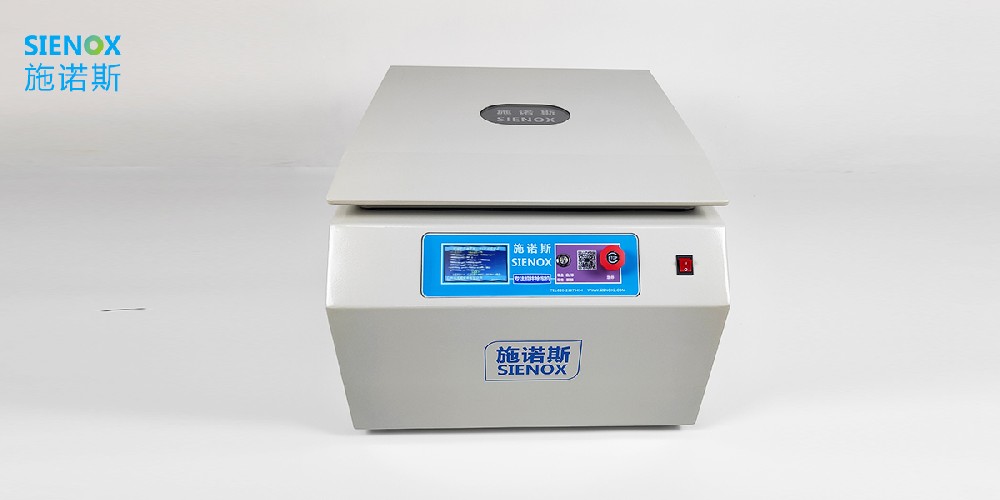
Centrifugal defoaming machine: An efficient tool for both laboratory and factory.
The extensive application fields of planetary defoaming machines.
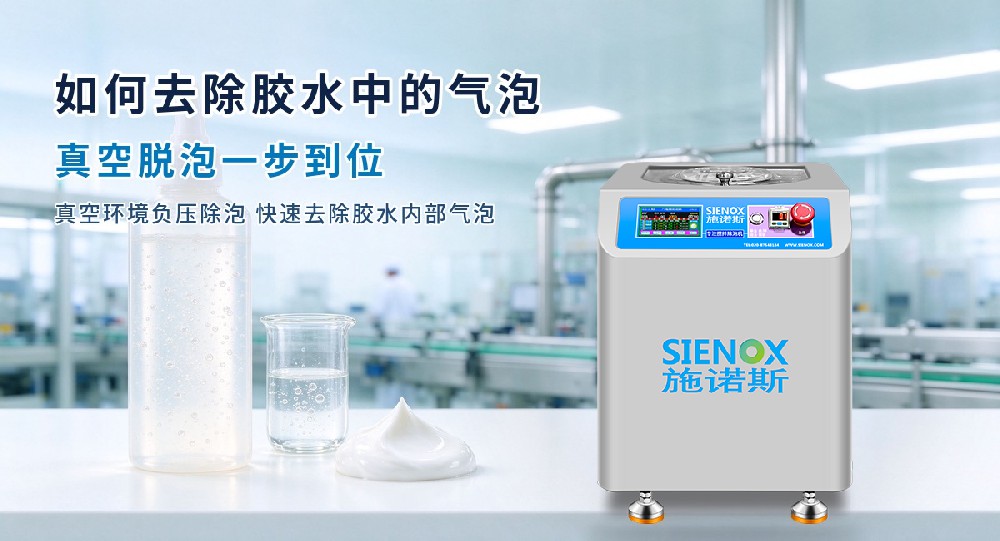
How to remove bubbles from glue
The application of vacuum stirring defoaming machine in the defoaming process of silver paste materials.
Perhaps you still need....
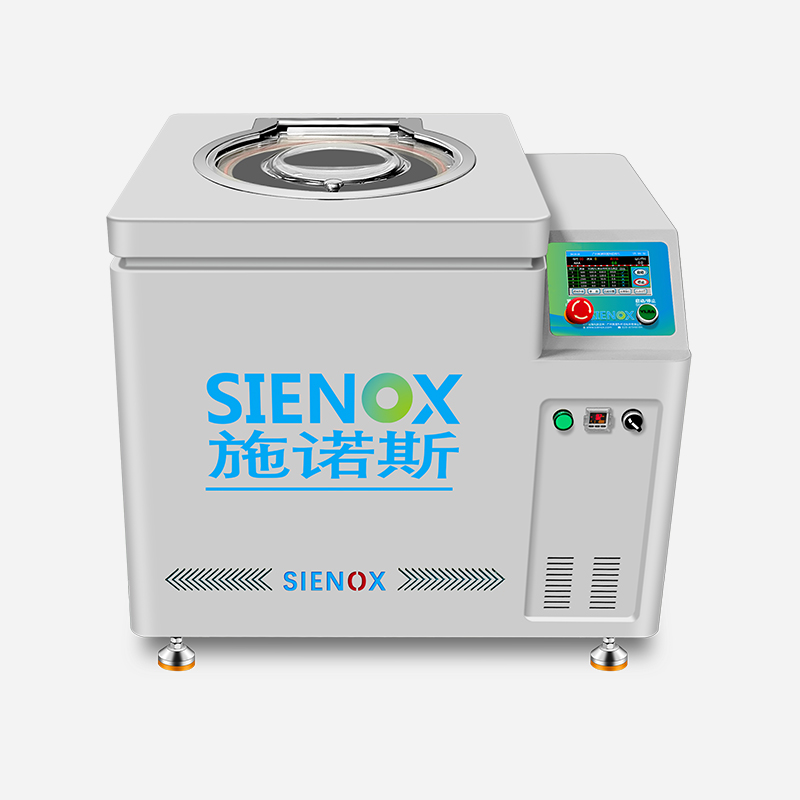
行星式真空脱泡搅拌机 SIE-MIX1000plus
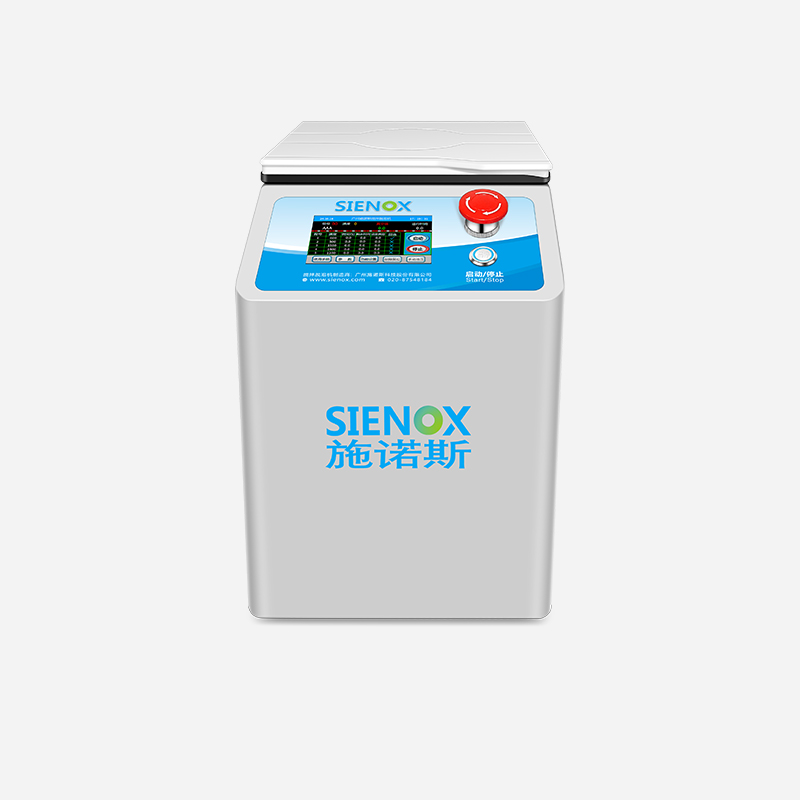
实验室行星式搅拌脱泡机 SIE-SV200
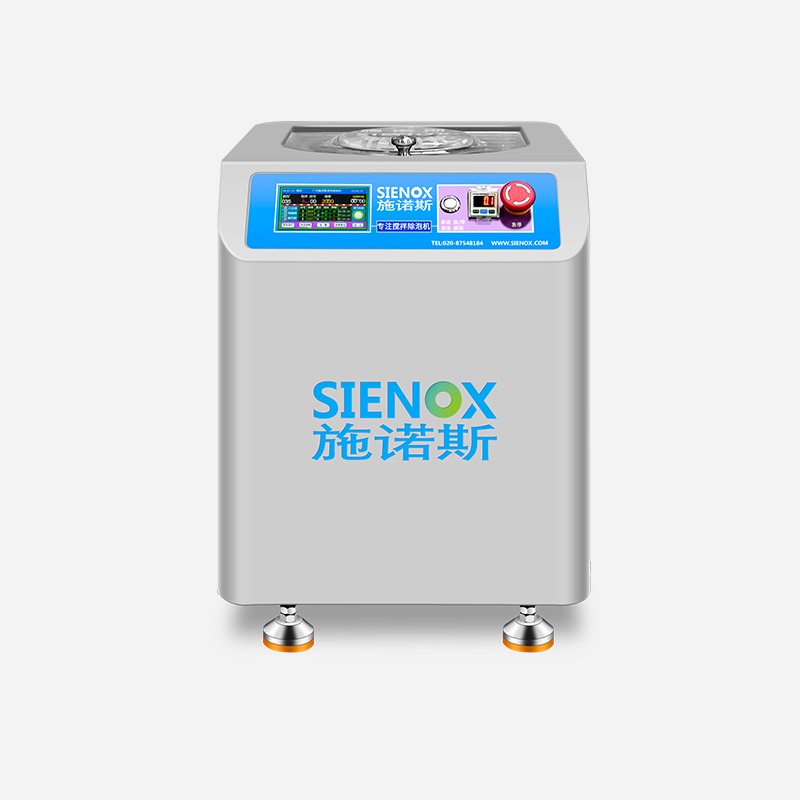
SIENOX行星式脱泡搅拌机 SIE-CV300
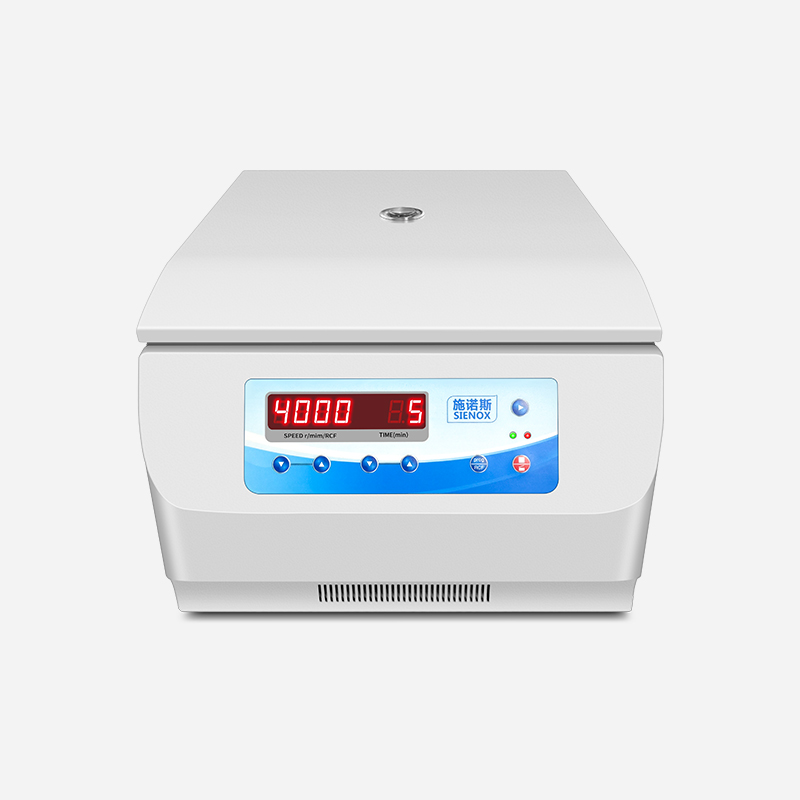
离心脱泡机 SIE-C006
About SIENOX
广州施诺斯(SIENOX),20年脱泡机设备研发与生产的源头厂家
超过1800种材料脱泡案例
纳米级脱泡,满足不同材料多段搅拌除泡需要,支持定制
资质齐全,荣获多项国家专利,联系我们可免费试样