


News

TEL:18925129293


Application of Vacuum Stirring Defoaming Machines in Defoaming of Silicone Rubber Materials
date:2026-09-17author:小施During the production and processing of silicone rubber materials, bubbles act like hidden "defect bombs", severely impairing the quality and performance of final products. Silicone rubber parts, whether used for precision electronic encapsulation, high-end mold manufacturing or medical supplies, demand a bubble-free state. As powerful equipment to tackle this problem, vacuum stirring defoaming machines play a vital role in the silicone rubber industry.
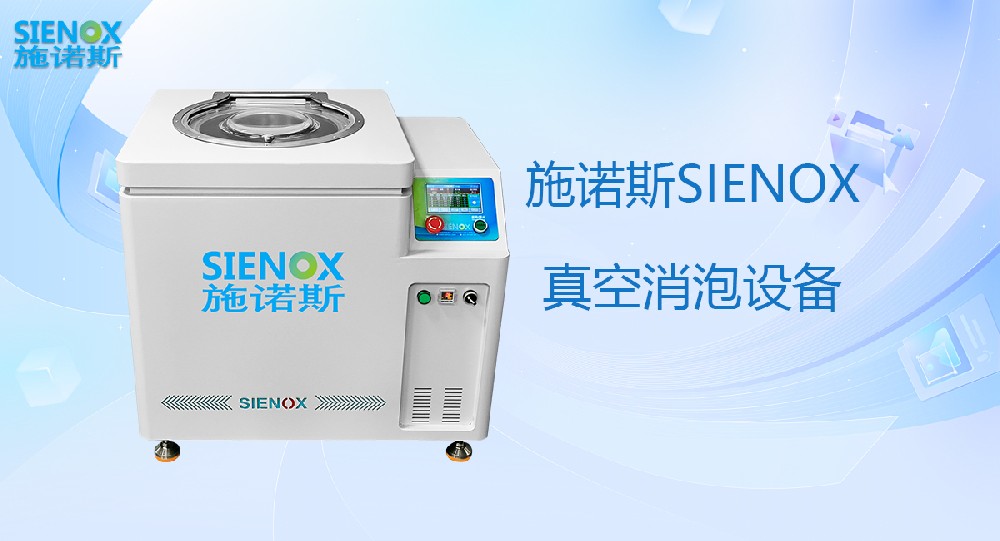
Analysis of Working Principle of Vacuum Stirring Defoaming Machine
Vacuum stirring defoaming machines realize defoaming relying on the combined effect of stirring and vacuum. Equipped with an efficient stirring unit, the machine starts to operate after silicone rubber raw materials, curing agents and other additives are proportionally mixed and fed in. The stirring is not simple blending; strong shear force is generated to break the stability of bubbles inside silicone rubber, just like stirring coffee rapidly to disperse gathered bubbles. Meanwhile, the air extraction system works at full capacity to quickly evacuate air from the vessel and create a negative-pressure environment. Under normal pressure, bubbles are confined by the pressure of surrounding liquid and hard to escape. In vacuum conditions, the pressure difference rises sharply. Bubbles expand rapidly and accelerate moving toward the material surface like released springs, eventually breaking through surface tension and being discharged outwards. In this process, stirring helps disperse bubbles while vacuum facilitates bubble discharge. The two functions complement each other to accomplish efficient defoaming.
Remarkable Advantages Brought to Silicone Rubber Materials
Improved physical properties: Bubbles form weak points inside silicone rubber and reduce tensile strength, tear strength and other physical indicators. After treatment by vacuum stirring defoaming machines, the internal structure of silicone rubber becomes denser and more uniform, greatly boosting the overall strength and toughness to adapt to complex working conditions. For example, defoamed silicone rubber used for sealing parts of automobile engines can withstand higher temperature and pressure and lower leakage risks.
Optimized appearance quality: For silicone rubber products with strict appearance requirements such as silicone keys and crafts, bubbles will seriously damage surface flatness and smoothness and downgrade product quality. Vacuum stirring defoaming machines deliver mirror-smooth silicone rubber free of bubble defects, enhancing product aesthetics and market competitiveness.
Higher production efficiency and yield: Traditional manual defoaming or simple degassing methods feature low efficiency and unstable results. A large number of bubble-containing products require rework or even scrapping. Vacuum stirring defoaming machines have high automation, enabling fast and stable defoaming, greatly shortening production cycles. The product yield can be raised from a low level to over 80% or even 90%, cutting production costs.
Practical Operation Procedures and Key Points
Raw material preparation and mixing: Accurately weigh silicone rubber base material, curing agent and other additives, and perform preliminary mixing in a container according to the specified formula. This step lays the foundation for subsequent defoaming. Inadequate mixing will lead to incomplete curing or difficult bubble removal.
Material loading: Slowly pour mixed silicone rubber into the container of the vacuum stirring defoaming machine, avoiding material overflow. Ensure the container is well sealed to prevent vacuum leakage.
Parameter setting and startup: Reasonably set stirring speed, stirring duration, vacuum degree and other parameters on the machine control panel based on silicone rubber characteristics, batch size and bubble severity. For instance, high-viscosity silicone rubber may require higher stirring speed, longer stirring time and stricter vacuum standards. Start stirring and air extraction after parameter configuration.
Process monitoring: Observe the state of silicone rubber through the transparent viewing window during defoaming. The material will churn at first due to bubble release and gradually calm down as defoaming proceeds. Keep tracking vacuum readings and the operation status of the stirring motor to ensure stable operation.
Completion operation: When reaching the preset defoaming time, the machine stops stirring and air extraction. Wait until vacuum pressure returns to atmospheric pressure, then carefully open the machine and take out defoamed silicone rubber. The material has substantially reduced or completely eliminated bubbles and can be directly sent to subsequent forming processes.
As the silicone rubber industry continuously pursues high-quality and high-performance products, vacuum stirring defoaming machines have become indispensable key equipment. It resolves bubble issues and lays a solid foundation for silicone rubber products to enter broader application fields, helping the industry reach new heights.
Related recommendations
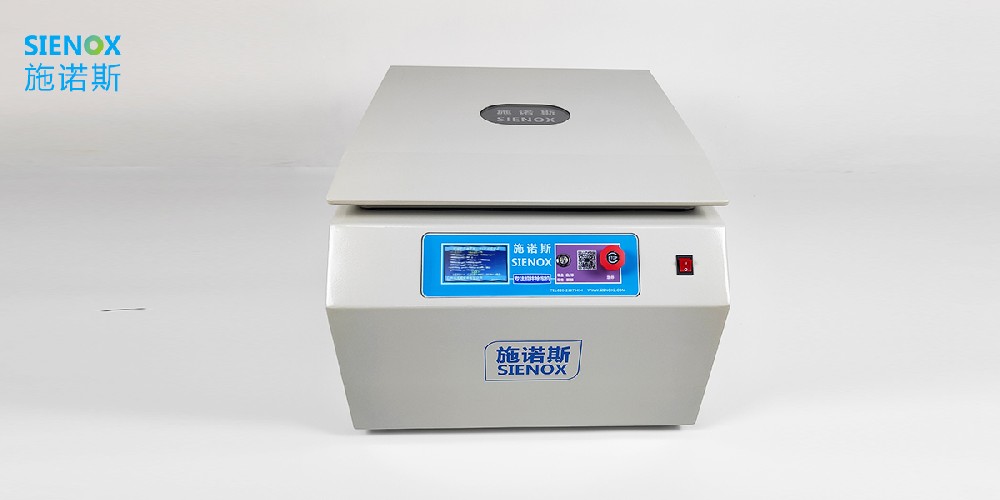
Centrifugal defoaming machine: An efficient tool for both laboratory and factory.

The extensive application fields of planetary defoaming machines.
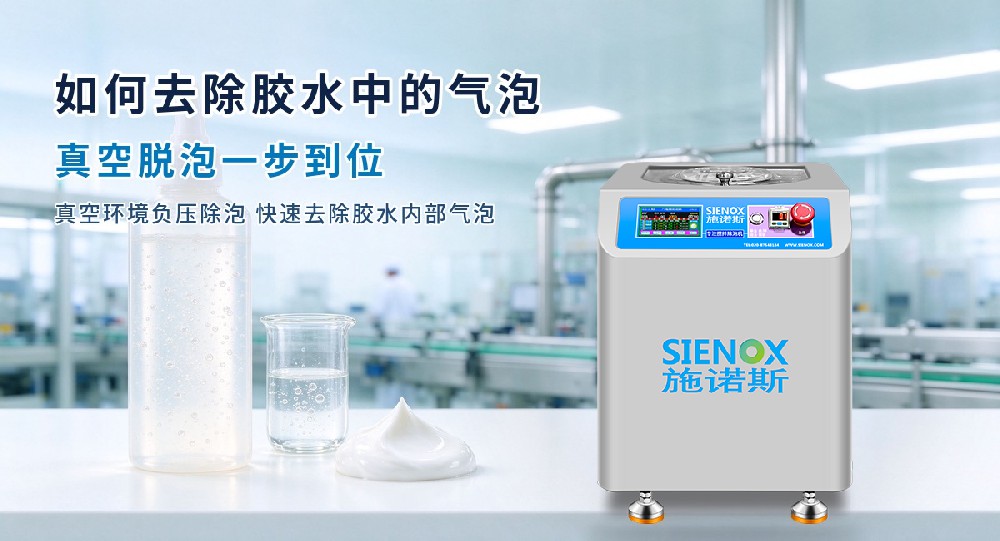
How to remove bubbles from glue

The application of vacuum stirring defoaming machine in the defoaming process of silver paste materials.
Perhaps you still need....
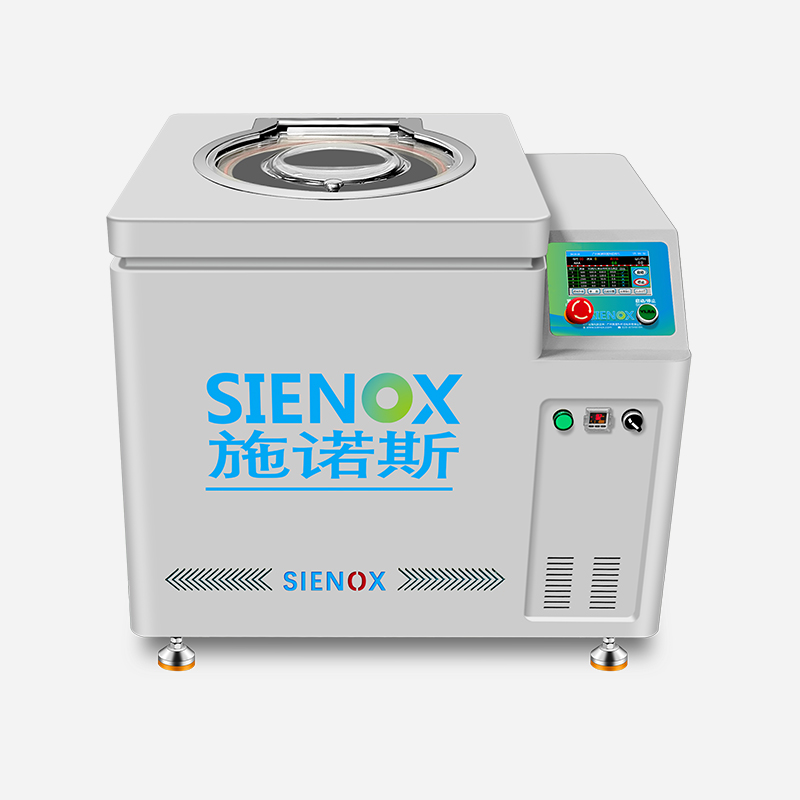
行星式真空脱泡搅拌机 SIE-MIX1000plus
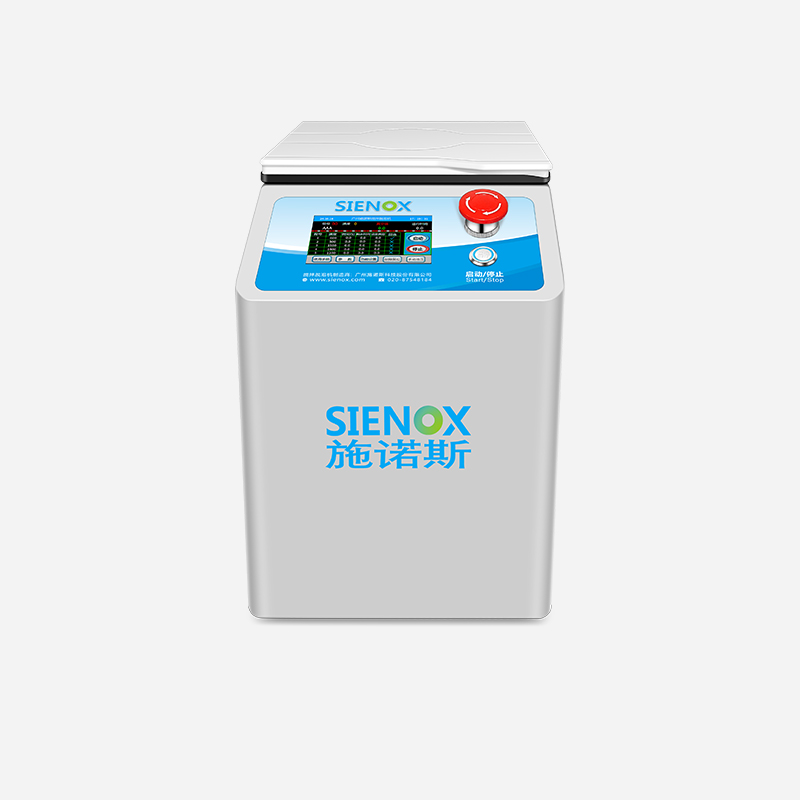
实验室行星式搅拌脱泡机 SIE-SV200
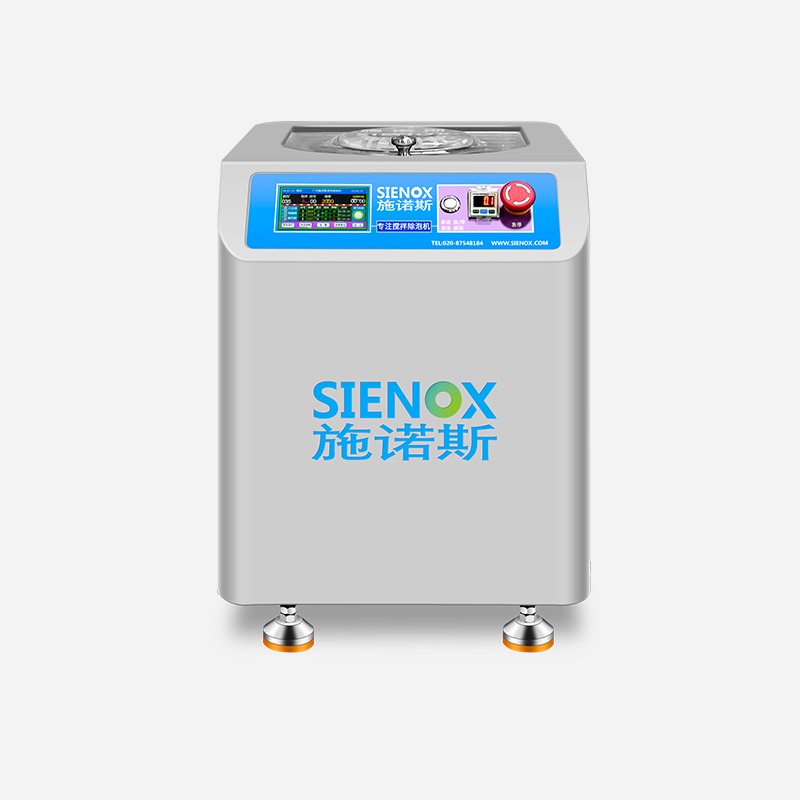
SIENOX行星式脱泡搅拌机 SIE-CV300
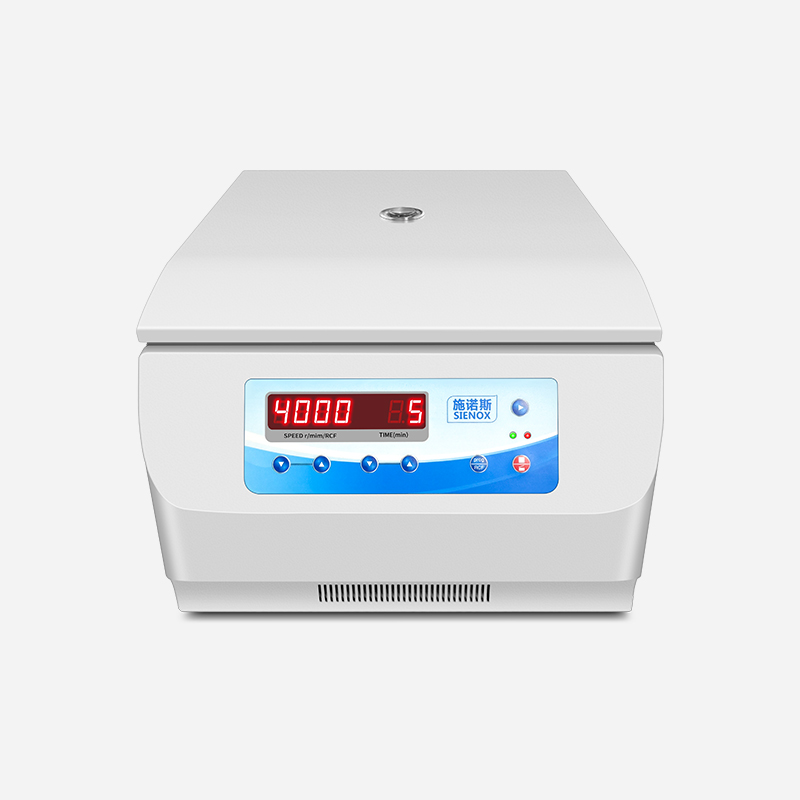
离心脱泡机 SIE-C006
About SIENOX
广州施诺斯(SIENOX),20年脱泡机设备研发与生产的源头厂家
超过1800种材料脱泡案例
纳米级脱泡,满足不同材料多段搅拌除泡需要,支持定制
资质齐全,荣获多项国家专利,联系我们可免费试样