


News

TEL:18925129293


Epoxy resin vacuum degassing mixer applications accelerate, with output expansion of electronic-grade epoxy resin.
date:2026-09-17author:小施The capacity expansion of electronic-grade epoxy resin is opening up new application prospects for epoxy resin vacuum degassing mixers. Recently, Zhuhai Hongchang Electronic Materials Co., Ltd. has completed trial production and obtained a safety production license for its 80,000 tons/year electronic functional epoxy resin project with a total investment of about 420 million yuan. The project has been officially put into operation, complementing the high-end electronic material segment of the PCB industrial chain in Zhuhai Economic & Technological Development Zone. Electronic-grade epoxy resin is a key material for copper clad laminates, semiconductor packaging and other segments. Driven by rising demand for AI servers and high-speed computing hardware, the volume and price of high-end electronic resin remain robust.
Epoxy resin usually needs to be mixed with curing agents, fillers and other components before use. The resin system features high viscosity and tends to trap air. If the bubbles generated during mixing cannot be effectively removed, they will remain inside products and form defects. In downstream processes such as copper clad laminate lamination, potting and coating, these bubbles will lead to delamination, voids or uneven local performance, impairing the reliability of final electronic products. Therefore, the stirring and degassing treatment of resin is an indispensable step for electronic materials from raw materials to finished products.
When processing high-viscosity epoxy resin, the stirring structure needs to deliver sufficient shearing and circulation, while degassing requires a stable vacuum environment. The epoxy resin vacuum degassing mixer from Sinos adopts a planetary revolution and rotation structure. Materials inside the container are subjected to centrifugal force from revolution and shear force from rotation simultaneously. Combined with vacuum negative pressure to eliminate air bubbles, it can meet the mixing and degassing requirements of high-viscosity epoxy resin, applicable to formula development, small-batch sampling, pilot production and other stages. This physical degassing method without chemical defoamers presents greater advantages in electronic material scenarios requiring precise component ratios.
In terms of industry trends, new capacities of electronic-grade epoxy resin are being released one after another. New electronic resin production lines of enterprises such as Shengquan Group were completed and commissioned in September. The expansion of upstream resin output brings synchronized growth in demand for supporting stirring and degassing equipment downstream. Meanwhile, requirements for batch consistency of electronic materials are driving the upgrading of degassing equipment toward controllable parameters and good repeatability. For resin manufacturers and downstream product factories, a stable degassing process is the foundation to guarantee batch quality.
The domestic substitution of the electronic material industrial chain is reflected in both resin production capacity and supporting process equipment. With the expanding application of electronic-grade epoxy resin, vacuum degassing stirring equipment capable of stably processing high-viscosity resin will become an increasingly common configuration in the production line upgrading of material manufacturers.
Related recommendations
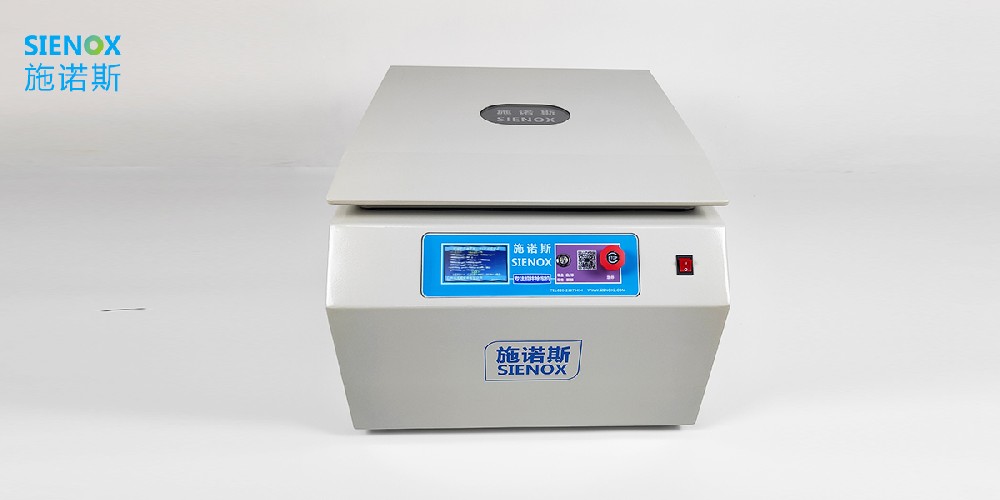
Centrifugal defoaming machine: An efficient tool for both laboratory and factory.
The extensive application fields of planetary defoaming machines.
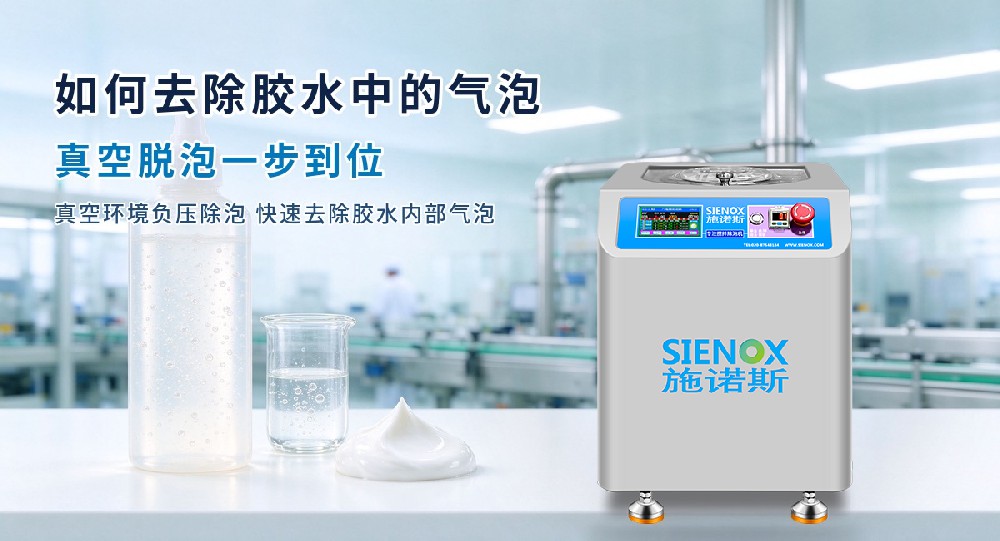
How to remove bubbles from glue
The application of vacuum stirring defoaming machine in the defoaming process of silver paste materials.
Perhaps you still need....
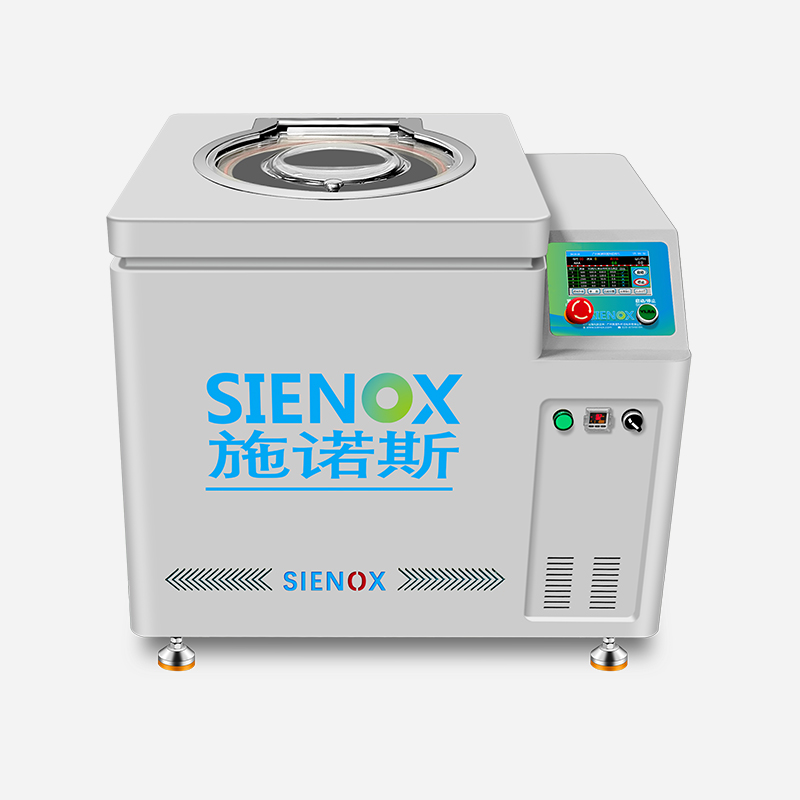
行星式真空脱泡搅拌机 SIE-MIX1000plus
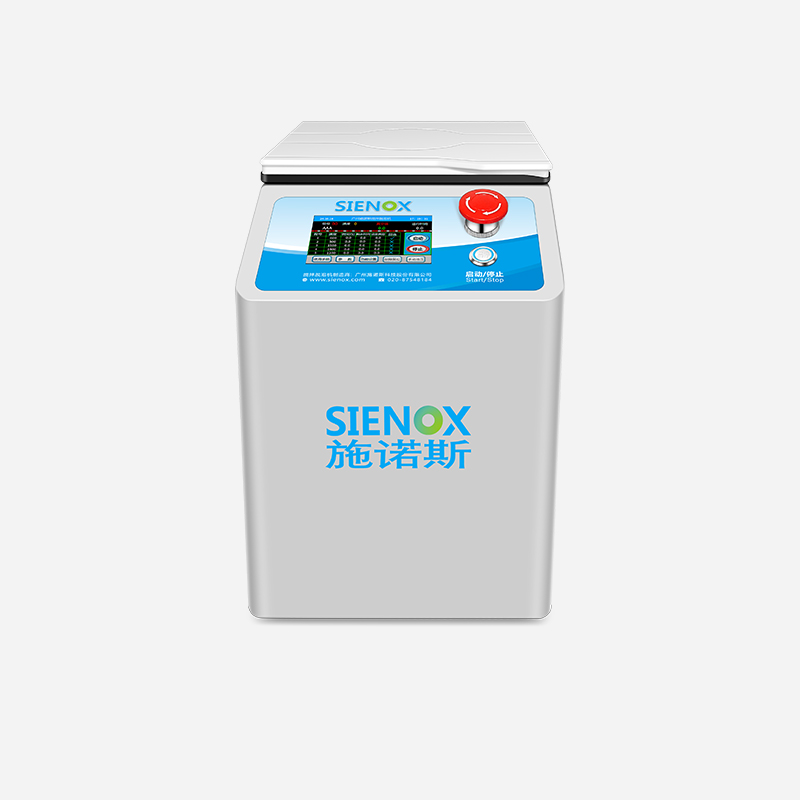
实验室行星式搅拌脱泡机 SIE-SV200
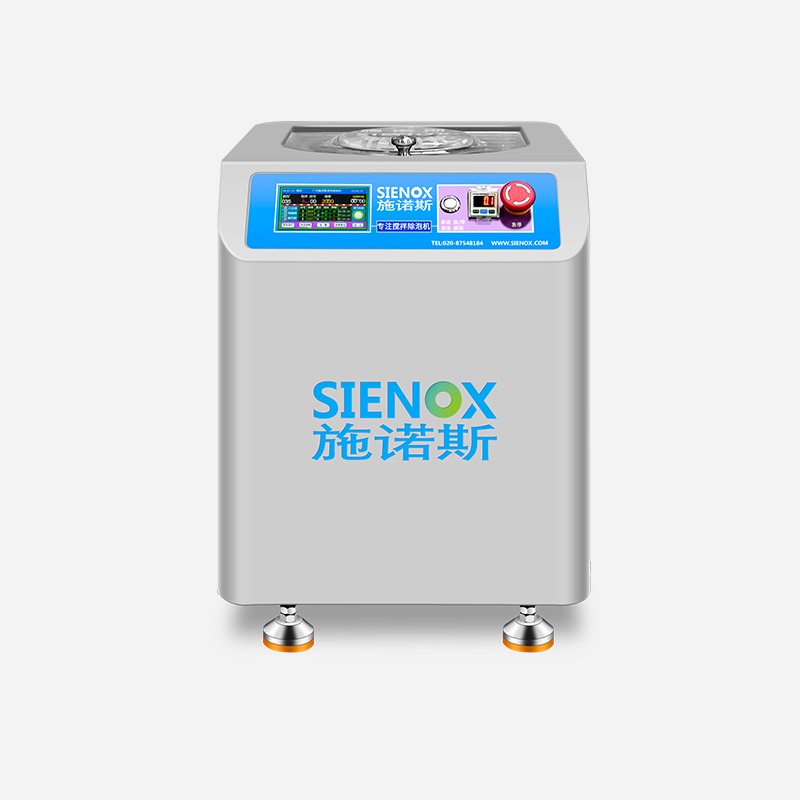
SIENOX行星式脱泡搅拌机 SIE-CV300
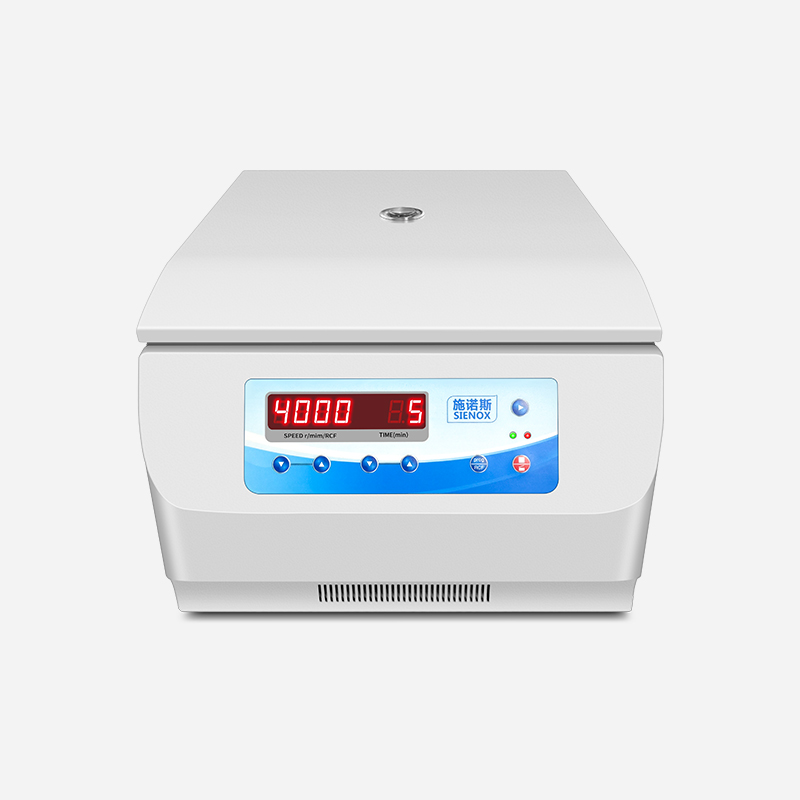
离心脱泡机 SIE-C006
About SIENOX
广州施诺斯(SIENOX),20年脱泡机设备研发与生产的源头厂家
超过1800种材料脱泡案例
纳米级脱泡,满足不同材料多段搅拌除泡需要,支持定制
资质齐全,荣获多项国家专利,联系我们可免费试样