


News

TEL:18925129293


Demand for electronic slurry degassing machines rises, and mass production of high-end MLCC drives upgrades in slurry processing technology.
date:2026-09-17author:小施The concentrated release of high-end MLCC production capacity has raised the degassing requirements for electronic slurry processing to a new level. Fenghua Advanced Technology’s Xianghe Industrial Park high-end capacitor base, with a total investment of approximately 3.977 billion yuan, has been fully completed and achieved full production in the first half of 2026 with a high capacity utilization rate, greatly expanding the company’s high-end MLCC output. Meanwhile, global leaders including Samsung Electro-Mechanics, Murata and Taiyo Yuden have successively raised prices for high-end MLCCs. High-end demand driven by AI computing power and automotive electronics is reshaping the entire passive component supply chain.
MLCC manufacturing relies heavily on ceramic powder slurry and electrode slurry. The uniformity and gas content of slurry directly affect the consistency of dielectric layer thickness, sintering density and product yield. Residual bubbles in the slurry will cause defects during tape casting, printing or lamination processes, eventually leading to capacitor performance fluctuation or even failure. As MLCC evolves toward high capacitance and miniaturization, requirements for slurry processing precision keep rising, and the importance of the degassing step increases accordingly.
Ceramic slurry generally features high viscosity and high solid content. Conventional stirring cannot achieve both uniform dispersion and bubble removal. The electronic slurry degassing machine from Sinos combines planetary revolution and rotation with vacuum conditions. Materials achieve uniform mixing through compound motion, and vacuum negative pressure facilitates bubble discharge. It is suitable for dispersion and degassing of high-solid-content materials such as ceramic slurry and electrode slurry, helping production lines stably control slurry batch consistency.
In terms of industrial progress, the capacity expansion and full production of domestic high-end MLCC are being realized. The high-capacitance MLCC expansion project of Three-Circle Group is also moving forward steadily. The rising proportion of high-end capacity means higher quality standards for slurry processing equipment. At the same time, the iteration of electronic slurry formulas is accelerating, placing stricter demands on equipment to adapt to different viscosities and solid contents. Degassing equipment capable of flexibly handling multiple slurry systems will find broader application scenarios on production lines.
The domestic substitution of passive components is shifting from capacity expansion to refined process control. As a front-end process affecting product yield, slurry degassing has drawn growing attention from manufacturers in equipment selection. With further release of high-end MLCC capacity, demand for electronic slurry degassing equipment is expected to maintain steady growth. Equipment suppliers with reliable degassing performance are poised to seize more opportunities amid the wave of domestic substitution.
Related recommendations
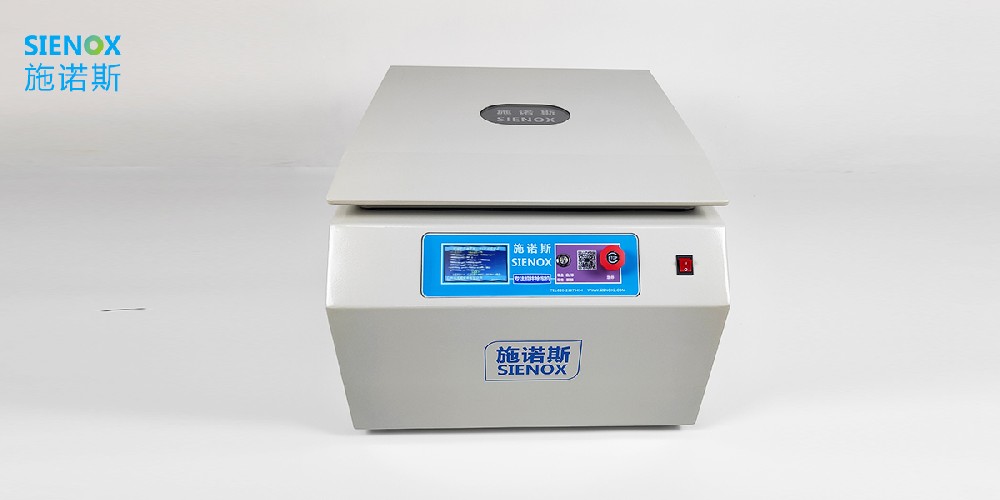
Centrifugal defoaming machine: An efficient tool for both laboratory and factory.
The extensive application fields of planetary defoaming machines.
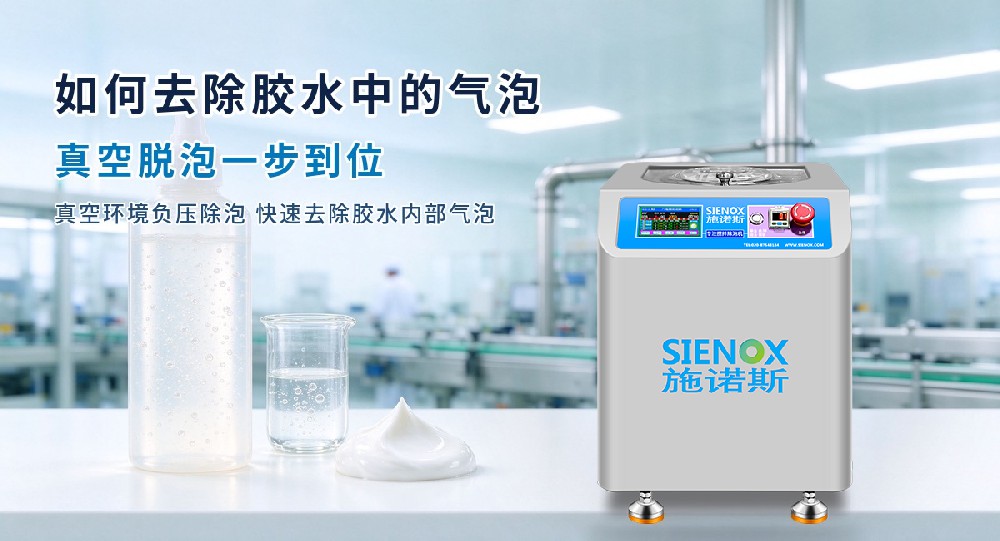
How to remove bubbles from glue
The application of vacuum stirring defoaming machine in the defoaming process of silver paste materials.
Perhaps you still need....
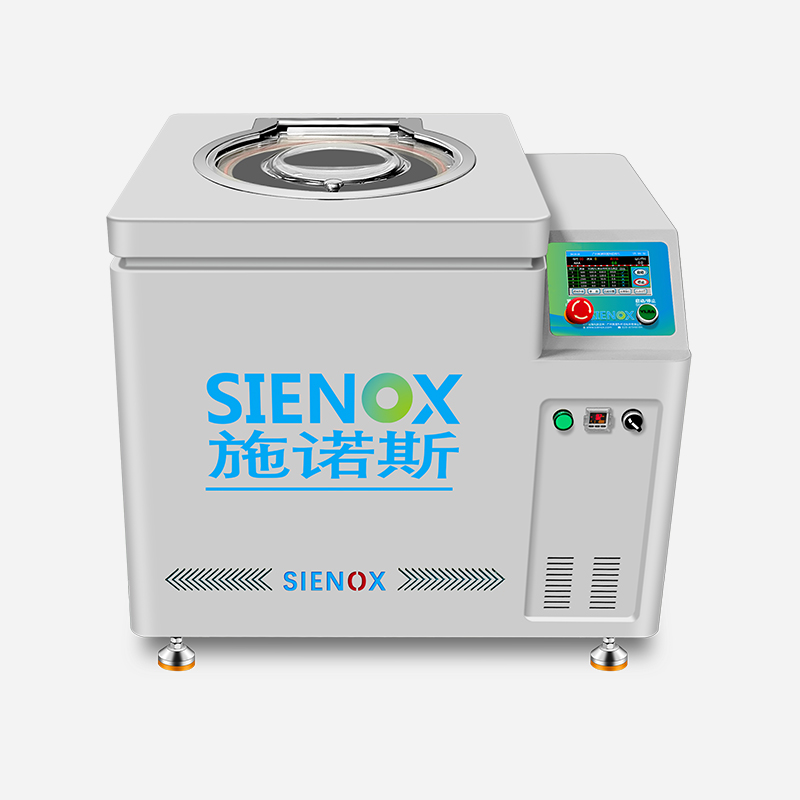
行星式真空脱泡搅拌机 SIE-MIX1000plus
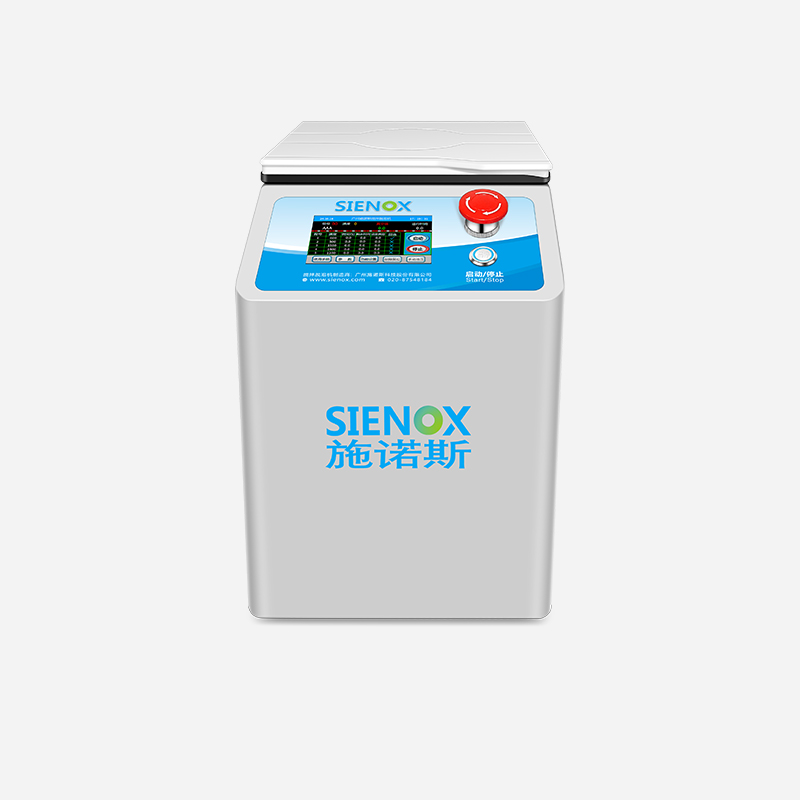
实验室行星式搅拌脱泡机 SIE-SV200
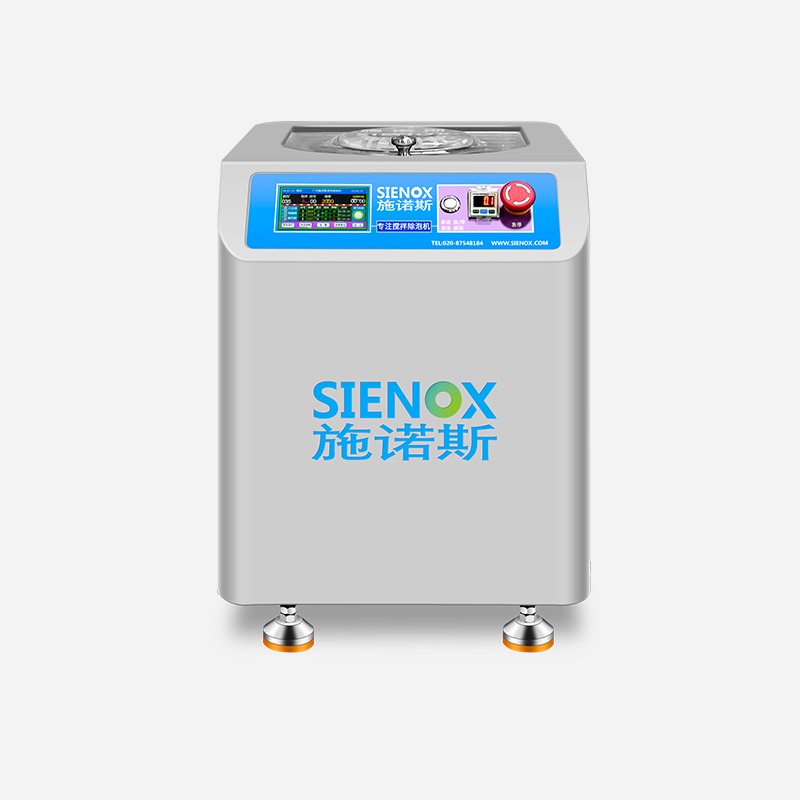
SIENOX行星式脱泡搅拌机 SIE-CV300
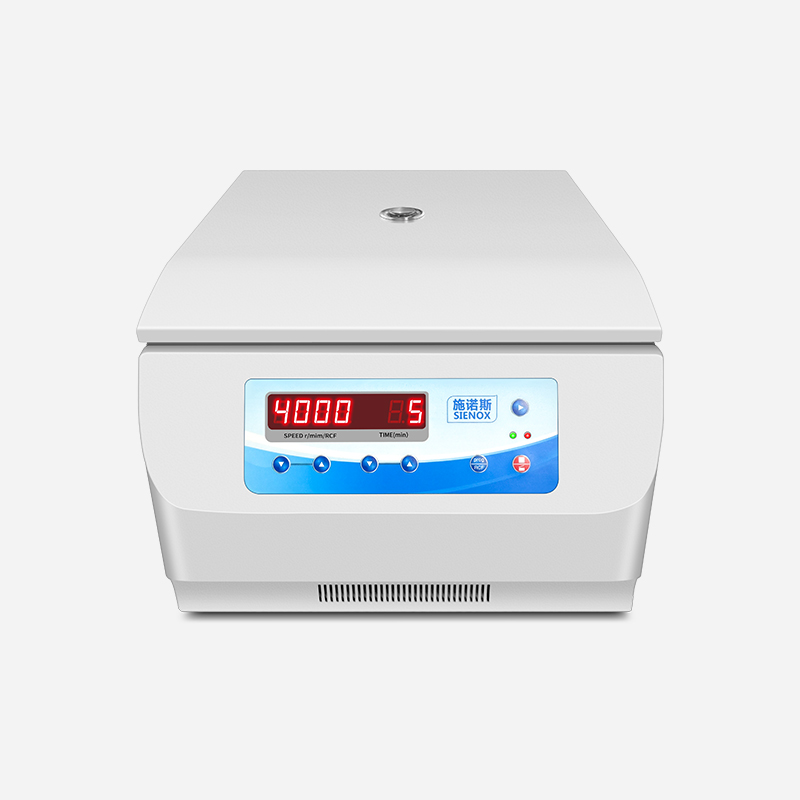
离心脱泡机 SIE-C006
About SIENOX
广州施诺斯(SIENOX),20年脱泡机设备研发与生产的源头厂家
超过1800种材料脱泡案例
纳米级脱泡,满足不同材料多段搅拌除泡需要,支持定制
资质齐全,荣获多项国家专利,联系我们可免费试样