

Fixed Ratio Mixer

TEL:18925129293


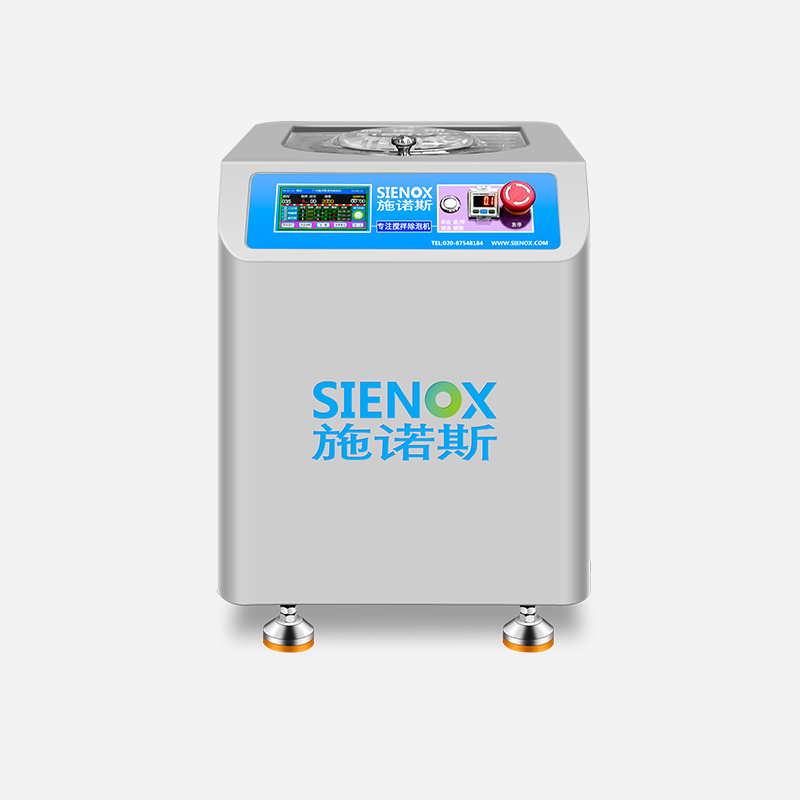
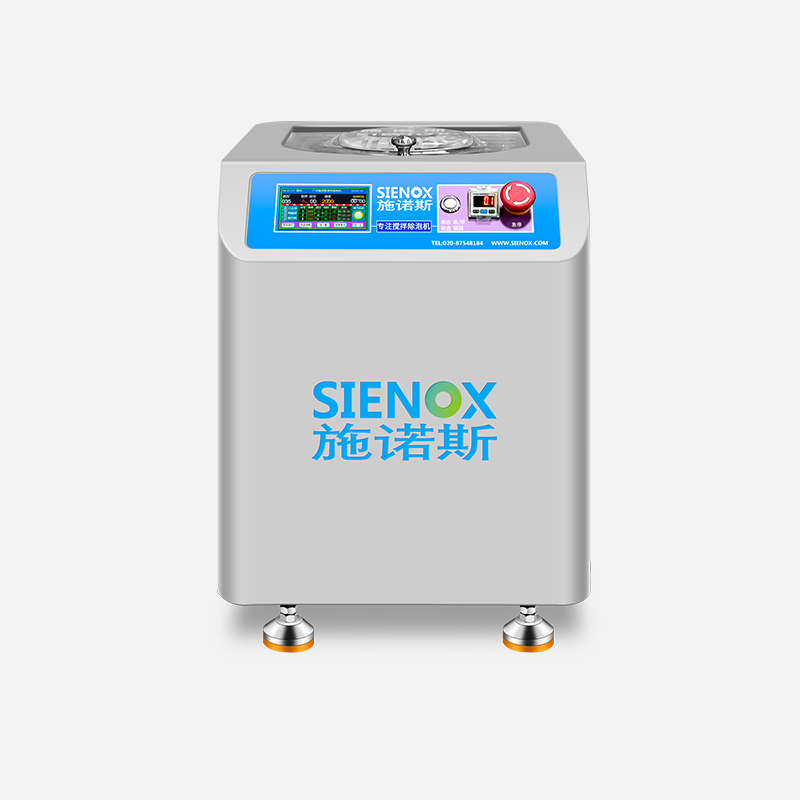
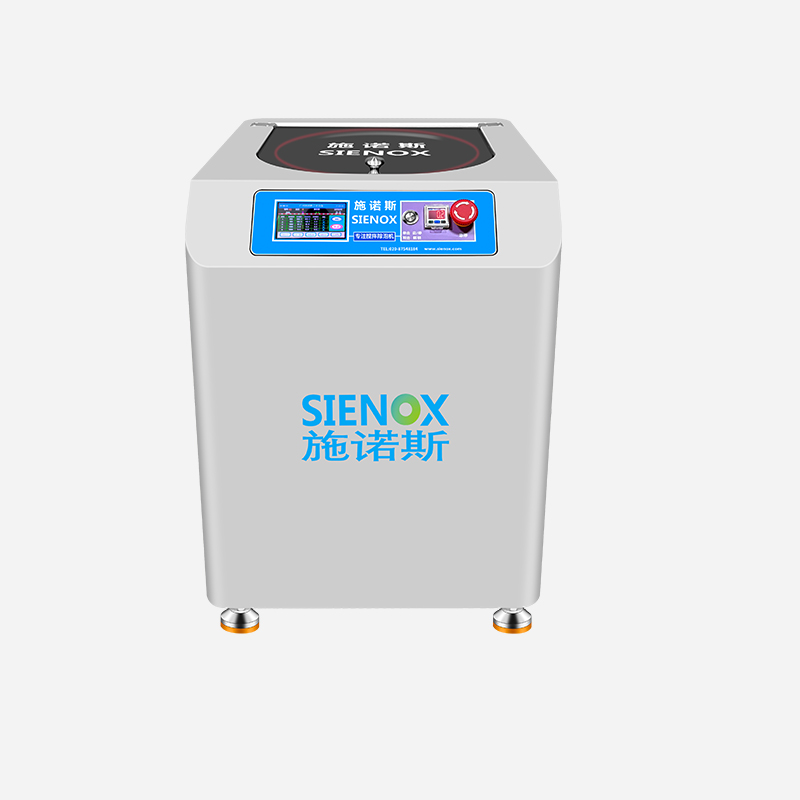
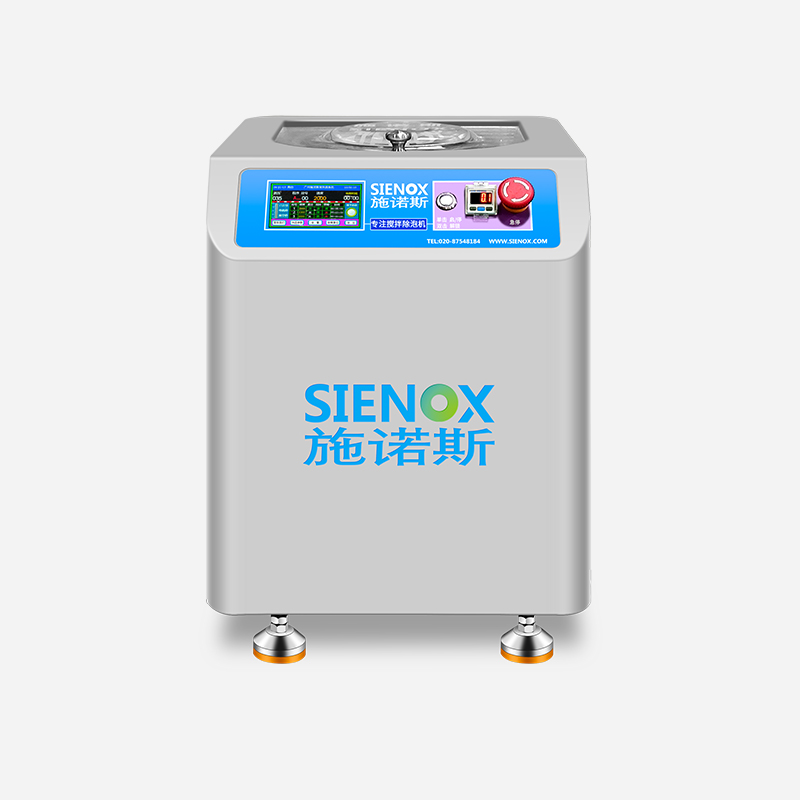
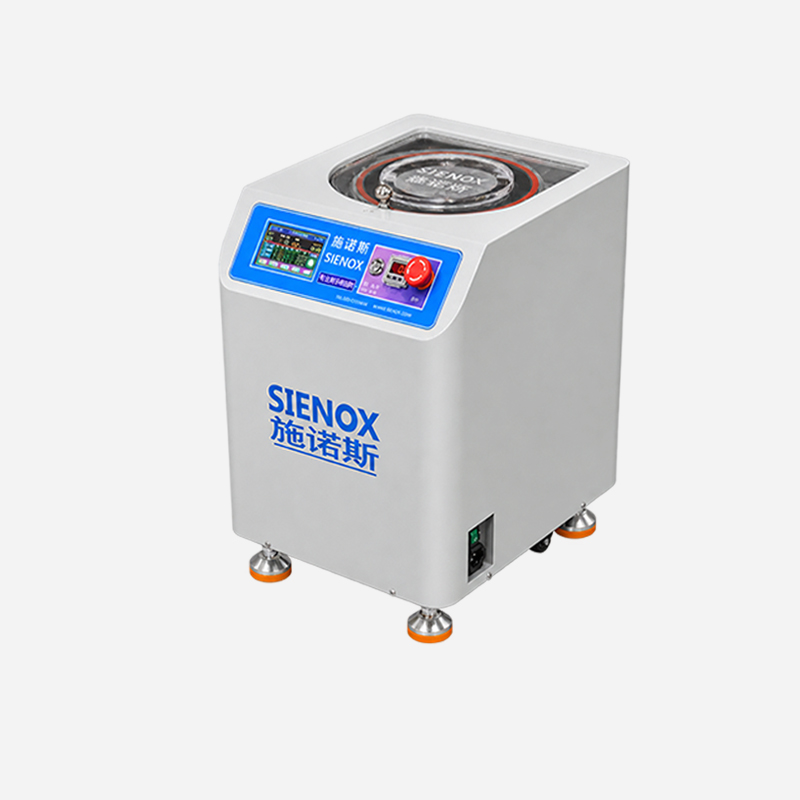
SIENOX Vacuum Stirring Defoaming Machine SIE‑MIX60
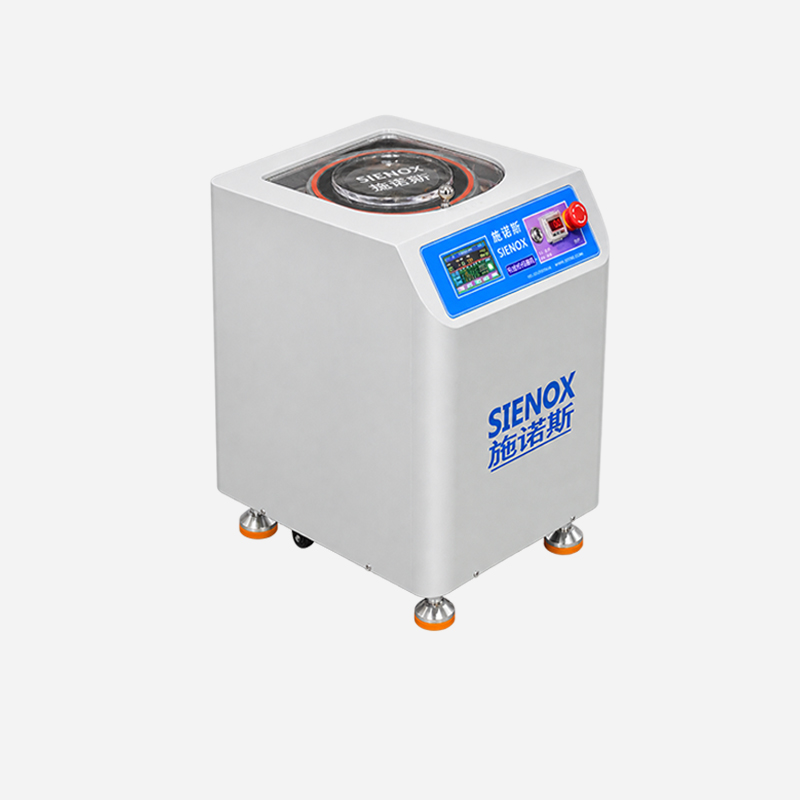

Standard Vacuum Defoaming Module · Planetary Agitation Combined with Vacuum Negative Pressure for Deep Removal of Nano‑scale Bubbles
300mL Laboratory Capacity + Standard Vacuum Configuration + 3000rpm Stepless Speed Adjustment
SIENOX SIE‑MIX60 is a 300mL planetary stirring defoaming machine with standard ‑98kPa vacuum module, designed for laboratory R&D scenarios requiring vacuum‑assisted defoaming. Built upon the MIX60 planetary stirring and defoaming capability with integrated vacuum system, agitation and vacuum defoaming run synchronously. Nano‑scale microbubbles hard to eliminate by centrifugal force can be removed in one‑time processing.
✓ CE Certification ✓ ISO9001 Quality Management System ✓ RoHS Compliance ✓ Support Custom Voltage (110V/220V)
Why Must Microbubbles in Materials Be Eliminated?
Residual micro‑bubbles in materials directly affect finished‑product yield and performance
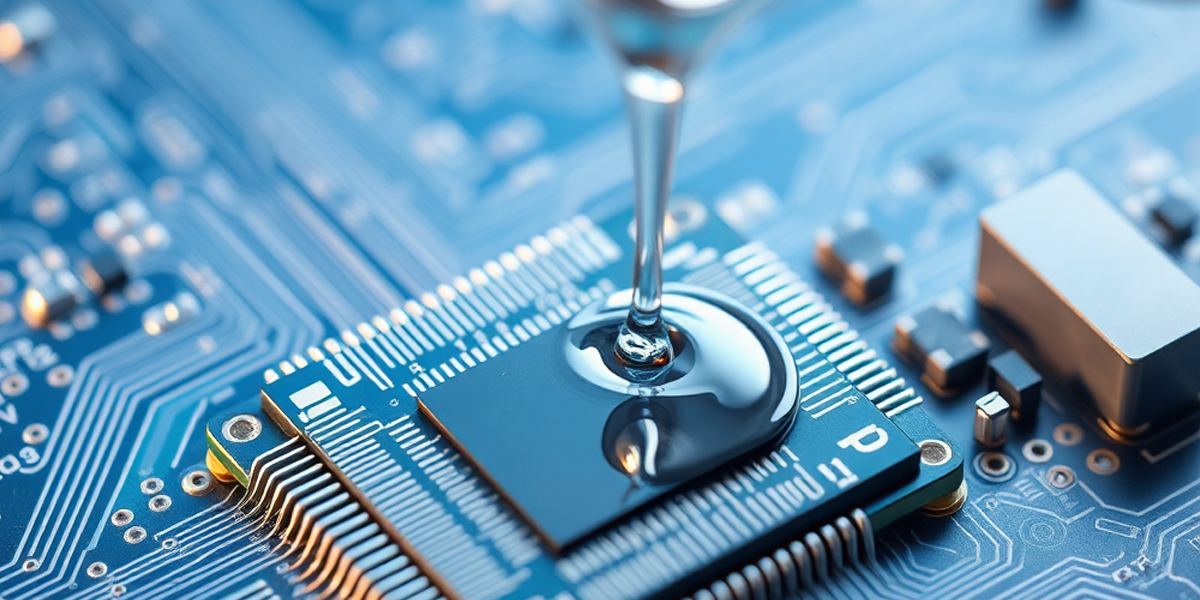
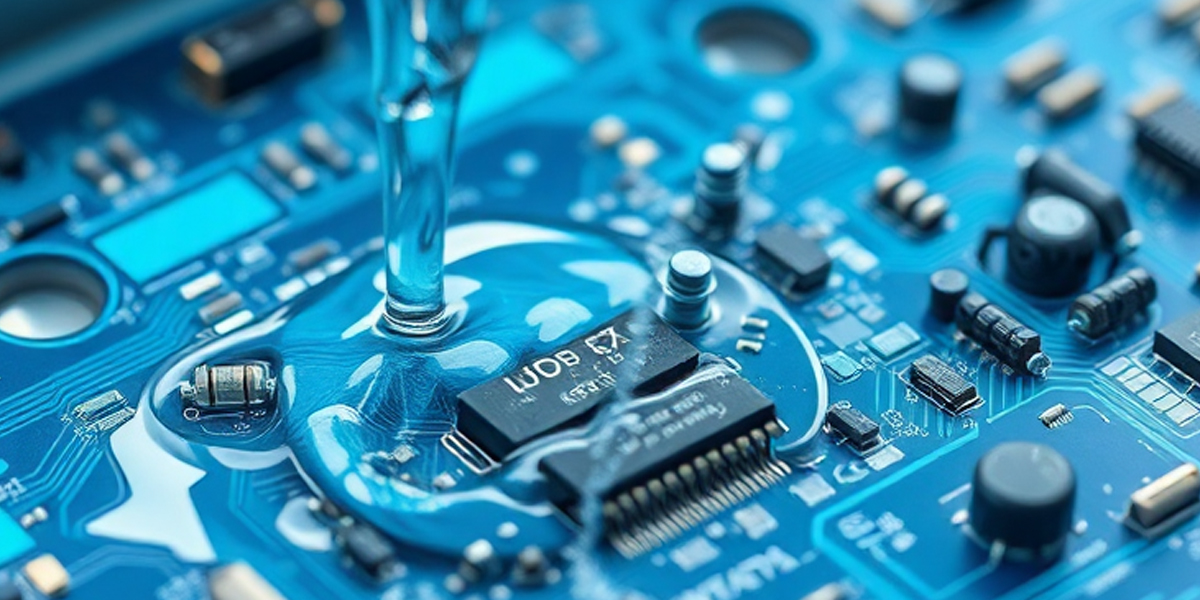
Adhesive R&D and ProductionMicro‑bubbles in epoxy structural adhesives reduce bonding strength and impair accuracy of mechanical performance test data. Bubbles in sealants trigger sealing failure after curing and leakage during pressure resistance tests. In adhesive R&D, bubble‑induced test deviations may cause misjudgment in formula screening and extend R&D cycles. | Precision Electronic AssemblyMicro‑bubbles in chip underfill adhesives form voids after reflow soldering and degrade device reliability. Bubbles in conductive adhesives break conductive paths and cause electronic component failure. Bubbles in dispensing adhesives result in inconsistent glue volume, undermining assembly precision and product uniformity. | Biosensor ManufacturingBubbles in biosensor encapsulation glue destabilize sensor signal transmission and trigger fluctuating test data. Bubbles in reagent immobilization materials cause uneven distribution of bioactive substances and weaken sensor response consistency. Bubbles in microfluidic chip bonding glue lead to channel blockage or leakage and impair detection accuracy. |
✨ Dilemma of Traditional Methods: Conventional planetary stirring‑defoaming machines remove bubbles by centrifugal force, yet deliver limited performance on nano‑scale microbubbles and deep‑seated bubbles within high‑viscosity materials. The vacuum stirring‑defoaming solution applies ‑98kPa negative vacuum pressure alongside planetary agitation, lowering pressure difference inside and outside bubbles to expand and release microbubbles, achieving deep defoaming results unavailable with ordinary stirring.
Why Choose SIE‑MIX60?
Three Core Advantages Tailored for Laboratory Vacuum Defoaming R&D Scenarios
In‑depth Vacuum DefoamingMIX60ZK comes with a standard ‑98kPa vacuum system for immediate vacuum defoaming without extra options. On top of removing large bubbles via centrifugal force from planetary stirring, vacuum negative pressure further eliminates nano‑scale microbubbles and deep‑seated bubbles that centrifugal force hardly removes. Combined with 3000rpm high‑speed rotation, stirring and defoaming run simultaneously to realize in‑depth defoaming in one cycle, ideal for material R&D with strict bubble‑rate requirements. | Precision Small‑batch Sample ProcessingThe 300mL capacity fits regular laboratory R&D consumption to meet sample preparation needs while avoiding material waste. Dual‑cup design enables simultaneous processing of two groups of samples for comparison tests and process verification. 100‑recipe storage saves parameters such as vacuum level, rotation speed and time with one click. Different vacuum defoaming processes for various materials can be quickly recalled to ensure repeatable experimental data. | Reproducible Process ParametersTouch‑screen operation allows precise adjustment of vacuum level, rotation speed, time and other parameters for consistent processing conditions. Optional MES network uploads processing data automatically to satisfy R&D traceability requirements. Full‑process visibility and reproducibility from vacuum‑defoaming parameter setup to data logging suit R&D projects demanding strict process management. |
✨ Integrating in-depth vacuum defoaming, precision sample processing and reproducible process parameters, MIX60 serves as an ideal device for vacuum-assisted defoaming in laboratory R&D.
Working Principle
Synchronized dual power of revolution and rotation, combined with vacuum negative pressure, achieves in-depth defoaming.
Step 1: Centrifugal Force Generated by Revolution The revolving disc rotates at high speed to generate strong centrifugal force for materials inside the container, driving full‑range material convection to realize macro‑mixing. Meanwhile, centrifugal force pushes low‑density bubbles toward the rotating axis and promotes aggregation and escape of large‑size bubbles. Step 2: Shear Force Provided by Rotation The container spins around its own axis to produce directional shear force, breaking agglomerated particles for micro‑dispersion. High speed of 3000rpm generates powerful shear force for high‑efficiency full‑range mixing, while thinning bubble walls to accelerate bubble rupture. Step 3: Enhanced Defoaming via Vacuum Negative Pressure While revolution and rotation stirring proceed, the vacuum system reduces chamber pressure to ‑98kPa. The enlarged pressure difference inside and outside bubbles under low‑pressure environment makes nano‑scale microbubbles expand and float upward rapidly for escape. Vacuum defoaming compensates insufficient centrifugal‑force removal for tiny bubbles and achieves full‑range defoaming from large bubbles down to nano‑scale bubbles. Revolution, rotation and vacuum work synchronously. Materials complete the whole workflow of "Mixing → Dispersion → In‑depth Defoaming" inside sealed containers. 3000rpm high speed combined with ‑98kPa vacuum balances mixing efficiency and defoaming depth. | 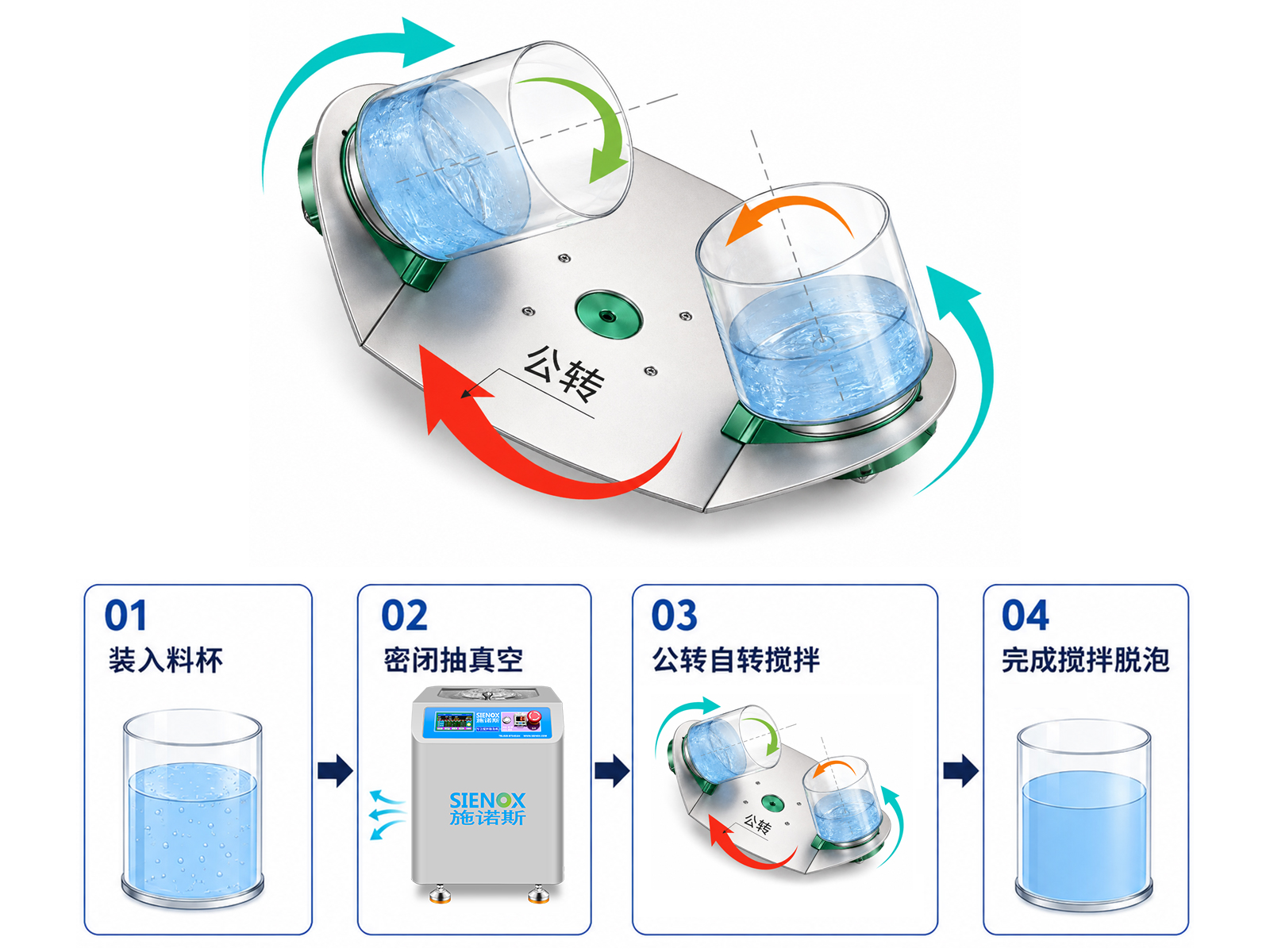 |
Quick Technical Specifications
Complete Technical Specifications Overview, Customizable on Demand
| Model | SIE‑MIX60 |
| Mixing Capacity | 0–300 mL (standard container) * Larger volume customizable |
| Container Type | Test tube / jar / cup; adapters for syringes & cartridges supported |
| Container Quantity | 1 or 2 jars (user‑selectable) |
| Max Speed | 0 – 3000 RPM (stepless adjustable) |
| Revolution / Rotation Ratio | Fixed planetary ratio |
| Vacuum Level | Standard: –98 kPa / Optional: –100 kPa |
| Control System | Touch screen, stores up to 100 recipe sets |
| Power Supply | 220V, 50/60Hz (110V US/JP standard customizable) |
| Overall Dimensions(W×D×H) | 510 × 430 × 500 mm |
| Net Weight | Approx. 95 kg |
| Certifications | CE, ISO9001, RoHS Compliance |
Our Partners
Trusted by leading industrial manufacturing clusters and advanced university laboratories worldwide
FAQ - Frequently Asked Questions
Answers to common questions about product performance and everyday process selection
-
What is the working principle of a centrifugal defoaming machine?
Principle of centrifugal defoaming machine: The bubbles are released by the downward principle of gravity.
-
How is the after-sales service?
The company has professional after-sales service personnel, 24-hour dedicated service, and one-on-one technical support to solve your worries.
-
Why choose SIENOX?
There are many reasons for choosing SIENOX, and the following are some of the main reasons:
1. Professionalism: Our team consists of a group of professional individuals with rich experience and knowledge in their respective fields. We not only understand industry trends and best practices, but also provide practical and feasible solutions.
2. Service quality: We focus on customer needs and satisfaction, and are always committed to providing high-quality services. We not only respond quickly to customer needs, but also provide customized services according to their requirements.
3. Reliability: We adhere to the principles of integrity and professionalism, always adhering to commitments and agreements. Our work methods and deliverables comply with industry standards and best practices, enabling our clients to trust us.
4. Innovation: We continuously explore new methods and tools to provide better services and meet customer needs. We encourage innovation and experimentation, and are willing to accept challenges and change.
5. Cost effectiveness: We provide cost-effective services that not only help customers save costs, but also improve efficiency and productivity. We always prioritize the interests of our customers and provide them with the best solutions.
6. Teamwork: We believe in the power and value of teamwork, and our team members support, collaborate, and respect each other. We establish close cooperative relationships with customers, partners, and other stakeholders to achieve common goals.
The above are just some of the reasons for choosing us. We believe there are many other advantages and values that can be provided to customers. If you are looking for a professional, reliable, and high-quality service provider, we look forward to working with you.
-
How does the stirring and defoaming machine work?
The SIENOX stirring and defoaming machine performs defoaming through centrifugal force at revolution and stirring through shear force formed by revolution and rotation,
Assisted by a vacuum pump to extract gas and achieve a vacuum state, removing nanoscale tiny bubbles. No contact with materials, no secondary pollution, and no secondary waste.
-
What is the function of a defoaming machine?
A defoaming machine is a device used to remove bubbles from liquids. Its function is to assist in the liquid mixing, reaction, coating, printing, infusion and other process steps in the production process, avoiding the generation of bubbles and their impact on the final product. In many industrial and laboratory environments, removing bubbles is essential as they may have a negative impact on product quality, such as affecting surface tension and stability. Defoaming machines typically use various techniques such as vibration, ultrasound, centrifugation, etc. to achieve effective bubble removal. It has a wide range of applications, including but not limited to semiconductors, solar energy, optics, biotechnology, materials science, etc.
Technical Specification List
Full‑line standardized specifications for accurate process evaluation and equipment selection
| Model | SIE‑MIX60 | SIE‑MIXF301 | SIE‑MIX90 |
| Mixing Capacity | 0–300 mL (standard container) * Customizable | 0–300 mL (standard container) * Customizable | 0–1000 mL (standard container) * Customizable |
| Container Type | Test tube / jar / cup; adapters for syringes & cartridges supported | Test tube / jar / cup; adapters for syringes & cartridges supported | Test tube / jar / cup; adapters for syringes & cartridges supported |
| Container Quantity | 1 or 2 jars (user‑selectable) | 1 or 2 jars (user‑selectable) | 1 or 2 jars (user‑selectable) |
| Max Speed | 0 – 3000 RPM (stepless adjustable) | 0 – 2000 RPM (stepless adjustable) | 0 – 2000 RPM (stepless adjustable) |
| Revolution / Rotation Ratio | Fixed planetary ratio | Freely adjustable | Fixed planetary ratio |
| Vacuum Level | Standard: –98 kPa / Optional: –100 kPa | Standard: –98 kPa / Optional: –100 kPa | Standard: –98 kPa / Optional: –100 kPa |
| Control System | Touch screen, stores up to 100 recipe sets | Touch screen, stores up to 100 recipe sets | Touch screen, stores up to 100 recipe sets |
| Power Supply | 220V, 50/60Hz (110V US/JP standard customizable) | 220V, 50/60Hz (110V US/JP standard customizable) | 220V, 50/60Hz (110V US/JP standard customizable) |
| Overall Dimensions(W×D×H) | 510 × 430 × 500 mm | 510 × 430 × 500 mm | 610 × 560 × 780 mm |
| Net Weight | 95 kg | 115kg | 153 kg |
| Certifications | CE | CE | CE |
*** The above are typical models only. Sinos provides customized solutions according to customer requirements. For model selection inquiry: 189‑2512‑9293
Multi‑Industry Solutions
Covering stirring and debubbling applications of typical materials across six major industries
Adhesive R&DEpoxy structural adhesives, sealants, hot‑melt adhesives, pressure‑sensitive adhesives, modified adhesives |
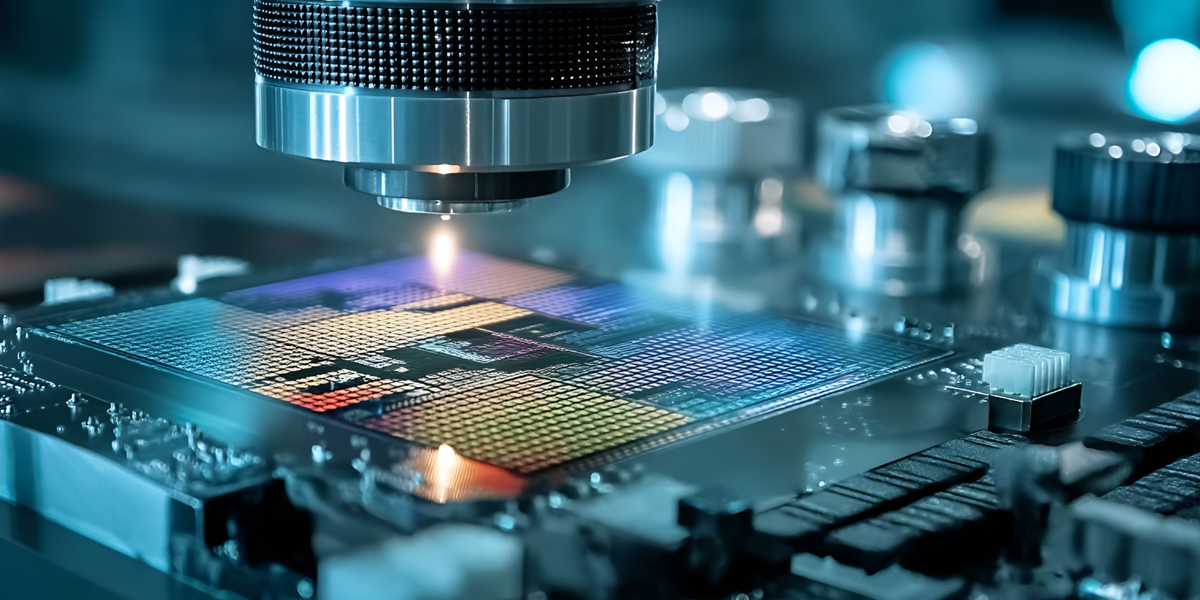
Precision Electronic AssemblyUnderfill adhesives, conductive adhesives, die attach adhesives, dispensing adhesives, chip bonding adhesives |
BiosensorsEncapsulation glue, reagent immobilization materials, microfluidic bonding glue, biocompatible glue, sensor sealing glue |
Microelectronic PackagingPackaging epoxy adhesives, molding compounds, lead bonding adhesives, substrate bonding adhesives, passivation layer materials |
Functional CoatingsHydrophobic coatings, conductive coatings, insulating coatings, anti‑corrosion coatings, wear‑resistant coatings |
Electronic PastesSilver paste, copper paste, carbon paste, resistor paste, dielectric paste |
Comprehensive Equipment Operation Demo Videos
Gain intuitive, clear, dynamic insight into synchronous defoaming with planetary centrifugal force and high negative pressure.
Measured Defoaming‑Process Performance
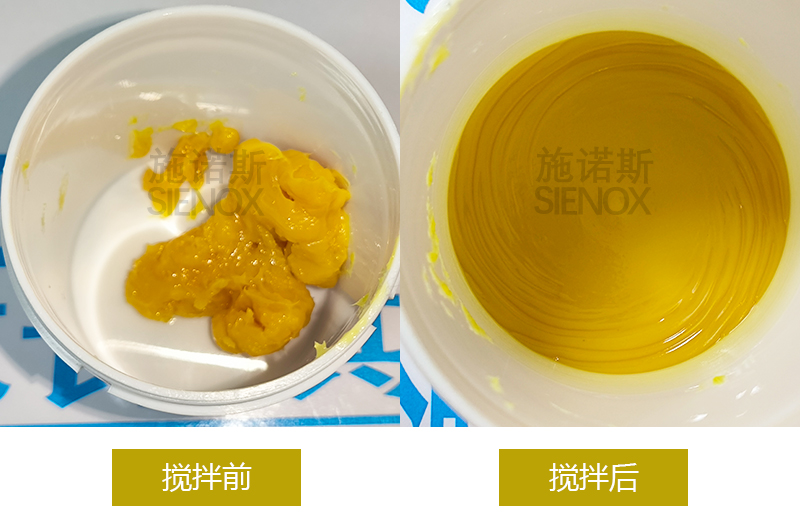
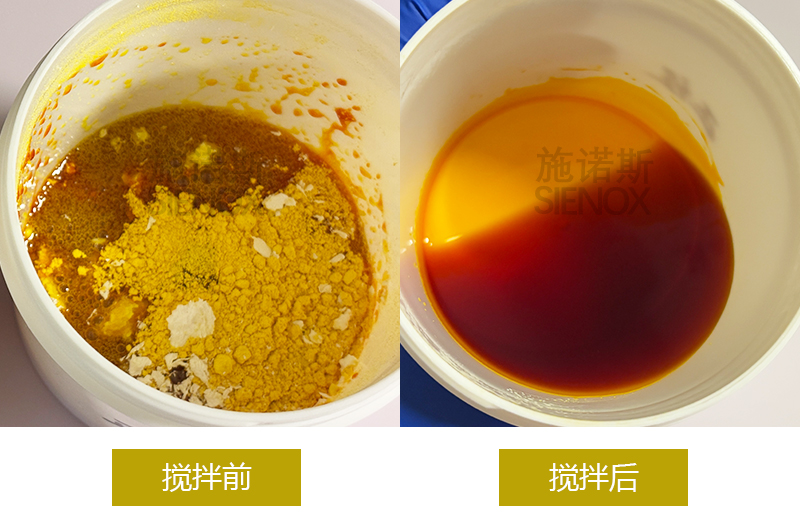
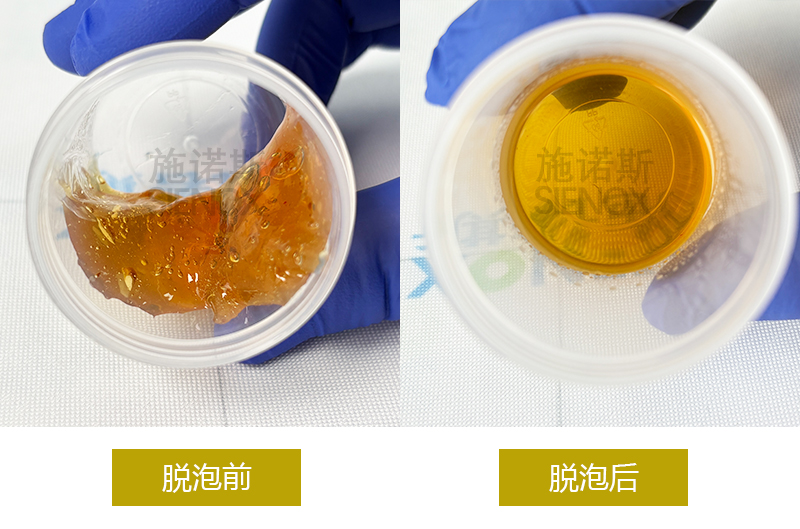
Measured Processing Results for Six Typical Materials
Paste‑like Materials |
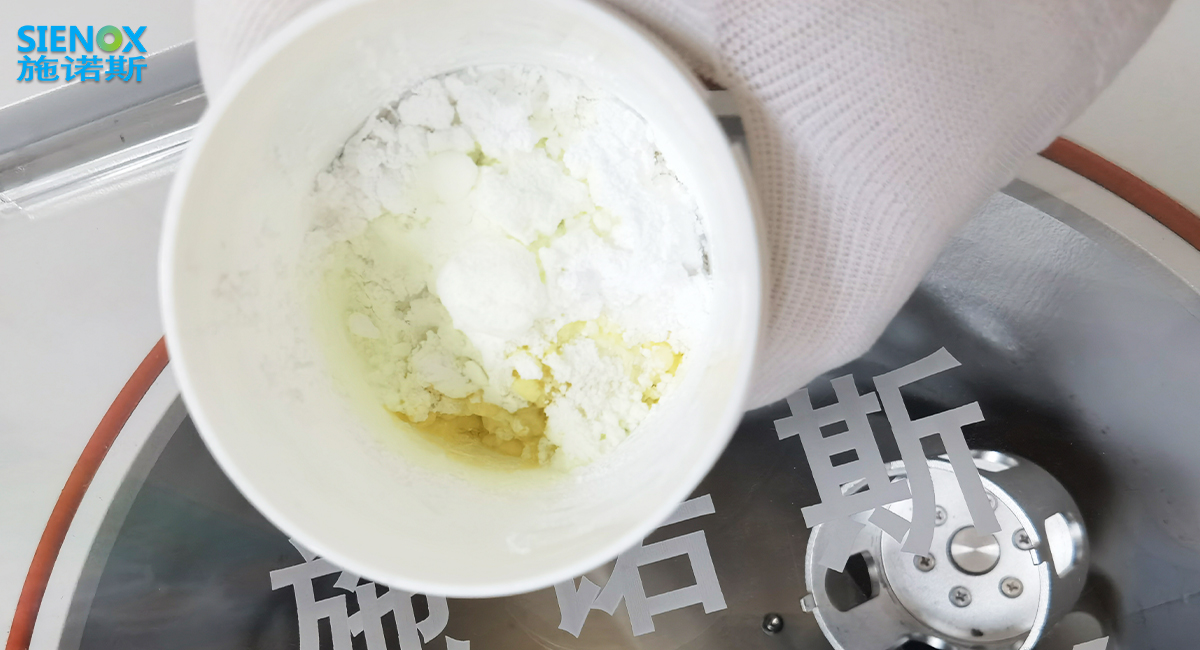
Adhesive with Powder |
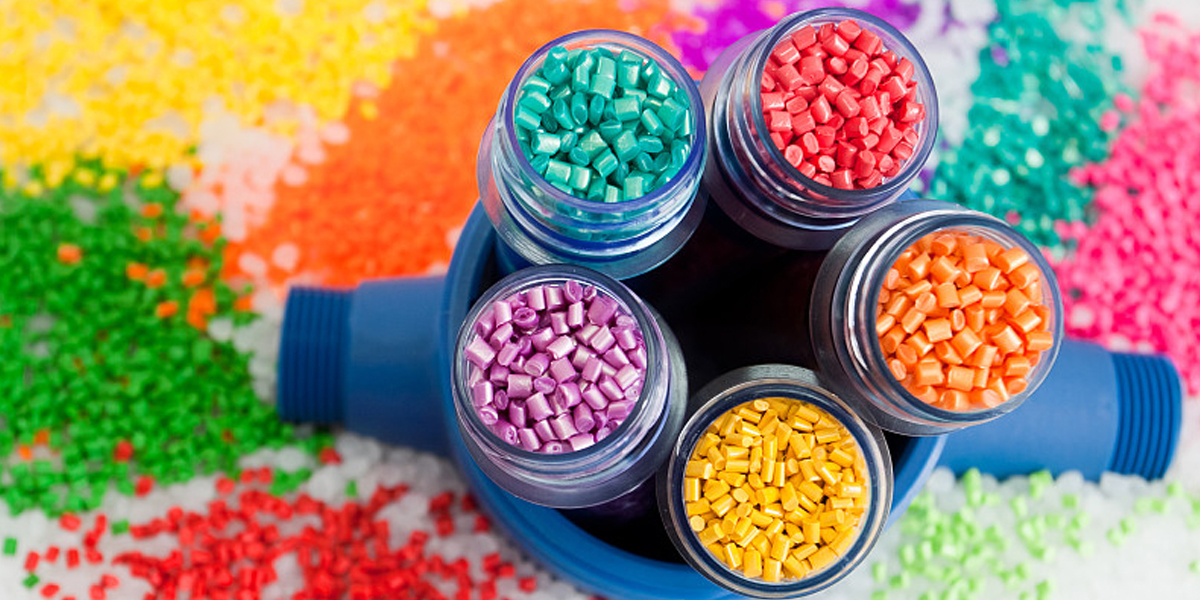
Polymer Materials |
Pharmaceutical Gels |
Silver Paste Materials |
Battery Slurries |
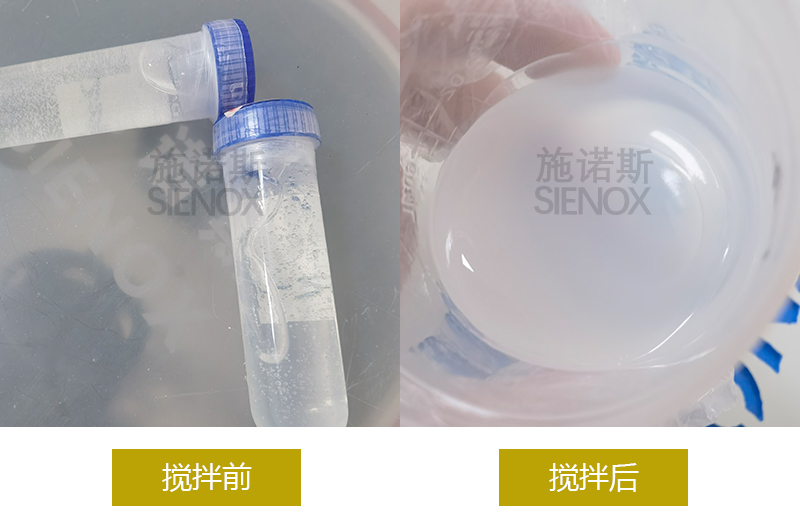
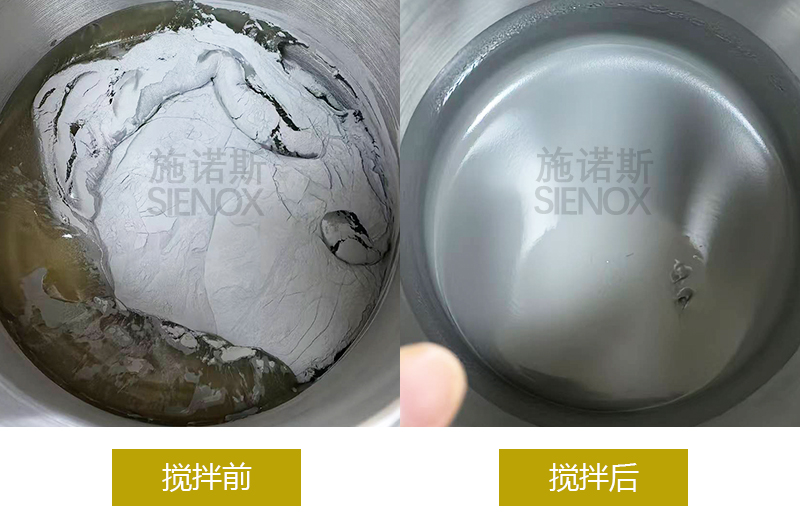
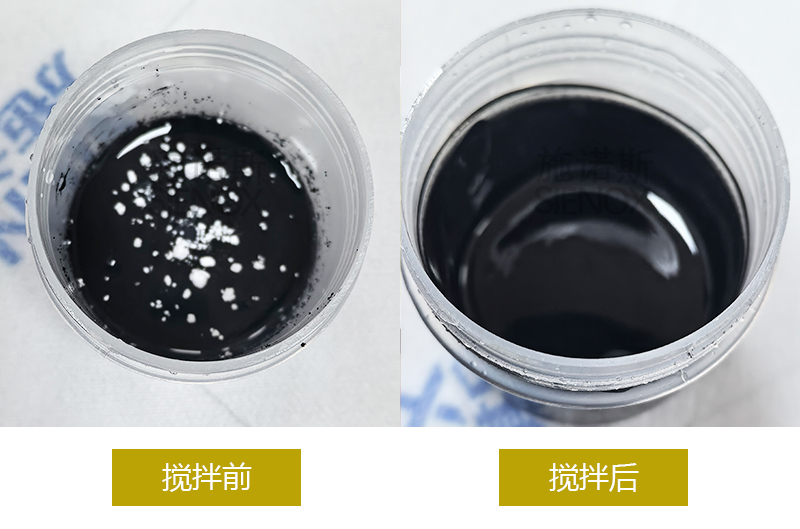
Measured Data Comparison
Defoaming Effect Comparison of Three Representative Materials
| Material Type | Status Before Treatment | After MIX60 Treatment |
| Silver Paste | Plenty of visible bubbles on paste surface, uneven silver powder distribution with obvious agglomeration and sedimentation | Smooth and dense paste surface, evenly‑dispersed silver powder without agglomeration, good fluidity and stable conductivity |
| Battery Cathode Slurry | Massive internal bubbles, poor fluidity, stripes and pinholes appear during coating | Uniform and smooth slurry without residual bubbles, flat coating surface with consistent coating thickness |
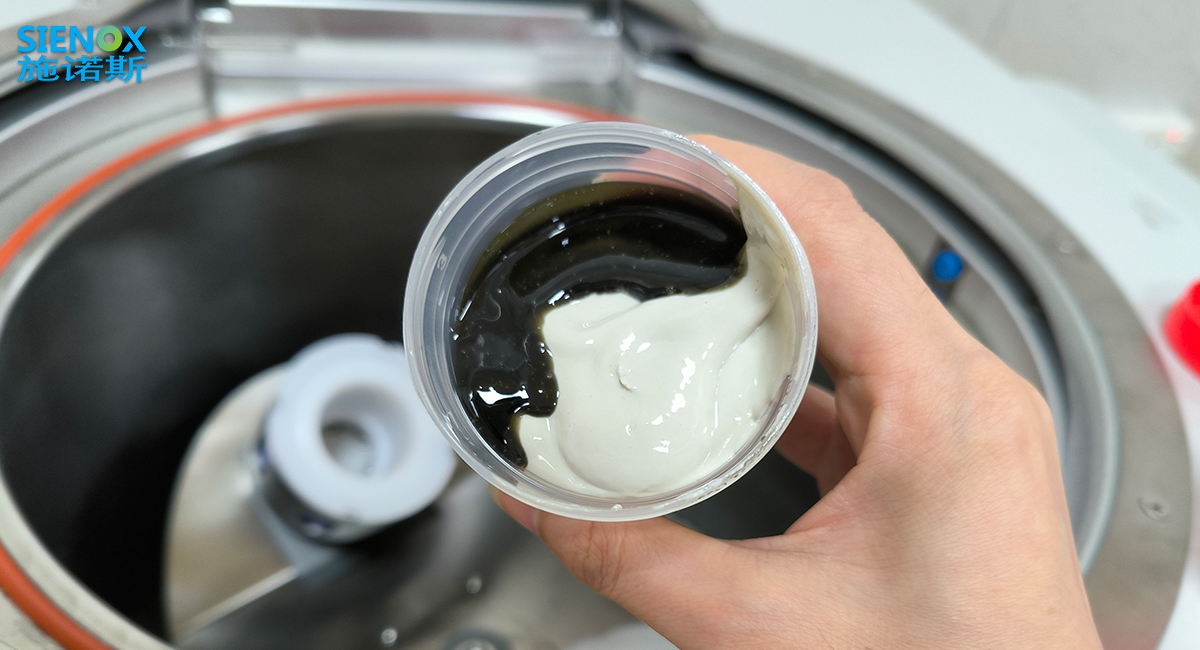
| Epoxy Adhesive (AB Glue) | Dense micro‑bubbles inside mixed adhesive with milky turbidity, uneven surface after curing | Transparent and clear adhesive without visible bubbles, smooth surface after curing, dense cross‑section free of voids |
* Internal laboratory test data. Actual improvement varies with material formulations. Contact sales for real‑world customer cases.
Customer Delivery & Application Cases
Rooted in manufacturing frontlines, empowering benchmark production lines and key national research institutions across diverse industries.
Stirring & Defoaming Solution for Powders and Fluids |
AB Structural Adhesive Mixing & Defoaming Solution |
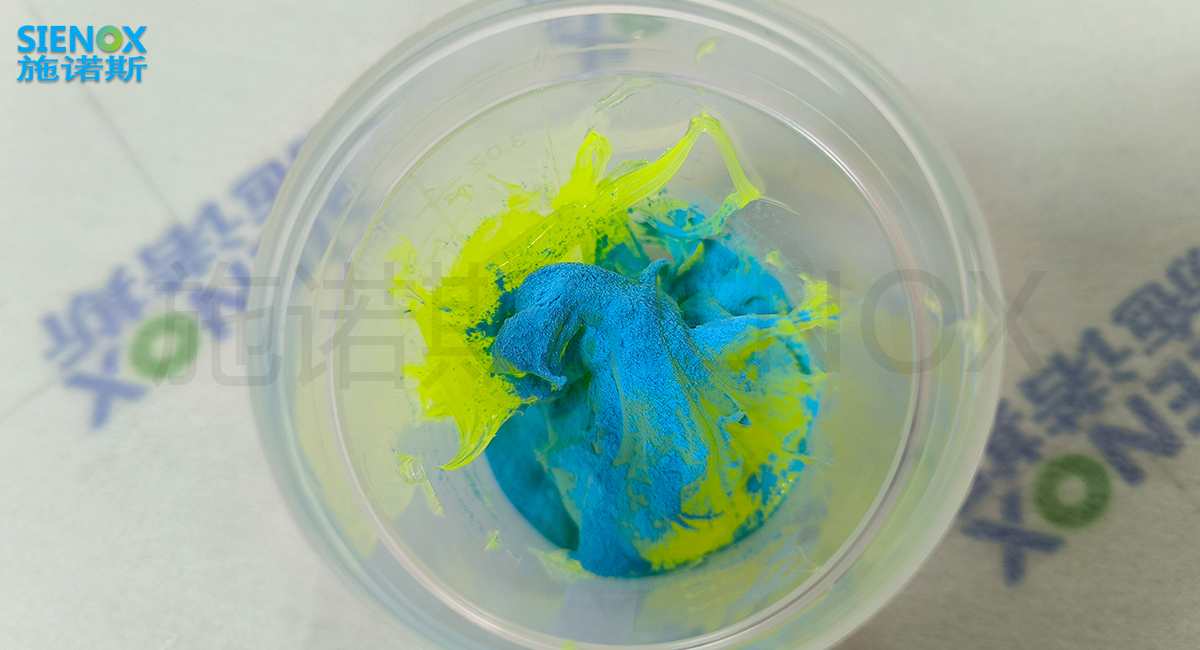
Mixing and Defoaming Solution for High‑Viscosity Colloid and Phosphor Powder Materials |