

Mixing Container

TEL:18925129293


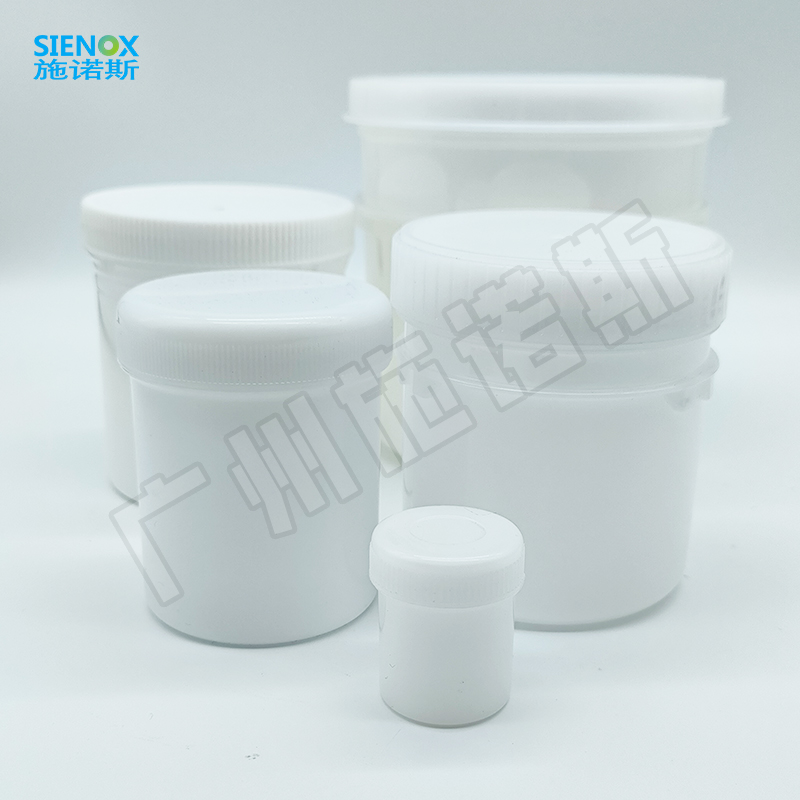
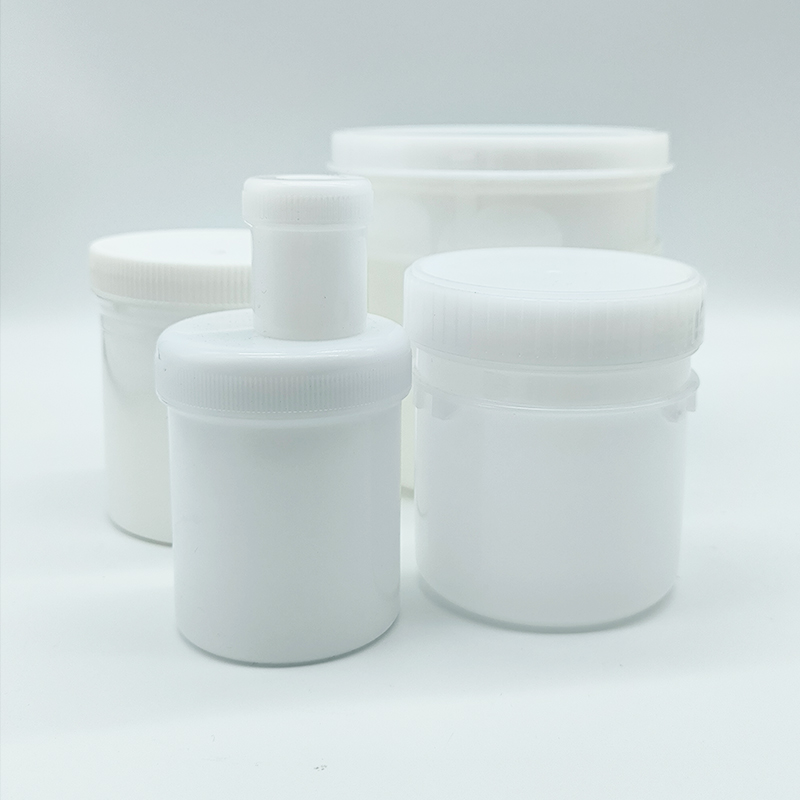
SIENOX Imported HDPE Mixing Tank 12‑300mL
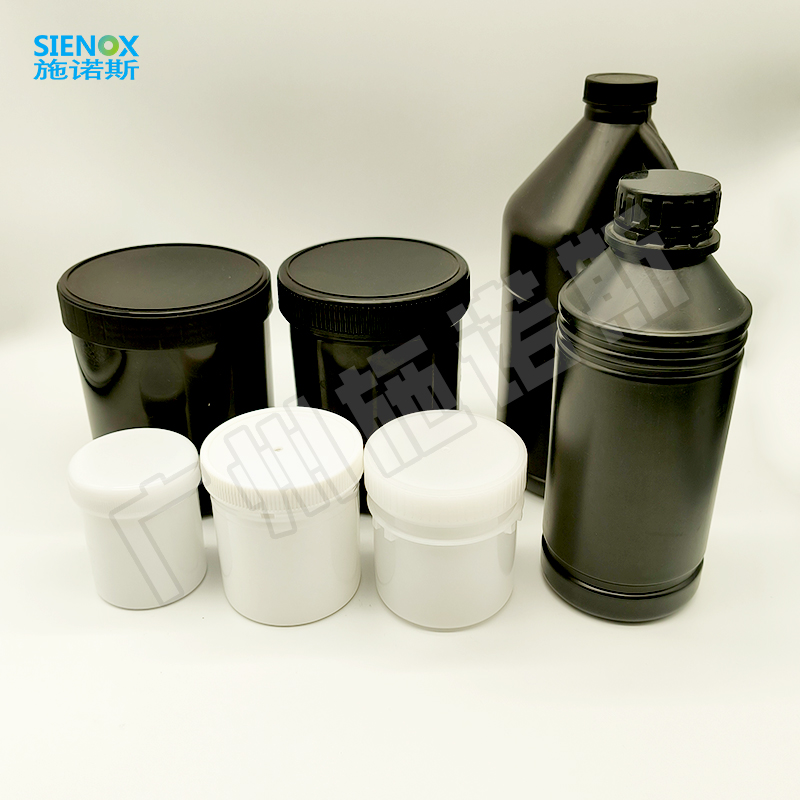

Imported HDPE Material, 100°C Temperature Resistance · Acid‑alkali Resistance for Heating‑assisted Defoaming Processes
Imported Quality + 100°C Temperature Resistance + 12‑300ml Precision Specifications
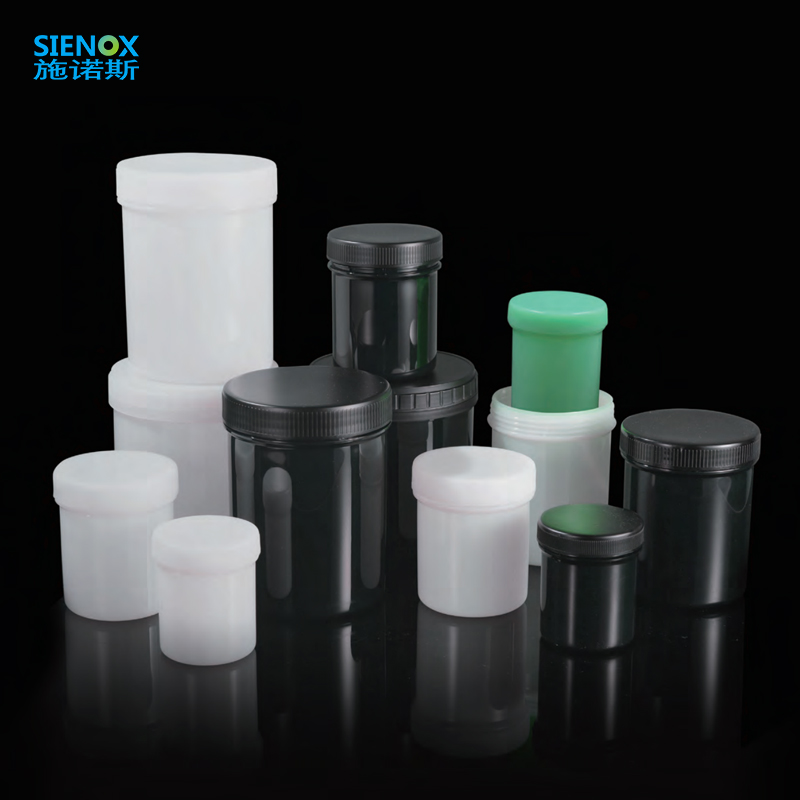
SIENOX imported HDPE mixing tanks are made of HDPE material with seven sizes: 12/24/35/55/125/150/300ml. Temperature resistance ranges from ‑24°C to 100°C, acid‑alkali resistant, available in white and black. Compatible with full series of imported vacuum mixing defoamers, suitable for heating‑assisted defoaming processes.
✓ 0‑50L ✓ PP Material ✓ Multiple Color Options
Why Choose Imported HDPE Mixing Tanks
Ideal choice for heating‑assisted defoaming processes and high‑end laboratory applications
100°C Temperature Resistance for Heating ProcessesTemperature‑controlled defoamers heat materials during mixing to reduce viscosity and accelerate defoaming for high‑viscosity slurries and pastes. PP material only withstands up to 60°C and tends to soften and deform under high temperature. HDPE tolerates up to 100°C, safely suited for 60‑100°C heating‑assisted defoaming without deformation or harmful substance leaching, ensuring process safety and material quality. | Imported Quality & Precise SpecificationsThe imported version comes in seven sizes: 12ml, 24ml, 35ml, 55ml, 125ml, 150ml, 300ml with fine workmanship for precision experiments and high‑standard R&D scenarios. Micro sizes of 12‑55ml are ideal for formula screening, drop‑by‑drop tests and small‑batch trials of valuable materials. Imported quality guarantees dimensional accuracy and material consistency for reliable and reproducible test data. | Acid‑alkali Resistance for Chemical MaterialsHDPE features good acid‑alkali resistance and is compatible with most water‑based, weak‑acid and weak‑alkaline materials. Imported virgin material is pure without impurity leaching to avoid material contamination, especially suitable for electronic slurries, biomedicine and other applications demanding high container quality. |
✨ Dilemmas of conventional containers: Ordinary plastic tanks for heated defoaming often suffer from insufficient temperature resistance leading to tank deformation, material contamination caused by impure raw materials, inaccurate specifications impairing experimental precision, and poor sealing resulting in unsatisfactory vacuum level. Imported HDPE mixing tanks address these pain points in material, temperature resistance and specification accuracy.
Why Choose Imported HDPE Mixing Tanks
Solve pain points in container selection for heating‑assisted defoaming and precision experiments
100°C Temperature Resistance for Heated DefoamingHDPE features a temperature range of ‑24°C~100°C, delivering 40°C higher temperature resistance than PP (60°C). Suitable for heating‑assisted processes of temperature‑controlled defoamers, the tank remains stable without deformation within 60‑100°C. It withstands low temperature down to ‑24°C for refrigerated materials and low‑temperature experiments. Thick‑walled and drop‑resistant, it resists brittleness under repeated high‑low temperature cycles. | Seven Precise Specifications for Full‑range CoverageSeven sizes are available: 12ml, 24ml, 35ml, 55ml, 125ml, 150ml, 300ml, covering micro‑volume to standard capacity. 12‑55ml sizes work well for formula screening and micro‑tests of valuable materials; 125‑300ml fit routine laboratory mixing‑defoaming. Imported quality ensures consistent dimensional accuracy for good batch‑to‑batch reproducibility. White and black options are available for easy classification and marking. | Premium Virgin HDPE with Reliable CraftsmanshipMade of high‑grade virgin HDPE instead of recycled material, the pure material prevents impurity leaching. Uniform wall thickness (1.8mm) and smooth blemish‑free surface. Thick‑walled and drop‑resistant, it holds powders, solids, pastes and other materials firmly without leakage. Precisely matched neck and cap dimensions guarantee tight fitting with equipment ports to avoid air leakage and pressure drop during vacuum defoaming. |
✨ Imported HDPE mixing tanks are ideal if you require heating‑assisted defoaming (60‑100°C), precision experiments or micro‑samples of valuable materials.
Mixing Tank & Equipment Compatibility Instructions
Imported HDPE Mixing Tanks Specially Designed for Imported Defoamer Mixers
Imported HDPE mixing tanks are specially designed for imported defoamer mixers with precisely‑matched interface dimensions. Place the tank into the mixing chamber and secure it with machine fixtures or adapters, then connect the sealing cap to the vacuum port. During mixing‑defoaming, the tank performs revolution and rotation inside the unit, and materials are mixed and defoamed within the sealed tank. Featuring 100°C temperature resistance, HDPE tanks can be safely used for heating‑assisted processes on temperature‑controlled defoamers. Installation Steps: Load materials into the mixing tank and fasten the sealing cap Put the tank into the mixing chamber and fix it in place Set mixing‑defoamer parameters and start the machine Take out the tank upon completion and proceed to subsequent procedures | 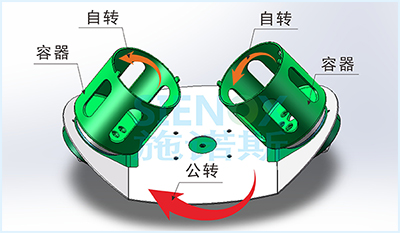 |
Technical Specifications
Complete Technical Specifications Overview, Customizable on Demand
| Specification | Capacity | Application |
| 12mL | 12mL | Micro‑sample formula screening, drop‑by‑drop tests |
| 24mL | 24mL | Small‑batch trial production, precision R&D |
| 35mL | 35mL | Small‑volume laboratory mixing‑defoaming |
| 55mL | 55mL | Small‑batch sample testing |
| 125mL | 125mL | Routine laboratory mixing‑defoaming |
| 150mL | 150mL | Routine laboratory mixing‑defoaming |
| 300mL | 300mL | Standard‑capacity laboratory mixing‑defoaming |
| ... | ... | Larger sizes available |
Our Partners
Trusted by leading industrial manufacturing clusters and advanced university laboratories worldwide
FAQ - Frequently Asked Questions
Answers to common questions about product performance and everyday process selection
-
What is the working principle of a centrifugal defoaming machine?
Principle of centrifugal defoaming machine: The bubbles are released by the downward principle of gravity.
-
How is the after-sales service?
The company has professional after-sales service personnel, 24-hour dedicated service, and one-on-one technical support to solve your worries.
-
Why choose SIENOX?
There are many reasons for choosing SIENOX, and the following are some of the main reasons:
1. Professionalism: Our team consists of a group of professional individuals with rich experience and knowledge in their respective fields. We not only understand industry trends and best practices, but also provide practical and feasible solutions.
2. Service quality: We focus on customer needs and satisfaction, and are always committed to providing high-quality services. We not only respond quickly to customer needs, but also provide customized services according to their requirements.
3. Reliability: We adhere to the principles of integrity and professionalism, always adhering to commitments and agreements. Our work methods and deliverables comply with industry standards and best practices, enabling our clients to trust us.
4. Innovation: We continuously explore new methods and tools to provide better services and meet customer needs. We encourage innovation and experimentation, and are willing to accept challenges and change.
5. Cost effectiveness: We provide cost-effective services that not only help customers save costs, but also improve efficiency and productivity. We always prioritize the interests of our customers and provide them with the best solutions.
6. Teamwork: We believe in the power and value of teamwork, and our team members support, collaborate, and respect each other. We establish close cooperative relationships with customers, partners, and other stakeholders to achieve common goals.
The above are just some of the reasons for choosing us. We believe there are many other advantages and values that can be provided to customers. If you are looking for a professional, reliable, and high-quality service provider, we look forward to working with you.
-
How does the stirring and defoaming machine work?
The SIENOX stirring and defoaming machine performs defoaming through centrifugal force at revolution and stirring through shear force formed by revolution and rotation,
Assisted by a vacuum pump to extract gas and achieve a vacuum state, removing nanoscale tiny bubbles. No contact with materials, no secondary pollution, and no secondary waste.
-
What is the function of a defoaming machine?
A defoaming machine is a device used to remove bubbles from liquids. Its function is to assist in the liquid mixing, reaction, coating, printing, infusion and other process steps in the production process, avoiding the generation of bubbles and their impact on the final product. In many industrial and laboratory environments, removing bubbles is essential as they may have a negative impact on product quality, such as affecting surface tension and stability. Defoaming machines typically use various techniques such as vibration, ultrasound, centrifugation, etc. to achieve effective bubble removal. It has a wide range of applications, including but not limited to semiconductors, solar energy, optics, biotechnology, materials science, etc.
Technical Specification List
Full‑line parameter specifications to assist your accurate process‑model selection
| Specification | Capacity | Application |
| 12mL | 12mL | Micro‑sample formula screening, drop‑by‑drop tests |
| 24mL | 24mL | Small‑batch trial production, precision R&D |
| 35mL | 35mL | Small‑volume laboratory mixing‑defoaming |
| 55mL | 55mL | Small‑batch sample testing |
| 125mL | 125mL | Routine laboratory mixing‑defoaming |
| 150mL | 150mL | Routine laboratory mixing‑defoaming |
| 300mL | 300mL | Standard‑capacity laboratory mixing‑defoaming |
| ... | ... | Larger sizes available |
Applicable Material Types
Covering stirring and debubbling applications of typical materials across six major industries
PowderMetal powder / ceramic powder / medicinal powder |
Solid Particles |
PasteCream |
AdhesiveVarious glues |  SlurryBattery slurry, ceramic slurry |
Acid‑alkali Materials |


Comprehensive Equipment Operation Demo Videos
Gain intuitive, clear, dynamic insight into synchronous defoaming with planetary centrifugal force and high negative pressure.
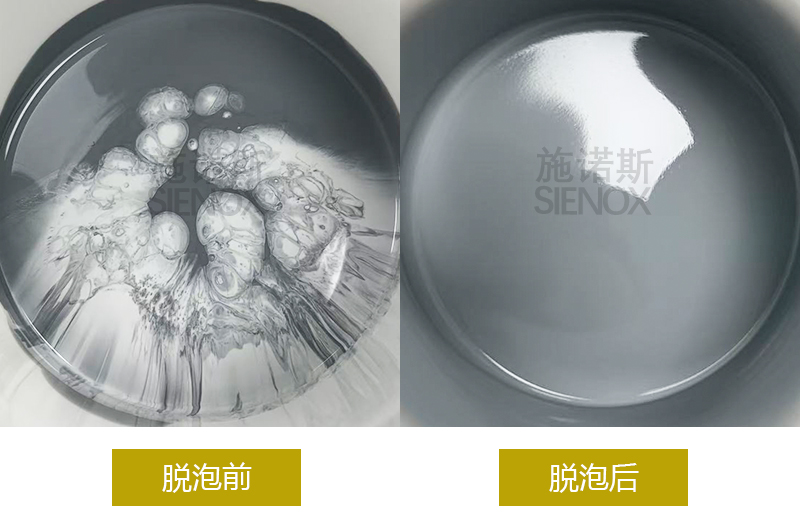
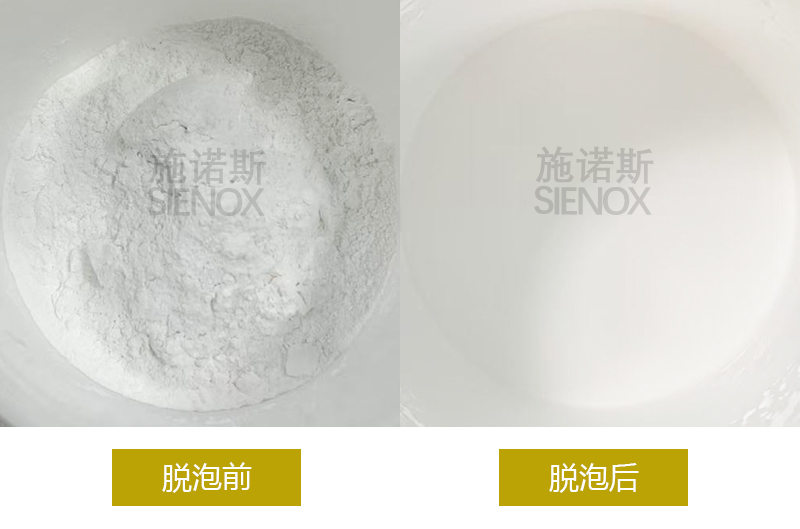
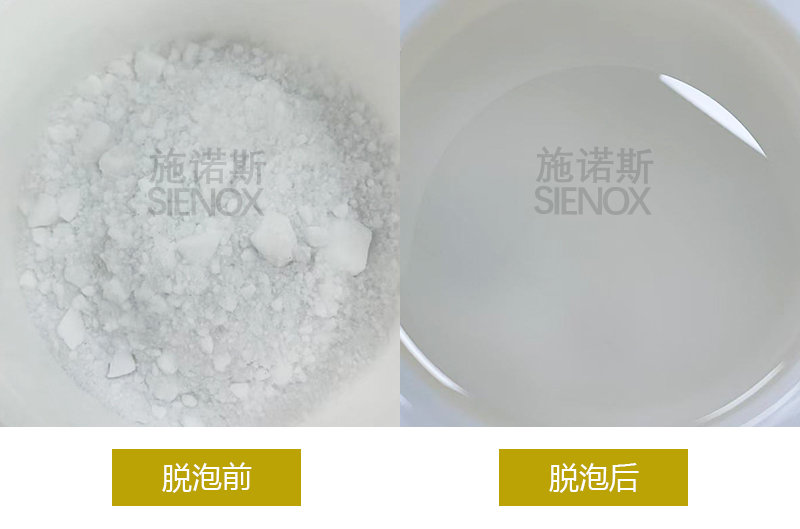
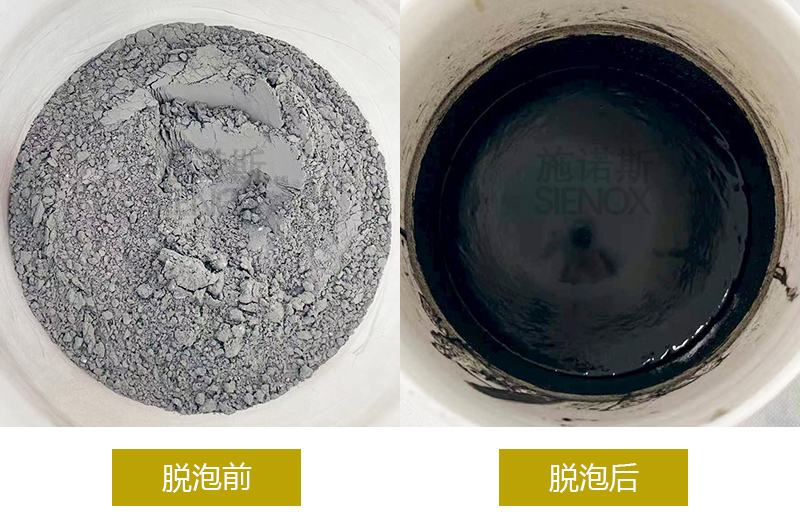
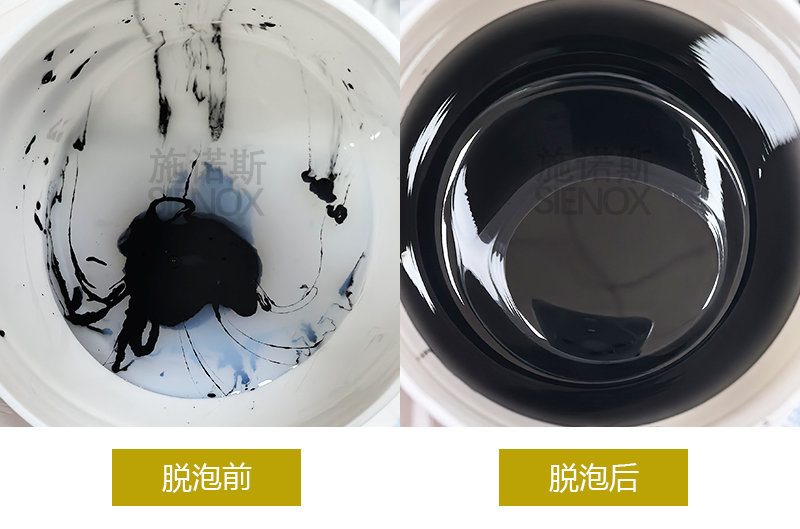
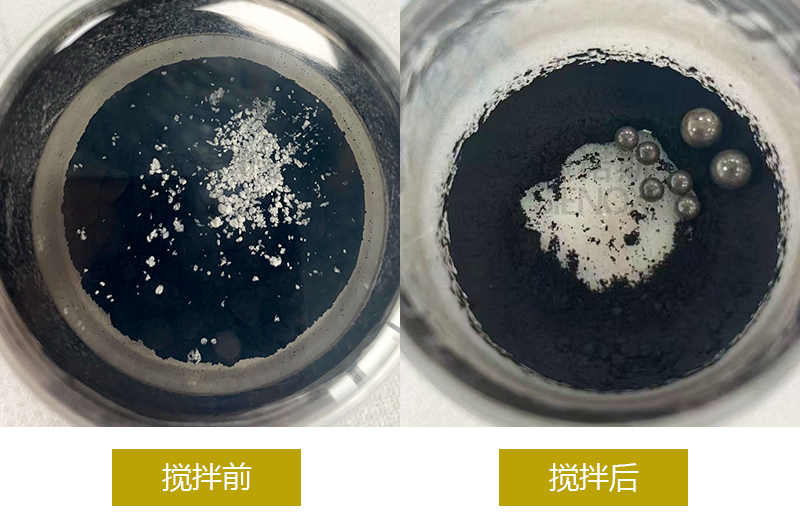
Actual‑test Performance Demonstration
Lab Sample Actual Test Results
AB Glue |
Glue with Powder |
Glass Powder |
Electronic Adhesive with Powder |
Epoxy Resin |
Battery Slurry Powder |
Usage Notes
| Precautions | Description |
| Organic Solvent Restriction | HDPE is not resistant to organic solvents. Do not use it for materials containing organic solvents. |
| Temperature Limit | Do not operate above 100°C to prevent tank deformation. |
| Seal Inspection | Check whether the sealing cap is intact before use to guarantee sealing performance. |
| Cleaning & Maintenance | Clean the tank promptly after use and keep it clean. |
| Specification Matching | Different machine models support different tank size ranges. Please consult for confirmation before selection. |
* Internal laboratory test data. Actual improvement varies with material formulas. Contact sales for real‑world customer cases.