

Mixing Container

TEL:18925129293


SIENOX Stainless‑steel Mixing Tank 0‑50L
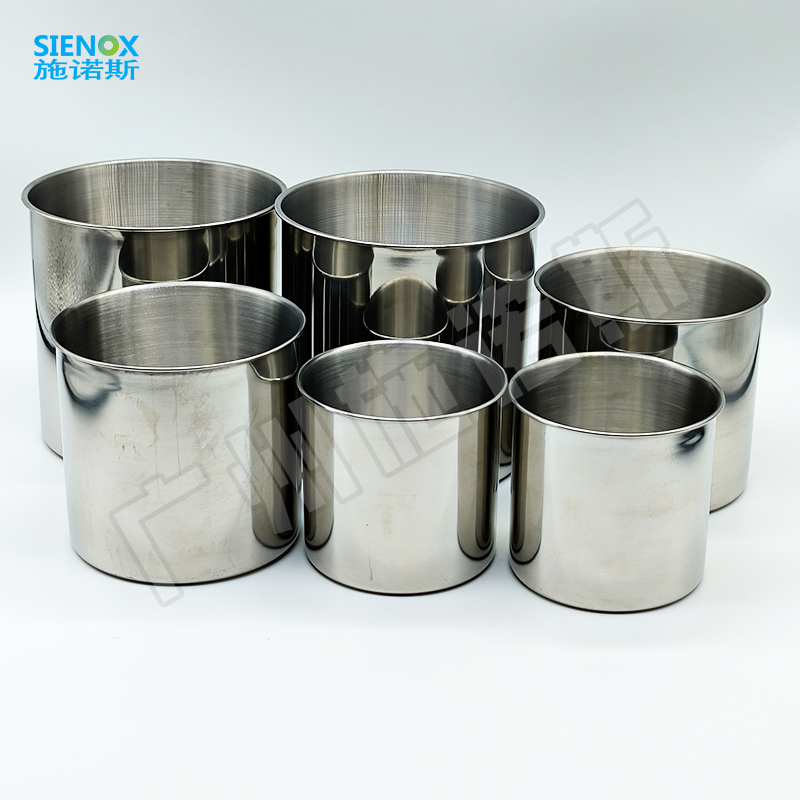

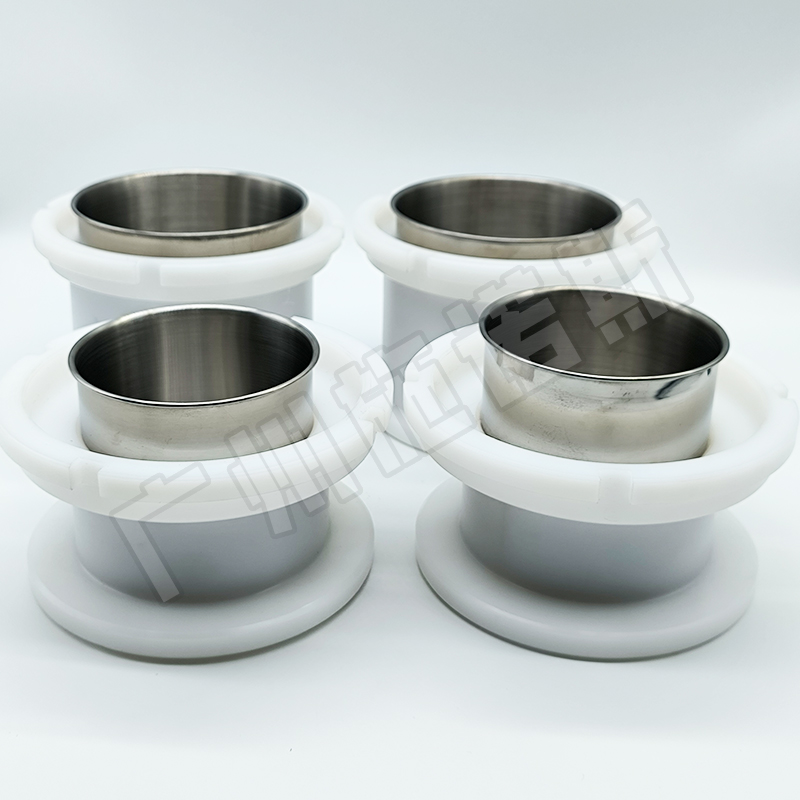
Stainless‑steel Material Resists Corrosion, High Temperature and Organic Solvents · High Mechanical Strength for Long‑term Repeated Use
Corrosion & Organic‑solvent Resistance + Industrial‑grade High‑temperature Resistance + Long‑term Reusable
SIENOX stainless‑steel mixing tanks are available in multiple stainless‑steel specifications. Featuring corrosion resistance, high‑temperature resistance and organic‑solvent resistance with high mechanical strength for long‑term repeated service. Compatible with full series of SIENOX vacuum defoaming mixers, suitable for harsh working conditions and industrial‑grade applications.
✓ 0‑50L ✓ Stainless‑steel Material ✓ Multiple Color Options
Why Stainless‑steel Mixing Tanks Are Required
Stainless‑steel mixing tanks become an irreplaceable choice when higher requirements are placed on container cleanliness and durability.
Organic‑solvent Resistance for Chemical Working ConditionsMaterials such as electronic slurries, adhesives and coating materials often contain organic solvents (acetone, ethanol, toluene, etc.). PP and HDPE plastic containers tend to swell, deform or even dissolve upon contact with organic solvents, which damages containers and contaminates materials. With outstanding chemical stability, stainless steel resists organic‑solvent corrosion and serves as a reliable option for solvent‑containing materials. | High‑temperature Resistance for High‑temperature ProcessesCertain mixing and defoaming processes require temperatures above 100°C, e.g. melting high‑temperature resins, preparing hot‑melt adhesives and processing high‑temperature reactive slurries. Plastic mixing tanks cannot reach such temperature limits. Stainless‑steel mixing tanks feature high‑temperature resistance and dimensional stability without deformation under heat to ensure process safety. | Industrial‑grade Durability for Long‑term EconomyStainless steel delivers high mechanical strength with drop and impact resistance, unlike fragile plastic containers. One‑time investment enables long‑term repeated use with far longer service life. For frequent‑use and continuous industrial production, stainless‑steel mixing tanks bring lower long‑term costs versus frequently‑replaced plastic containers. |
✨ Pain points of traditional containers: Plastic containers swell and deform and contaminate materials when handling solvent‑containing materials; they soften and become unusable under high‑temperature conditions. Glass containers are fragile and unsafe, and ordinary metal containers corrode and rust easily. Stainless‑steel mixing tanks meet multiple requirements including corrosion resistance, high‑temperature resistance, organic‑solvent resistance and high mechanical strength in one go.
Why Choose SIENOX Stainless‑steel Mixing Tanks
Solve Container‑selection Pain Points for Harsh Working Conditions
Comprehensive Protection by Stainless‑steel MaterialMade of premium stainless steel with excellent chemical stability, it resists acid, alkali and organic‑solvent corrosion for various chemical materials. High‑temperature resistance ensures stable dimension without deformation for high‑temperature defoaming processes. High mechanical strength delivers drop and impact resistance, avoiding breakage common to plastic and glass containers. Smooth surface prevents material adhesion for easy residue‑free cleaning, ideal for frequent material change and high‑cleanliness‑required scenarios. | Flexible Selection of Multiple SpecificationsMultiple specifications are available to satisfy diverse throughput demands, ranging from small‑volume laboratory use to medium‑and‑large‑volume production‑grade applications for flexible selection according to process scale. Reusable stainless‑steel brings long‑term benefits from one‑time investment, offering better cost‑performance than repeatedly replaced plastic containers under frequent‑use conditions. | Reliable Equipment CompatibilitySIENOX stainless‑steel mixing tanks are custom‑designed for SIENOX defoaming mixers with precisely‑matched interface dimensions for easy installation and removal. Tight sealing prevents air leakage and pressure drop during vacuum defoaming. Compatible with full‑series equipment including mixing defoamers, vacuum mixing defoamers, temperature‑controlled defoamers and centrifugal defoamers. |
✨ Stainless‑steel mixing tanks are a reliable choice if you need to process solvent‑containing materials, perform high‑temperature defoaming processes, or have high requirements for container cleanliness and durability.
Matching Instructions for Mixing Tanks and Equipment
SIENOX stainless‑steel mixing tanks are specially designed for SIENOX defoaming mixers.
SIENOX stainless‑steel mixing tanks are specially designed for SIENOX defoaming mixers with precisely‑matched interface dimensions. Place the mixing tank into the mixing chamber and secure it with equipment fixtures or adapters, then connect the cover to the vacuum port of the machine. During defoaming and mixing, the tank revolves and rotates inside the unit, and materials are mixed and defoamed within the sealed tank. Installation Steps: Load materials into the mixing tank and fasten the sealing cover Put the tank into the mixing chamber and fix it in place Set mixing‑defoaming parameters and start the equipment Take out the tank upon completion for subsequent procedures | 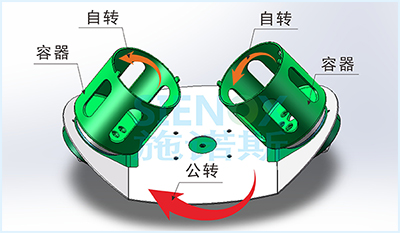 |
Technical Specifications
Complete Technical Specifications Overview, Customizable on Demand
| Specification | |
| Product Name | Stainless‑steel Mixing Tank |
| Capacity | 0‑50L; Customizable |
| Material | Stainless Steel |
| Temperature Resistance Range | High‑temperature Resistant |
| Corrosion Resistance | Yes |
| Organic‑solvent Resistance | Yes |
| Mechanical Strength | Excellent (Drop & Impact Resistant) |
| Surface Treatment | Smooth Surface, Easy to Clean |
| Application Scenarios | Organic Solvents / High‑temperature / Corrosive Materials |
Our Partners
Trusted by leading industrial manufacturing clusters and advanced university laboratories worldwide
FAQ - Frequently Asked Questions
Answers to common questions about product performance and everyday process selection
-
What is the working principle of a centrifugal defoaming machine?
Principle of centrifugal defoaming machine: The bubbles are released by the downward principle of gravity.
-
How is the after-sales service?
The company has professional after-sales service personnel, 24-hour dedicated service, and one-on-one technical support to solve your worries.
-
Why choose SIENOX?
There are many reasons for choosing SIENOX, and the following are some of the main reasons:
1. Professionalism: Our team consists of a group of professional individuals with rich experience and knowledge in their respective fields. We not only understand industry trends and best practices, but also provide practical and feasible solutions.
2. Service quality: We focus on customer needs and satisfaction, and are always committed to providing high-quality services. We not only respond quickly to customer needs, but also provide customized services according to their requirements.
3. Reliability: We adhere to the principles of integrity and professionalism, always adhering to commitments and agreements. Our work methods and deliverables comply with industry standards and best practices, enabling our clients to trust us.
4. Innovation: We continuously explore new methods and tools to provide better services and meet customer needs. We encourage innovation and experimentation, and are willing to accept challenges and change.
5. Cost effectiveness: We provide cost-effective services that not only help customers save costs, but also improve efficiency and productivity. We always prioritize the interests of our customers and provide them with the best solutions.
6. Teamwork: We believe in the power and value of teamwork, and our team members support, collaborate, and respect each other. We establish close cooperative relationships with customers, partners, and other stakeholders to achieve common goals.
The above are just some of the reasons for choosing us. We believe there are many other advantages and values that can be provided to customers. If you are looking for a professional, reliable, and high-quality service provider, we look forward to working with you.
-
How does the stirring and defoaming machine work?
The SIENOX stirring and defoaming machine performs defoaming through centrifugal force at revolution and stirring through shear force formed by revolution and rotation,
Assisted by a vacuum pump to extract gas and achieve a vacuum state, removing nanoscale tiny bubbles. No contact with materials, no secondary pollution, and no secondary waste.
-
What is the function of a defoaming machine?
A defoaming machine is a device used to remove bubbles from liquids. Its function is to assist in the liquid mixing, reaction, coating, printing, infusion and other process steps in the production process, avoiding the generation of bubbles and their impact on the final product. In many industrial and laboratory environments, removing bubbles is essential as they may have a negative impact on product quality, such as affecting surface tension and stability. Defoaming machines typically use various techniques such as vibration, ultrasound, centrifugation, etc. to achieve effective bubble removal. It has a wide range of applications, including but not limited to semiconductors, solar energy, optics, biotechnology, materials science, etc.
Technical Specification List
Full‑line parameter specifications to assist your accurate process‑model selection
| Product Name | PP Mixing Tank | HDPE Mixing Tank | Stainless Steel Mixing Tank |
| Capacity | 0-50L; Customizable | 0-300mL; Customizable | 0-50L; Customizable |
| Material | PP | HDPE | Stainless Steel |
| Temperature Range | -24°C ~ 60°C | -24°C ~ 100°C | High temperature resistant |
| Corrosion Resistance | Yes | Yes | Yes |
| Organic Solvent Resistance | No | No | Yes |
| Mechanical Strength | Good (shock resistant) | Good (shock resistant) | Excellent (shock and impact resistant) |
| Surface Finish | Smooth surface, easy to clean | Smooth surface, easy to clean | Smooth surface, easy to clean |
| Application | Mixing and defoaming at room temperature | Auxiliary defoaming with heating | Organic solvent, high temperature and corrosive materials |
Applicable Material Types
Covering stirring and debubbling applications of typical materials across six major industries
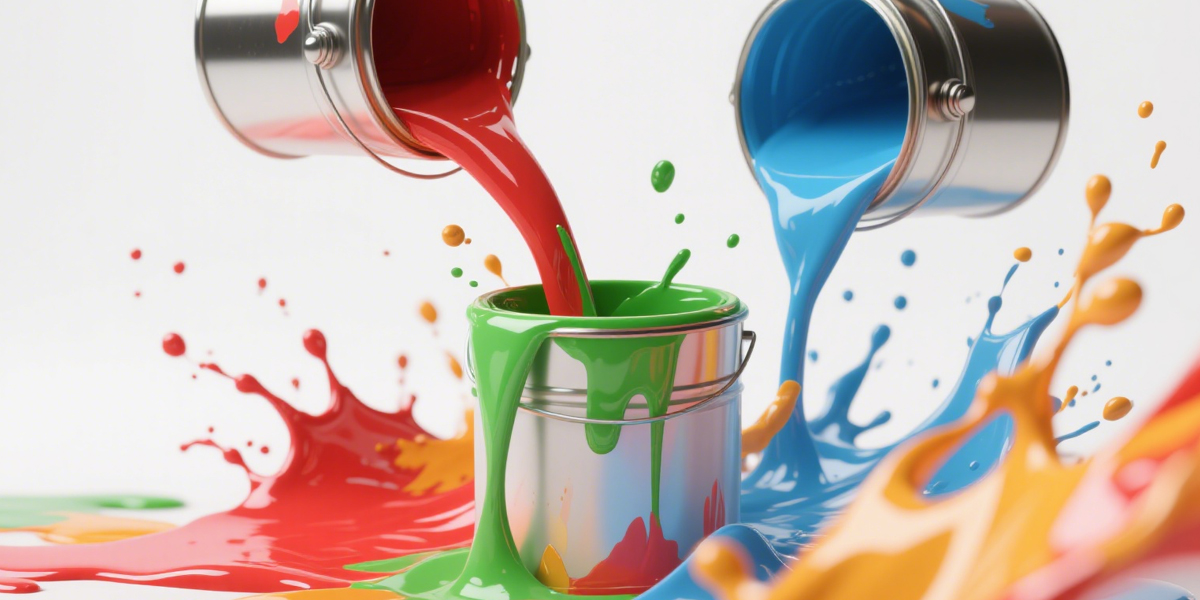
PowderMetal Powder / Ceramic Powder / Pharmaceutical Powder |
Solid Particles |
PasteCream |
AdhesiveVarious Types of Glues |  SlurryBattery Slurry, Ceramic Slurry |
Acid‑alkaline Materials |

Comprehensive Equipment Operation Demo Videos
Gain intuitive, clear, dynamic insight into synchronous defoaming with planetary centrifugal force and high negative pressure
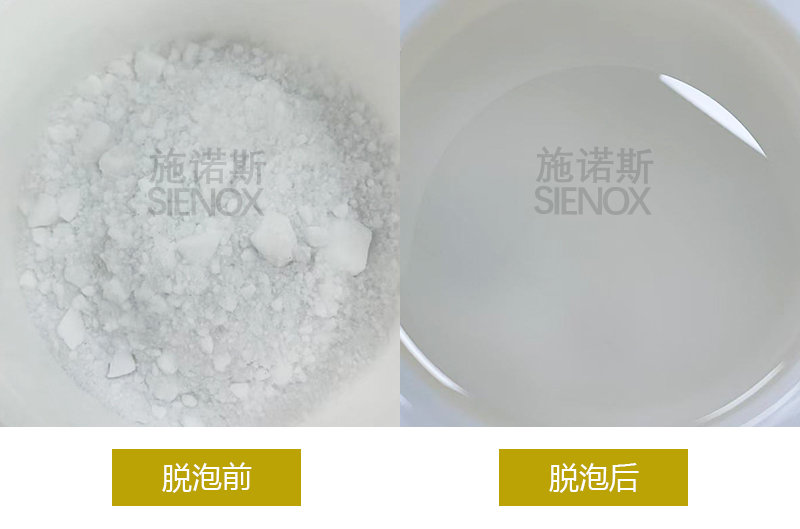
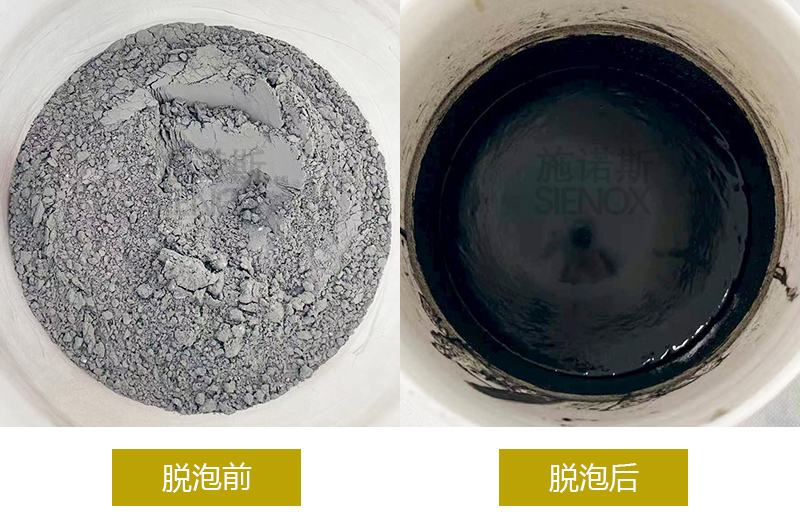
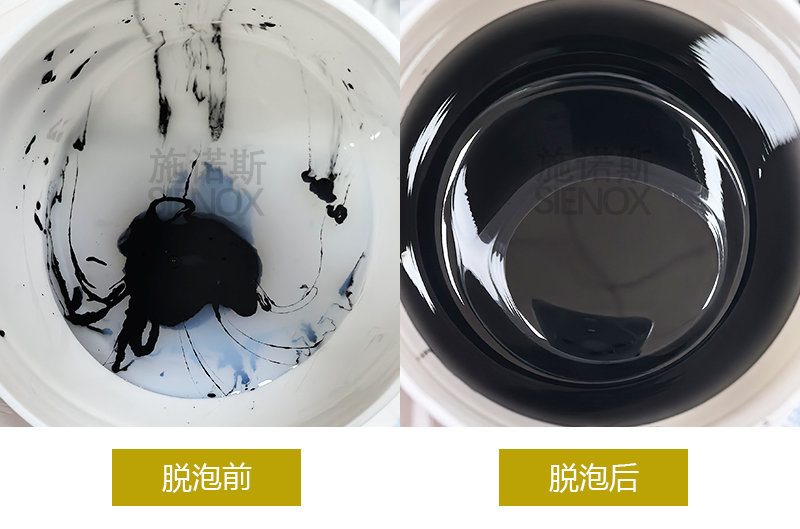
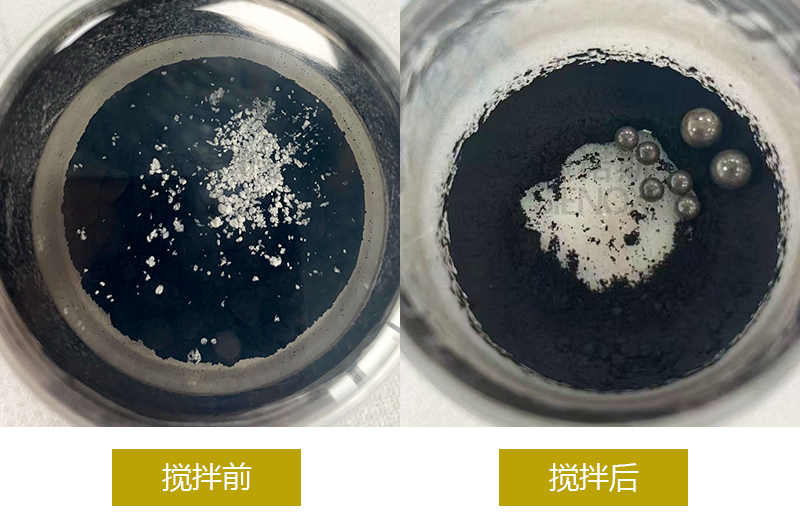
Actual‑test Performance Demonstration
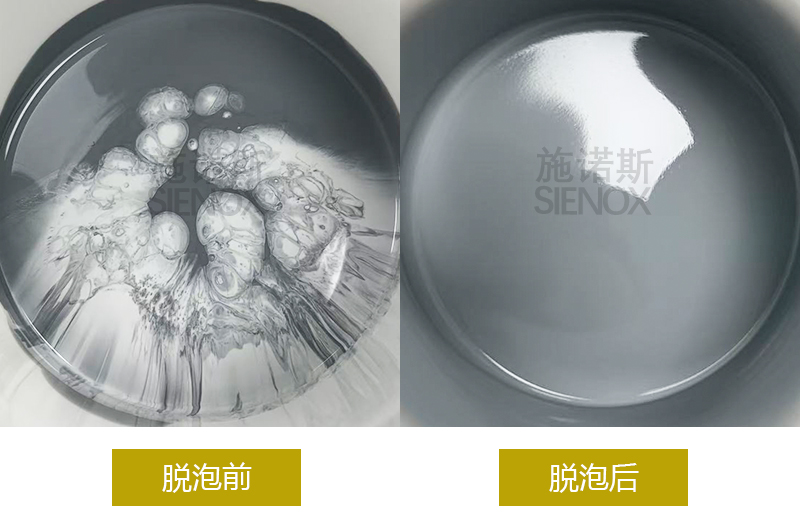
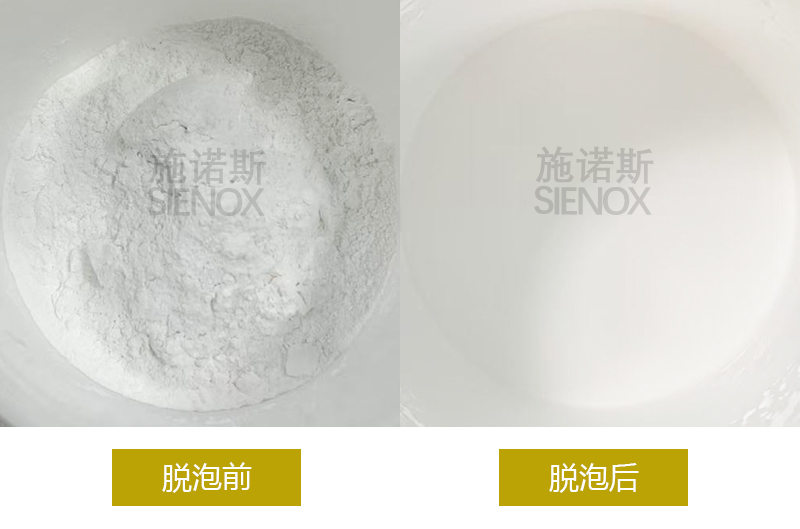
Lab Sample Actual Test Results
AB Glue |
Glue + Powder |
Glass Powder |
Electronic Glue + Powder |
Epoxy Resin |
Battery Slurry Powder |
Usage Precautions
| Precautions | Description |
| Cleaning & Maintenance | Clean promptly after use to keep smooth surfaces and prevent material residue |
| Seal Inspection | Check the integrity of sealing cover before use to guarantee sealing performance |
| Specification Matching | Applicable tank specifications vary for different machine models. Please consult before selection |
| Acid‑alkaline Environment | Though corrosion‑resistant, regular surface inspection is recommended for long‑term exposure to strong acids and alkalis |
* Internal laboratory test data. Actual improvement varies with material formulas. Contact sales for real‑world customer cases.