


News

TEL:18925129293


The planetary mixer is suitable for ceramic clay, reducing the rate of gas defects during firing
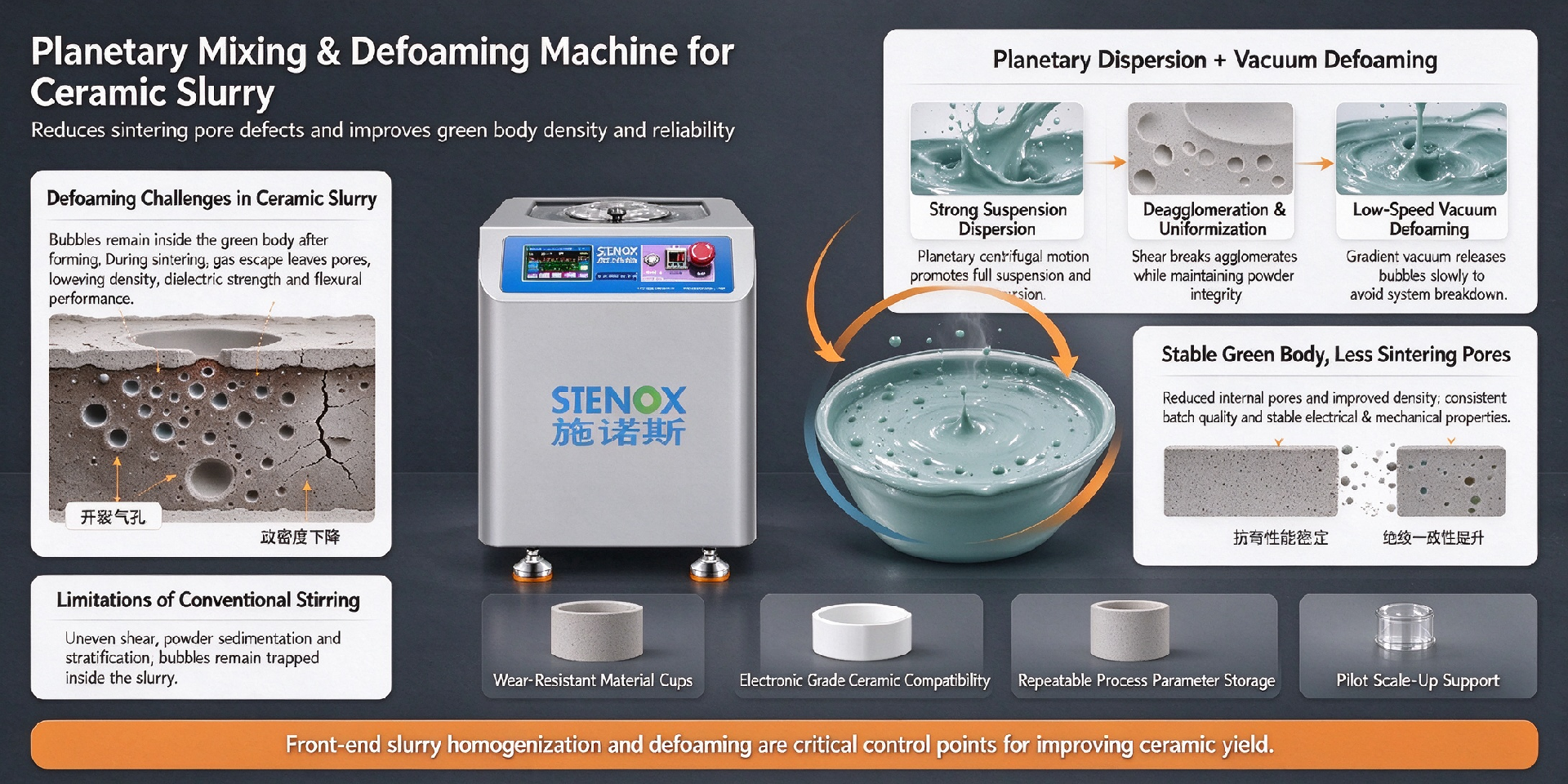
date:2026-11-06author:小施Structural ceramics and electronic ceramics, when mixed into a slurry, can contain air bubbles. After casting or molding, these bubbles remain within the solid form. During high-temperature firing, the gases escape, leaving behind voids in the ceramic body, which reduces density, insulation strength, and flexural properties. In severe cases, this can lead to cracking and failure. Ceramic powders have high hardness, and conventional mixing and shearing can result in uneven distribution and settling. Air bubbles are hidden within the slurry. The Schönhofer planetary mixer and de-airing system utilize planetary motion to thoroughly suspend and disperse the ceramic slurry. The vacuum environment simultaneously removes air bubbles, improving the uniformity of the slurry.
The equipment provides sufficient torque for handling high-density ceramic slurries, preventing rapid settling of heavy ceramic powders and ensuring consistent viscosity throughout the process. Vacuum gradient degassing gradually removes air bubbles from the slurry, preventing rapid expansion and potential disruption of the slurry system. The system allows for multiple processing stages, including pre-mixing, wetting, dispersion, and low-speed degassing, optimizing both dispersion and slurry stability. The mixing container is designed to withstand the abrasive nature of high-hardness ceramic powders like alumina, aluminum nitride, and silicon carbide, minimizing contamination of the slurry.
Electronic ceramics require stringent requirements for density and dielectric consistency, with the presence of pores during firing being a critical defect. The equipment's processing parameters can be stored for long-term use, ensuring consistent processing conditions for each batch of slurry. This reduces variations between batches of the molded product, minimizing risks during scale-up production. A series of tests with standard samples are conducted, and the porosity of the molded and fired product is evaluated to determine if the slurry processing method meets the required standards. The enclosed processing method minimizes dust leakage, and the ceramic laboratory maintains strict cleanliness control.
Ceramic sintering is an irreversible process. If the green body contains air, all of the initial powder and sintering energy are wasted, resulting in significant cost losses. Achieving good homogeneity and de-gassing of the slurry is a critical control point for improving ceramic yield. Schoenes planetary mixers effectively disperse ceramic powder and deeply remove air bubbles from the slurry, helping manufacturers of electronic and structural ceramics reduce defects caused by air pockets, and improve the density and mechanical and electrical performance stability of ceramic products.
Related recommendations
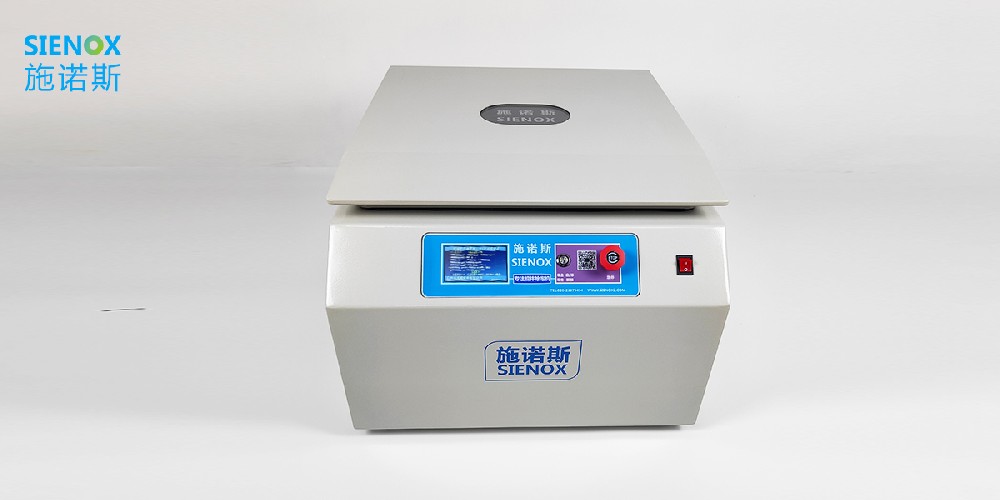
Centrifugal defoaming machine: An efficient tool for both laboratory and factory.

The extensive application fields of planetary defoaming machines.
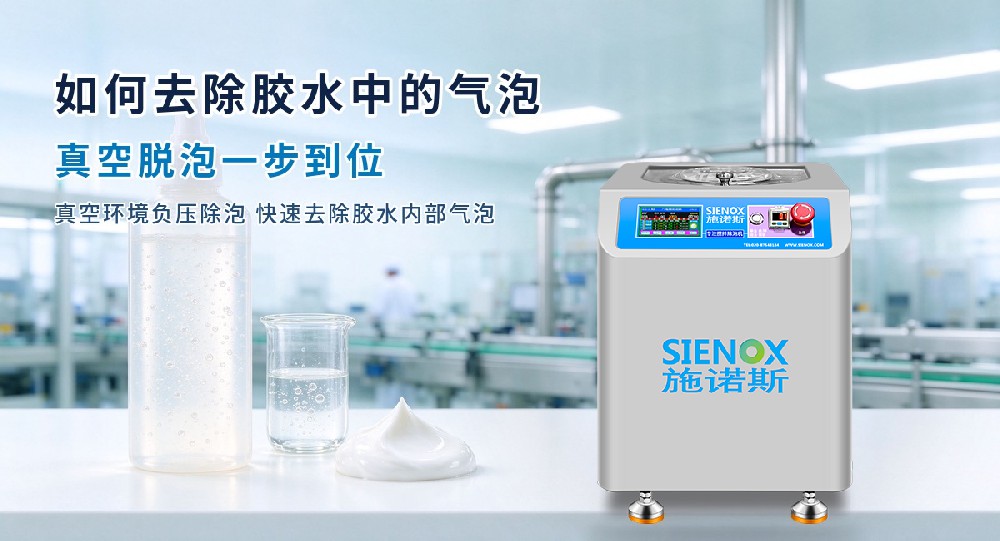
How to remove bubbles from glue

The application of vacuum stirring defoaming machine in the defoaming process of silver paste materials.
Perhaps you still need....
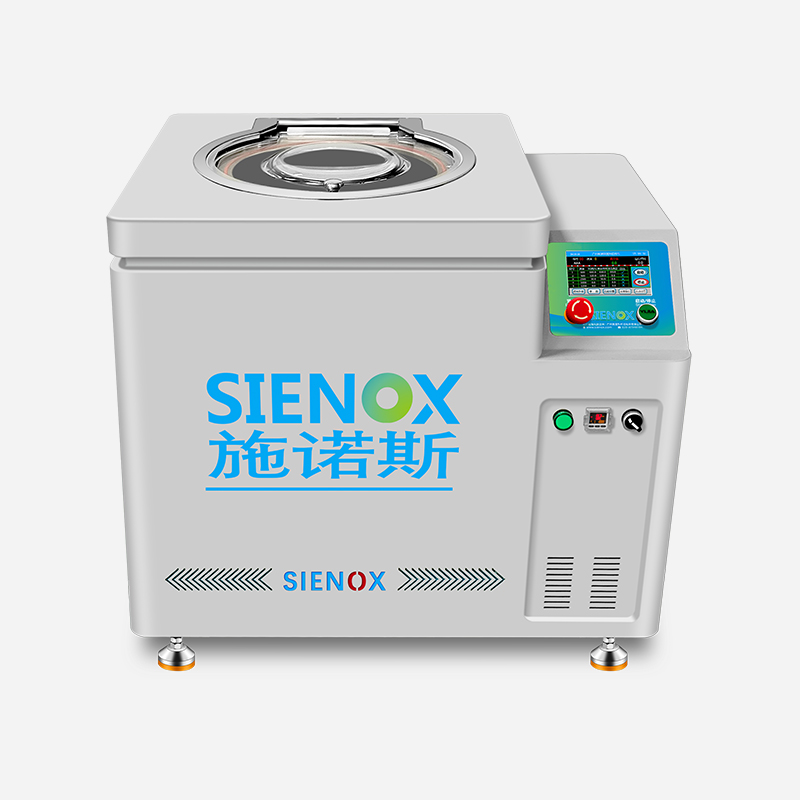
行星式真空脱泡搅拌机 SIE-MIX1000plus
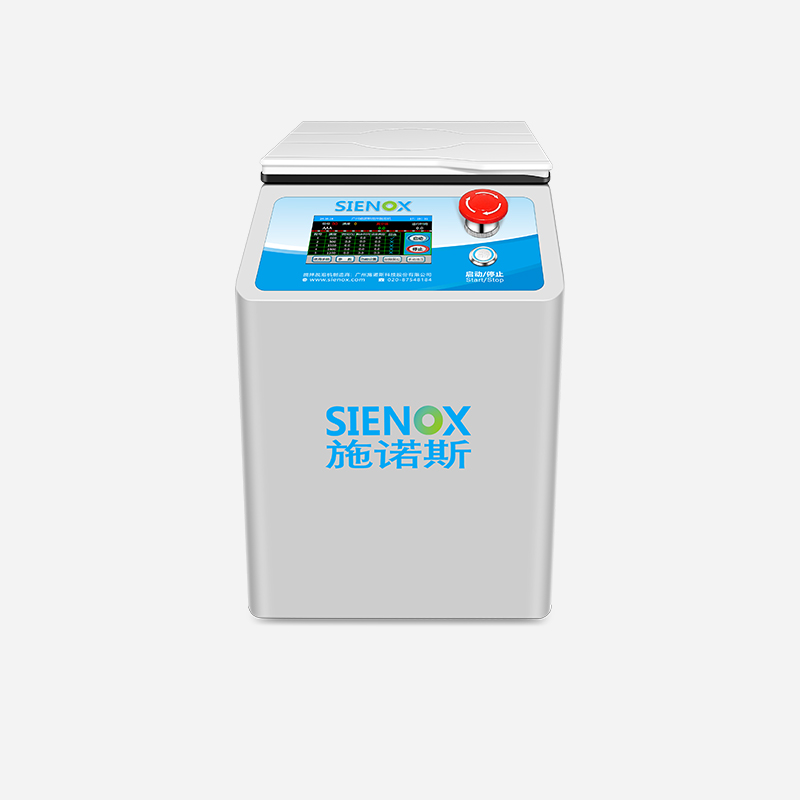
实验室行星式搅拌脱泡机 SIE-SV200
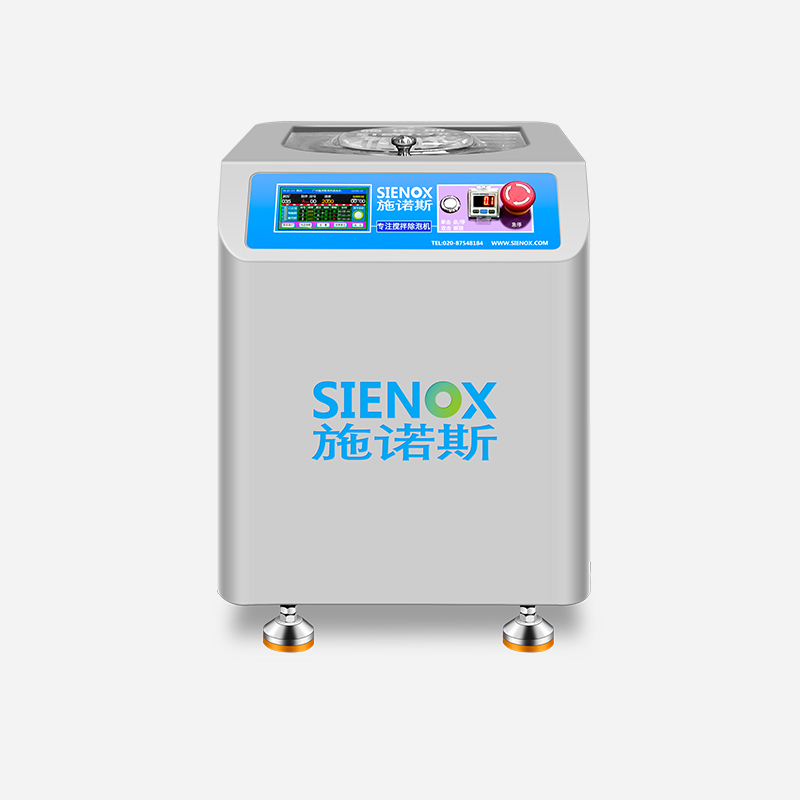
SIENOX行星式脱泡搅拌机 SIE-CV300
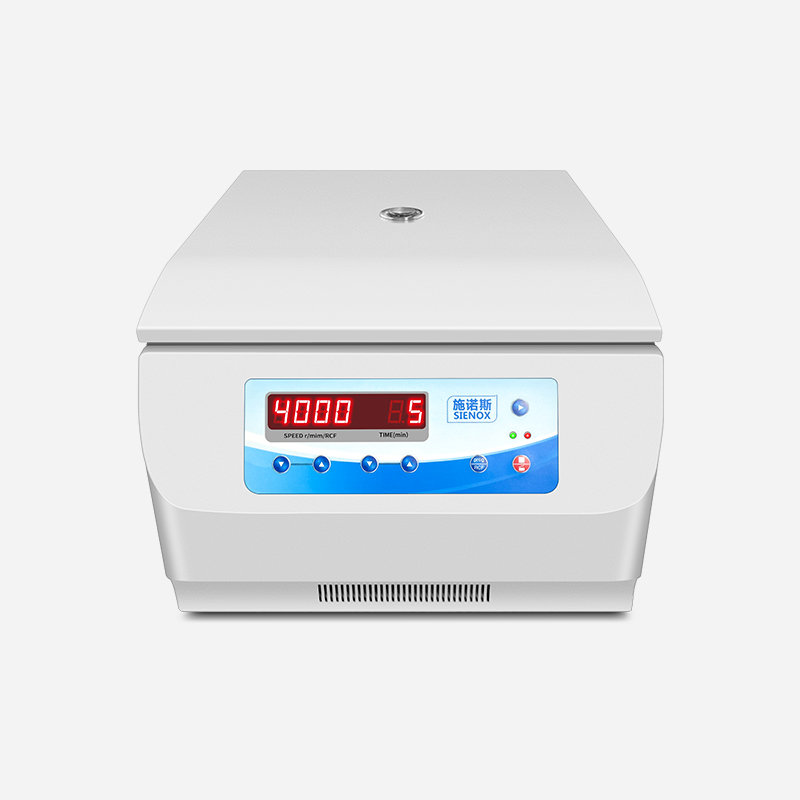
离心脱泡机 SIE-C006
About SIENOX
广州施诺斯(SIENOX),20年脱泡机设备研发与生产的源头厂家
超过1800种材料脱泡案例
纳米级脱泡,满足不同材料多段搅拌除泡需要,支持定制
资质齐全,荣获多项国家专利,联系我们可免费试样