


News

TEL:18925129293


How to solve bubbling and foil exposure during coating of anode slurry?
date:2026-10-22author:小施Anode slurry is mainly composed of graphite, conductive agent, binder and solvent. Graphite features low specific gravity and large specific surface area, while conductive agents consist of fine particles prone to agglomeration. Inadequate mixing leads to poor dispersion. Bubbles trapped in the slurry will form pinholes and foil exposure on coated electrodes, negatively affecting both compaction density and initial Coulombic efficiency. The batch stability of anode materials is largely determined at the slurry preparation stage. For anode production line expansion, mixing and defoaming are usually the first items for process verification.
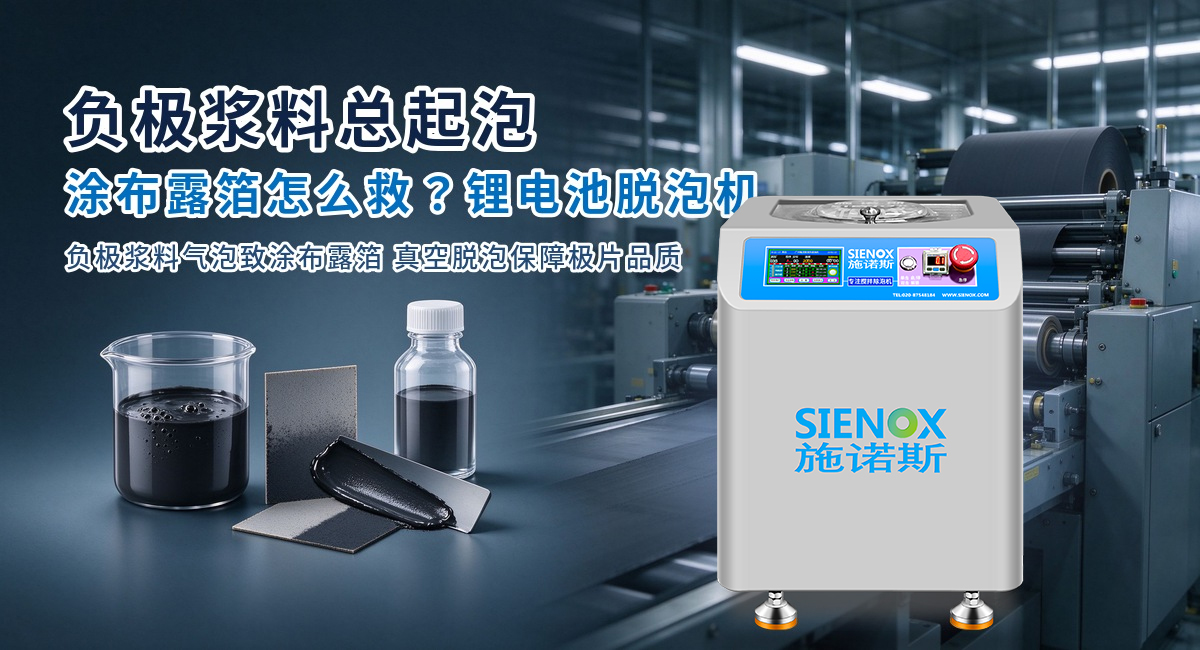
On October 22, Shanshan Co., Ltd. announced a private placement fundraising plan of up to 4 billion RMB, to be fully subscribed by its indirect controlling shareholder Conch Group. Previously, the company disclosed that Inner Mongolia Shanshan Technology would invest approximately 5.106 billion RMB to build an integrated base with an annual output of 150,000 tons of lithium-ion battery anode materials, scheduled to start construction in March 2027. The integrated base integrates graphitization, granulation and coating processes. Slurry lines run at ton-scale throughput. The same formula needs to stably feed multiple coating lines, requiring consistent viscosity and gas content between batches. Faster capacity expansion demands earlier locking of the process window.
Anode material manufacturers usually carry out sample tests with mass-production formulas to confirm the mixing and defoaming window before evaluating scaling parameters. SIENOX engineers have recently received inquiries from many anode material and cell manufacturers, requesting formulation tests to control viscosity fluctuation between batches.
The SIENOX MIX1000PLUS adopts a planetary revolution-rotation structure. Rotational shear fully wets and disperses high-solid-content slurry, while revolutionary centrifugal force pushes bubbles toward the surface. Gas is extracted simultaneously under vacuum (-98KPa), with a maximum speed of 2000 rpm. Temperature control is optional according to material systems. Its 1000 mL processing volume suits pilot tests and pre-mass-production verification for anode slurry, and test results can directly support parameter setting for scaled-up production equipment.
Verified slurry shows no agglomeration or visible bubbles with stable batch-to-batch viscosity. As the integrated anode expansion project approaches construction, vacuum defoaming mixers are well-proven for graphite systems. Process validation for lithium battery defoamers and battery slurry mixers is recommended at the production line planning stage. Relevant parameters are compiled from public industry information; actual test data shall be subject to customer sample verification.
Related recommendations
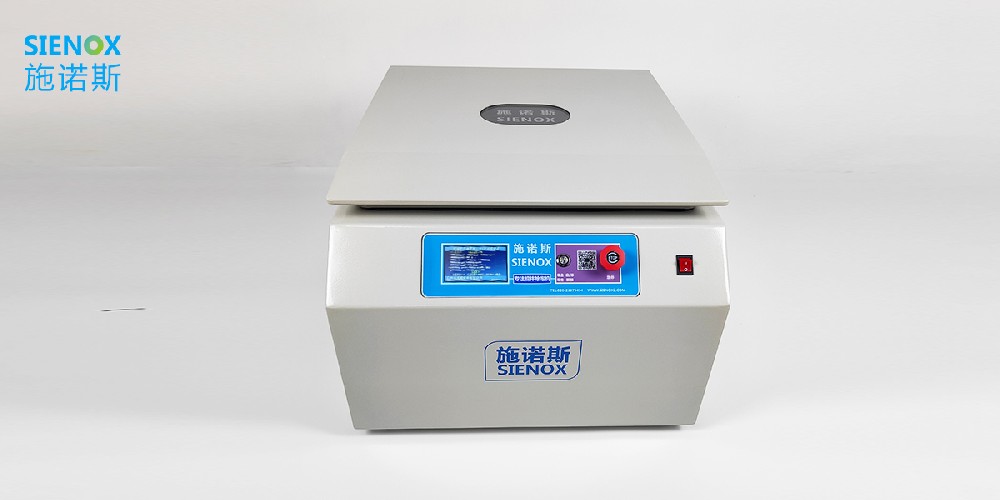
Centrifugal defoaming machine: An efficient tool for both laboratory and factory.

The extensive application fields of planetary defoaming machines.
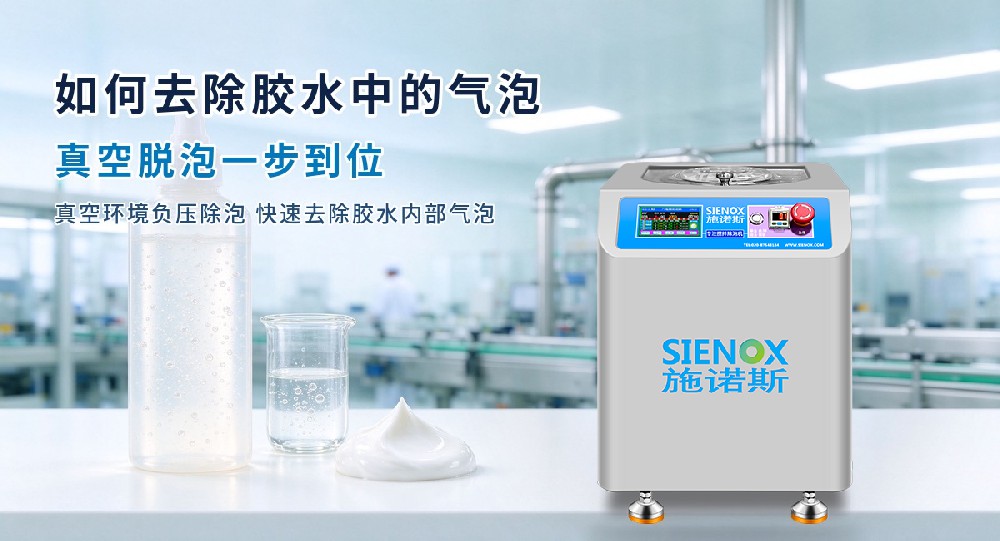
How to remove bubbles from glue

The application of vacuum stirring defoaming machine in the defoaming process of silver paste materials.
Perhaps you still need....
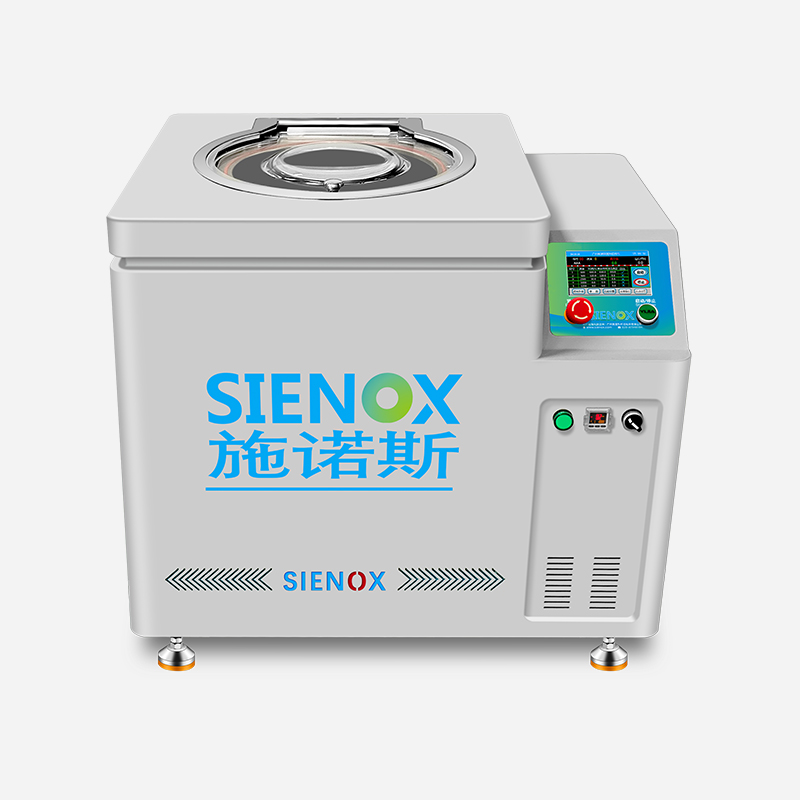
行星式真空脱泡搅拌机 SIE-MIX1000plus
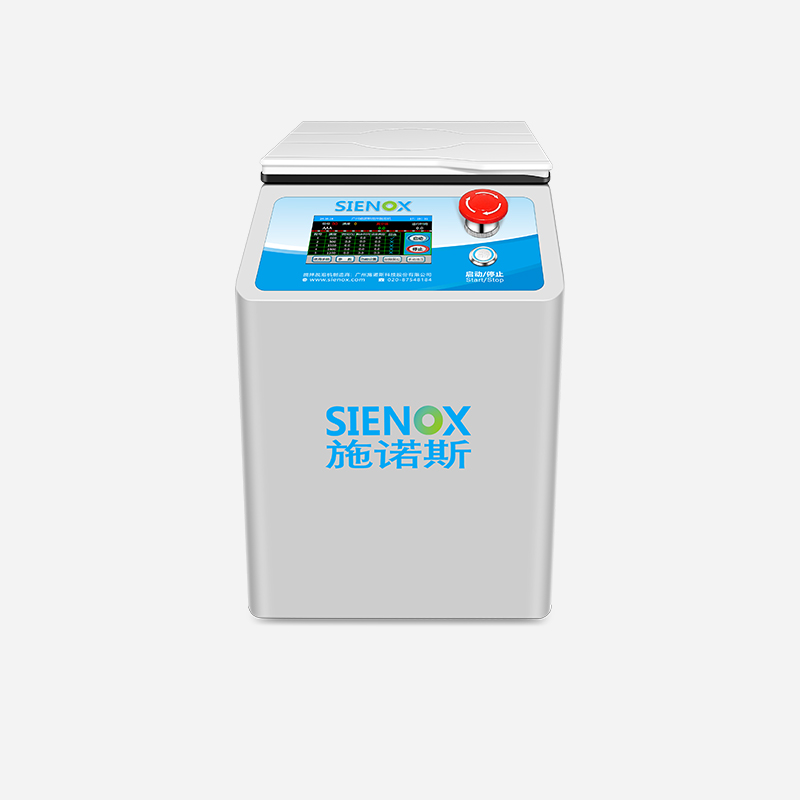
实验室行星式搅拌脱泡机 SIE-SV200
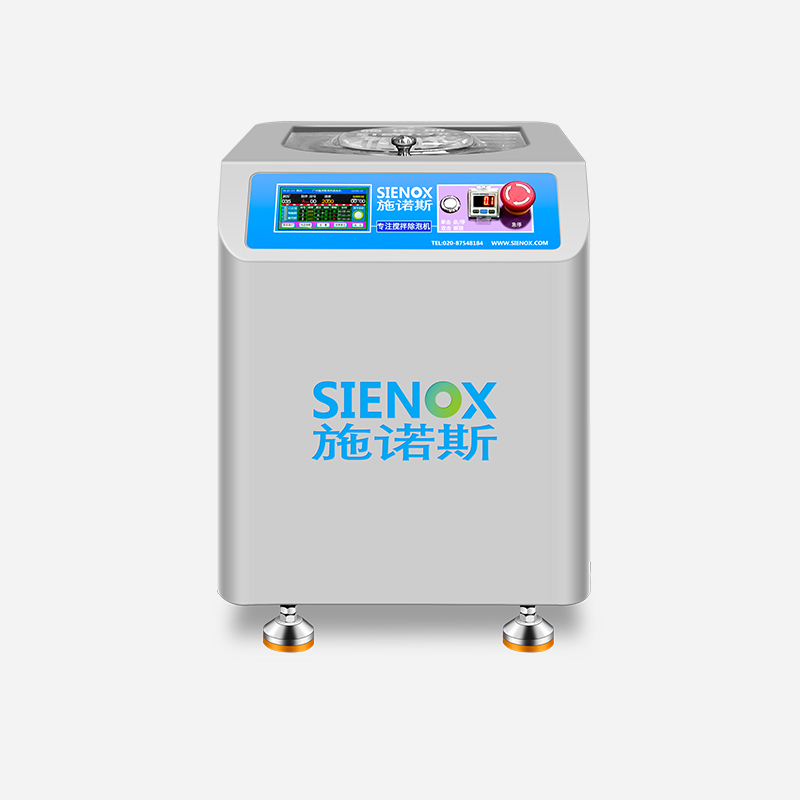
SIENOX行星式脱泡搅拌机 SIE-CV300
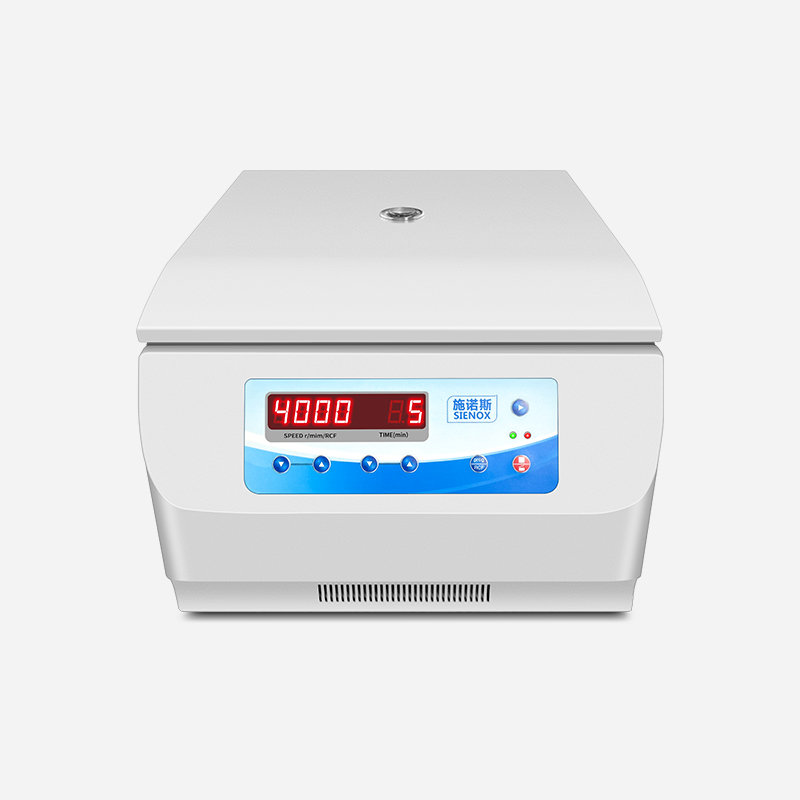
离心脱泡机 SIE-C006
About SIENOX
广州施诺斯(SIENOX),20年脱泡机设备研发与生产的源头厂家
超过1800种材料脱泡案例
纳米级脱泡,满足不同材料多段搅拌除泡需要,支持定制
资质齐全,荣获多项国家专利,联系我们可免费试样