


News

TEL:18925129293


Battery Slurry Mixer: How to Solve Bubbles and Agglomeration of Cathode Slurry?
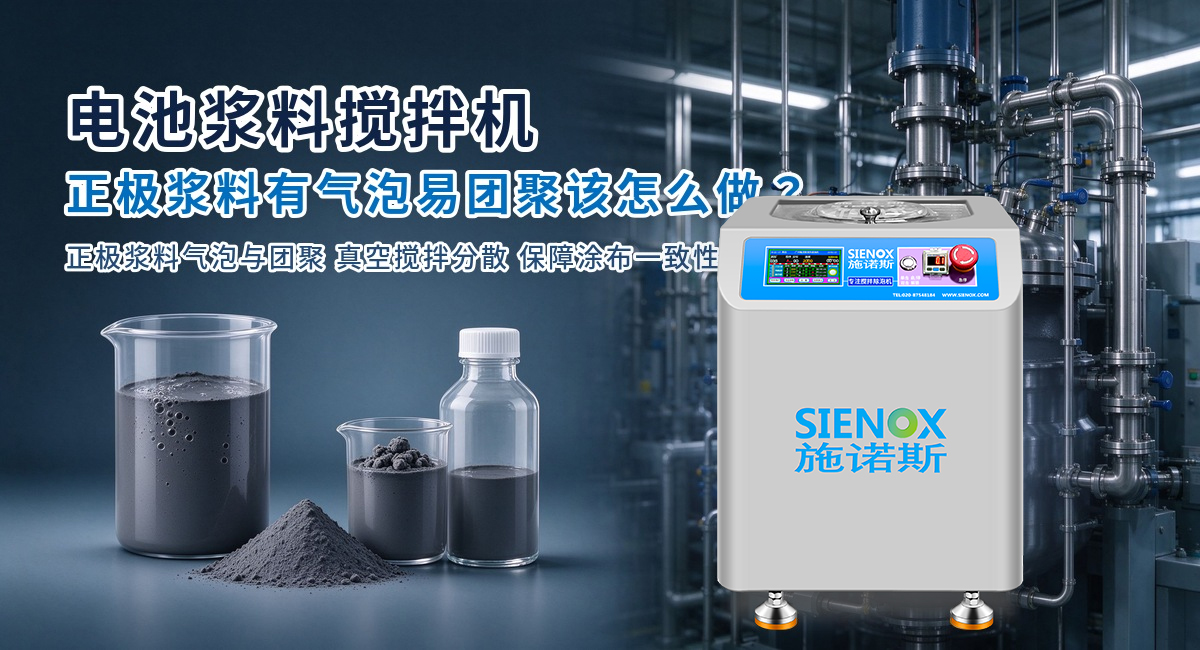
date:2026-10-22author:小施Cathode slurry is a typical high-solid-content system. Particles of lithium iron phosphate and ternary materials are fine and high in specific gravity, which tend to agglomerate when mixed with binders and solvents. If air bubbles are trapped in the slurry, pinholes will form on the coated electrode sheet, and fluctuations in areal density will directly impair capacity consistency. During the ramp-up phase of cathode production lines, slurry batches must remain stable. Otherwise, faster capacity expansion will amplify quality variations, and this is often the bottleneck on material manufacturers’ schedules.
News on October 22: GCL Technology plans to acquire an 81.91% equity stake in GCL Lithium for 2.5 billion RMB to consolidate its cathode material business. Its 150,000-ton capacity at the Renshou base has reached full production, and long-term orders have been secured from leading customers including CATL. After integration, the total capacity will reach 350,000 tons. As cathode materials move from full production to consolidated capacity expansion, outsourced and in-house production lines run in parallel at full capacity, while new line ramp-up and stable supply from existing lines proceed side by side. Whether slurry process development can keep pace with production line construction is the key schedule item being reviewed by material suppliers.
Cathode material manufacturers usually carry out sample verification based on mass-production formulas to define the mixing and defoaming process window before scaling up parameters. SIENOX has recently received inquiries from multiple cathode material manufacturers, who aim to complete slurry defoaming validation before expansion and control gas content within target limits. The SIENOX MIX1000PLUS adopts a planetary structure with revolution and rotation. Rotational shear and revolutionary stirring work together to rapidly wet high-solid-content cathode powder and disperse agglomerates. Defoaming proceeds simultaneously under vacuum (-98 KPa) with a maximum speed of 2000 rpm; temperature control is available as a customized option. Its 1000 mL processing volume supports pilot testing and pre-mass-production verification for cathode slurry, and test results provide references for parameter setting of scaled-up equipment.
Tested slurry shows no agglomeration or visible bubbles, with stable areal density and batch-to-batch performance. The timetable for cathode material expansion includes full-capacity operation and business consolidation. Vacuum defoaming mixers are widely proven for lithium iron phosphate systems. Process validation for battery slurry mixers and slurry defoamers is recommended prior to production line construction. Relevant statements are compiled from public industry information, and actual test data shall be subject to customer trials.
Related recommendations
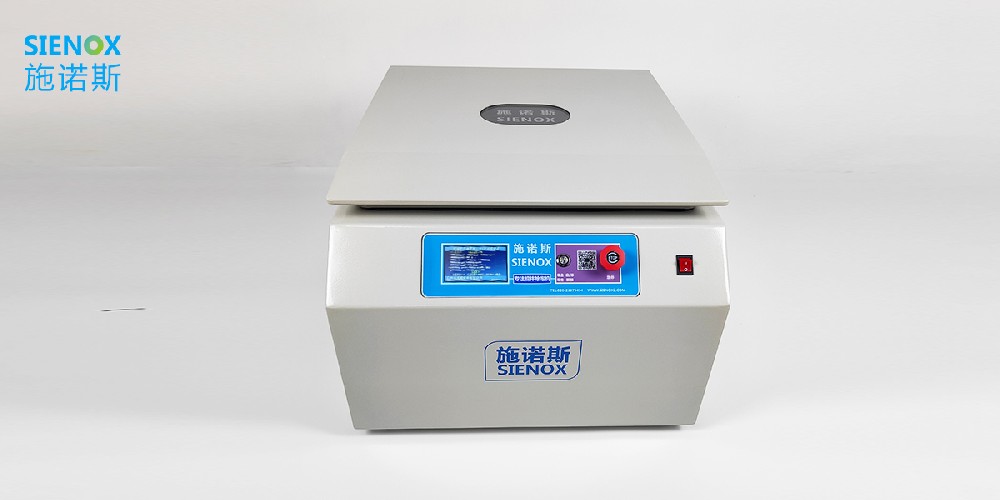
Centrifugal defoaming machine: An efficient tool for both laboratory and factory.
The extensive application fields of planetary defoaming machines.
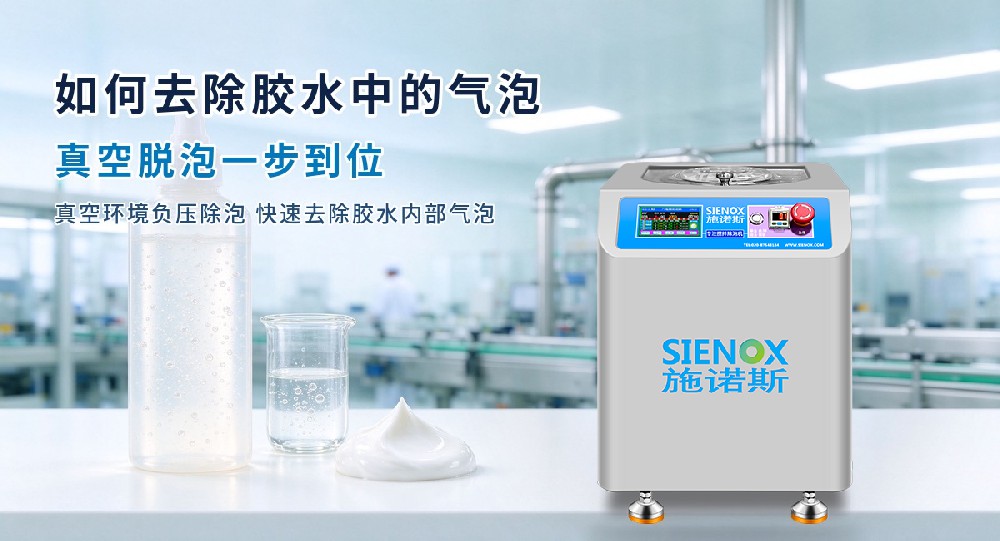
How to remove bubbles from glue
The application of vacuum stirring defoaming machine in the defoaming process of silver paste materials.
Perhaps you still need....
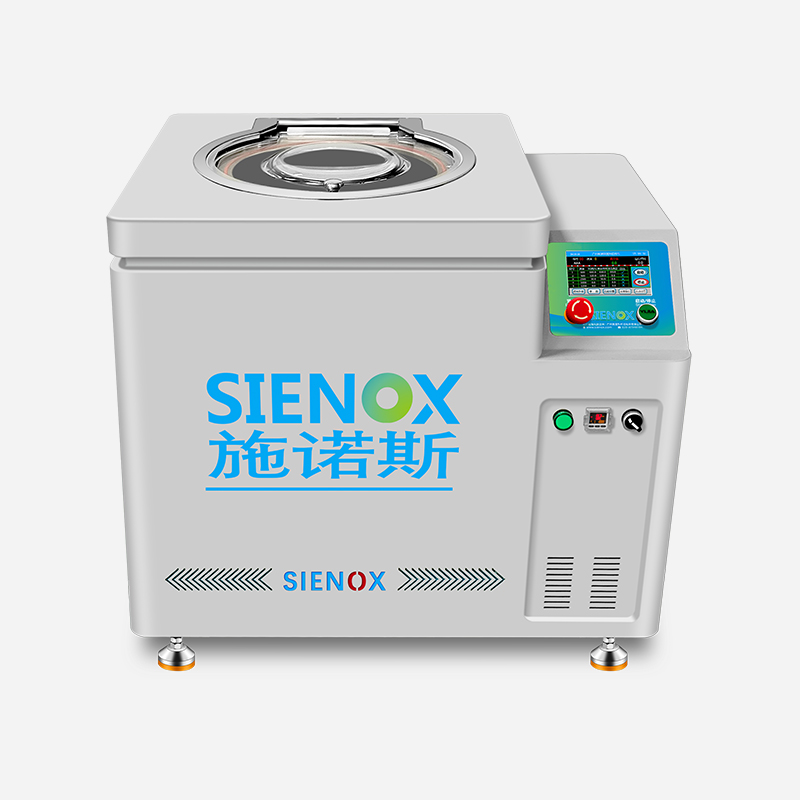
行星式真空脱泡搅拌机 SIE-MIX1000plus
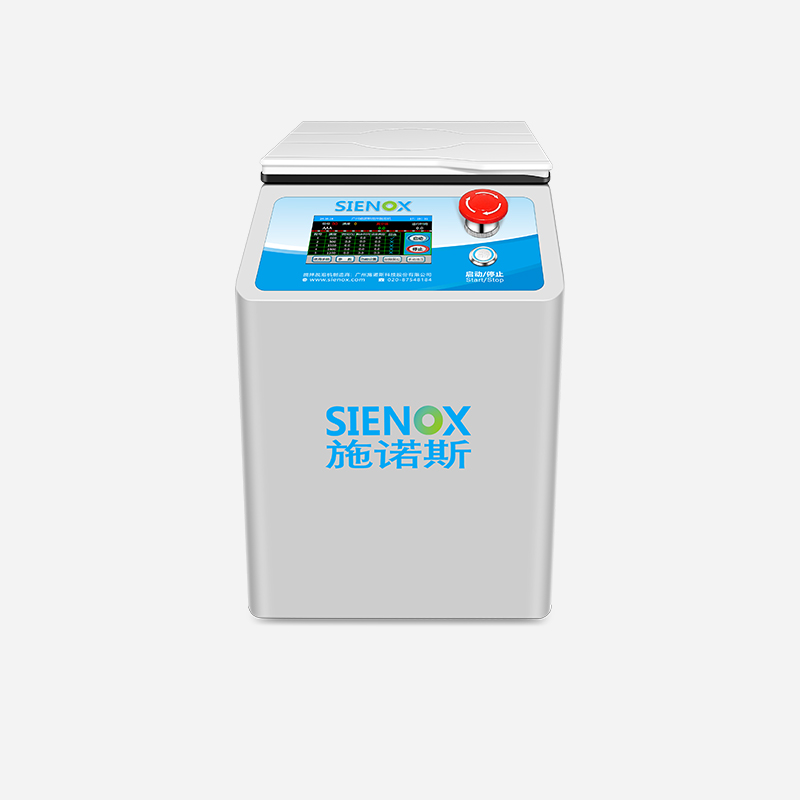
实验室行星式搅拌脱泡机 SIE-SV200
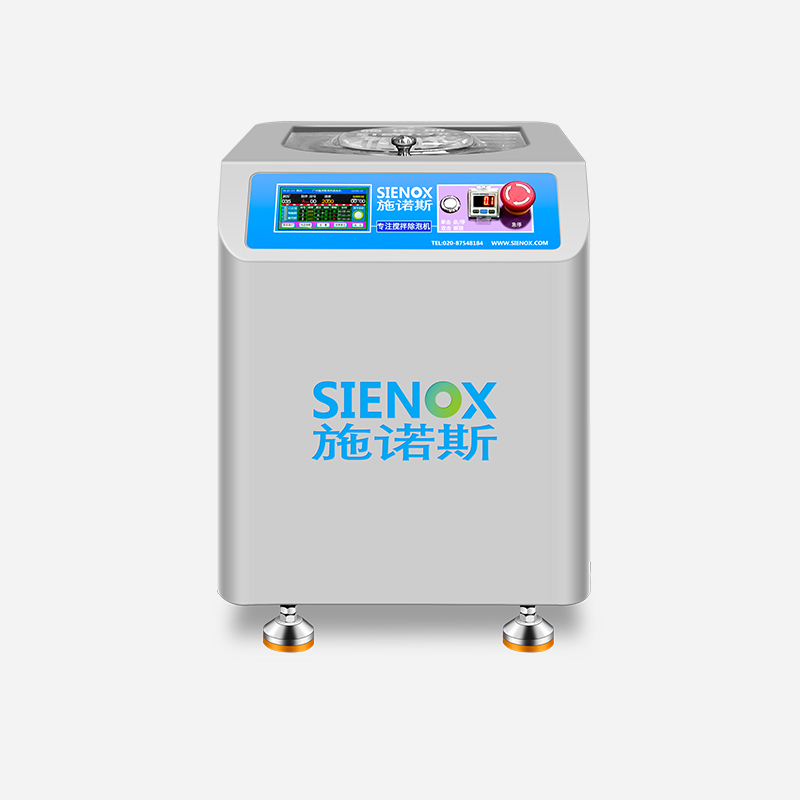
SIENOX行星式脱泡搅拌机 SIE-CV300
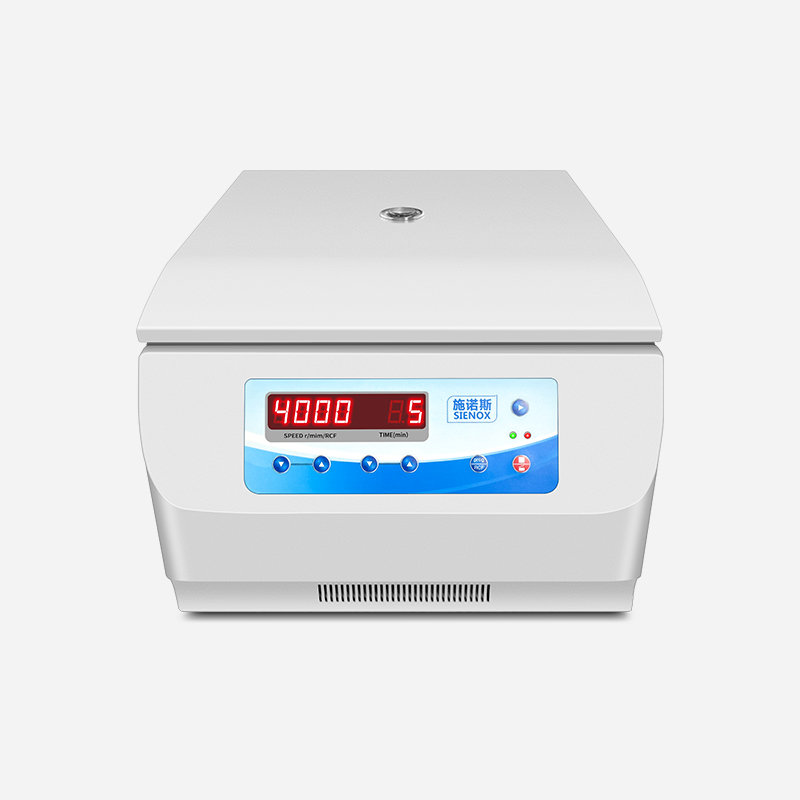
离心脱泡机 SIE-C006
About SIENOX
广州施诺斯(SIENOX),20年脱泡机设备研发与生产的源头厂家
超过1800种材料脱泡案例
纳米级脱泡,满足不同材料多段搅拌除泡需要,支持定制
资质齐全,荣获多项国家专利,联系我们可免费试样