


News

TEL:18925129293


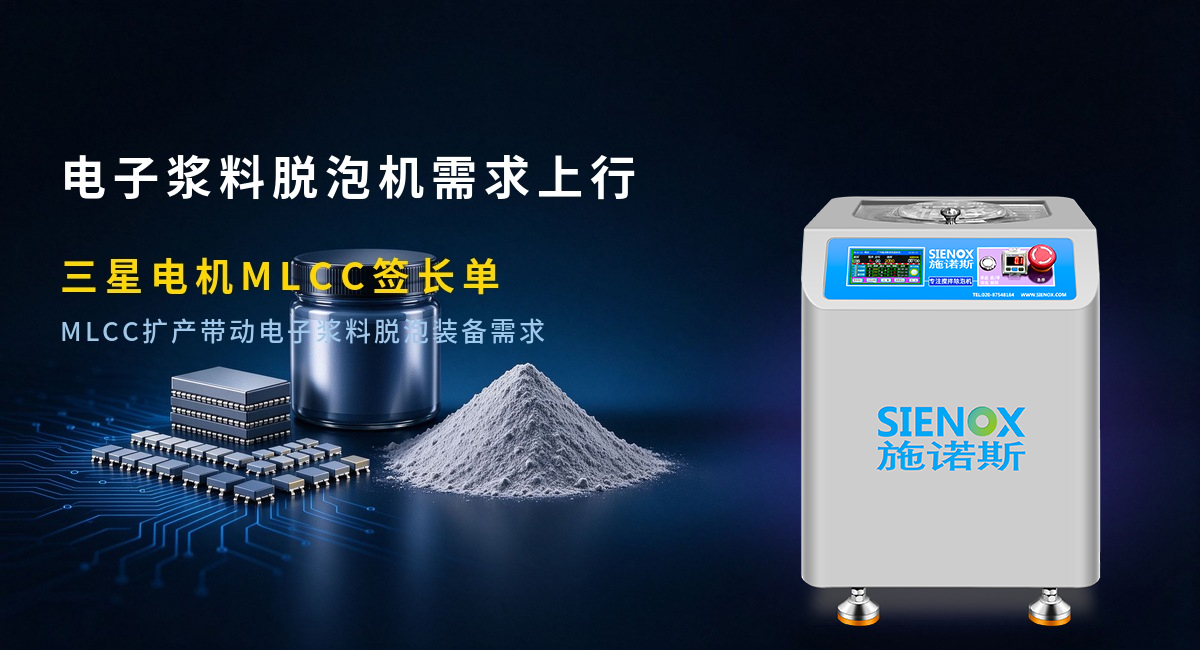
Electronic Slurry Defoaming Machines Benefit from $210 Million MLCC Long-Term Order
date:2026-10-13author:小施On October 6, Samsung Electro-Mechanics announced that it had signed an MLCC supply contract for AI servers with a large global enterprise, worth approximately 210 million US dollars for the full year of 2027. A single AI server consumes several times more MLCCs than a standard server. The supply of high-capacity MLCCs remains tight, and the booming industrial chain drives rising defoaming demand in the preparation of upstream ceramic slurry and electrode slurry. The supporting application scope of electronic slurry defoaming machines on MLCC material production lines is expanding accordingly.
Solution Background
An enterprise engaged in the R&D of MLCC ceramic slurry and inner electrode slurry needed rapid defoaming and dispersion verification for high-solid-content ceramic slurry during new formula introduction. In MLCC production, ceramic slurry undergoes tape casting, electrode printing, stacking and sintering. Residual bubbles in the slurry will form pinholes on cast films and defect spots after sintering, directly affecting capacitance consistency and reliability. The customer’s original equipment suffered uneven dispersion, incomplete defoaming and time-consuming cleaning when handling high-solid-content slurry. They intended to improve R&D and small-batch pilot production efficiency with SIENOX slurry defoaming machines.
Processing Challenges
MLCC ceramic slurry features high solid content and fine powder particles. Its viscosity rises sharply with higher solid content, and bubbles trapped within the fine particle system are harder to escape. Meanwhile, extremely strict requirements are imposed on slurry dispersion uniformity; agglomeration will cause particle protrusions on cast film surfaces. The feeding volume per batch is small in laboratory and pilot stages with frequent formula iterations. The equipment needs quick cup replacement and cleaning to prevent cross-contamination between different formulas. Temperature control is an optional customization for electronic slurry processes. Some sensitive formulas require defoaming under constant temperature, and SIENOX can provide temperature control modules upon request.
Why Choose SIENOX Equipment
SIENOX vacuum defoaming mixer adopts planetary revolution and rotation combined with vacuum defoaming. Revolution drives the slurry to flow steadily along the container wall, while rotation stirs the interior of the slurry. Microbubbles inside high-solid-content slurry continuously migrate to the liquid surface under dual motion and are extracted under vacuum. No stirring blades are inserted during processing, preventing new bubbles and secondary shearing of powder. The MIX60 model is selected for this case, with a processing volume of 300ml, vacuum degree of -98KPa and maximum rotation speed of 2000rpm. It covers common parameter windows for lab-scale tests and small-batch trial production of ceramic and electrode slurries. The defoaming cup can be quickly replaced after each run, suitable for parallel verification of multiple formulas.
Processing Procedure
Technicians weigh ceramic powder and organic carriers according to the formula and pre-mix them inside the defoaming cup before positioning the cup in the equipment. The vacuum degree is set to -98KPa, and revolution & rotation speed ratio is set based on typical parameters for high-solid slurry. The machine performs planetary mixing and defoaming synchronously under vacuum. The speed ratio is fine-tuned according to slurry viscosity and bubble escape status. Custom temperature control module is activated for temperature-sensitive formulas to ensure defoaming within the target temperature range. After processing, the cup is removed, and small slurry samples are taken for tape casting test and viscosity re-measurement.
Processing Results
Bubbles in treated ceramic slurry are greatly reduced. Pinholes and particle defects on cast test films are decreased compared with the original process, shortening formula iteration cycles. The customer later deployed MIX60 for parallel verification and small-batch supply of multiple new formulas, and reserved space for larger-capacity models in mass production line planning. With the execution of long-term AI server MLCC agreements and capacity expansion of high-end MLCCs, the demand for electronic slurry defoaming machines will keep growing in ceramic material and electrode slurry sectors.
Related recommendations
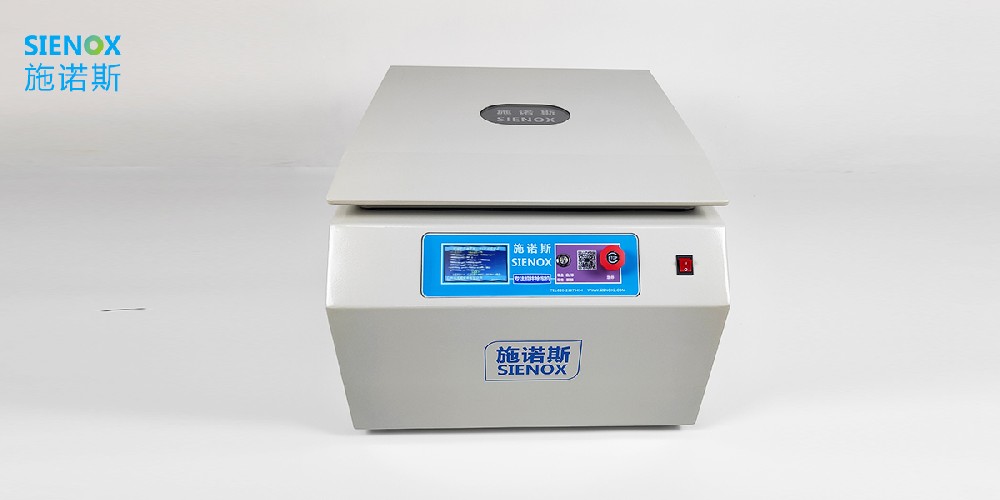
Centrifugal defoaming machine: An efficient tool for both laboratory and factory.
The extensive application fields of planetary defoaming machines.
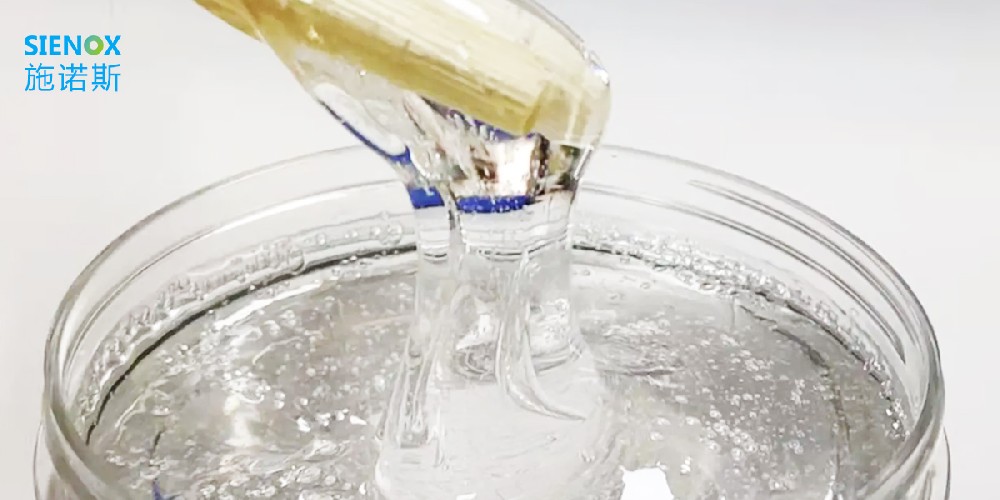
How to remove bubbles from glue
The application of vacuum stirring defoaming machine in the defoaming process of silver paste materials.
Perhaps you still need....
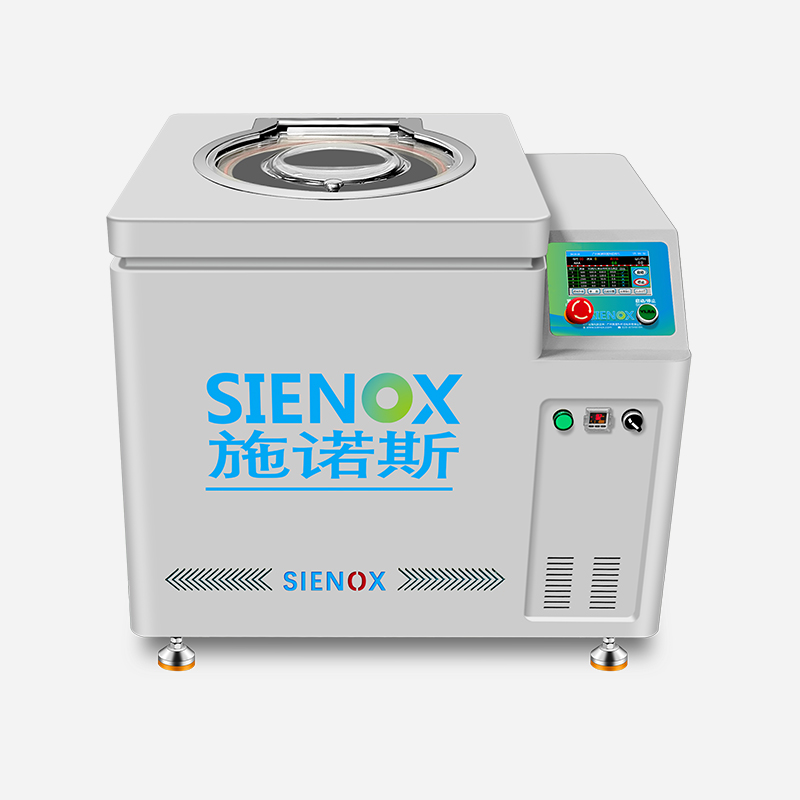
行星式真空脱泡搅拌机 SIE-MIX1000plus
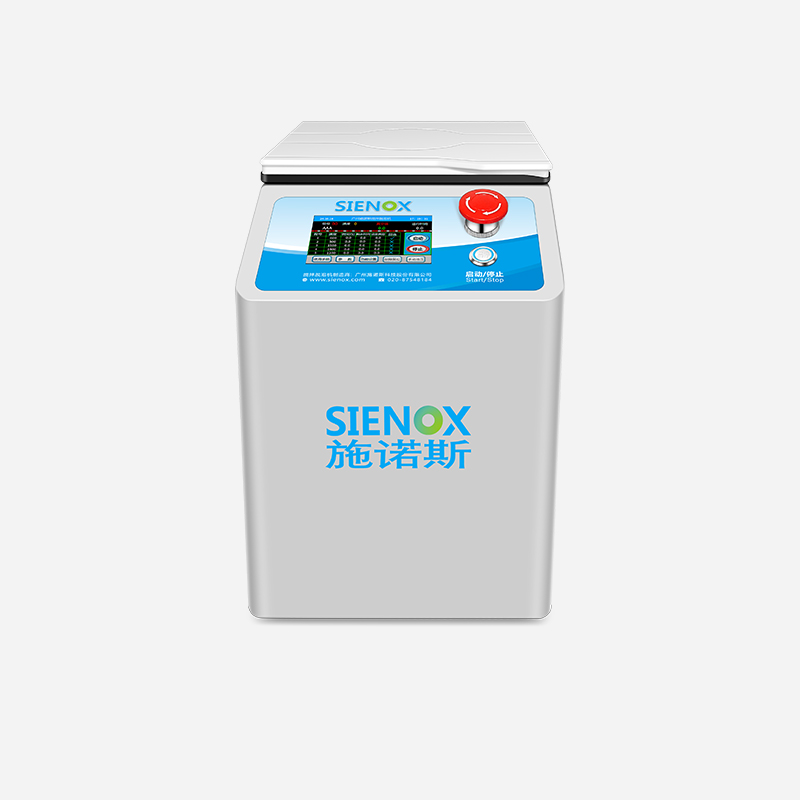
实验室行星式搅拌脱泡机 SIE-SV200
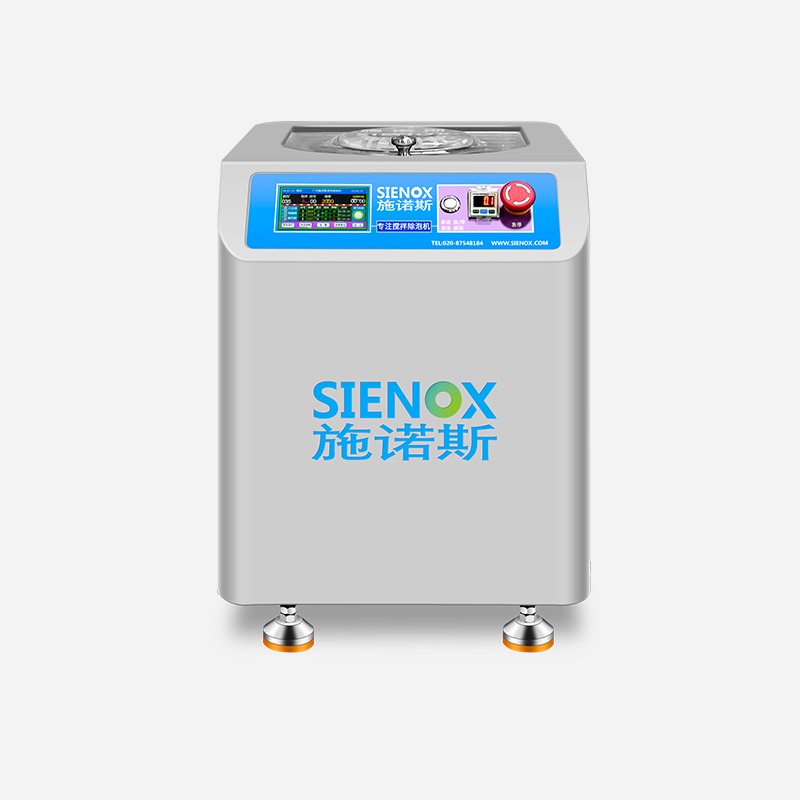
SIENOX行星式脱泡搅拌机 SIE-CV300
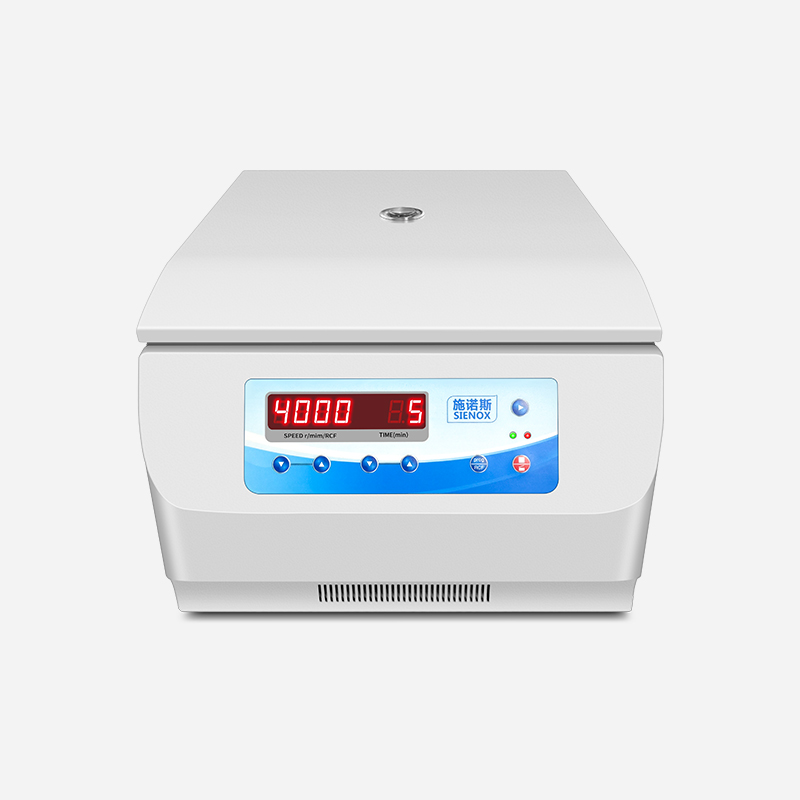
离心脱泡机 SIE-C006
About SIENOX
广州施诺斯(SIENOX),20年脱泡机设备研发与生产的源头厂家
超过1800种材料脱泡案例
纳米级脱泡,满足不同材料多段搅拌除泡需要,支持定制
资质齐全,荣获多项国家专利,联系我们可免费试样