


News

TEL:18925129293


Supporting Demand for Lithium Battery Defoaming Machines Expands While Sodium-Ion Battery Equipment Investment Accelerates
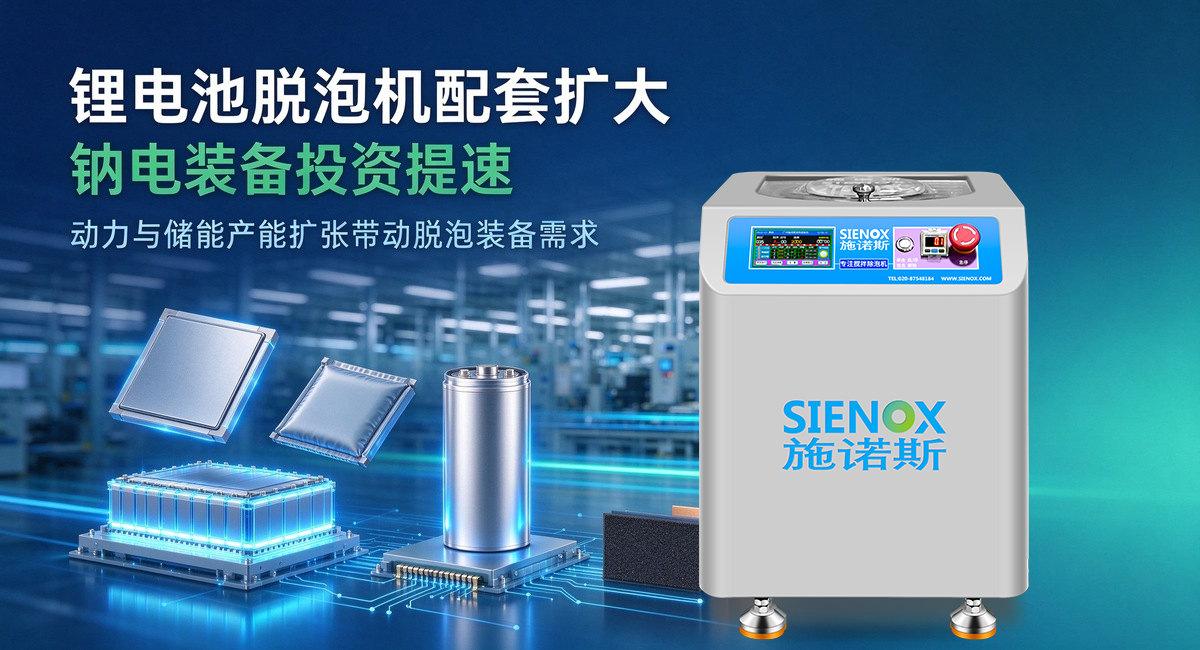
date:2026-10-13author:小施Jinyinhe announced on the evening of September 27 that it plans to raise no more than 1.5 billion yuan through private placement. The funds will be invested in industrialization projects of high-end intelligent equipment for sodium-ion batteries, consumer lithium batteries, solid-liquid batteries and new energy storage batteries, as well as the R&D and construction of high-end intelligent equipment for dry electrodes and solid-state batteries. Large-scale investment in battery equipment has significantly raised attention to the demand for slurry processing equipment such as lithium battery defoaming machines.
The industrialization of sodium-ion batteries is shifting from demonstration to large-scale production. The EIA for Zhenli New Energy’s 10 billion-yuan sodium-ion battery project has been approved, with a planned annual output of 50GWh. CATL has released its first mass-produced sodium-ion battery for light commercial vehicle scenarios. Leading enterprises are making intensive layouts. The cathode and anode slurries of sodium-ion batteries feature high solid content and high viscosity, similar to lithium battery slurries. Residual air bubbles will be brought into the electrode coating process, forming defects such as pinholes and exposed foil, directly affecting cell consistency and cycle life. Therefore, slurry defoaming is a process that must be confirmed during production line construction.
Solution Background
Take a newly built pilot line of a sodium-ion battery material enterprise in South China as an example. Its cathode slurry batch weighs about 800g with solid content close to 70%. Fine bubbles exist both on the surface and inside the slurry after conventional stirring, which cannot be completely removed by static standing.
Processing Challenges
Sodium-ion battery cathode slurry has high solid content and high viscosity. The bubbles are tiny and stable, and hard to eliminate completely by static standing. Residual bubbles will enter the electrode coating process and cause defects including pinholes and exposed foil, directly affecting cell consistency and cycle life.
Why Choose SIENOX Equipment
SIENOX adopts the MIX1000PLUS model for the solution, with a processing volume of 1000ml, working vacuum of -98KPa and revolution speed of 2000rpm. It uses planetary revolution and rotation combined with vacuum defoaming method to verify the slurry treatment process at the pilot stage.
Processing Procedure
The slurry undergoes planetary revolution and rotation movement under vacuum environment: centrifugal force from revolution pushes the slurry to roll along the container wall, while shear force from rotation breaks up agglomerated particles and turns over the whole slurry. Air bubbles expand and precipitate under negative pressure. The slurry temperature during processing can be adjusted as required via an optional temperature control module. This customized function needs separate confirmation during equipment selection.
Processing Results
Single-batch processing time is controlled within several minutes. The discharged slurry has a smooth surface without visible bubbles, and the batch-to-batch viscosity consistency meets subsequent coating requirements. The pilot data provides references for equipment selection of follow-up large-scale production lines.
From the perspective of industrial chain, investment in sodium-ion battery equipment and cell capacity construction are advancing simultaneously. Layouts by enterprises such as Jinyinhe and Changyi Sodium Battery in equipment and production capacity reflect the industry’s preparation for large-scale delivery. Slurry preparation is a front-end procedure affecting electrode quality. Once the equipment model is confirmed, it will be used for a long time on the production line. Completing defoaming equipment verification at the pilot stage helps leading enterprises obtain opportunities for subsequent volume expansion.
The accelerated commercialization of sodium-ion batteries drives continuous increased investment in battery equipment. As a front-end guarantee for cell quality, the demand for slurry defoaming equipment will keep growing with the launch of new production lines. Manufacturers of lithium battery defoaming machines with mature planetary vacuum mixing and defoaming capability are expected to gain more supporting opportunities during the large-scale capacity expansion cycle of sodium-ion batteries.
Related recommendations
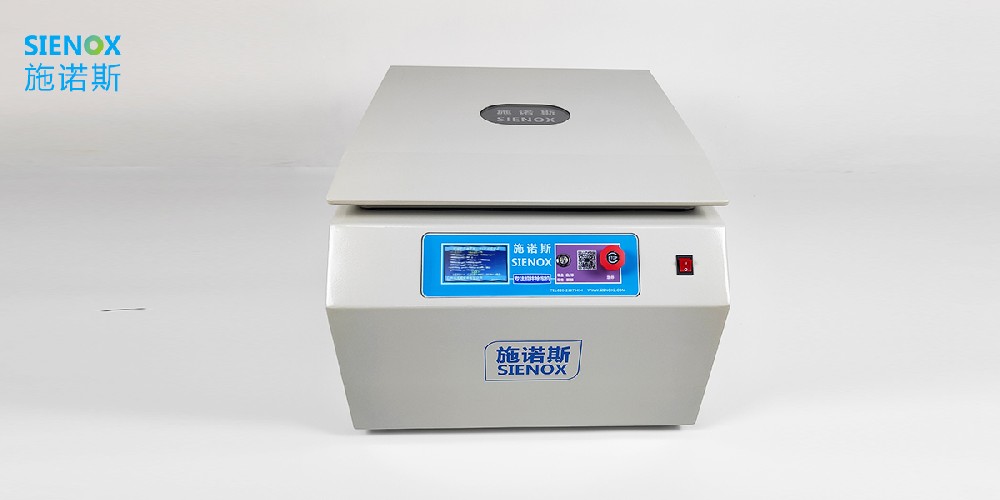
Centrifugal defoaming machine: An efficient tool for both laboratory and factory.
The extensive application fields of planetary defoaming machines.
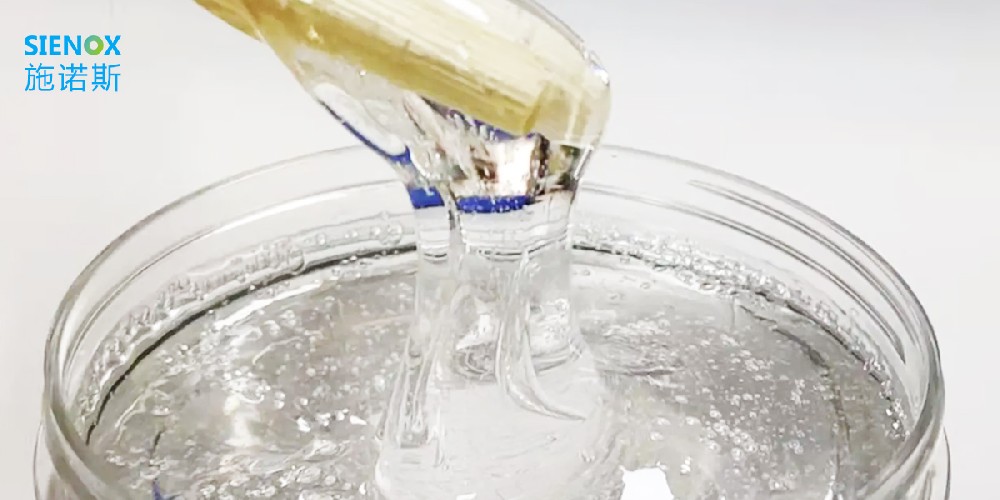
How to remove bubbles from glue
The application of vacuum stirring defoaming machine in the defoaming process of silver paste materials.
Perhaps you still need....
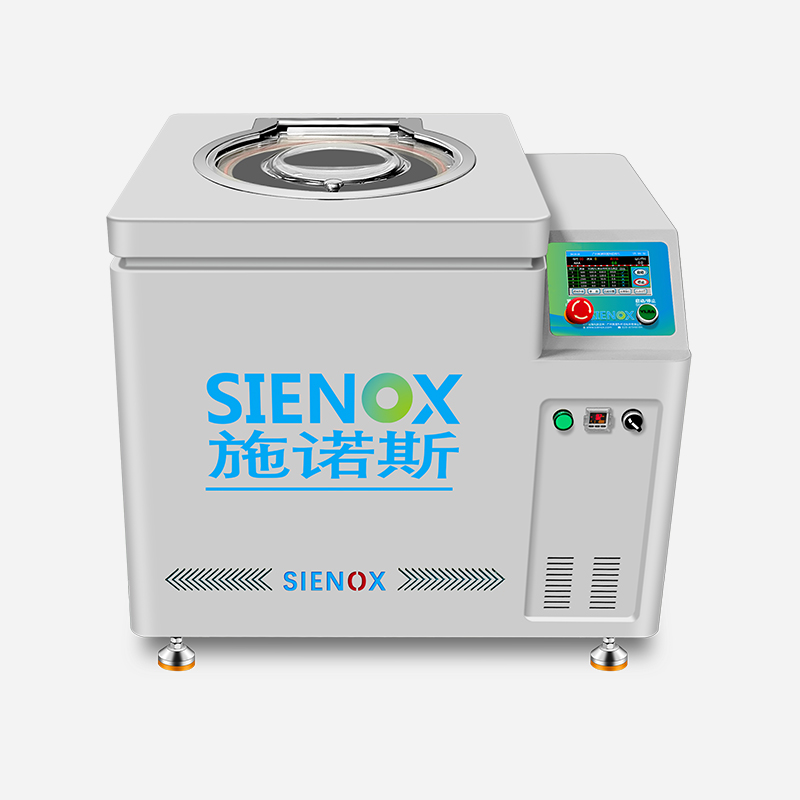
行星式真空脱泡搅拌机 SIE-MIX1000plus
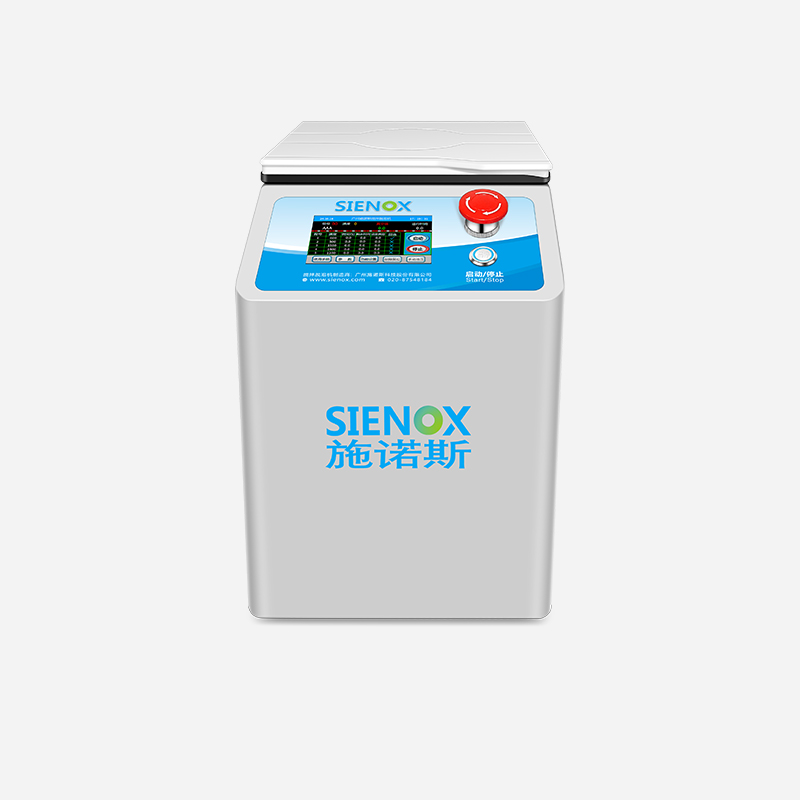
实验室行星式搅拌脱泡机 SIE-SV200
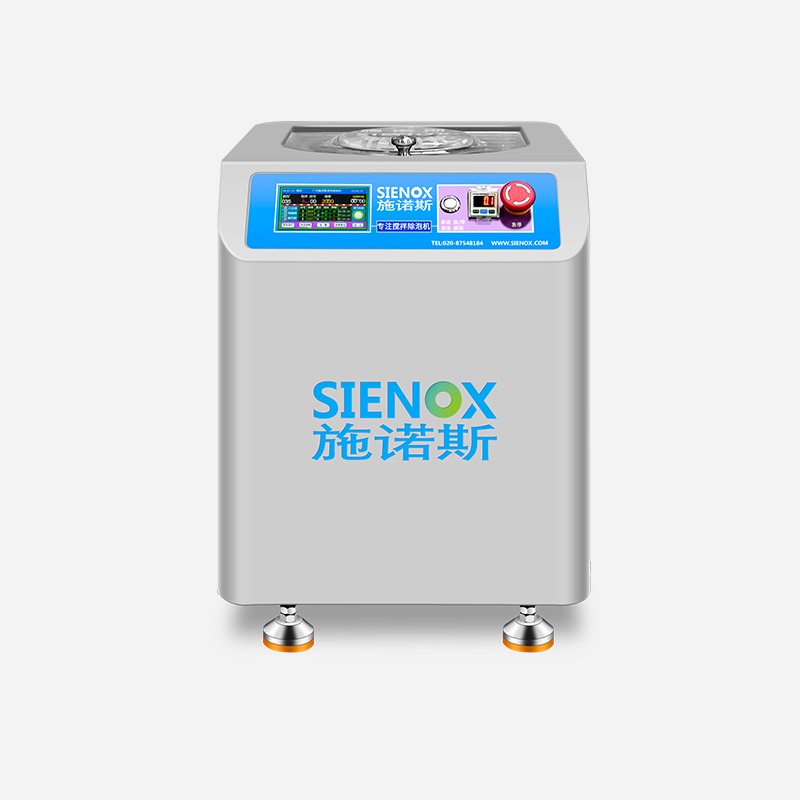
SIENOX行星式脱泡搅拌机 SIE-CV300
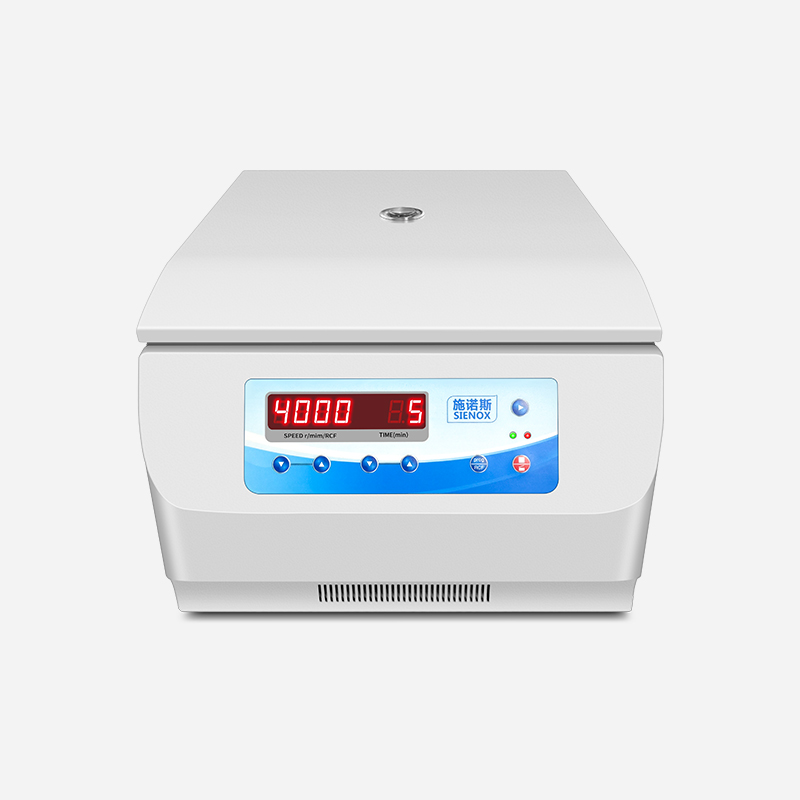
离心脱泡机 SIE-C006
About SIENOX
广州施诺斯(SIENOX),20年脱泡机设备研发与生产的源头厂家
超过1800种材料脱泡案例
纳米级脱泡,满足不同材料多段搅拌除泡需要,支持定制
资质齐全,荣获多项国家专利,联系我们可免费试样