


News
TEL:18925129293


Supporting Demand for Lithium Battery Defoaming Machines Expands as Sodium-Ion Battery Commercialization Accelerates
date:2026-10-13author:小施The bid winning result of the 100MW/400MWh hybrid energy storage project in Renqiu, Hebei has been publicized. The bid price of the sodium-ion energy storage system is 1.035 RMB/Wh, twice that of the lithium iron phosphate bid section. Sodium-ion batteries have taken a key commercial step in large-scale energy storage scenarios, which has significantly raised attention to the demand for battery slurry processing equipment such as lithium battery defoaming machines.
The cost of sodium-ion batteries is gradually decreasing, and their advantages in low-temperature performance and cost have been verified in energy storage scenarios. Leading enterprises have shifted capacity construction from demonstration projects to large-scale delivery. According to Guojin Securities, 2026 marks a critical commercial inflection point for sodium-ion batteries as they transition from industrial demonstration to large-scale implementation. With project bidding and capacity construction advancing simultaneously, supporting demands from upstream and downstream industrial chains are expanding.
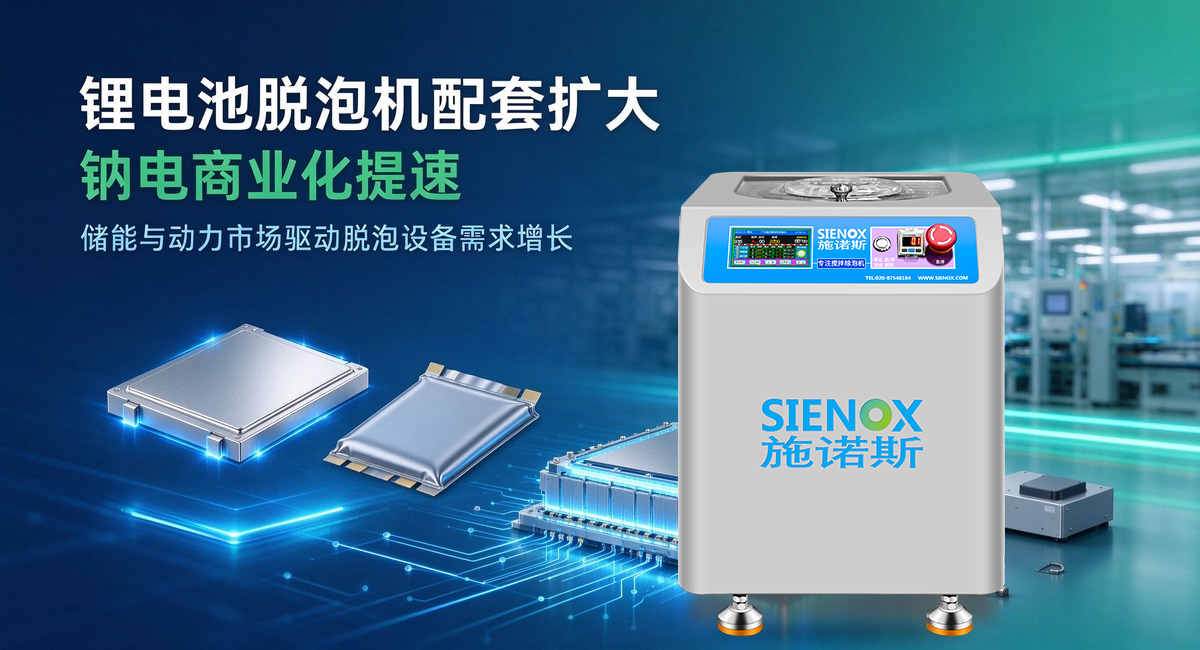
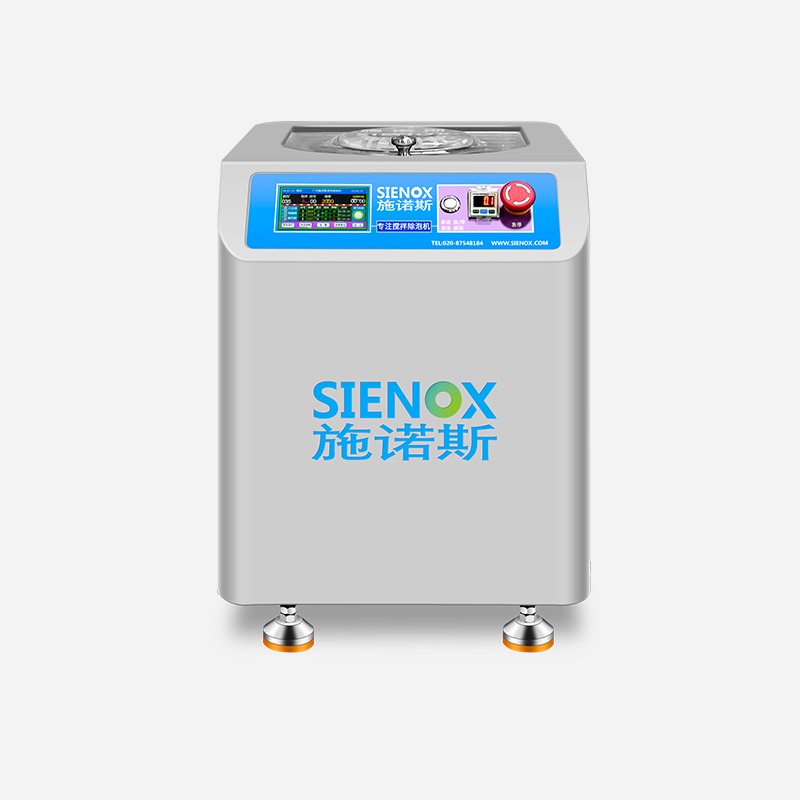
Battery slurry preparation is a front-end process affecting electrode sheet quality. Cathode and anode slurries have high solid content and high viscosity. Active materials, conductive agents and binders need to be fully dispersed. If residual bubbles in the slurry are carried into the coating process, defects such as pinholes and exposed foil will form on the electrode surface, directly affecting cell consistency and cycle performance. Similar to lithium battery slurries, sodium-ion battery cathode and anode slurries also face processing challenges of high solid content and high viscosity. SIENOX lithium battery defoaming machine combines planetary revolution and rotation motion with vacuum environment. Materials are subjected to revolutionary centrifugal force and rotational shear force inside the container at the same time. Vacuum negative pressure helps discharge air bubbles. It is suitable for mixing and defoaming treatment of high-viscosity materials such as battery slurry, covering multiple stages from laboratory R&D to pilot production, helping battery enterprises stably control slurry batch consistency.
In terms of industrialization progress, the mass implementation of sodium-ion battery energy storage projects will drive the construction of cell and material production capacity. The bid price of the Renqiu project indicates that the system integration cost of sodium-ion batteries is approaching the commercially acceptable range. Subsequent orders are expected to drive the construction of more production lines, and the demand for slurry processing equipment will be gradually released along with production line launch.
The commercial inflection point of sodium-ion batteries is arriving. As a front-end process affecting cell quality, battery slurry defoaming will see continuous growth in equipment demand alongside capacity construction. Manufacturers of lithium battery defoaming machines with stable defoaming capability are expected to obtain more supporting opportunities in the large-scale capacity expansion cycle of sodium-ion batteries.
Related recommendations
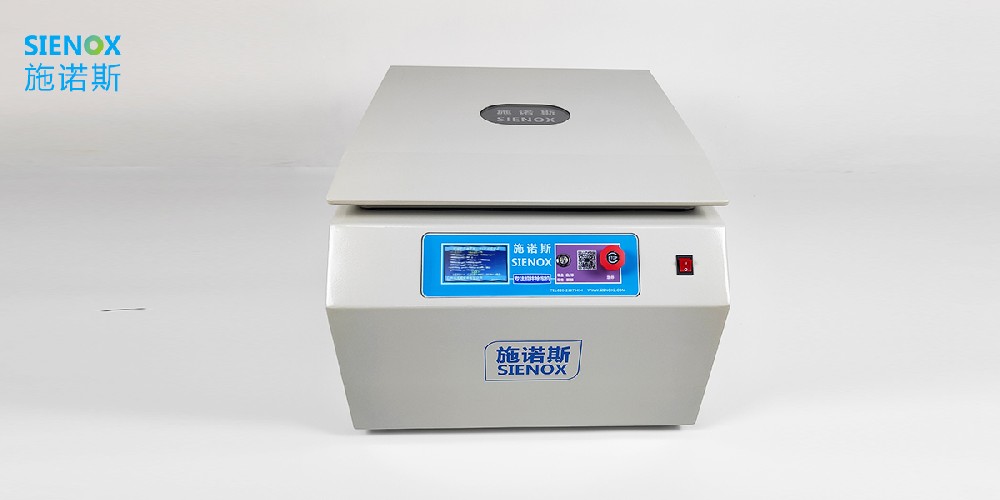
Centrifugal defoaming machine: An efficient tool for both laboratory and factory.
The extensive application fields of planetary defoaming machines.
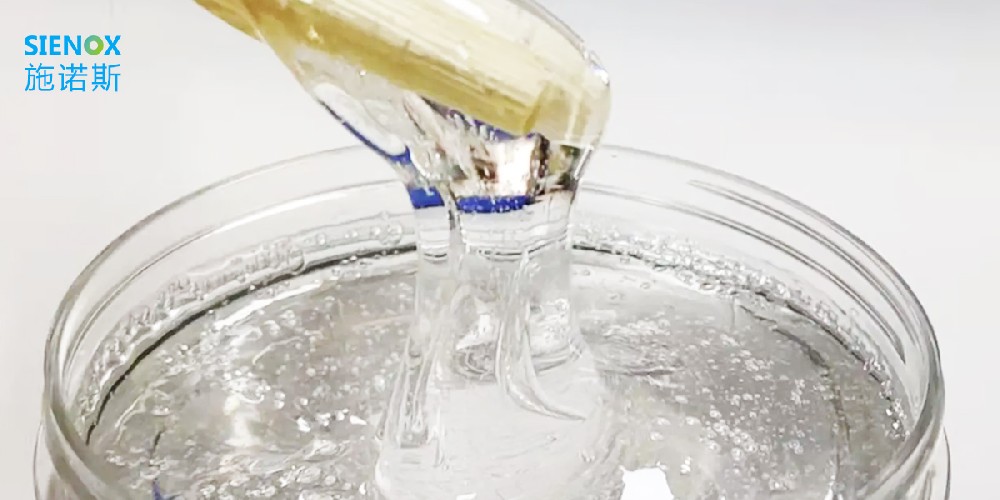
How to remove bubbles from glue
The application of vacuum stirring defoaming machine in the defoaming process of silver paste materials.
Perhaps you still need....
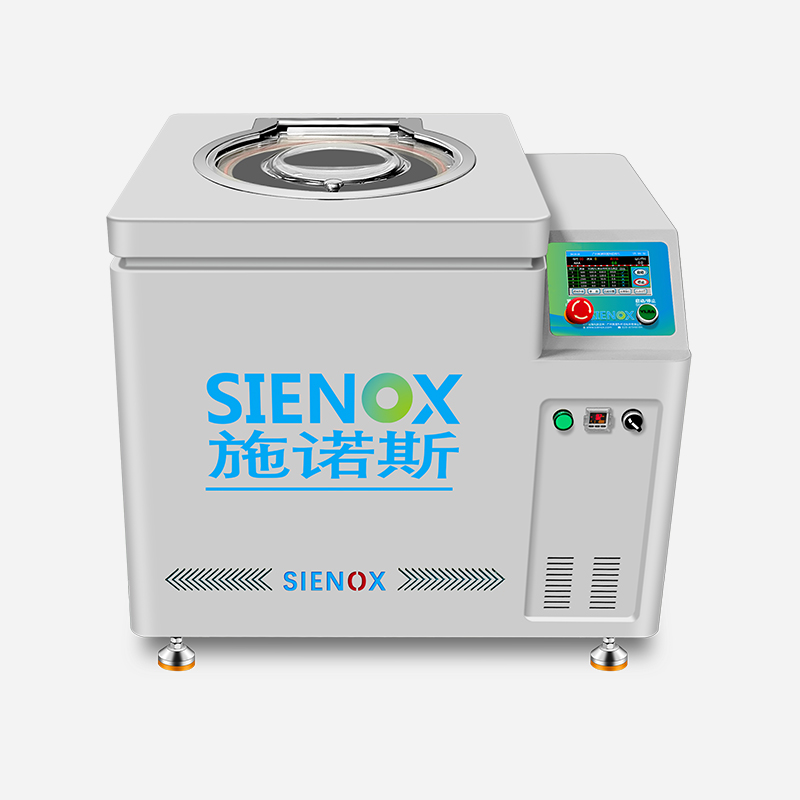
行星式真空脱泡搅拌机 SIE-MIX1000plus
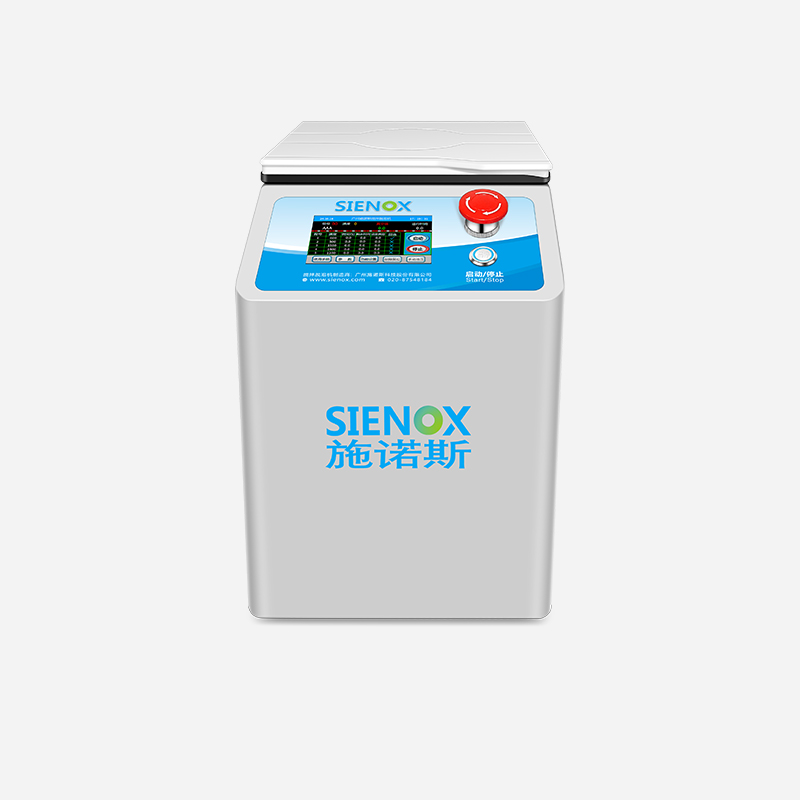
实验室行星式搅拌脱泡机 SIE-SV200
SIENOX行星式脱泡搅拌机 SIE-CV300
离心脱泡机 SIE-C006
About SIENOX
广州施诺斯(SIENOX),20年脱泡机设备研发与生产的源头厂家
超过1800种材料脱泡案例
纳米级脱泡,满足不同材料多段搅拌除泡需要,支持定制
资质齐全,荣获多项国家专利,联系我们可免费试样