


News

TEL:18925129293


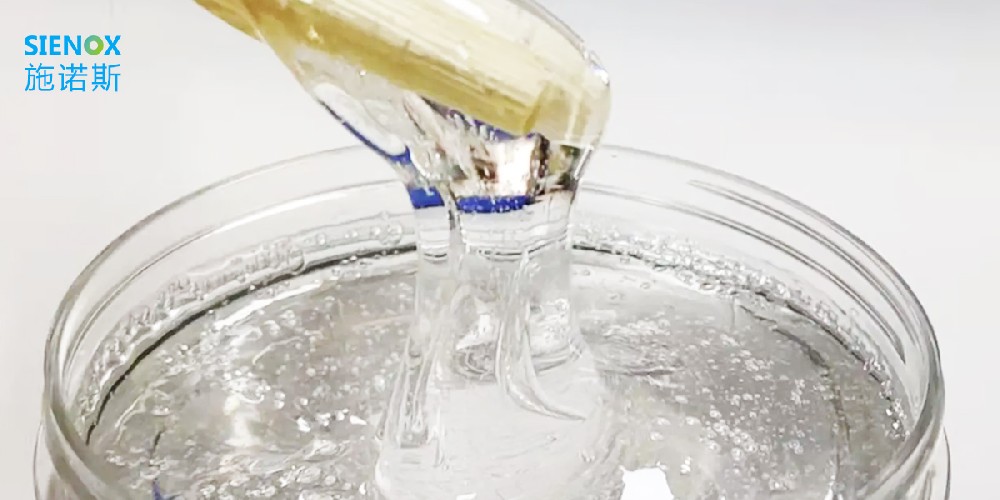
How to solve the bubble problem in AB glue
date:2026-09-18author:小施When using AB glue, bubbles may sometimes appear in the glue, which not only affects the appearance but also impairs the performance and bonding effect of the glue. Below are methods to solve the bubble problem in AB glue.
I. Proper Stirring Method
When mixing Part A and Part B of AB glue, stir slowly and evenly. Avoid violent stirring, as vigorous mixing tends to trap air into the glue and create bubbles. A glass rod or plastic rod can be used for gentle circular stirring to ensure thorough mixing of the two components.
II. Standing for a Period of Time
Do not use the mixed AB glue immediately. Let it stand for a while. During standing, small bubbles in the glue will gradually rise and burst. The standing time can be determined according to the glue specification and actual conditions, generally ranging from several minutes to more than ten minutes.
III. Defoaming Treatment
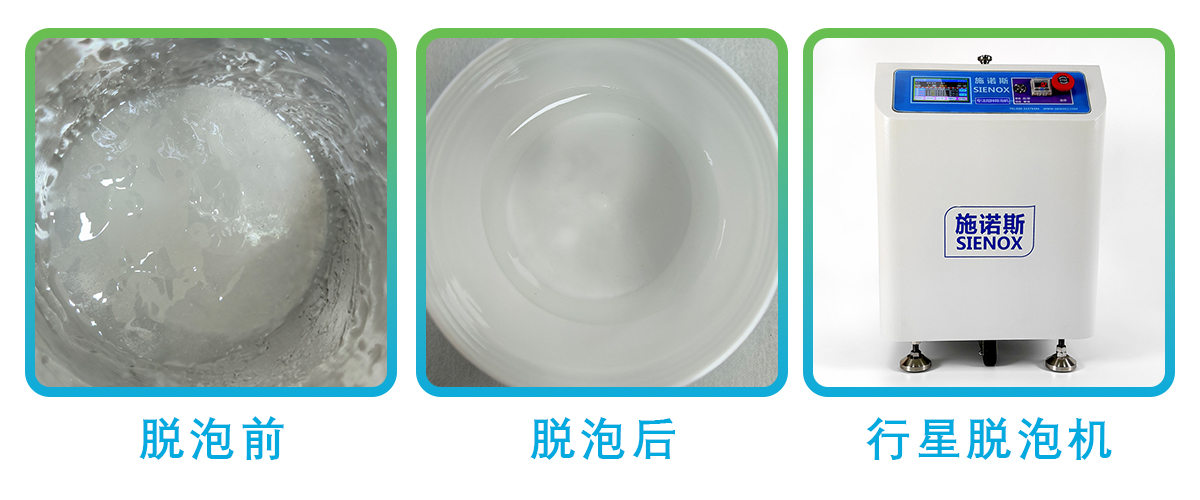
For high-precision applications, defoaming treatment is required. Two common methods are as follows:
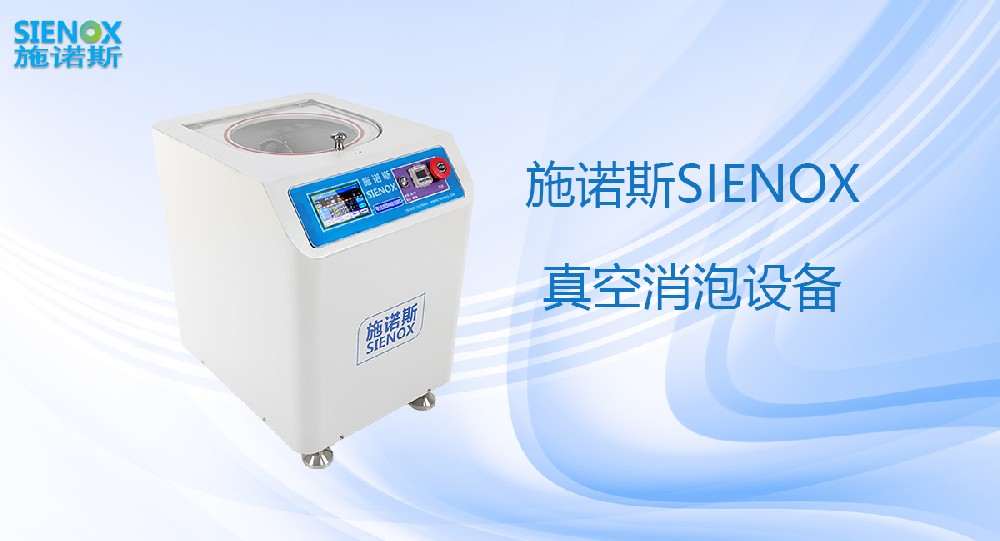
1. Vacuum defoaming: Put the mixed AB glue into a vacuum container and turn on the vacuum pump. Under a certain vacuum degree, bubbles in the glue will expand and burst rapidly to realize defoaming.
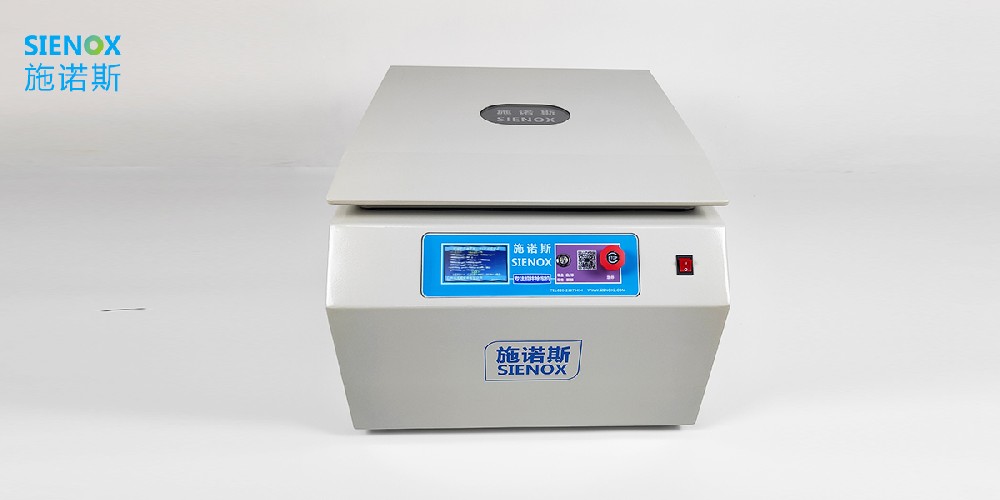
2. Centrifugal defoaming: High-speed rotation of the centrifuge separates bubbles from the glue under centrifugal force.
IV. Control of Environmental Factors
The operating environment affects bubble generation. Operate in a dry and windless environment as much as possible to prevent dust and impurities from being brought into the glue by airflow and reduce air entrapment.
In summary, solving bubble problems in AB glue requires attention to stirring methods, standing process, defoaming treatment and environmental control. Proper operations can effectively reduce bubbles and improve glue performance and bonding quality.
Related recommendations
Centrifugal defoaming machine: An efficient tool for both laboratory and factory.
The extensive application fields of planetary defoaming machines.
How to remove bubbles from glue
The application of vacuum stirring defoaming machine in the defoaming process of silver paste materials.
Perhaps you still need....
行星式真空脱泡搅拌机 SIE-MIX1000plus
实验室行星式搅拌脱泡机 SIE-SV200
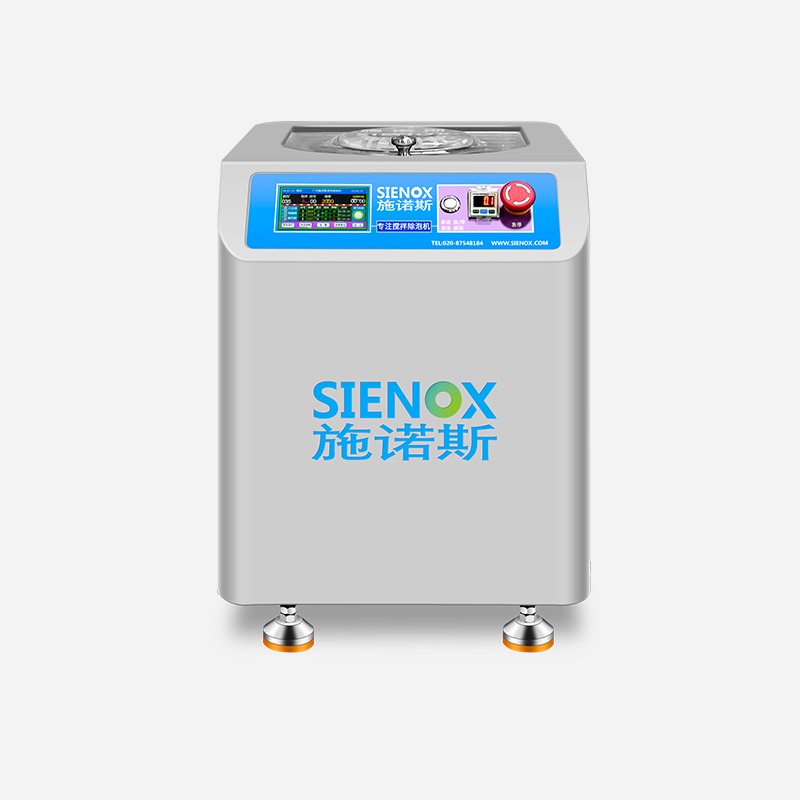
SIENOX行星式脱泡搅拌机 SIE-CV300
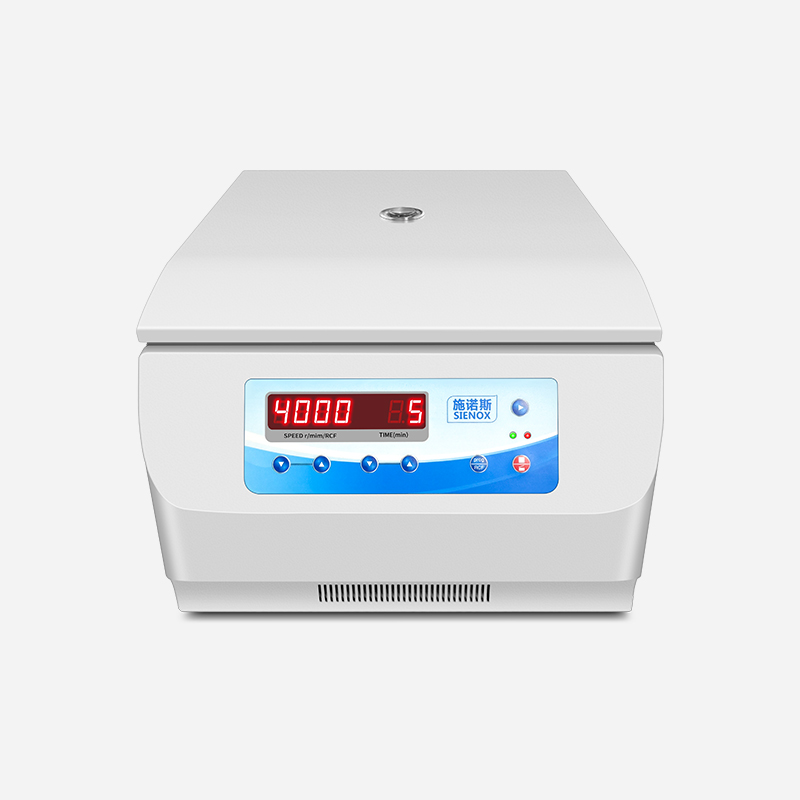
离心脱泡机 SIE-C006
About SIENOX
广州施诺斯(SIENOX),20年脱泡机设备研发与生产的源头厂家
超过1800种材料脱泡案例
纳米级脱泡,满足不同材料多段搅拌除泡需要,支持定制
资质齐全,荣获多项国家专利,联系我们可免费试样