


News

TEL:18925129293


Basic Knowledge Customers Need to Know Before Purchasing Defoaming Machines
date:2026-09-18author:小施I. Defoaming Principles
Vacuum defoaming: It is one of the most common defoaming methods. The principle is that under vacuum conditions, the internal pressure of bubbles in liquid or colloid is higher than the external environmental pressure. When the pressure difference is large enough, the bubbles will expand and burst, and gas molecules escape from the material. For example, put bubble-containing materials (such as glue) into the sealed chamber of a vacuum defoaming machine, then pump air to reach a certain vacuum degree inside the chamber. Bubbles expand and burst to complete defoaming. This method works remarkably well for removing microbubbles and is widely used in high-precision fields such as electronic packaging materials and optical materials.
Centrifugal defoaming: It relies on the strong centrifugal force generated by high-speed rotation. When materials rotate at high speed in the machine, bubbles and materials bear different centrifugal force. Due to low density, bubbles move toward the rotation center, gather together and are finally discharged from the material surface. For instance, in the production of some coatings and inks, centrifugal defoaming can quickly and efficiently separate bubbles and improve product quality.
Pressure defoaming: Apply certain pressure to materials to dissolve or shrink bubbles. When the pressure is released, bubbles restore their volume and may burst and be discharged. This method is relatively mild and suitable for pressure-sensitive materials, such as some biomaterials or soft polymer materials.
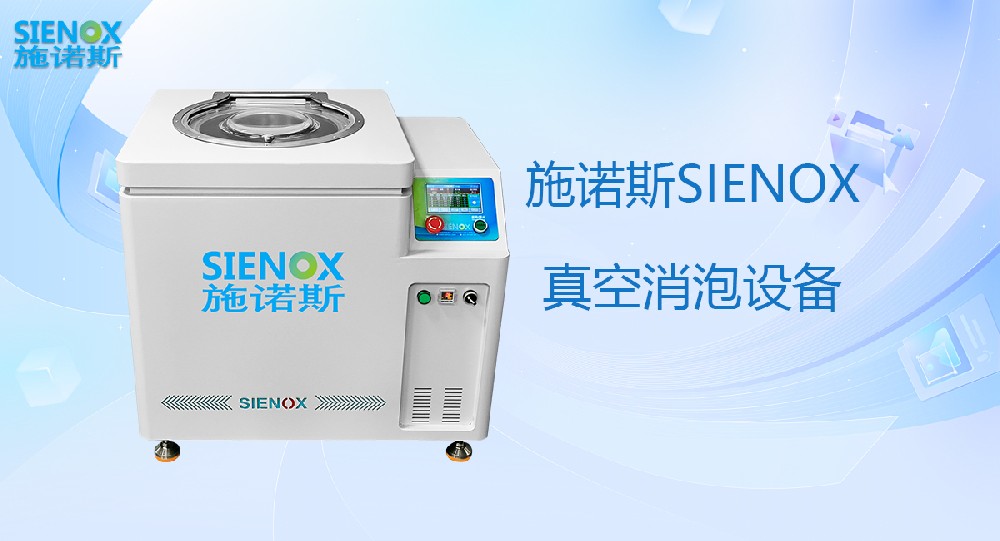
II. Types and Characteristics of Defoaming Machines
Laboratory defoaming machine: Usually small in size, designed for small-batch sample testing and R&D. It features flexible functions and precise control over parameters such as vacuum degree, temperature and rotating speed. For example, in laboratories of universities or research institutions, it is used to study the defoaming properties of new materials. The chamber capacity may be several liters or even smaller, supporting the setting of various experimental conditions.
Industrial production defoaming machine: Designed to meet mass production demands. This type has large processing capacity to handle plenty of materials at one time. It focuses on production efficiency and stability and may be equipped with automatic control systems, including automatic feeding, automatic parameter setting and automatic discharging. For example, in electronic manufacturing factories, defoaming machines for large-volume electronic packaging glue can process dozens of liters or more per batch.
III. Key Parameters of Defoaming Machines
Vacuum degree (for vacuum defoaming machines): Vacuum degree is an important indicator to evaluate the performance of vacuum defoaming machines, measured in Pascal (Pa). A lower value represents a higher vacuum level. For example, defoaming of some high-end electronic materials may require a vacuum degree of 10 - 100 Pa to thoroughly remove microbubbles.
Rotating speed (for centrifugal defoaming machines): Rotating speed determines the magnitude of centrifugal force, unit: revolutions per minute (rpm). Higher rotating speed generates greater centrifugal force for better bubble separation. Meanwhile, the material tolerance should be considered. For fragile biological samples, the rotating speed may be controlled at a low level of 1000 - 3000 rpm to avoid sample damage.
Processing capacity: It refers to the maximum volume of materials that the defoaming machine can process in one batch, measured in liters (L) or milliliters (mL). Customers need to select the appropriate capacity according to production scale or experimental requirements. For example, a small handicraft workshop may only need a defoaming machine with a capacity of several liters, while large auto parts manufacturers may need equipment of dozens of liters or larger.
IV. Material Compatibility
Different defoaming machines have different material compatibility. Customers need to check whether the materials of the defoaming machine (such as chamber and sealing parts) will chemically react with the materials to be processed. For example, for strongly acidic or alkaline chemical materials, ensure the internal structure of the machine can resist corrosion, otherwise the service life and defoaming effect will be affected. At the same time, pay attention to the physical property changes of materials during defoaming, such as solidification or delamination under vacuum or centrifugal conditions.
Related recommendations
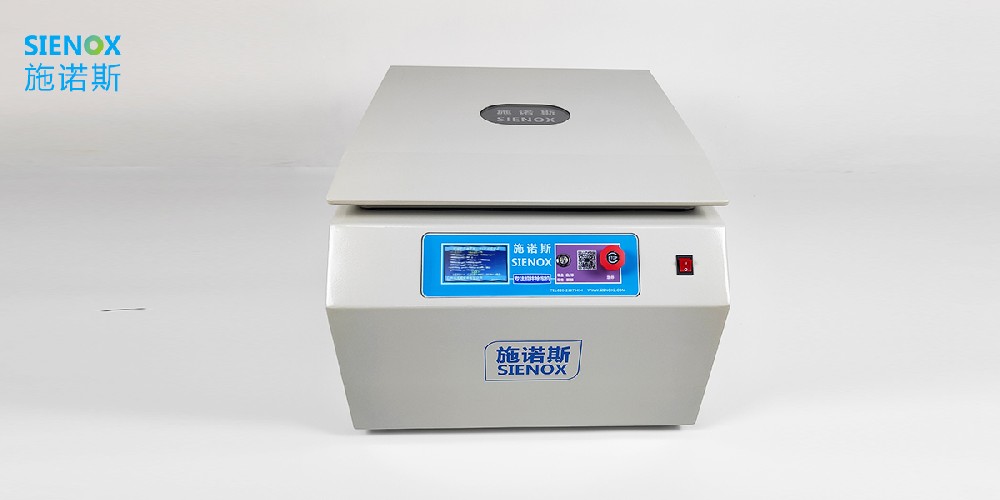
Centrifugal defoaming machine: An efficient tool for both laboratory and factory.
The extensive application fields of planetary defoaming machines.
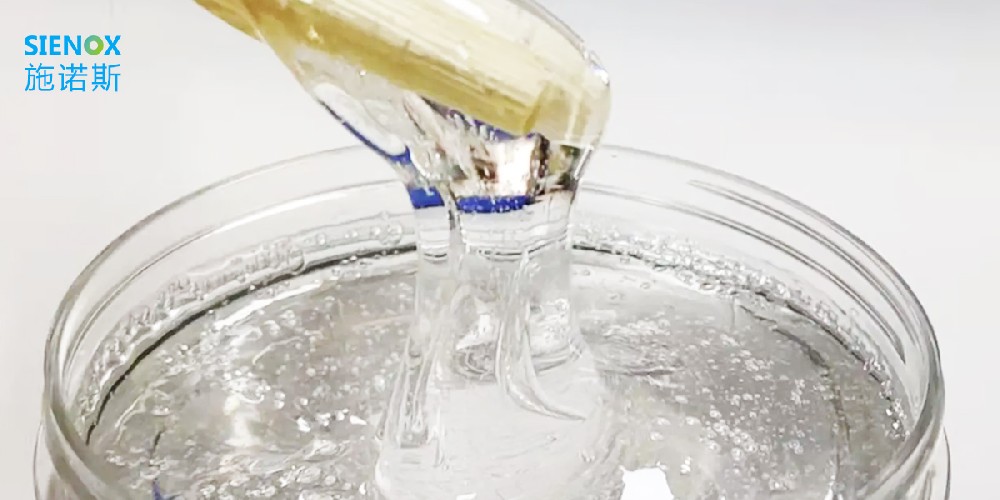
How to remove bubbles from glue

The application of vacuum stirring defoaming machine in the defoaming process of silver paste materials.
Perhaps you still need....
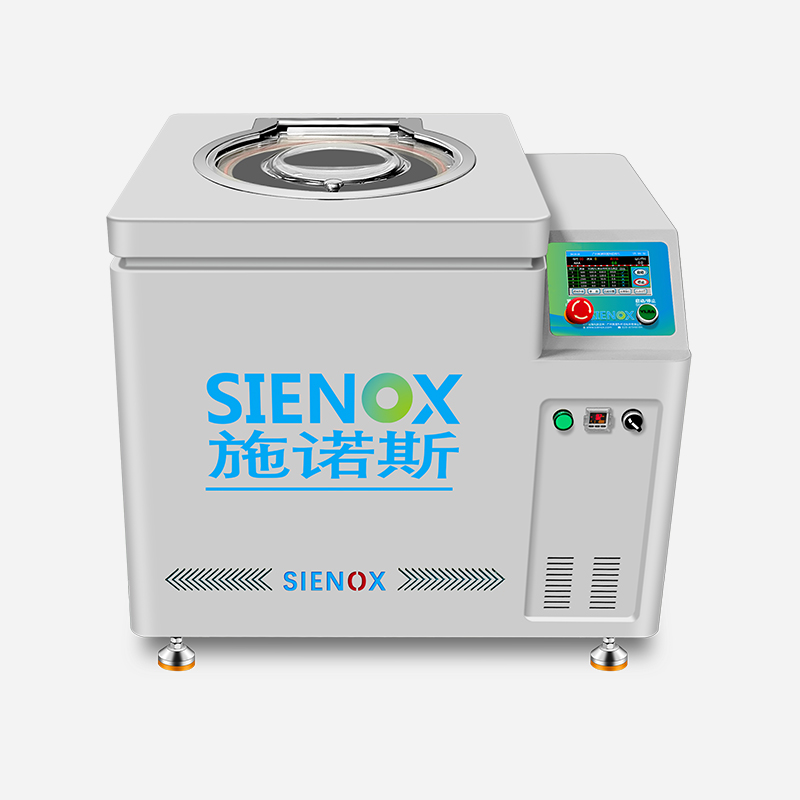
行星式真空脱泡搅拌机 SIE-MIX1000plus
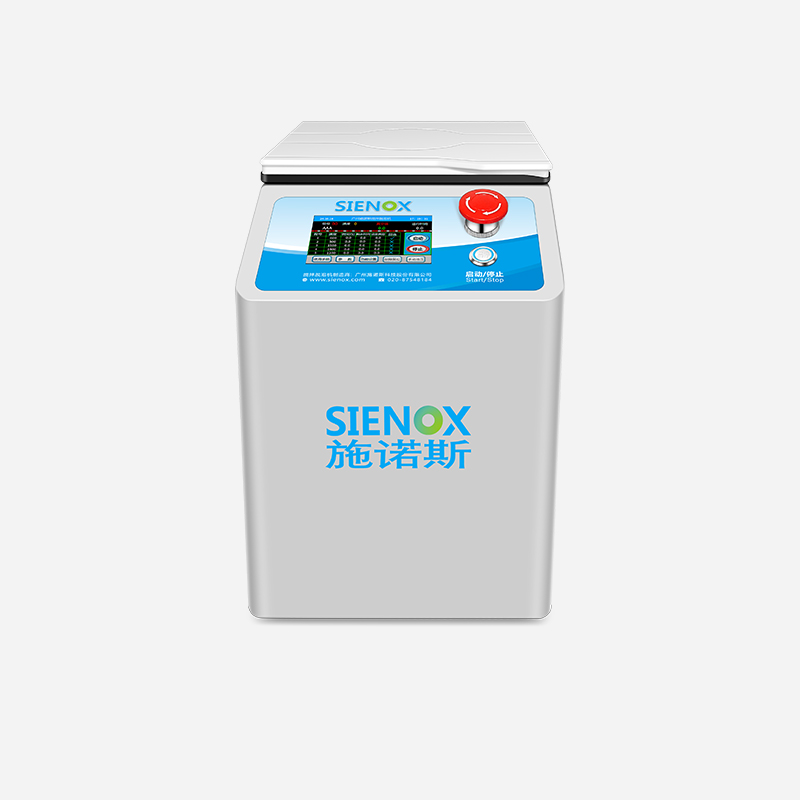
实验室行星式搅拌脱泡机 SIE-SV200
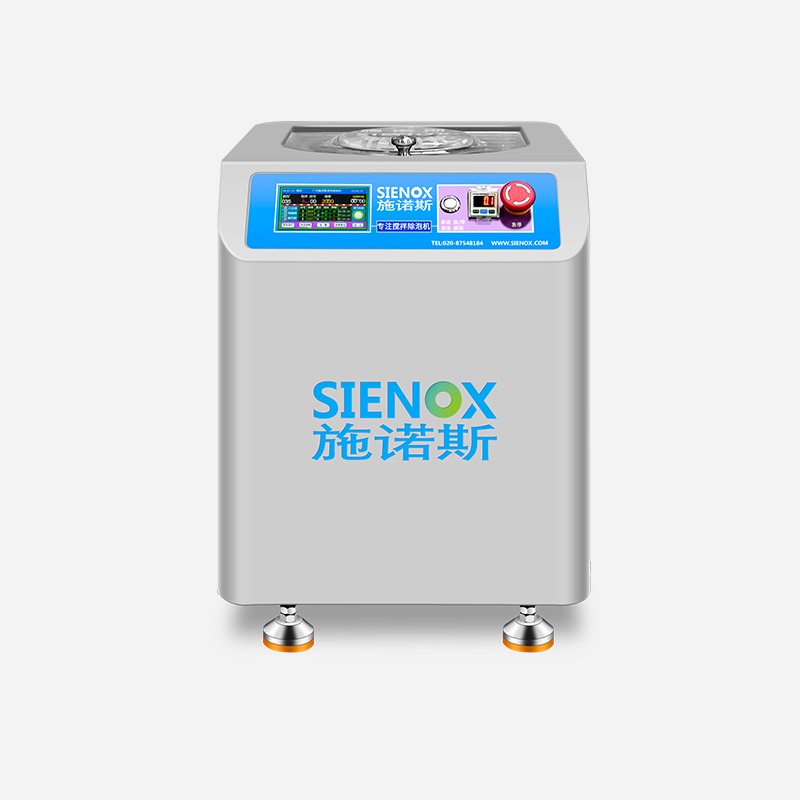
SIENOX行星式脱泡搅拌机 SIE-CV300
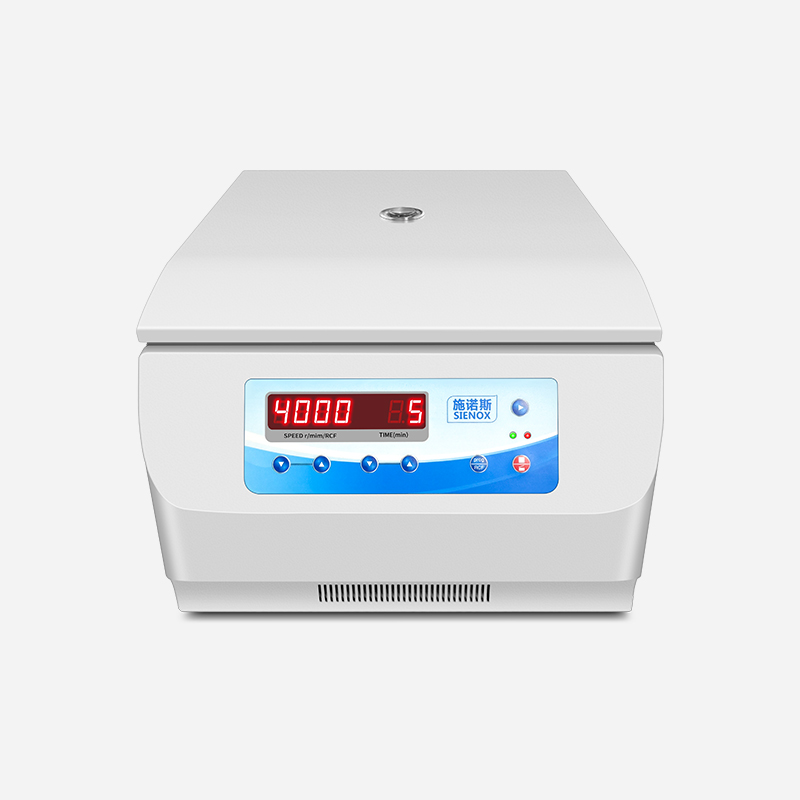
离心脱泡机 SIE-C006
About SIENOX
广州施诺斯(SIENOX),20年脱泡机设备研发与生产的源头厂家
超过1800种材料脱泡案例
纳米级脱泡,满足不同材料多段搅拌除泡需要,支持定制
资质齐全,荣获多项国家专利,联系我们可免费试样