


News

TEL:18925129293


What Scenarios Are Different Types of Defoamers Suitable For?
date:2026-09-17author:小施In many fields of industrial production and scientific research innovation, defoaming machines serve as critical equipment to guarantee product quality. Common types include vacuum defoamers, centrifugal defoamers and stirring defoamers. Based on their unique defoaming principles, they play irreplaceable roles in different application scenarios.
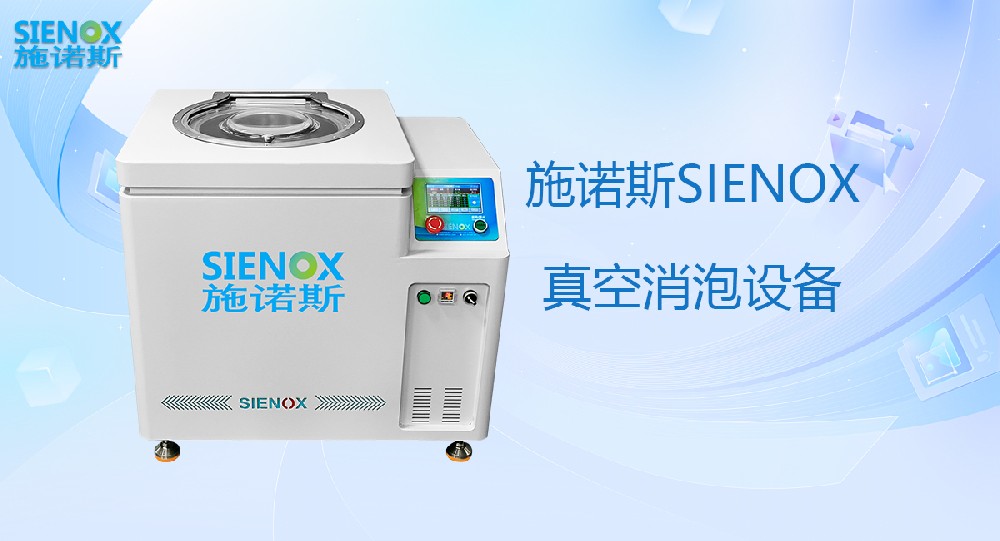
First, the vacuum defoamer achieves defoaming by creating a low-pressure or near-vacuum environment. In the electronics industry, chip packaging is a precise process allowing no errors. For the packaging of chips in high-end smartphones, residual bubbles in the filled thermal conductive adhesive will greatly hinder heat dissipation, resulting in unstable chip performance or even overheating damage. The vacuum defoamer places the thermal conductive adhesive under high vacuum. Bubbles rapidly expand and burst due to the huge pressure difference between inside and outside, ensuring stable operation of chips with favorable heat dissipation. The optical industry also relies heavily on it. Take the manufacturing of precision optical lenses as an example. The optical adhesive used for bonding lenses must be bubble-free; otherwise, light refraction and reflection will be disordered and the imaging quality will be greatly reduced. Optical adhesive treated by vacuum defoaming helps lenses capture clear and accurate images, meeting the requirements of high-end photography, astronomical observation and other equipment.
Centrifugal defoamers realize defoaming through strong centrifugal force generated by high-speed rotation. They are widely favored in the coating industry. In the production of architectural exterior wall coatings, bubbles inside the coating will leave pinholes after bursting once applied on walls, impairing appearance as well as waterproof and thermal insulation performance. The high-speed operation of centrifugal defoamers gathers bubbles toward the rotation center and separates them from the coating, delivering uniform and fine coating for smooth wall surfaces. In ceramic production, bubbles are detrimental starting from ceramic slurry preparation. Undefoamed slurry will form abundant internal pores after sintering, leading to low ceramic strength and fragility. After treatment by centrifugal defoamers, bubbles are effectively removed, and the sintered ceramic features dense texture and high durability, suitable for high-grade tableware and art ceramic products.
Stirring defoamers remove bubbles via specific stirring modes. In food processing, for instance, the production of desserts such as cakes and ice cream. Bubbles in batter and milk slurry will affect taste and appearance. Equipped with specially designed stirring blades, stirring defoamers perform gentle stirring at proper rotating speeds to fully mix raw materials and release bubbles, producing fluffy, soft and attractive desserts. They also play a vital role in the preparation of cosmetic emulsions. Bubbles in emulsions will not only impair the texture during use but may also cause oxidative deterioration of ingredients. Precisely controlled stirring and defoaming ensures fine texture and high stability of emulsions, extends the shelf life of cosmetics and improves consumer experience.
Related recommendations
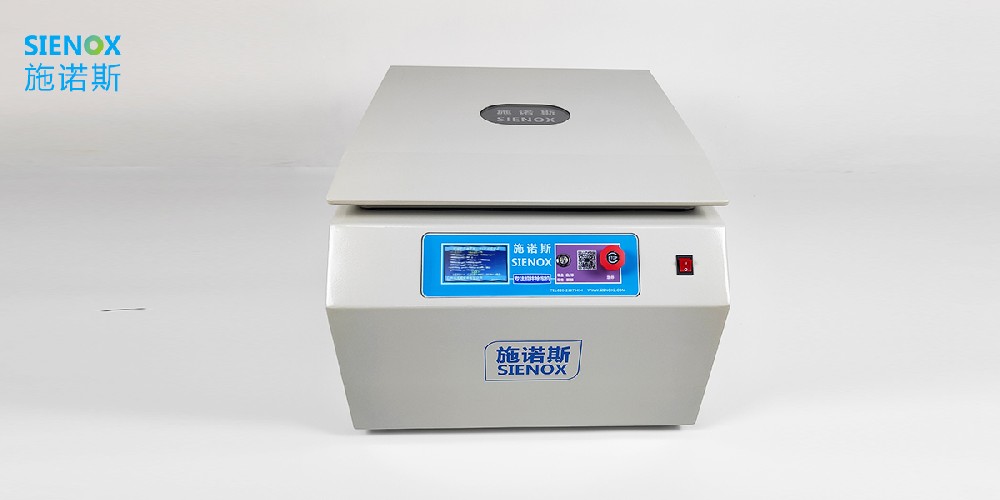
Centrifugal defoaming machine: An efficient tool for both laboratory and factory.
The extensive application fields of planetary defoaming machines.
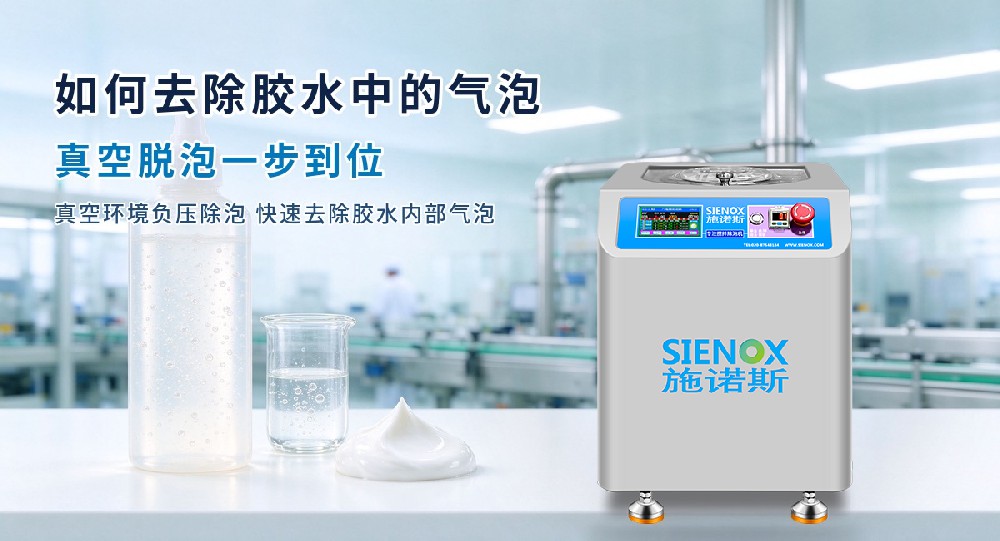
How to remove bubbles from glue

The application of vacuum stirring defoaming machine in the defoaming process of silver paste materials.
Perhaps you still need....
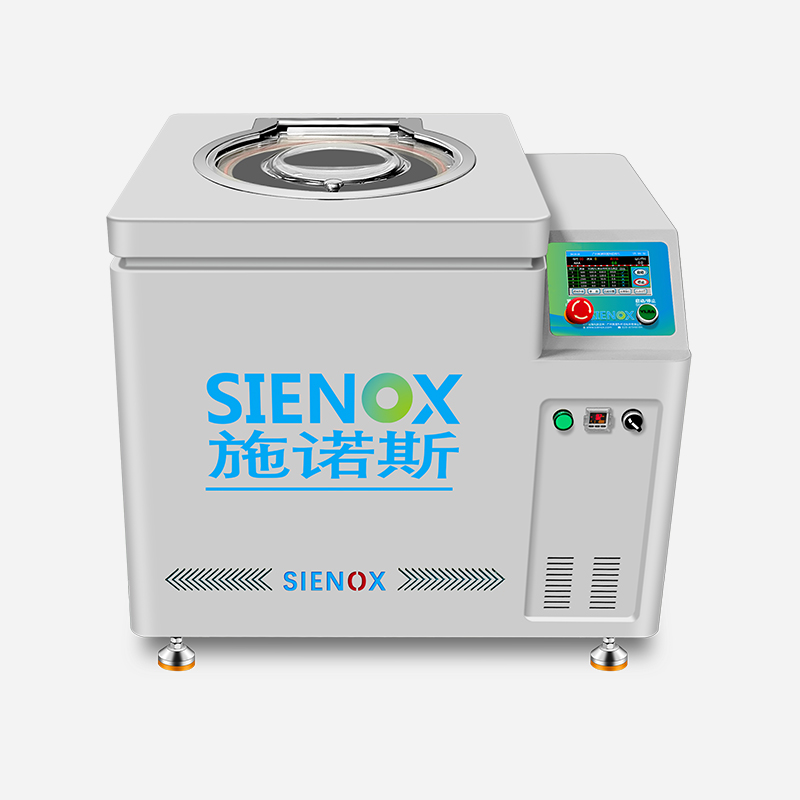
行星式真空脱泡搅拌机 SIE-MIX1000plus
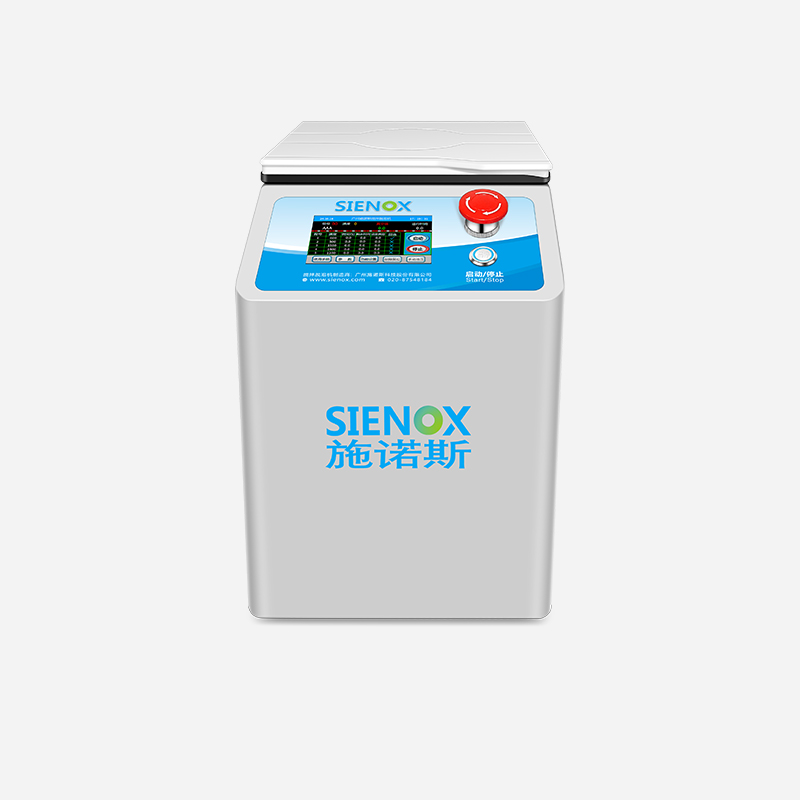
实验室行星式搅拌脱泡机 SIE-SV200
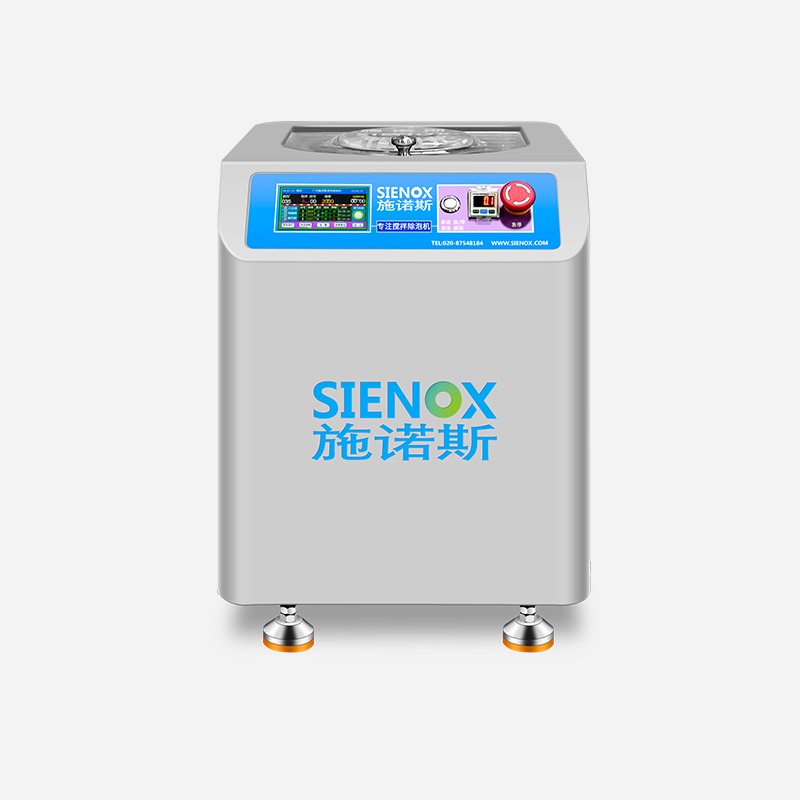
SIENOX行星式脱泡搅拌机 SIE-CV300
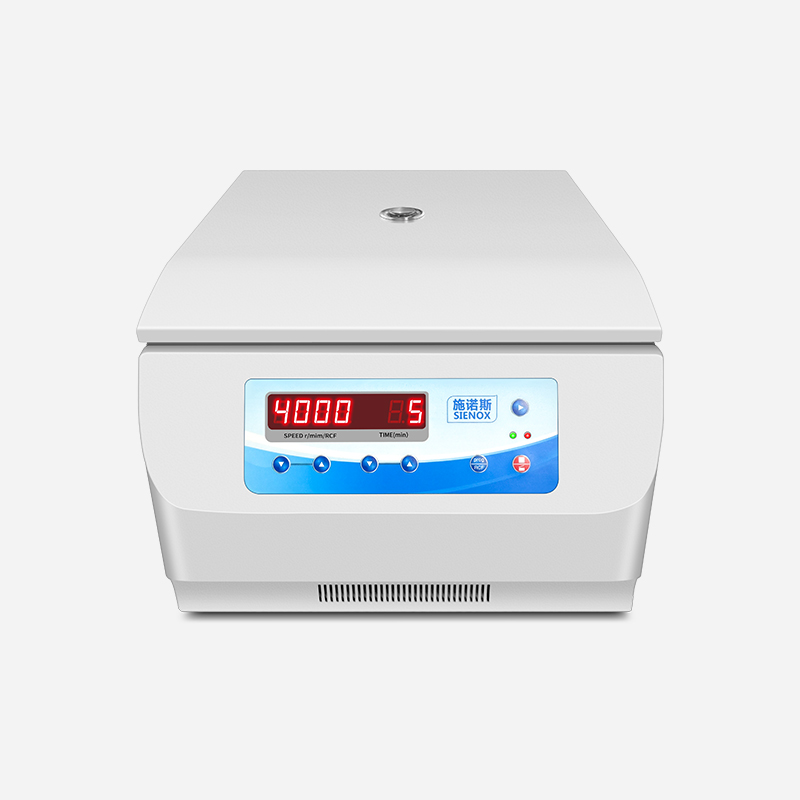
离心脱泡机 SIE-C006
About SIENOX
广州施诺斯(SIENOX),20年脱泡机设备研发与生产的源头厂家
超过1800种材料脱泡案例
纳米级脱泡,满足不同材料多段搅拌除泡需要,支持定制
资质齐全,荣获多项国家专利,联系我们可免费试样