


News

TEL:18925129293


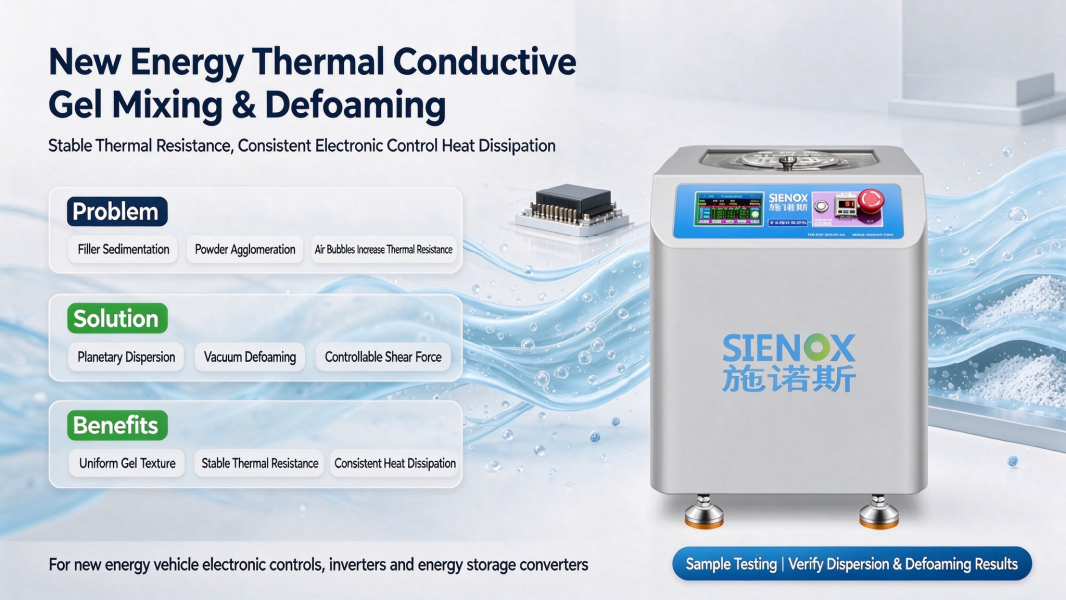
Stirring and Defoaming for New Energy Thermal Conductive Gel | Stable Thermal Resistance, Ensuring Consistent Heat Dissipation of Electronic Control Systems
date:2026-11-16author:小施Electronic controls, inverters and energy storage converters of new energy vehicles widely adopt thermal conductive gel as the thermal interface material. The gel system is normally filled with high-thermal-conductivity powders such as alumina and aluminum nitride, featuring high filler loading and high viscosity, which brings difficulties to preparation. Conventional stirring methods tend to cause filler sedimentation and powder agglomeration, while trapping a large amount of air bubbles. Air bubbles have an extremely low thermal conductivity. Remaining inside the gel, they will trigger sharp local thermal resistance rise and uneven heat dissipation at different positions, leading to drastic temperature fluctuations of electronic controls under vehicle operating conditions and overheating risks during long-term operation. Thermal conductive gel requires high batch consistency. Unstable stirring processes will result in batch performance deviations after installation.
SIENOX planetary stirring and defoaming machine provides continuous material turnover and shearing through planetary motion, uniformly suspending high-thermal-conductivity powders in the organic matrix and preventing filler sedimentation and delamination. Combined with vacuum defoaming, it removes trapped air bubbles inside the gel. The shearing force of the equipment is adjustable. It can break powder agglomerates without crushing the powders, preserving the original performance of thermal conductive fillers. Meanwhile, it controls temperature rise during stirring to avoid premature curing and deterioration of the matrix. The disposable mixing cup design simplifies material change and reduces cleaning costs, suitable for R&D with multiple formula comparisons.
Thermal conductive gel after stirring and defoaming features uniform texture and low internal bubble content with stable and controllable thermal resistance. When coated on the surface of power devices, it forms a continuous thermal interface and delivers consistent heat dissipation performance. The equipment is widely used in new product development and sample trial production for new energy material manufacturers. Enterprises can verify the dispersion and defoaming effects under different filler ratios and optimize processes via sample tests. As the reliability requirements for new energy electronic controls keep rising, a stable preparation process for thermal conductive gel serves as a key factor to guarantee the long-term stable operation of thermal management systems.
Related recommendations
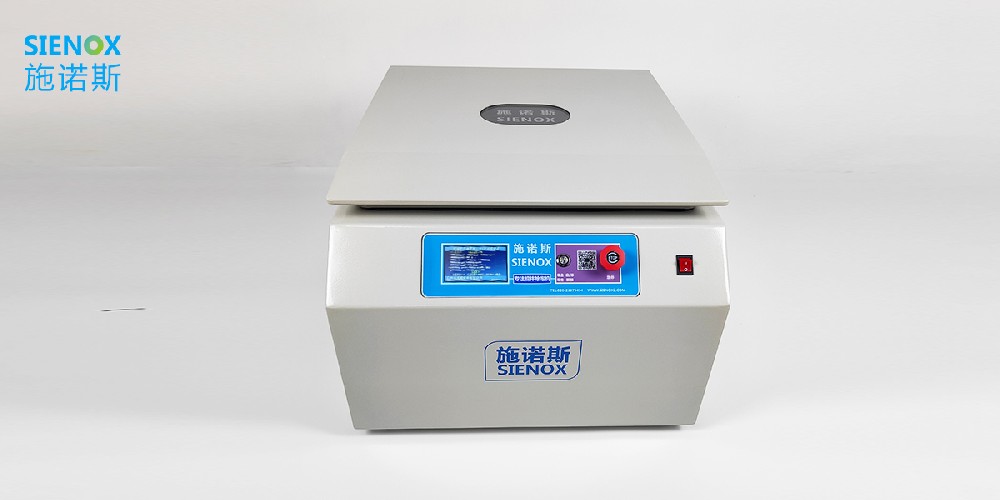
Centrifugal defoaming machine: An efficient tool for both laboratory and factory.

The extensive application fields of planetary defoaming machines.
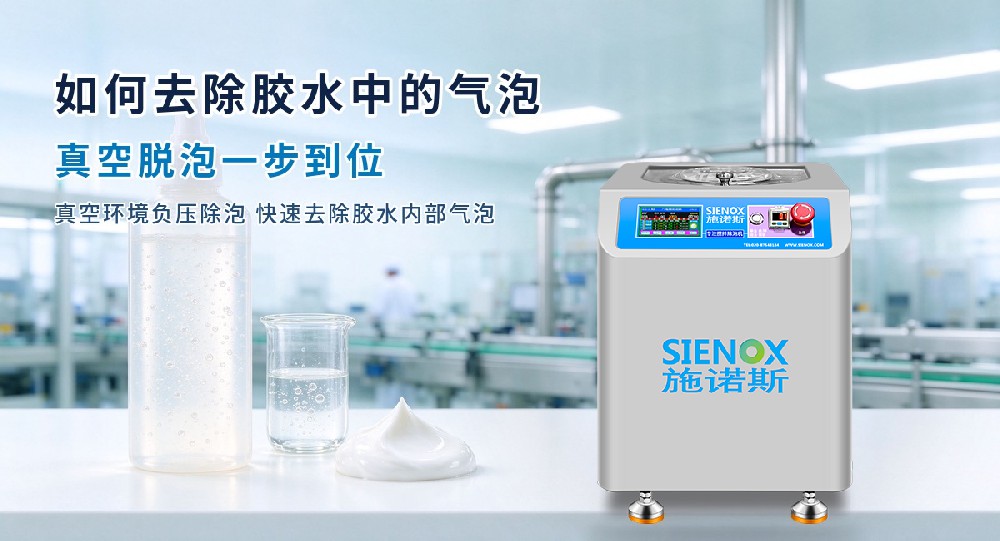
How to remove bubbles from glue
The application of vacuum stirring defoaming machine in the defoaming process of silver paste materials.
Perhaps you still need....
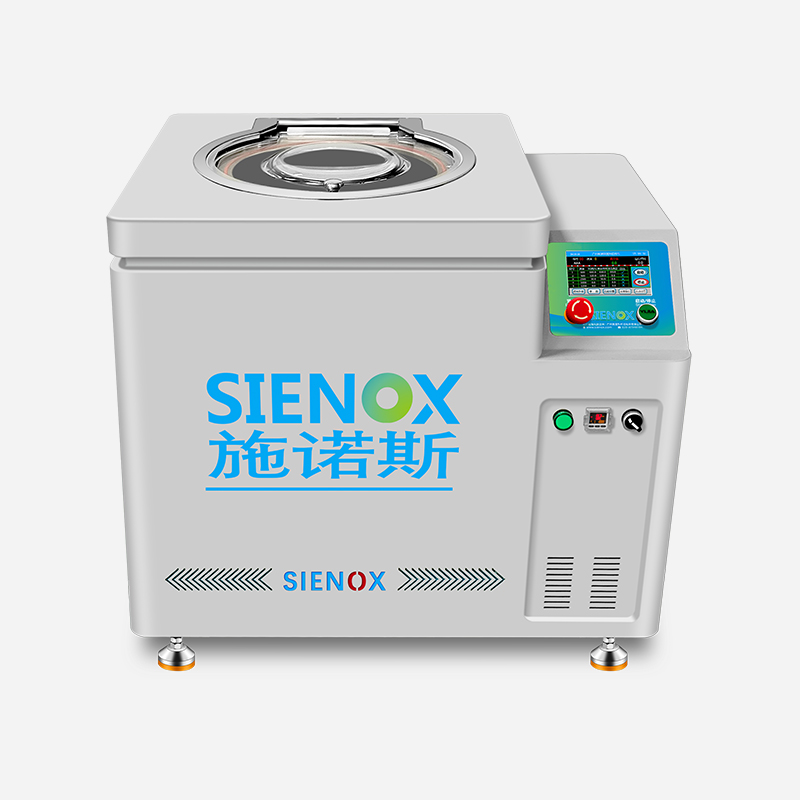
行星式真空脱泡搅拌机 SIE-MIX1000plus
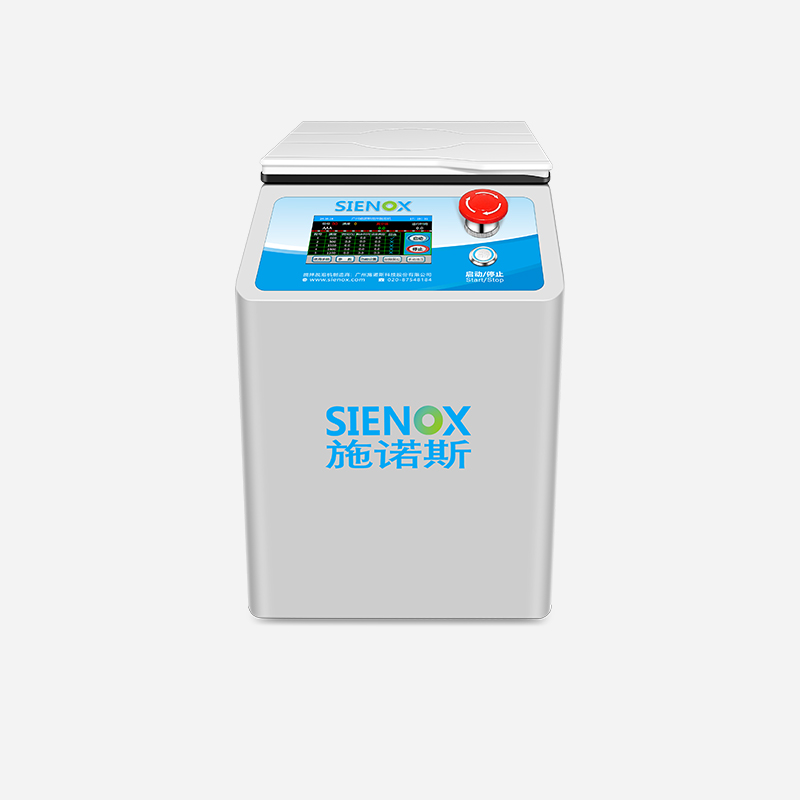
实验室行星式搅拌脱泡机 SIE-SV200
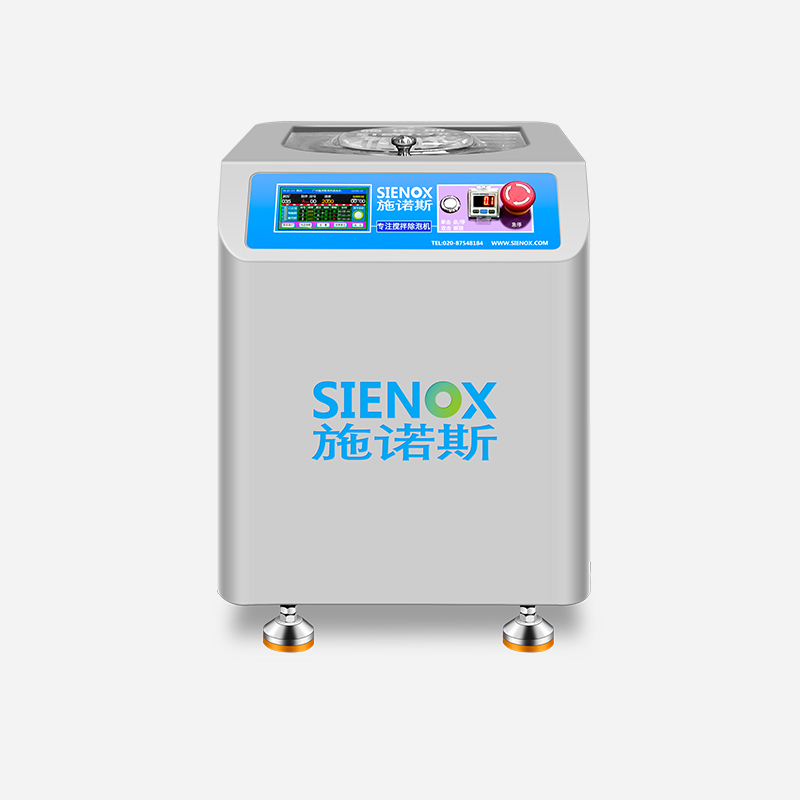
SIENOX行星式脱泡搅拌机 SIE-CV300
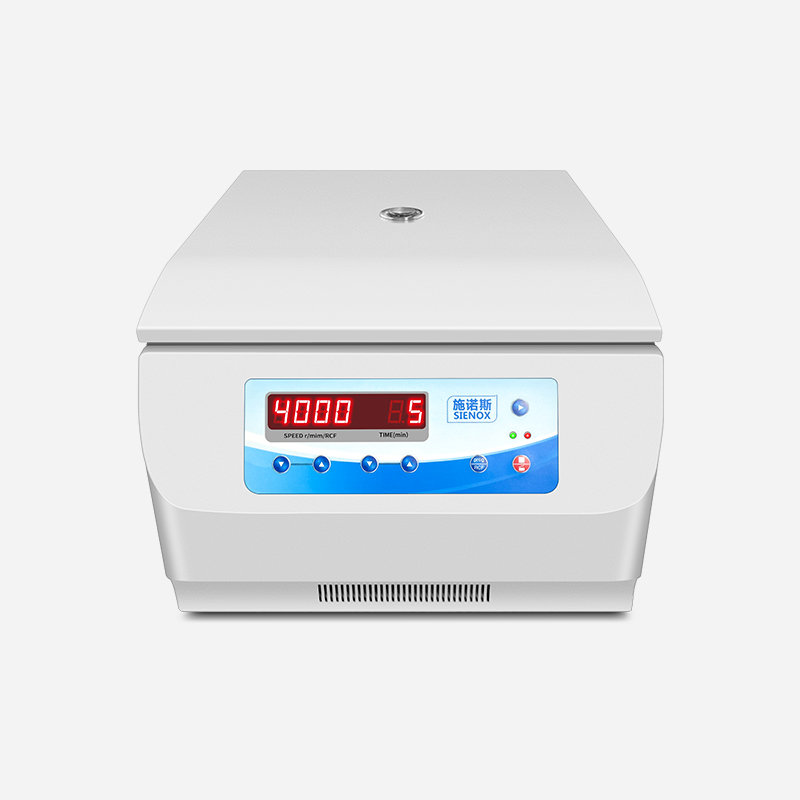
离心脱泡机 SIE-C006
About SIENOX
广州施诺斯(SIENOX),20年脱泡机设备研发与生产的源头厂家
超过1800种材料脱泡案例
纳米级脱泡,满足不同材料多段搅拌除泡需要,支持定制
资质齐全,荣获多项国家专利,联系我们可免费试样