


News
TEL:18925129293


Expanded Supporting Application of Epoxy Resin Vacuum Defoaming Mixers As CCL Price Hike Continues
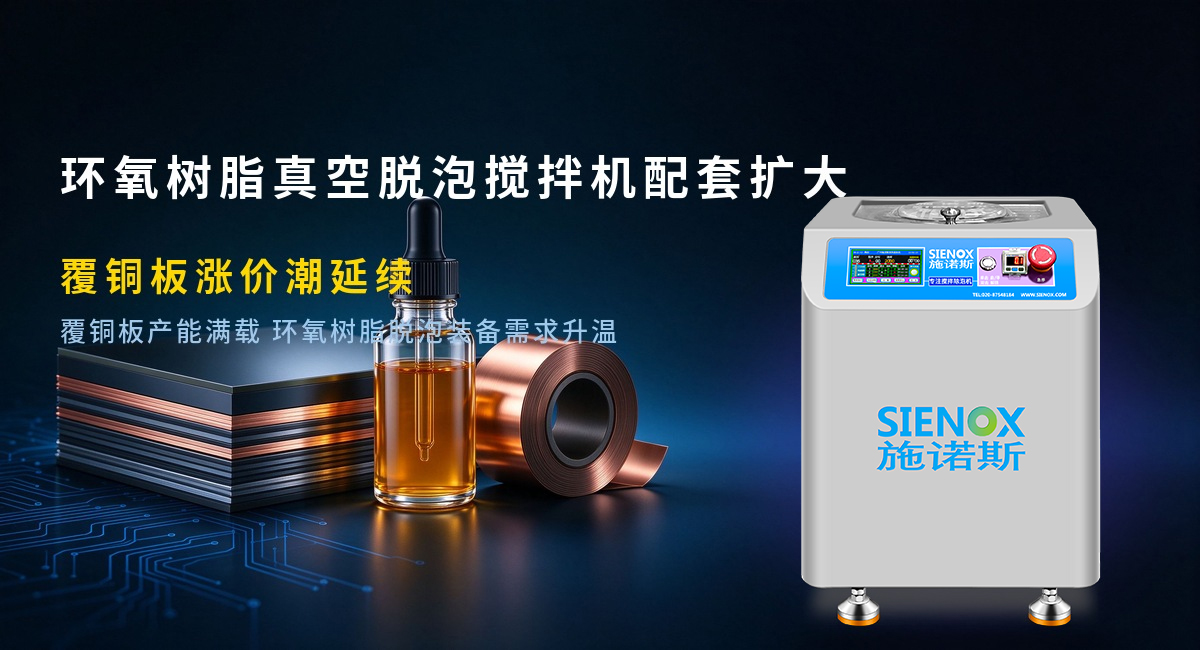
date:2026-10-13author:小施The price hikes of raw materials such as copper foil and resin are transmitted from upstream to copper clad laminate (CCL) and PCB sectors. With the rising price of fiberglass cloth, CCL manufacturers have raised prices multiple times within the year, and PCB manufacturers are gradually passing on the costs. The capacity expansion of CCL and PCB drives the demand for resin system treatment. The supporting market of epoxy resin vacuum defoaming mixers in glue preparation and impregnating resin processing has attracted attention.
Solution Background
The resin system (epoxy resin, curing agent, fillers, etc.) in CCL production needs pre-mixing and sufficient defoaming before being used for fiberglass cloth impregnation. Air bubbles in resin liquid will affect impregnation uniformity and interlayer quality of plates, further influencing the dielectric properties and reliability of PCBs. Under the background of rising raw material prices and mounting cost pressure, enterprises pay more attention to the stability and material utilization rate in glue mixing procedures.
Processing Challenges
The resin system features high viscosity and temperature sensitivity, and air bubbles are easily introduced during mixing. Resin systems of different formulas vary greatly in viscosity, requiring equipment with a wide process window. Batch dosage of resin glue differs, ranging from small batches for formula development to continuous glue mixing on production lines, which places requirements on equipment processing volume and repeatability.
Why Choose SIENOX Equipment
SIENOX high viscosity vacuum defoaming machine adopts planetary revolution and rotation combined with vacuum mode, suitable for mixing and defoaming of high-viscosity resin systems. Air bubbles are extracted under vacuum environment to reduce resin oxidation and volatilization. This solution selects the MIX1000PLUS model with a processing volume of 1000ml, meeting the demands of formula verification and pilot glue mixing. It reaches a vacuum degree of -98KPa and rotation speed of 2000rpm. Process parameters can be set according to resin formulas, and temperature control module is available as customized configuration.
Processing Procedure
Take a CCL resin formula development enterprise as an example. Its epoxy system required repeated process adjustments due to bubble problems in laboratory glue preparation. After introducing MIX1000PLUS, resin, curing agent and fillers are loaded into the tank according to proportion. The equipment completes mixing and defoaming under the coordination of planetary motion and vacuum. The uniformity of discharged glue improves and residual bubbles are greatly reduced.
Processing Results
The quality of formula glue becomes more stable, resin distribution in impregnation test is more uniform, and defects of test plates are reduced. The enterprise applies the equipment for new formula development and incoming material verification, shortening the formula debugging cycle and providing process data support for subsequent pilot scale-up.
Capacity expansion and material upgrading in CCL and PCB industrial chains are promoting equipment matching for resin glue mixing. For material enterprises, stable mixing and defoaming serve as the foundation for formula implementation and batch consistency. Process window and repeatability have become key considerations for equipment selection.
Related recommendations
Centrifugal defoaming machine: An efficient tool for both laboratory and factory.
The extensive application fields of planetary defoaming machines.
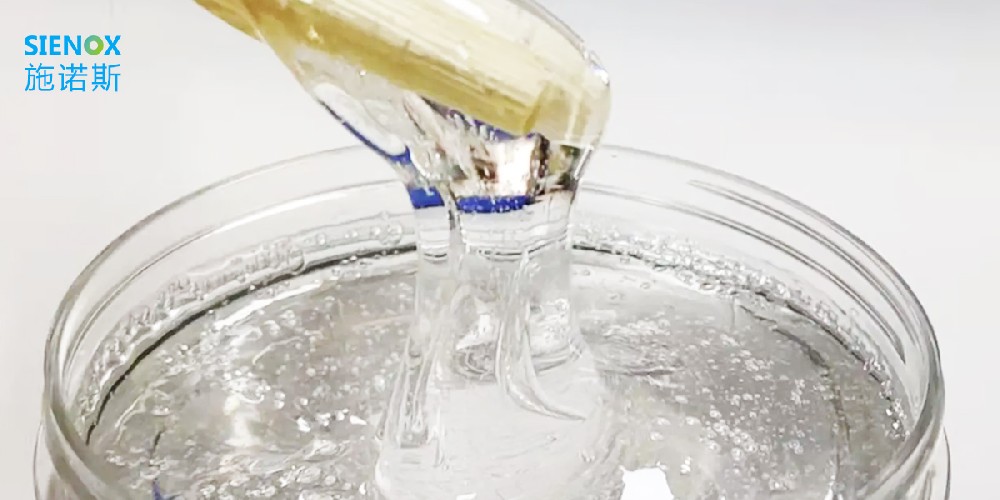
How to remove bubbles from glue

The application of vacuum stirring defoaming machine in the defoaming process of silver paste materials.
Perhaps you still need....
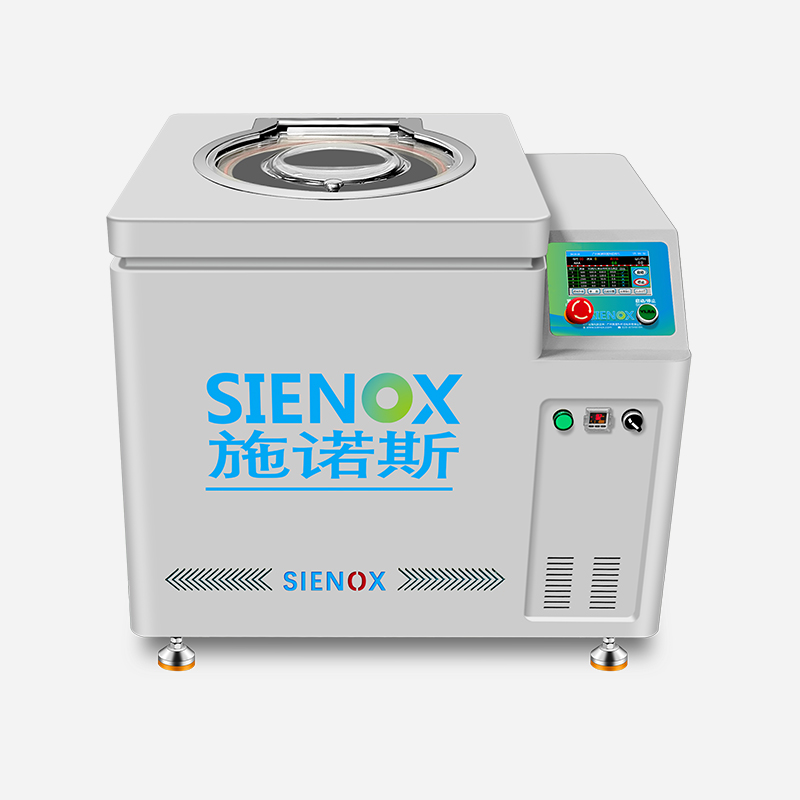
行星式真空脱泡搅拌机 SIE-MIX1000plus
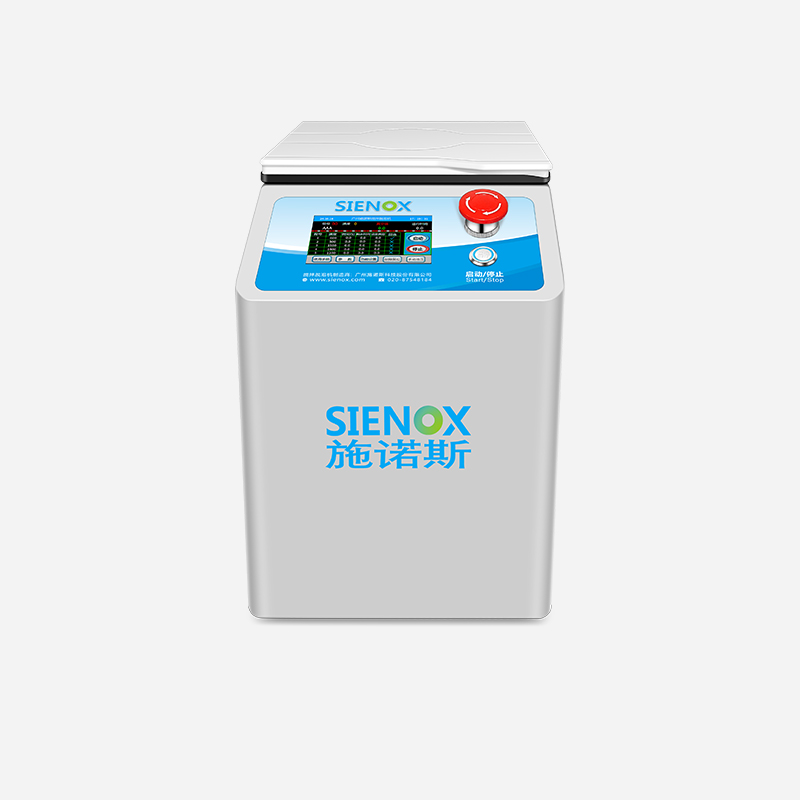
实验室行星式搅拌脱泡机 SIE-SV200
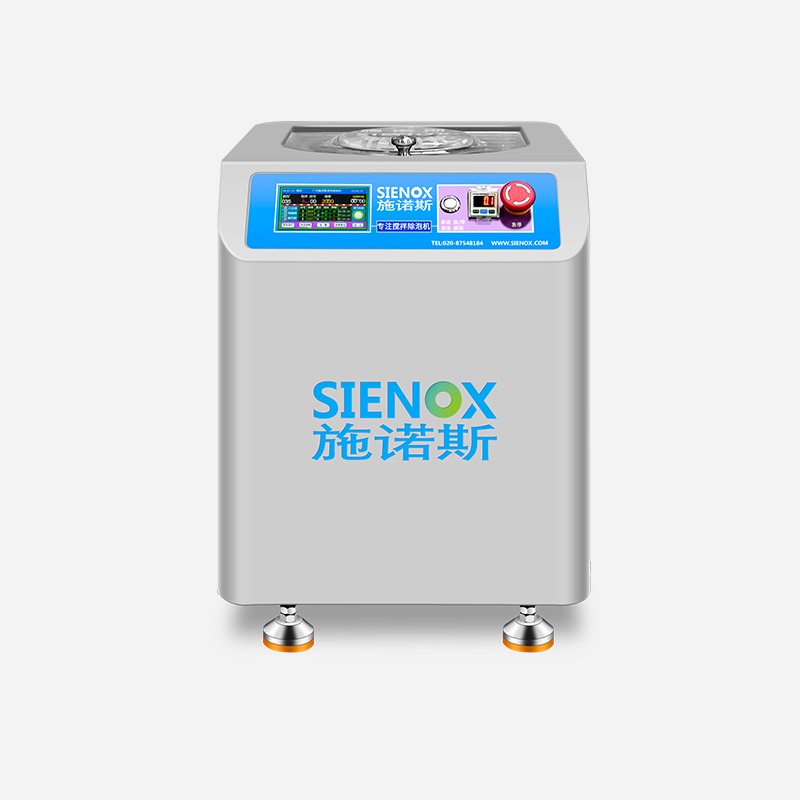
SIENOX行星式脱泡搅拌机 SIE-CV300
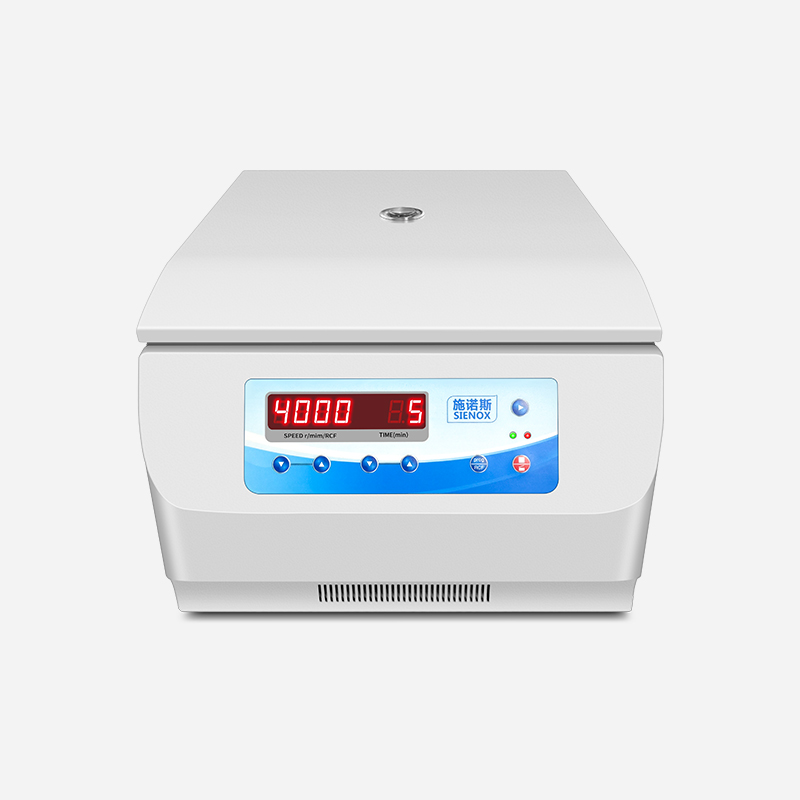
离心脱泡机 SIE-C006
About SIENOX
广州施诺斯(SIENOX),20年脱泡机设备研发与生产的源头厂家
超过1800种材料脱泡案例
纳米级脱泡,满足不同材料多段搅拌除泡需要,支持定制
资质齐全,荣获多项国家专利,联系我们可免费试样