


News

TEL:18925129293


What Are the Possible Reasons for Failing to Remove Stubborn Bubbles During Adhesive Defoaming?
date:2026-09-18author:小施Stubborn bubbles that are hard to eliminate may appear during adhesive defoaming and bring troubles to production. To better understand and solve this issue, we need to analyze the possible causes of residual stubborn bubbles.
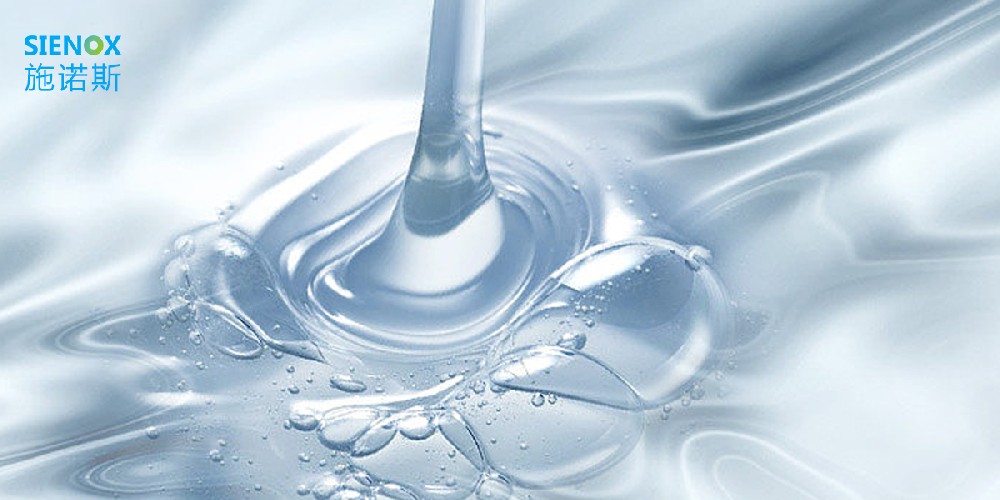
1. Material Properties of Adhesive
Possible cause: The inherent characteristics of adhesive are the main source of bubble trouble. For example, high-viscosity adhesives or glues with special components tend to form stubborn bubbles that are difficult to remove.
Solution: First, verify whether your adhesive formula is compatible with the selected defoaming machine. Sometimes formula adjustment is required to improve fluidity and defoaming performance.
2. Defoaming Machine Design
Possible cause: Improper machine design or incompatibility with your adhesive leads to poor bubble removal. Insufficient planetary mixing defoaming capability or inadequate centrifugal force will result in incomplete degassing.
Solution: Consider upgrading equipment and select models suitable for high-viscosity or special adhesives. Confirm the machine design and performance match your adhesive processing requirements.
3. Improper Parameter Setting
Possible cause: Incorrect parameters set by operators, such as mixing speed, vacuum degree and temperature, will affect defoaming results.
Solution: Provide operator training to ensure correct parameter configuration. Tune parameters according to adhesive features to optimize defoaming performance.
4. Fast Curing Speed of Adhesive
Possible cause: Some adhesives cure rapidly during defoaming, locking bubbles inside the colloid before they can escape fully.
Solution: Adjust curing time or choose adhesive formulas with slower curing speed. Reserve sufficient time for bubble release before curing.
5. Temperature Control Issues
Possible cause: Improper temperature control (too high or too low) hinders bubble separation during defoaming.
Solution: Monitor and adjust the temperature control system carefully, keeping adhesive within the proper temperature range to facilitate bubble escape.
To tackle stubborn bubbles, comprehensively analyze adhesive properties, machine design, operation parameters, curing rate and temperature control. Identify root causes and apply targeted solutions to improve defoaming quality and guarantee smooth production.
Related recommendations
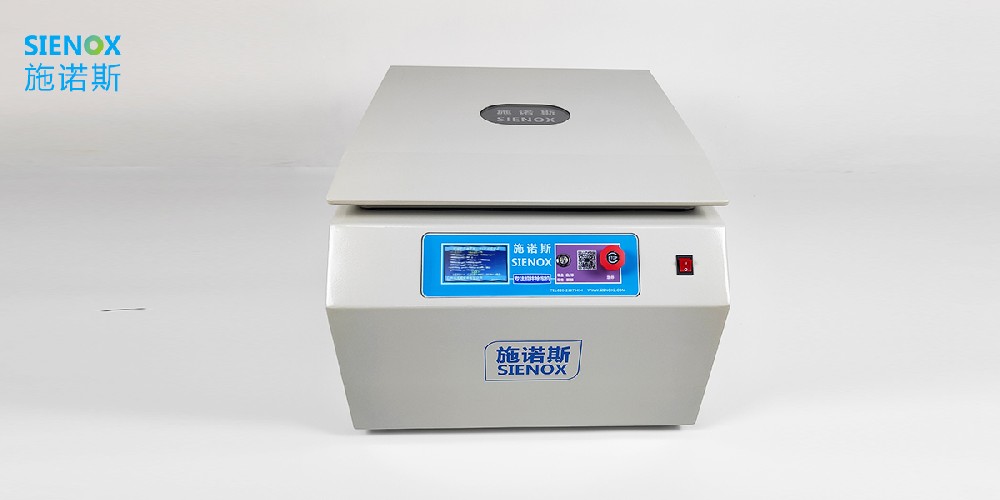
Centrifugal defoaming machine: An efficient tool for both laboratory and factory.
The extensive application fields of planetary defoaming machines.
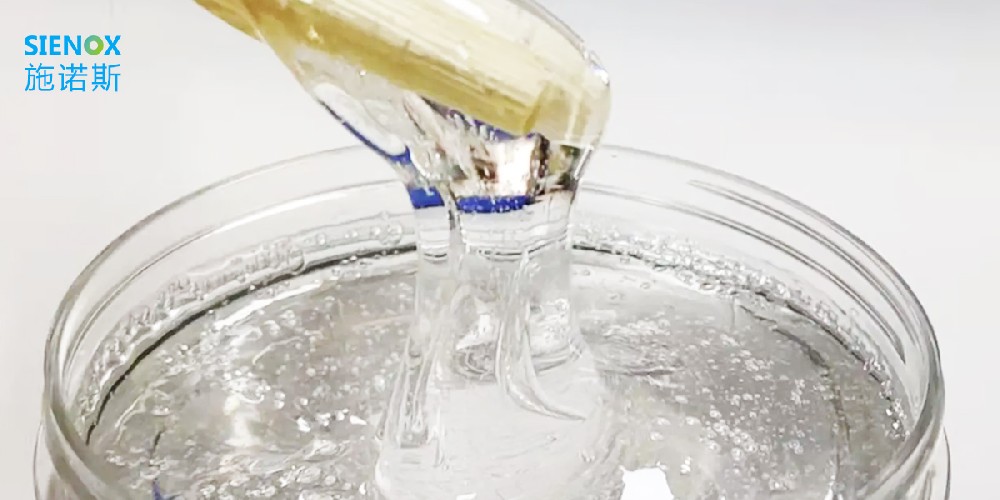
How to remove bubbles from glue
The application of vacuum stirring defoaming machine in the defoaming process of silver paste materials.
Perhaps you still need....
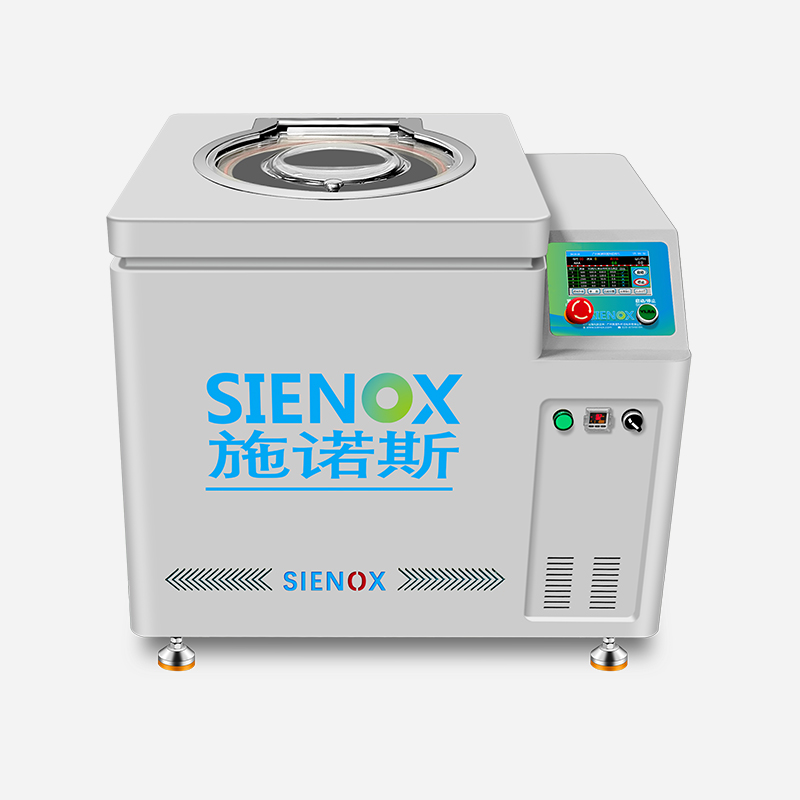
行星式真空脱泡搅拌机 SIE-MIX1000plus
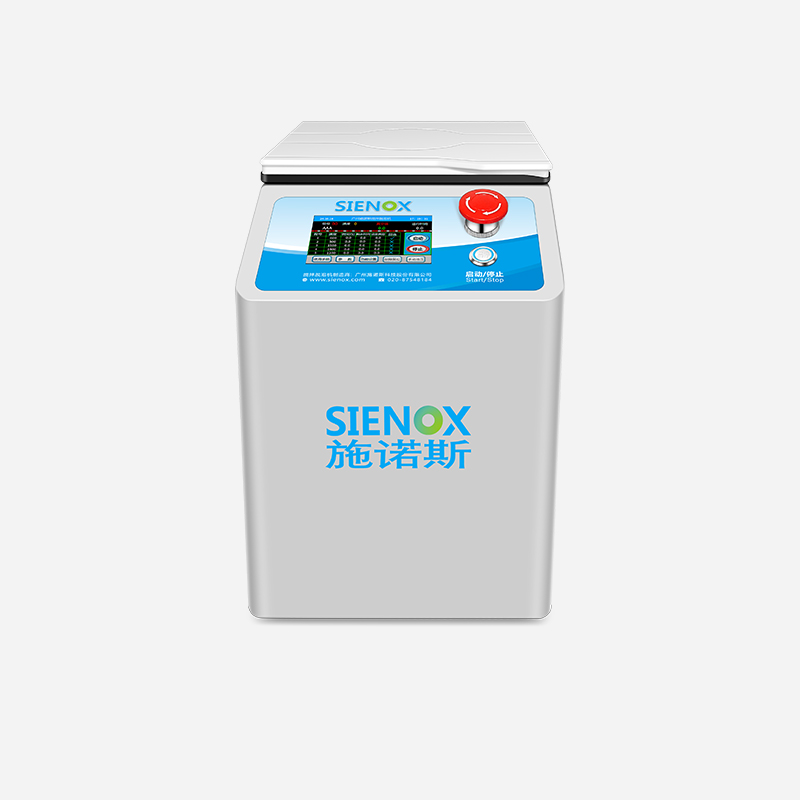
实验室行星式搅拌脱泡机 SIE-SV200
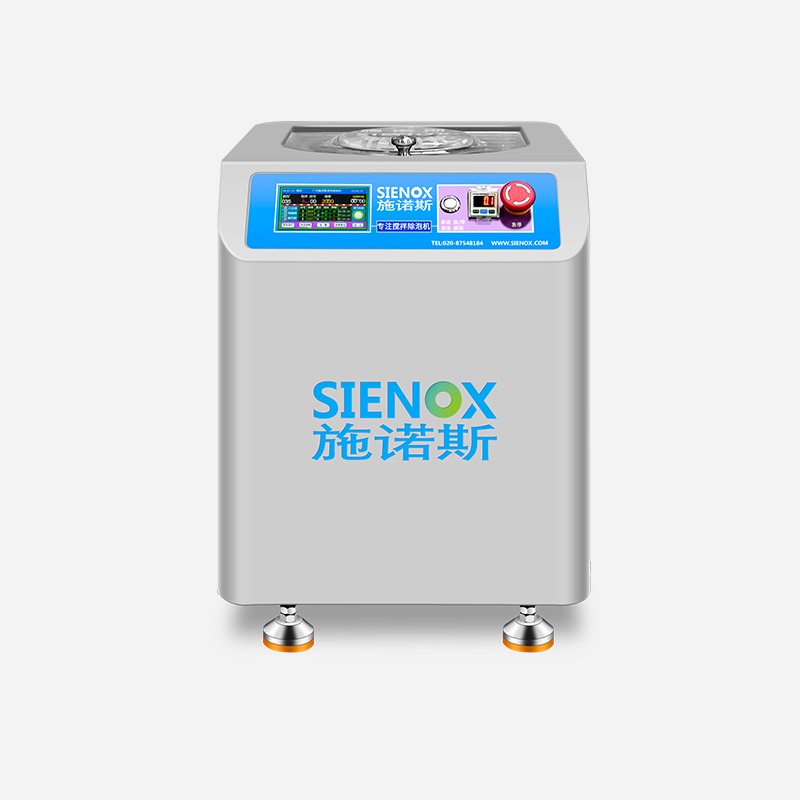
SIENOX行星式脱泡搅拌机 SIE-CV300
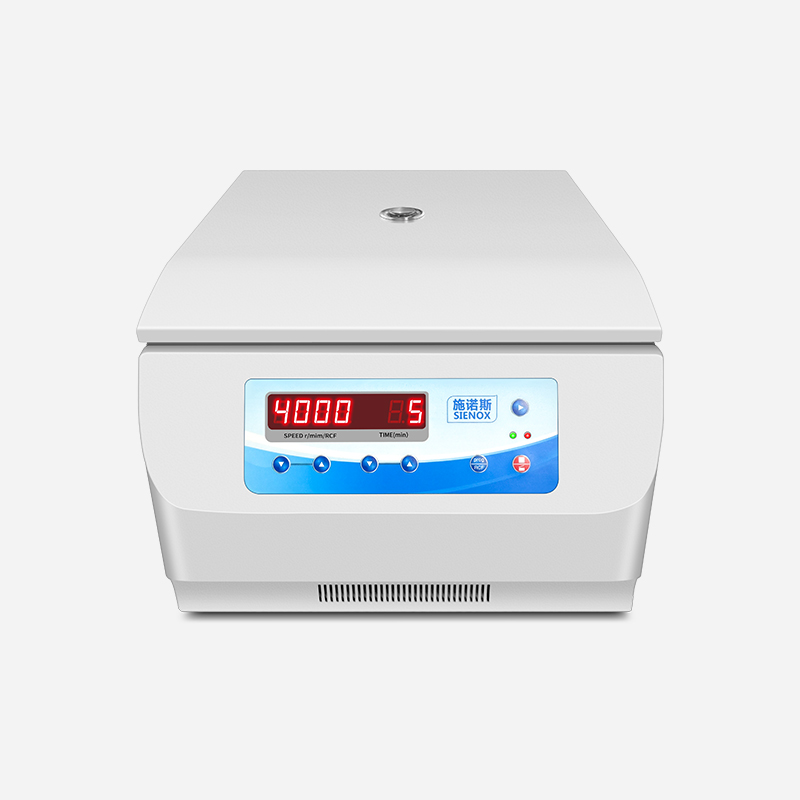
离心脱泡机 SIE-C006
About SIENOX
广州施诺斯(SIENOX),20年脱泡机设备研发与生产的源头厂家
超过1800种材料脱泡案例
纳米级脱泡,满足不同材料多段搅拌除泡需要,支持定制
资质齐全,荣获多项国家专利,联系我们可免费试样