


News

TEL:18925129293


How to Select Glue Defoaming Equipment
date:2026-09-18author:小施In industrial production, the selection of glue defoaming equipment is critical. The quality of glue defoaming directly affects the strength, appearance and service life of products. Therefore, selecting suitable defoaming equipment can greatly improve production efficiency and product quality. Below are key factors and purchasing guidelines to help you pick the most appropriate glue defoaming equipment.
1. Clarify Defoaming Requirements
Before selecting glue defoaming equipment, you need to define specific defoaming requirements first. These include:
Glue Type: Different types of glue (epoxy resin, silicone, polyurethane, etc.) impose different requirements on defoaming equipment.
Production Scale: The demands differ greatly between small laboratory trials and large-scale production lines.
Defoaming Effect: Required thoroughness of defoaming and allowable bubble content during production.
2. Equipment Type Selection
Choose the proper type of defoaming equipment according to production demands. The main types are as follows:
Vacuum Defoaming Machine: It removes bubbles from glue under vacuum environment and is applicable to various types of glue. It can eliminate bubbles efficiently and thoroughly, suitable for high-precision applications.
Centrifugal Defoaming Machine: It removes bubbles by centrifugal force generated from high-speed rotation, suitable for high-viscosity glue. It features fast processing speed, yet high homogeneity of glue is required.
Vacuum Mixing and Defoaming Machine: It adopts planetary revolution and rotation design to remove bubbles. With non-contact structure, it delivers high defoaming efficiency for glue treatment, though the equipment cost is relatively high.
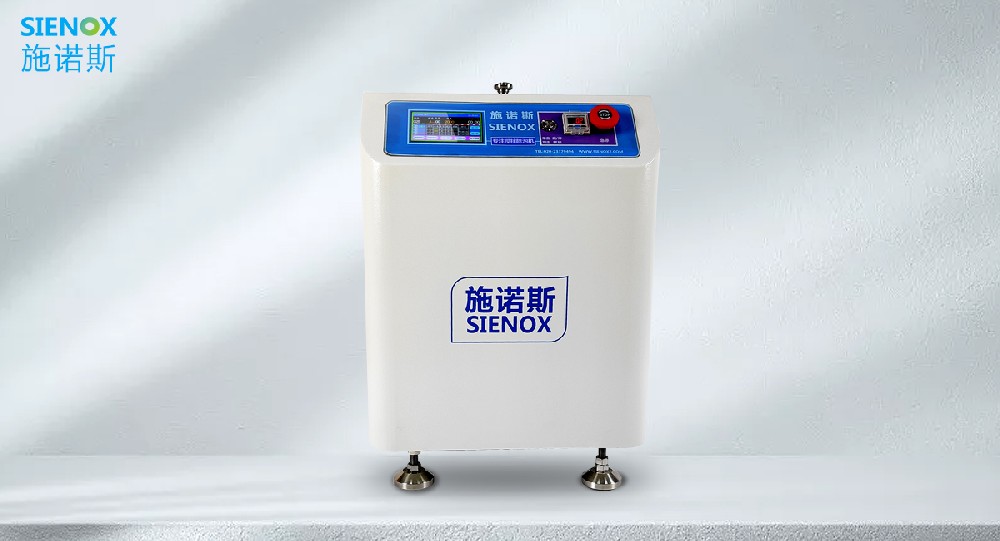
3. Consider Equipment Performance
When selecting glue defoaming equipment, pay attention to the following performance parameters:
Vacuum Degree or Centrifugal Force: The vacuum degree of vacuum defoaming machines or centrifugal force of centrifugal defoaming machines directly determines defoaming effect. Ensure the equipment meets process requirements.
Processing Capacity: The equipment capacity shall match the production scale. Small models fit laboratory or small-batch production, while large units serve mass production lines.
Stability and Durability: Stability and durability determine failure rate and maintenance cost in long-term operation. Choosing well-known brands and high-quality equipment reduces failures and maintenance expenses.
4. Operation Convenience
Operation convenience directly influences production efficiency and user experience. Take the following factors into consideration:
User Interface: Pick equipment with user-friendly interface to reduce operation complexity.
Automation Level: High automation reduces manual intervention and improves productivity.
Maintenance and Cleaning: Easy cleaning and maintenance are important selection criteria. Regular maintenance can extend equipment service life.
5. Cost and Budget
Equipment price is a major consideration. Evaluate equipment performance, maintenance cost and production benefit comprehensively to select cost-effective equipment. High-end devices may provide better performance and longer service life, but you need to balance actual demands and budget.
6. After-sales Service
Reliable after-sales service guarantees stable equipment operation and timely troubleshooting. Select suppliers with complete after-sales support, who can provide technical support, repair service and spare parts supply to reduce production risks and inconveniences.
If you are faced with tricky defoaming problems, please contact Sienox engineers. We can provide customized professional solutions. In the field of mixing and defoaming, we keep overcoming technical challenges to support new material R&D and product manufacturing. Cooperate with Sienox and experience the beauty of industrial technology.
Related recommendations
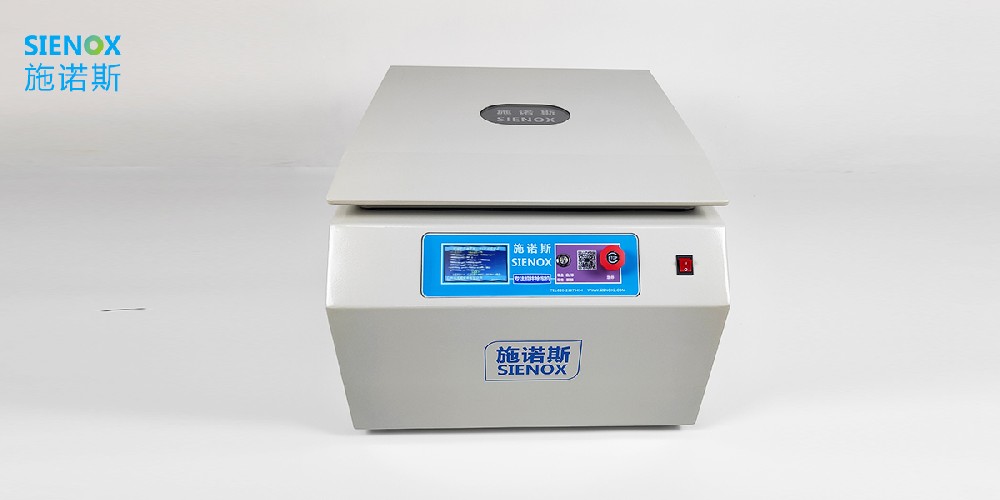
Centrifugal defoaming machine: An efficient tool for both laboratory and factory.
The extensive application fields of planetary defoaming machines.
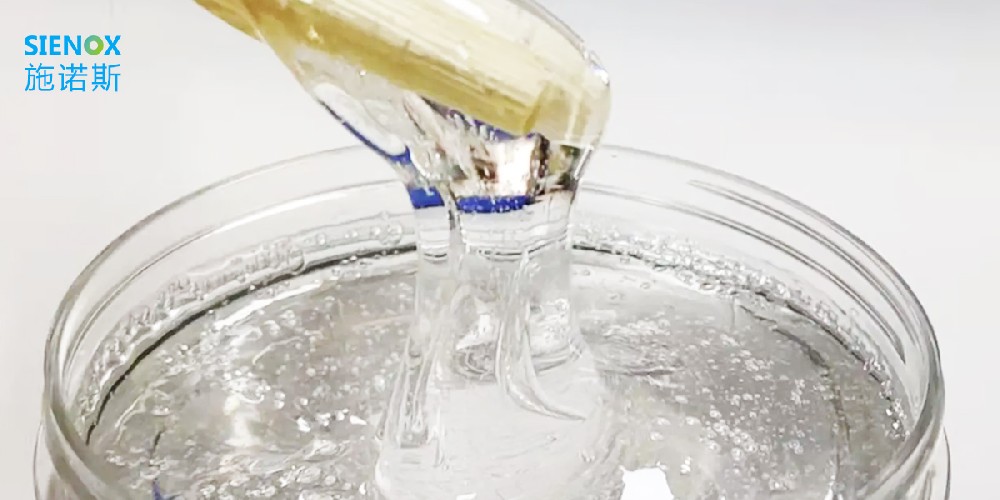
How to remove bubbles from glue
The application of vacuum stirring defoaming machine in the defoaming process of silver paste materials.
Perhaps you still need....
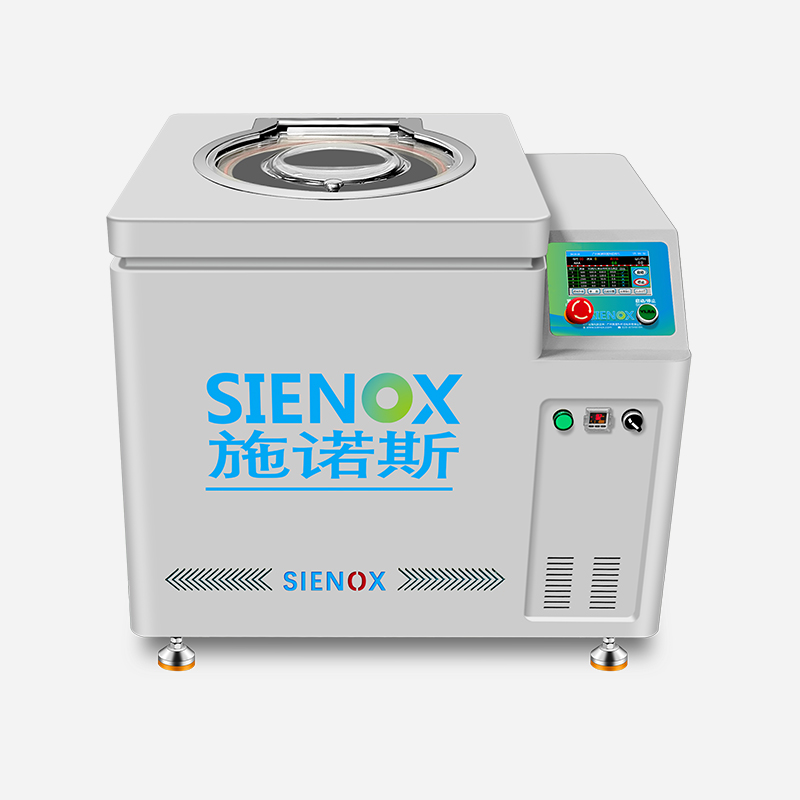
行星式真空脱泡搅拌机 SIE-MIX1000plus
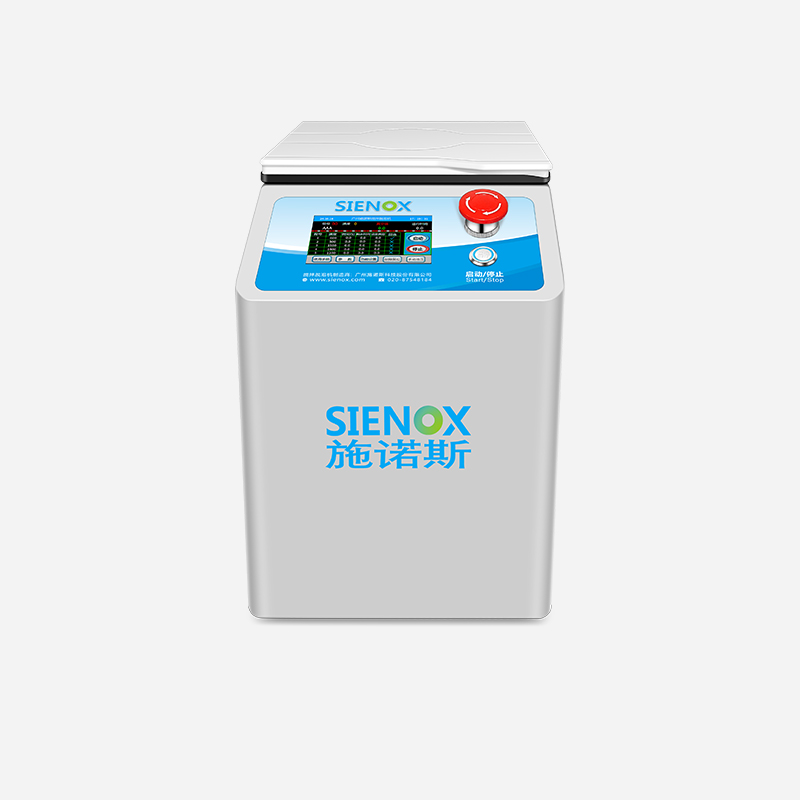
实验室行星式搅拌脱泡机 SIE-SV200
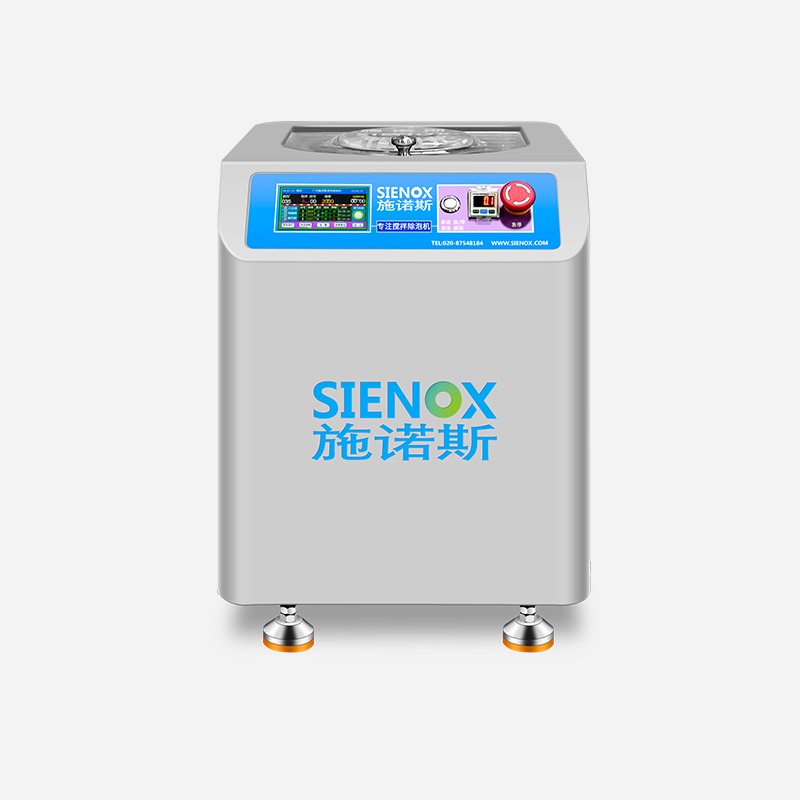
SIENOX行星式脱泡搅拌机 SIE-CV300
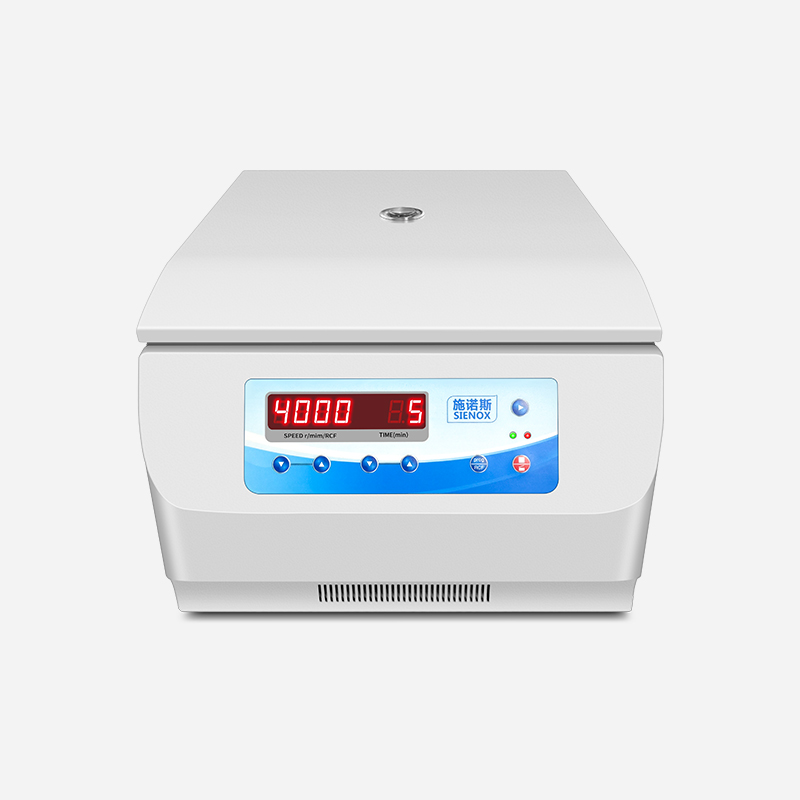
离心脱泡机 SIE-C006
About SIENOX
广州施诺斯(SIENOX),20年脱泡机设备研发与生产的源头厂家
超过1800种材料脱泡案例
纳米级脱泡,满足不同材料多段搅拌除泡需要,支持定制
资质齐全,荣获多项国家专利,联系我们可免费试样