


News

TEL:18925129293


How to Choose a Vacuum Stirring Defoaming Machine with Suitable Rotating Speed According to Material Characteristics
date:2026-09-18author:小施Vacuum stirring defoaming machines play an extremely critical role in many industrial production and scientific research fields. They are widely applied from fine processing of electronic materials and cosmetic development & production to chemical synthesis and pharmaceutical formulation preparation. However, facing various types of materials, how to select a vacuum stirring defoaming machine with proper rotating speed according to material characteristics has become the core point to achieve efficient production and high-quality products.
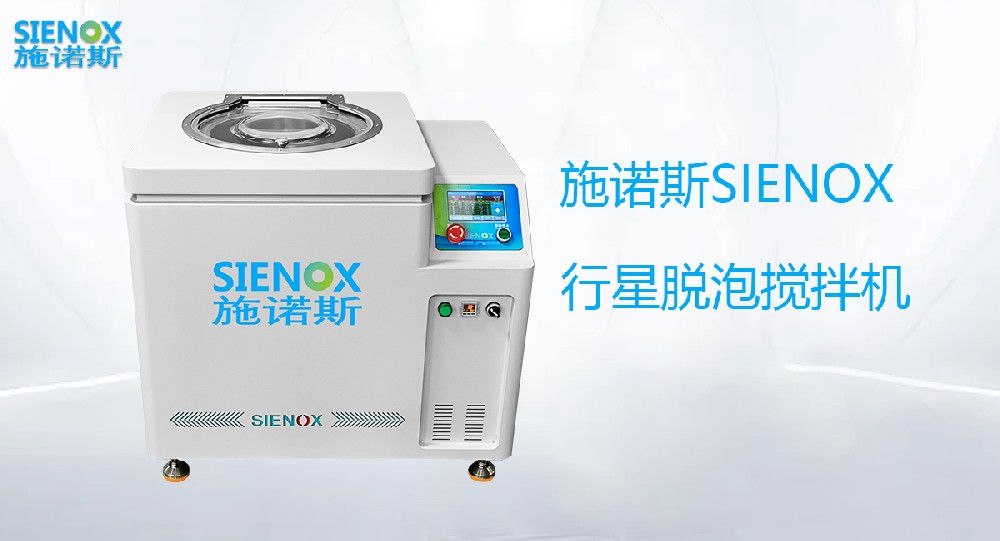
Selection Based on Material Viscosity
Low-viscosity materials: Such as thin glue, water-based coatings and inks, which have good fluidity and bubbles can easily escape during stirring. For these materials, a relatively low rotating speed is sufficient. Generally, revolution speed of 300-600rpm and rotation speed of 150-300rpm are suitable. For example, the SIE-MIX60 syringe-specific vacuum defoaming mixer from Sienox features revolution speed 300-800rpm and rotation speed 150-400rpm. For low-viscosity materials, users can choose parameters within its low speed range.
High-viscosity materials: For high-viscosity materials such as electronic slurry and paste cosmetics, bubbles cannot move and escape quickly. Higher rotating speed is required to generate sufficient shear force to overcome viscous resistance and release bubbles. The recommended revolution speed is 800-1400rpm and rotation speed 400-2000rpm. For instance, Sienox SIE-MIX1000PLUS vacuum stirring defoaming machine has revolution speed 300-1400rpm and rotation speed 0-2000rpm. Higher revolution and rotation speed can be adopted for high-viscosity materials.
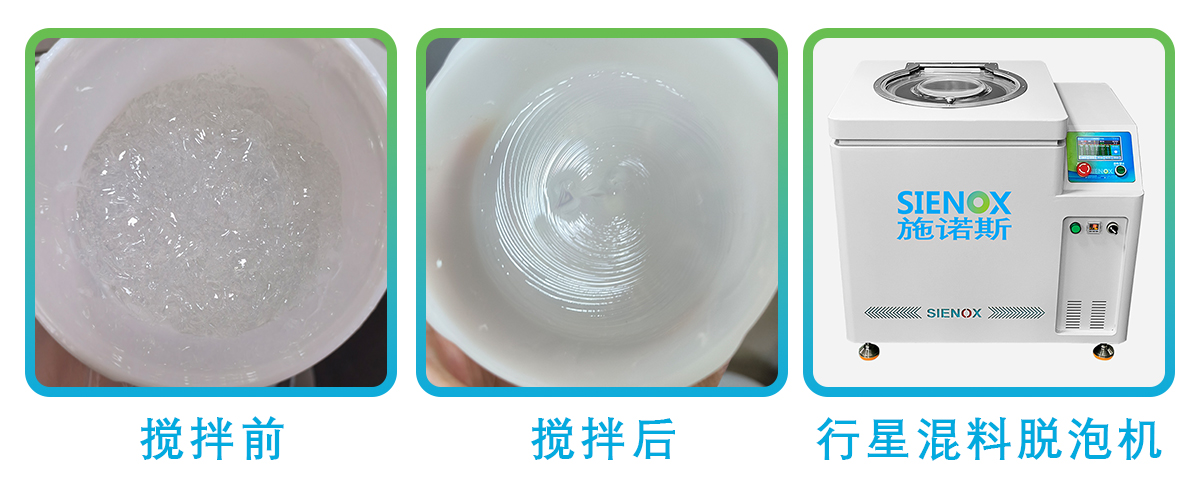
Consider Particle Size and Distribution of Materials
Materials with fine and evenly distributed particles: For mixtures of nano powder and liquid with fine and uniformly dispersed particles, low stirring speed can realize thorough mixing and defoaming and avoid particle agglomeration caused by excessive speed. The speed reference is the same as low-viscosity materials: revolution 300-600rpm, rotation 150-300rpm.
Materials with large or unevenly distributed particles: For materials containing large particles or uneven particle distribution, such as some composite materials and glue with lumps, higher rotating speed is needed to disperse particles evenly and discharge bubbles from particle gaps. Recommended parameters: revolution 600-1000rpm, rotation 300-500rpm.
Refer to Chemical Stability and Sensitivity of Materials
Chemically stable materials: For materials with stable chemical properties that are not easy to deteriorate or decompose under stirring, users can select rotating speed within a wide range according to viscosity and particle characteristics.
Chemically sensitive materials: For materials sensitive to shear force and temperature change, such as biological preparations and oxidizable pharmaceuticals, low stirring speed should be adopted to minimize performance impact. Meanwhile, control temperature and vacuum degree during defoaming. The speed is generally kept below revolution 200-400rpm and rotation 100-200rpm.
Based on Specific Gravity Difference of Mixed Materials
Materials with similar specific gravity: When mixed materials have close specific gravity, uniform mixing and defoaming can be achieved easily with moderate speed: revolution 400-800rpm, rotation 200-400rpm.
Materials with large specific gravity difference: For materials with obvious density difference, such as oil-water emulsion and mixture of metal powder and organics, higher rotating speed is required to generate strong shear force and convection to prevent delamination and ensure full mixing and defoaming. Recommended revolution speed: 800-1200rpm, rotation speed: 400-600rpm.
Related recommendations
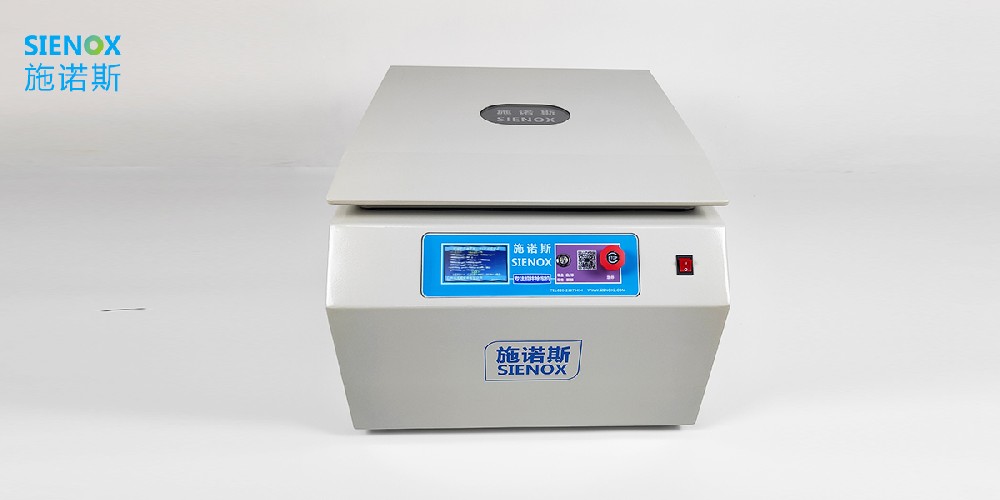
Centrifugal defoaming machine: An efficient tool for both laboratory and factory.

The extensive application fields of planetary defoaming machines.
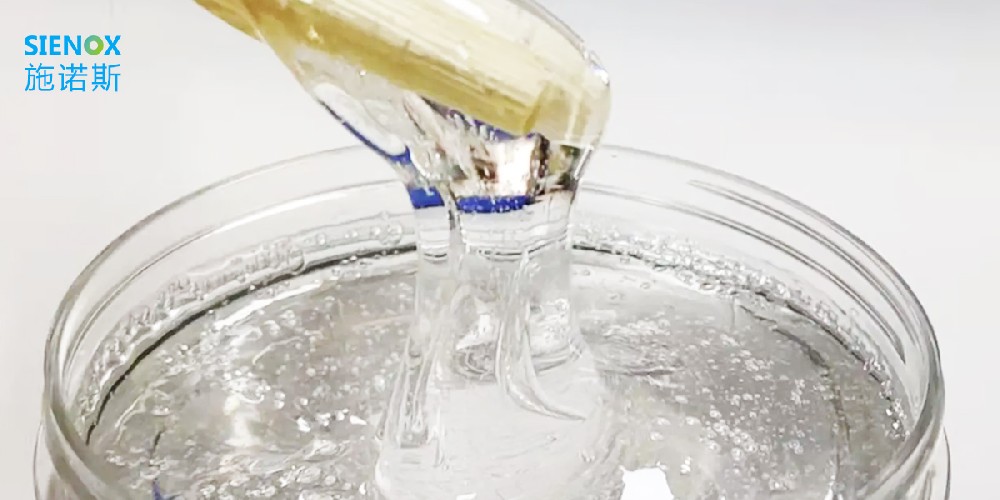
How to remove bubbles from glue

The application of vacuum stirring defoaming machine in the defoaming process of silver paste materials.
Perhaps you still need....
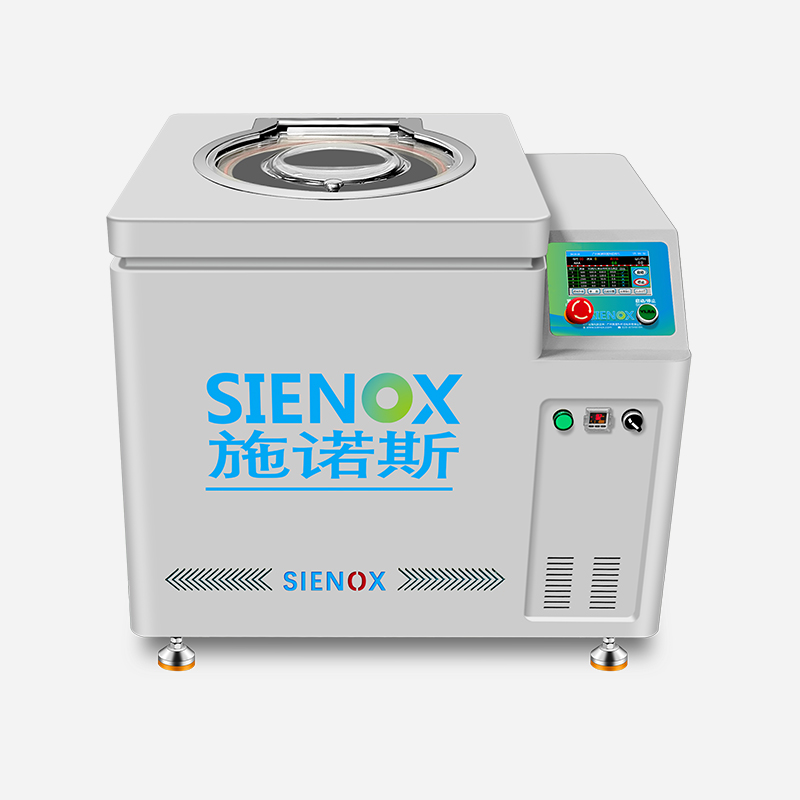
行星式真空脱泡搅拌机 SIE-MIX1000plus
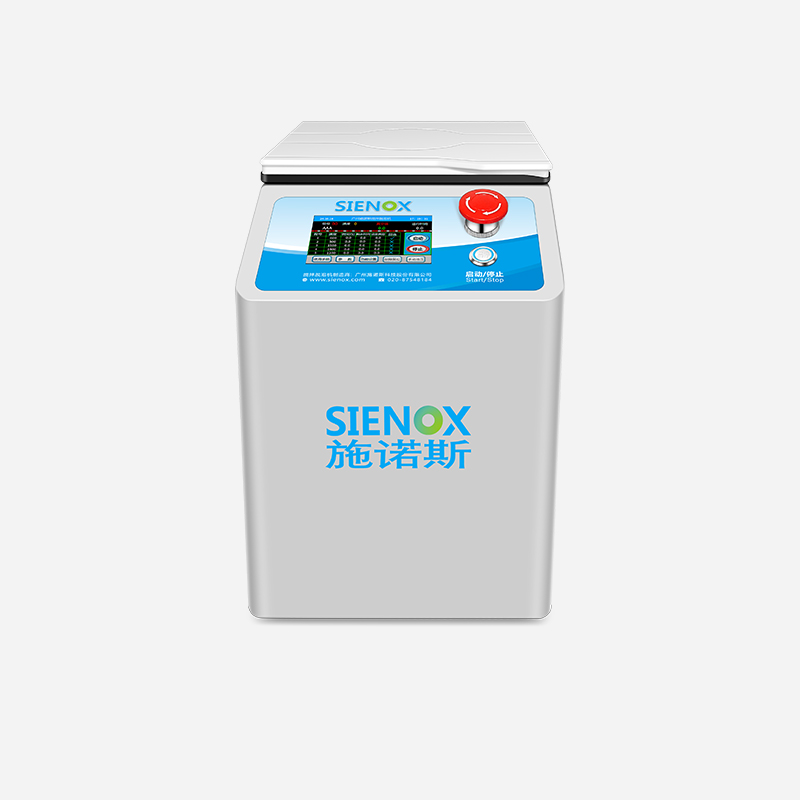
实验室行星式搅拌脱泡机 SIE-SV200
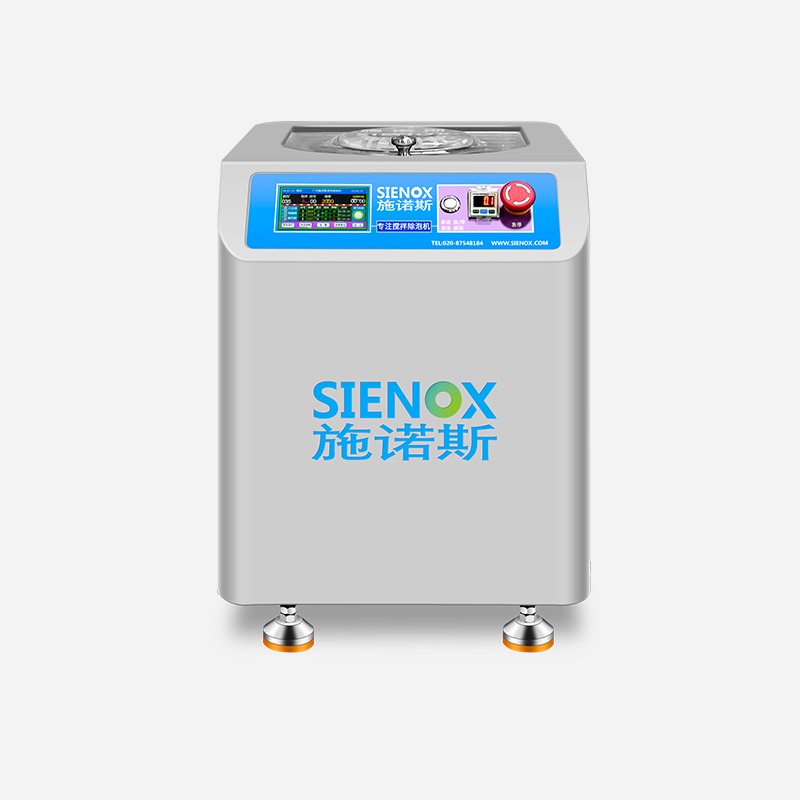
SIENOX行星式脱泡搅拌机 SIE-CV300
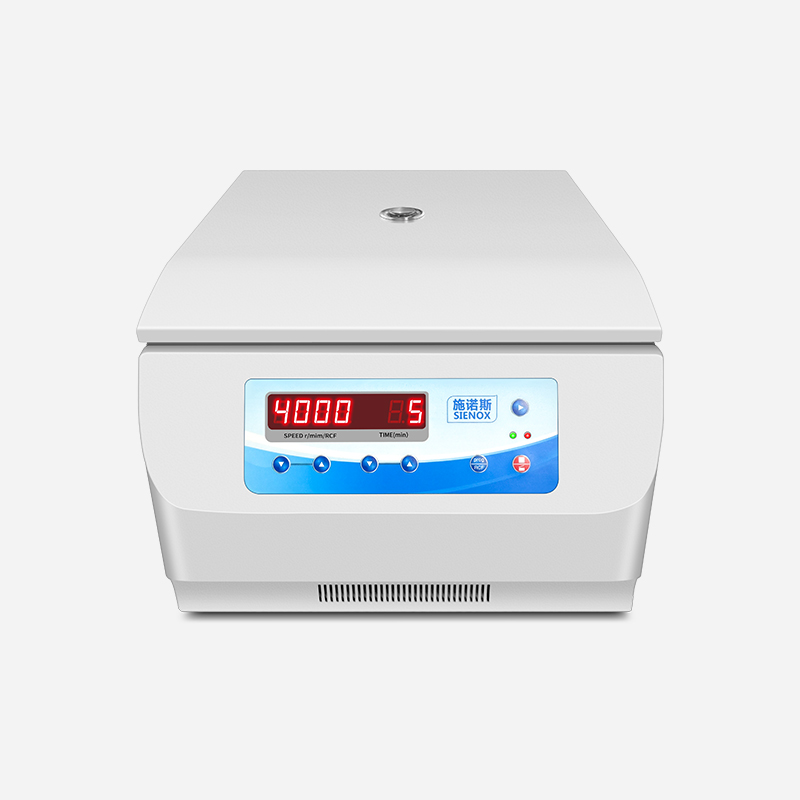
离心脱泡机 SIE-C006
About SIENOX
广州施诺斯(SIENOX),20年脱泡机设备研发与生产的源头厂家
超过1800种材料脱泡案例
纳米级脱泡,满足不同材料多段搅拌除泡需要,支持定制
资质齐全,荣获多项国家专利,联系我们可免费试样