


News
TEL:18925129293


How to Select a Vacuum Defoaming Machine Manufacturer in Guangdong? 5 Key Factors to Support Your Decision-making
date:2026-09-17author:小施As a cluster of high-end manufacturing industries in China, Guangdong hosts numerous vacuum defoaming machine manufacturers, yet equipment performance and service quality vary greatly. How to select a technically reliable partner that matches your requirements? This article analyzes key selection criteria from five core dimensions, taking SIENOX defoaming machines as an example to help you make efficient decisions.

I. Technical Strength: R&D Capability and Industrial Experience
The performance of vacuum defoaming machines depends on the manufacturer’s technical accumulation and innovation capacity. Focus on the following points:
Patents and Certifications: Whether the manufacturer owns independently developed core technologies (such as patents for defoaming programs and mixing systems) and ISO certifications.
Industrial Cases: Whether it has served customers in target sectors including electronics, new energy and medical industries, and can provide measured data or application reports.
SIENOX Advantages:
With 18 years of dedication to vacuum defoaming technology, SIENOX holds more than 22 technical patents. Its equipment is ISO 9001 certified. The company has served over 500 enterprises worldwide, covering high-demanding industries such as lithium batteries, semiconductor packaging and biomedicine.
II. Equipment Adaptability: Ability to Meet Customization Requirements
Industries differ greatly in requirements for defoaming efficiency, material compatibility and safety standards. Pay attention to:
Parameter Range: Whether vacuum degree, speed adjustment and temperature control accuracy match production demands.
Customization Services: Whether upgrades of chamber materials (e.g. 316L stainless steel), explosion-proof design and sterile environment adaptation are available.
SIENOX Solutions:
Offers full-range models from 0 to 100L with vacuum degree up to -100kPa. It supports material sample testing and customized process parameters to deliver targeted solutions.
III. Production Assurance: Quality Control System and Delivery Capacity
Quality Control Process: Whether strict inspections are implemented from raw material procurement to factory delivery, such as air tightness tests and 72-hour continuous operation tests.
Delivery Cycle: Whether the lead time for small and medium-sized equipment is controlled within 15–30 days to avoid disrupting production schedules.
SIENOX Commitment:
Core components adopt imported brands such as imported vacuum pumps and sensors. Every machine undergoes 21 performance tests before shipment. Standard models can be delivered within 15 days, and urgent orders can be expedited to 7 days.
IV. After-sales Service: Response Speed and Long-term Support
Service Network: Whether service centers are available to provide rapid on-site maintenance.
Value-added Services: Whether free operation training, annual maintenance or remote diagnostic support are included.
SIENOX Support:
Provides 24/7 online response, technical reply within 2 hours, on-site service within 48 hours and 7×24 remote online diagnostic support.
V. Cost-performance Evaluation: Comprehensive Cost and Long-term Value
Avoid focusing merely on upfront prices. Comprehensive calculation should cover:
Energy Efficiency: Whether the equipment features energy-saving modes to reduce long-term electricity costs.
Maintenance Cost: Whether wearing parts (such as sealing rings) are supplied with standard specifications and transparent pricing.
SIENOX Value:
Adopts modular energy-saving design, cutting energy consumption by 18%-25% compared with traditional models. It provides a lifelong cost list, and core components enjoy a 1-year warranty to reduce hidden expenses.
Why do many Guangdong enterprises choose SIENOX?
Localization Advantages: Production base in Guangdong plus local service team for rapid demand response.
Transparent Cooperation: Freely provides equipment performance test reports and comparative data of peer cases.
Long-term Win-win Partnership: Customer repurchase rate exceeds 85%, and 30% of orders come from referrals of existing customers.
Related recommendations
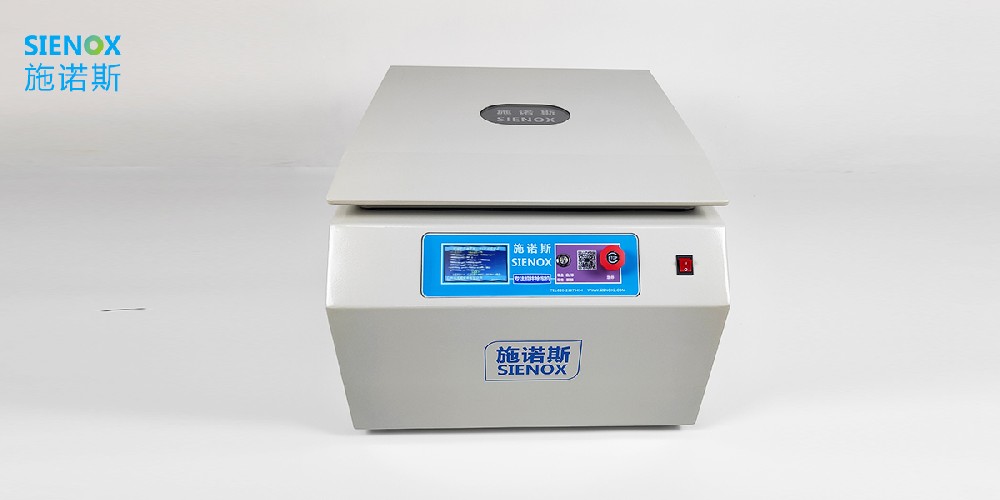
Centrifugal defoaming machine: An efficient tool for both laboratory and factory.
The extensive application fields of planetary defoaming machines.
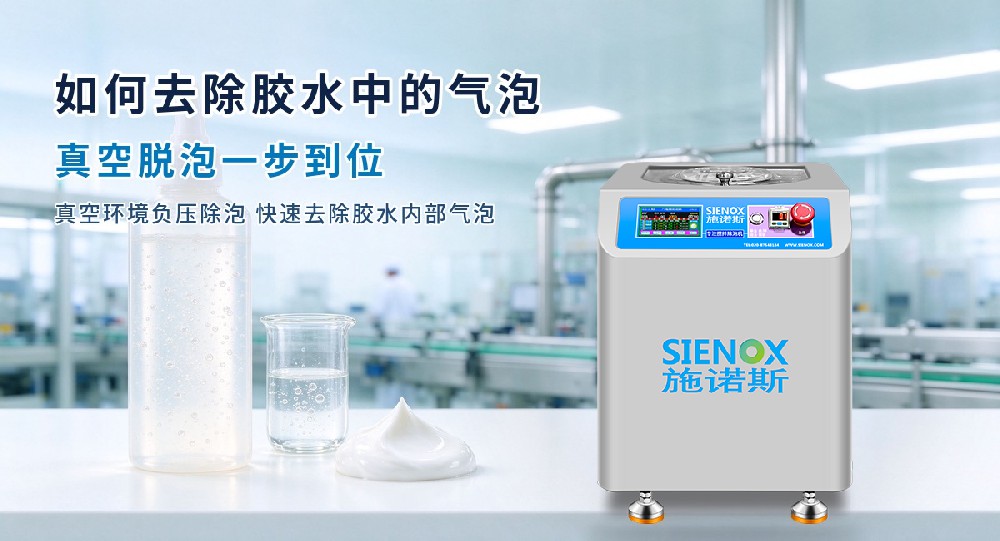
How to remove bubbles from glue
The application of vacuum stirring defoaming machine in the defoaming process of silver paste materials.
Perhaps you still need....
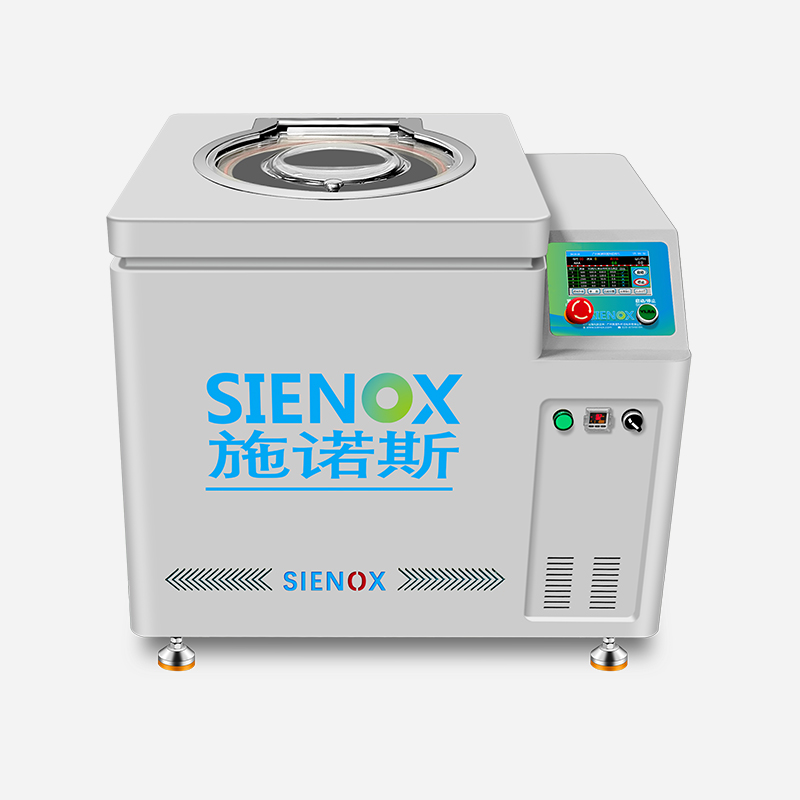
行星式真空脱泡搅拌机 SIE-MIX1000plus
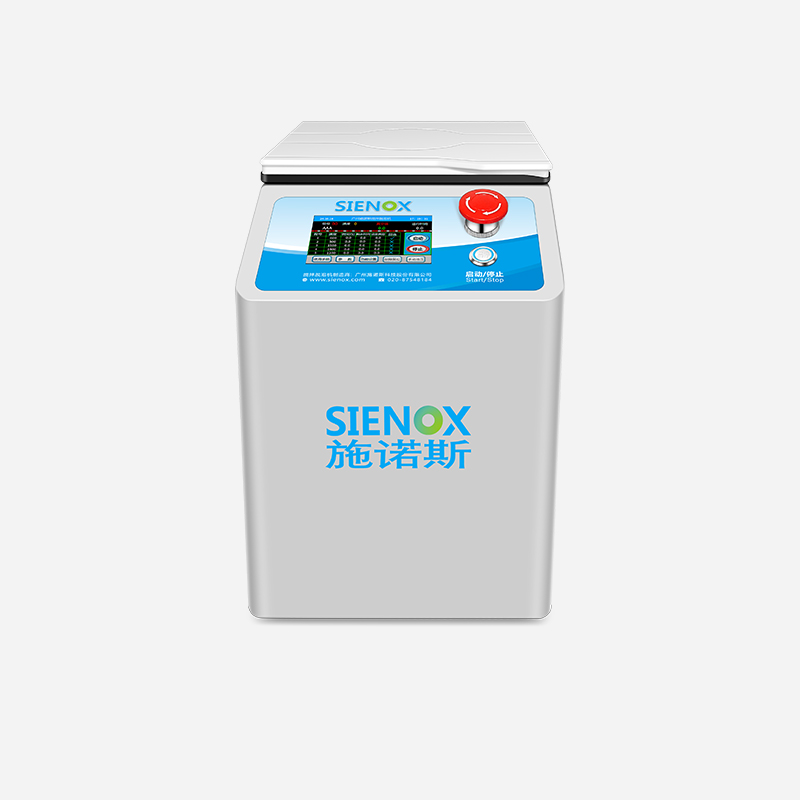
实验室行星式搅拌脱泡机 SIE-SV200
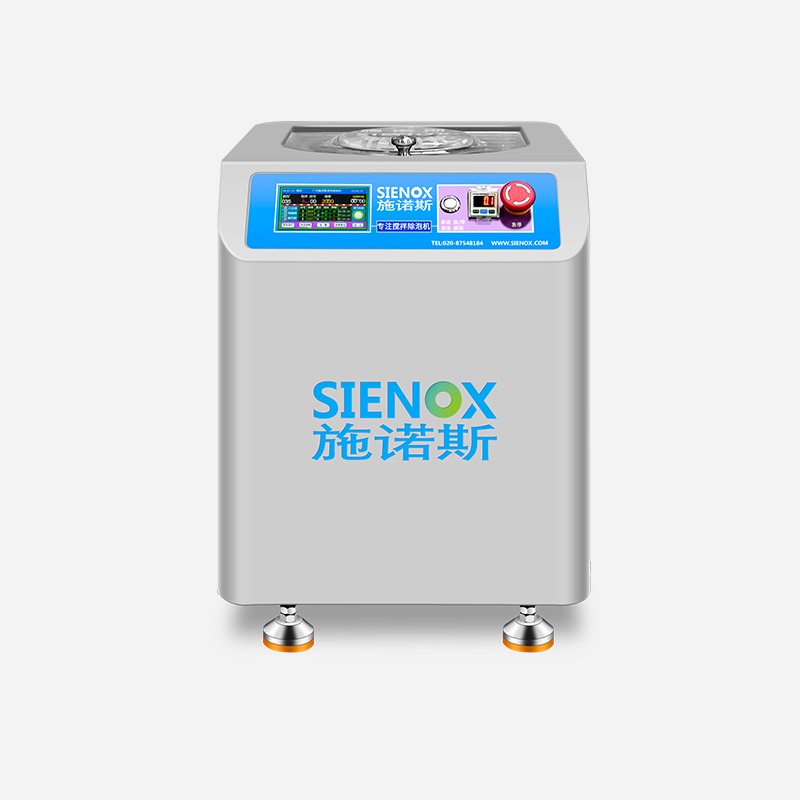
SIENOX行星式脱泡搅拌机 SIE-CV300
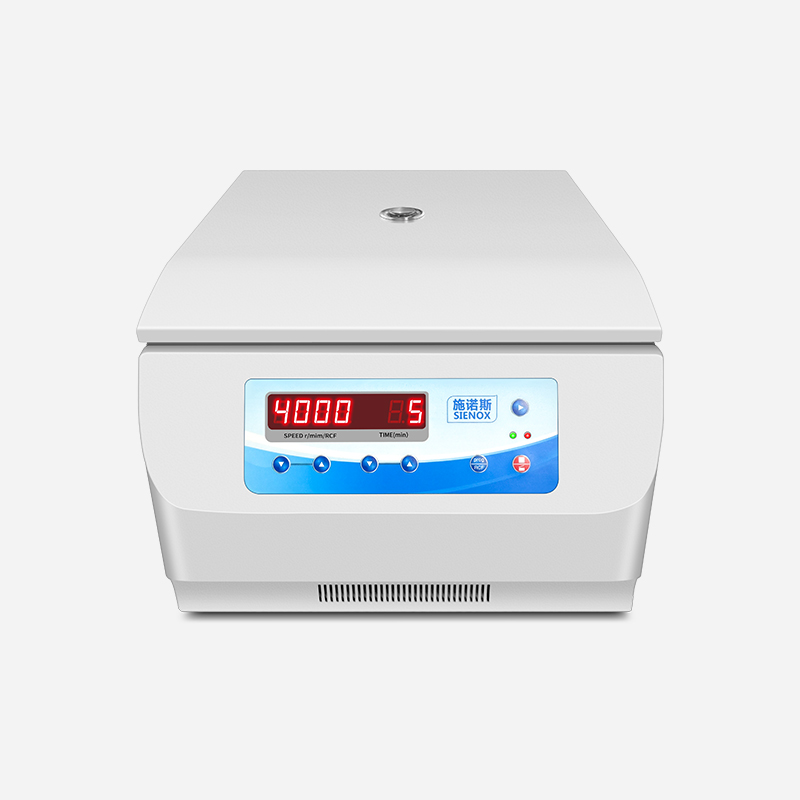
离心脱泡机 SIE-C006
About SIENOX
广州施诺斯(SIENOX),20年脱泡机设备研发与生产的源头厂家
超过1800种材料脱泡案例
纳米级脱泡,满足不同材料多段搅拌除泡需要,支持定制
资质齐全,荣获多项国家专利,联系我们可免费试样