


News

TEL:18925129293


Innovative Application of Planetary Stirring Defoaming Machines in Conductive Adhesive Material Preparation
date:2026-09-17author:小施In the manufacturing of electronic packaging, flexible circuits and 5G communication components, conductive adhesives serve as critical interconnection materials. Their electrical conductivity, bonding strength and process stability directly determine the reliability of end products. Featuring revolution-and-rotation motion and non-contact design, planetary stirring defoaming machines deliver a groundbreaking solution for the efficient preparation of conductive adhesives, with outstanding performance especially in nano conductive filler dispersion, adaptability to low-temperature curing processes and low porosity control.
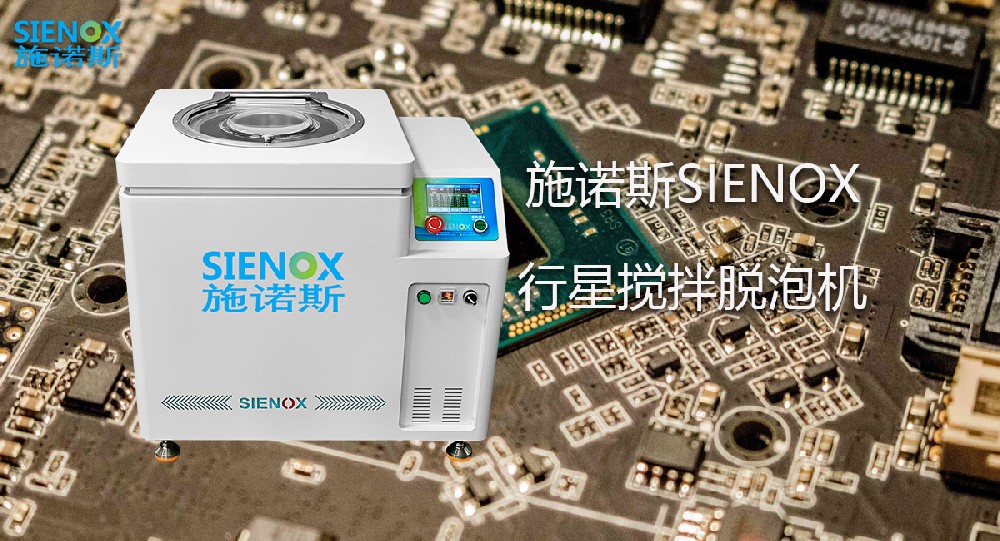
Revolution-and-Rotation Motion: Achieve Uniform Dispersion of Conductive Fillers
The core performance of conductive adhesives relies on the even distribution of conductive fillers such as silver powder and carbon nanotubes. Conventional mechanical stirring tends to cause filler agglomeration or breakage of metal fibers. By virtue of the compound motion of the container, planetary stirring defoaming machines build a three-dimensional centrifugal force field under vacuum conditions. The centrifugal force generated by container revolution pushes materials outward, while reverse shear force produced by rotation facilitates uniform filler dispersion. For instance, this technology enables silver-coated copper powder conductive adhesives to attain filler homogeneity above 98% with resistivity fluctuation within ±5%, and prevents metal oxidation to ensure efficient formation of conductive paths.
Non-contact Vacuum Defoaming: Eliminate Micropore Defects
Tiny bubbles inside conductive adhesives will form insulating micropores after curing, severely impairing conductive stability. Planetary stirring defoaming machines adopt a fully enclosed non-contact structure. The magnetically driven container movement eliminates risks of lubricant contamination while performing gradient vacuum defoaming simultaneously. In silver paste production, the equipment can reduce residual bubbles below 0.005% and raise the density of cured adhesive layers to 99.6%, greatly cutting high-frequency signal transmission loss. Besides, the temperature control module enables precise regulation ranging from -20℃ to 150℃, meeting process requirements of low-temperature curing conductive adhesives such as epoxy-silver systems and avoiding resin carbonization caused by high temperature.
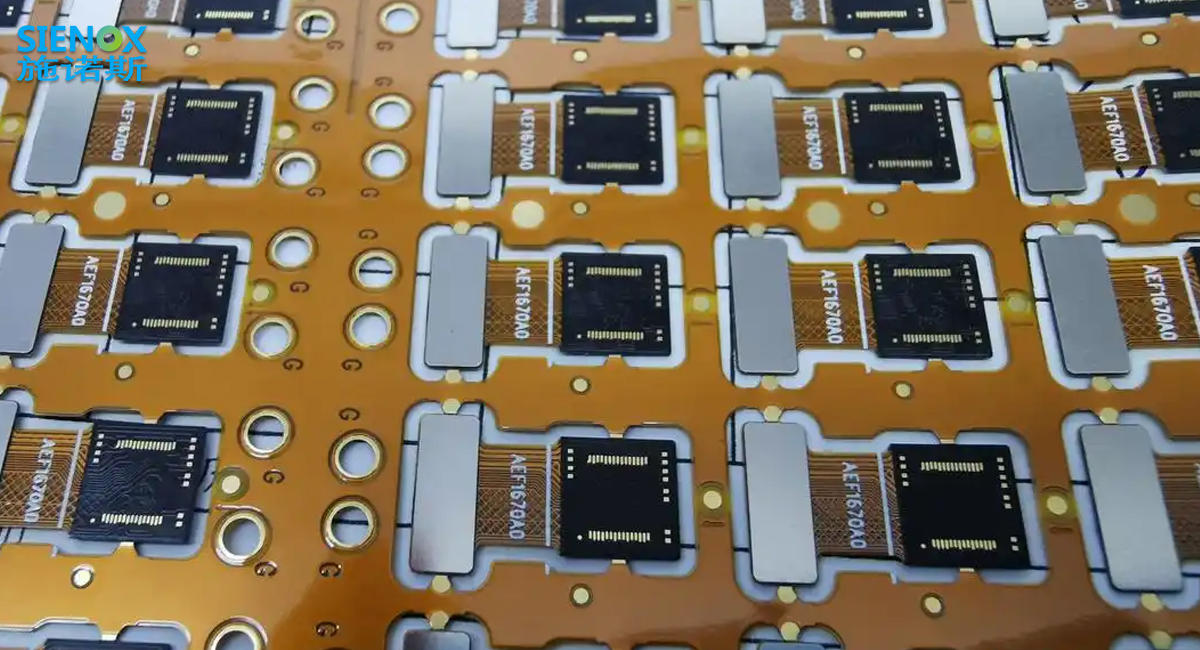
SIENOX: Enabler for High-reliability Manufacturing of Conductive Adhesives
To tackle industry pain points of conductive adhesives, SIENOX provides customized planetary stirring and defoaming systems. Its patented multi-stage centrifugal dispersion algorithm automatically matches different filler densities and resin viscosities to resolve gravity segregation during mixing. In the production of die-attach conductive adhesives for Mini LED chips, SIENOX equipment adopts dynamic vacuum adjustment technology to control colloid porosity below 0.3 μm, lifting chip mounting yield up to 99.9%. Meanwhile, its modular design supports rapid conversion from R&D to mass production. Currently, it has been applied in high-end fields including conductive adhesives for 5G base station filters and printing adhesives for flexible sensors, helping customers realize high-precision, low-loss electronic interconnection solutions.
With the miniaturization and high-frequency development of electronic devices, the technical value of planetary stirring defoaming machines in conductive adhesive preparation keeps growing. Continuous innovations from brands like SIENOX are driving conductive adhesive materials toward higher conductive efficiency and longer service life, laying a foundation for next-generation electronic manufacturing.
Related recommendations
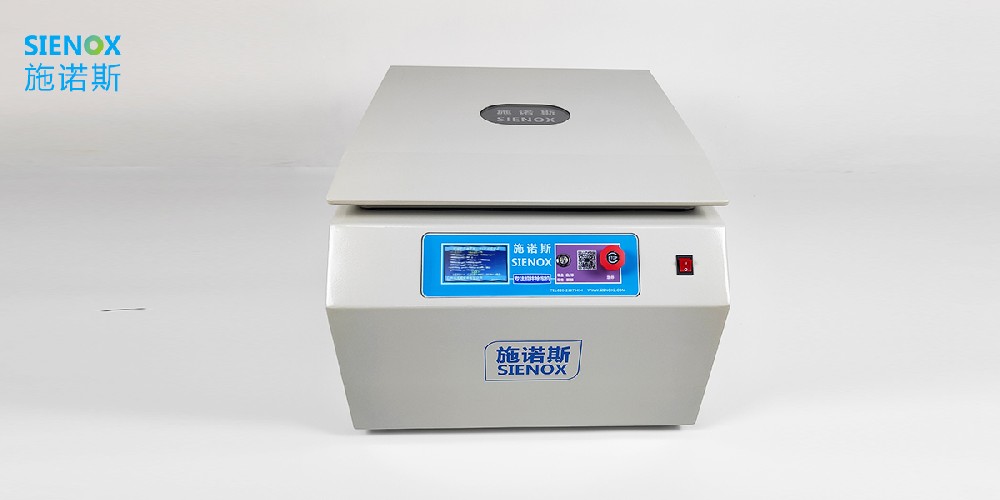
Centrifugal defoaming machine: An efficient tool for both laboratory and factory.
The extensive application fields of planetary defoaming machines.
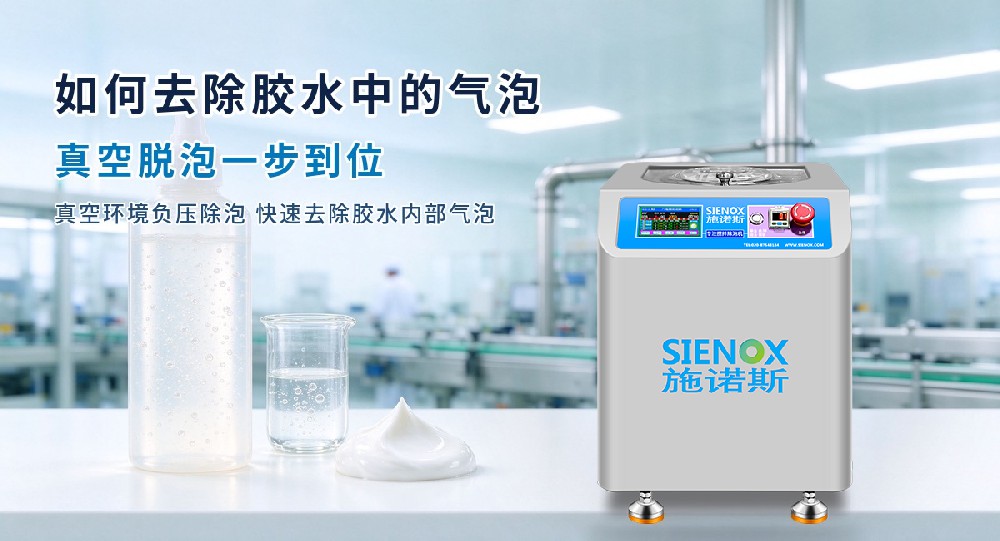
How to remove bubbles from glue
The application of vacuum stirring defoaming machine in the defoaming process of silver paste materials.
Perhaps you still need....
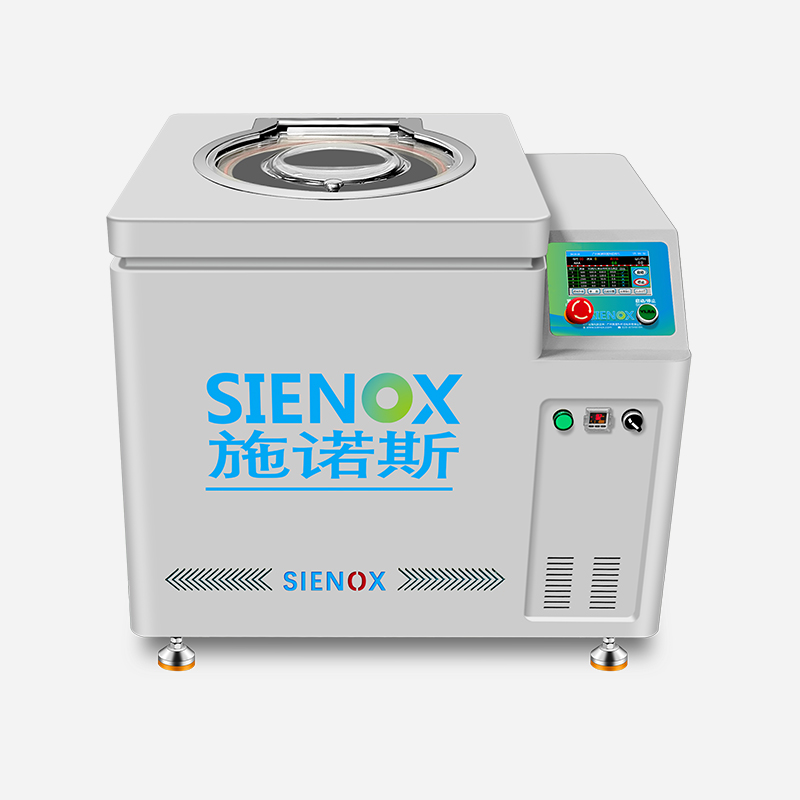
行星式真空脱泡搅拌机 SIE-MIX1000plus
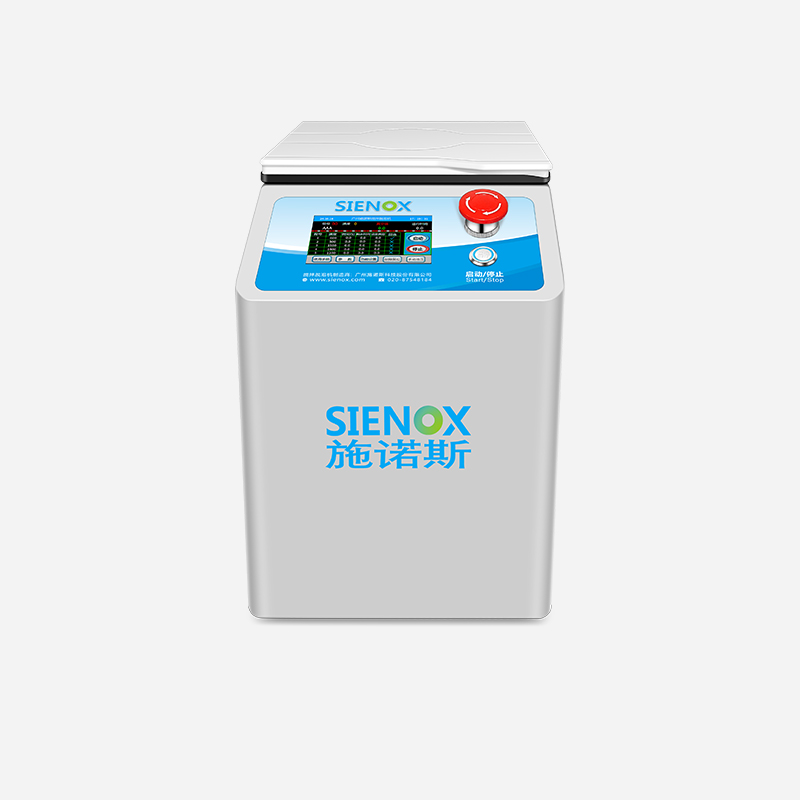
实验室行星式搅拌脱泡机 SIE-SV200
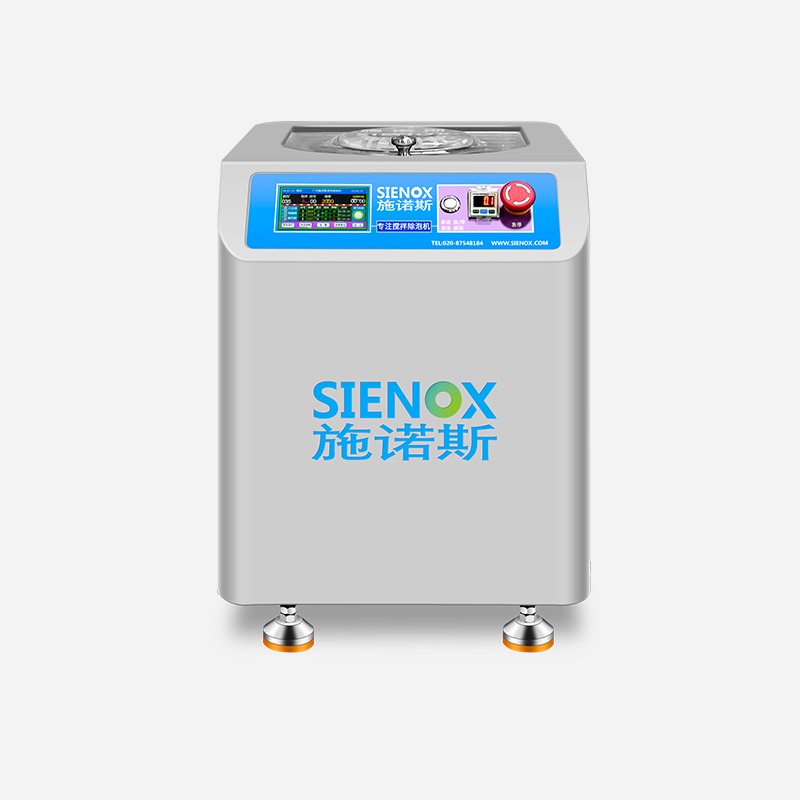
SIENOX行星式脱泡搅拌机 SIE-CV300
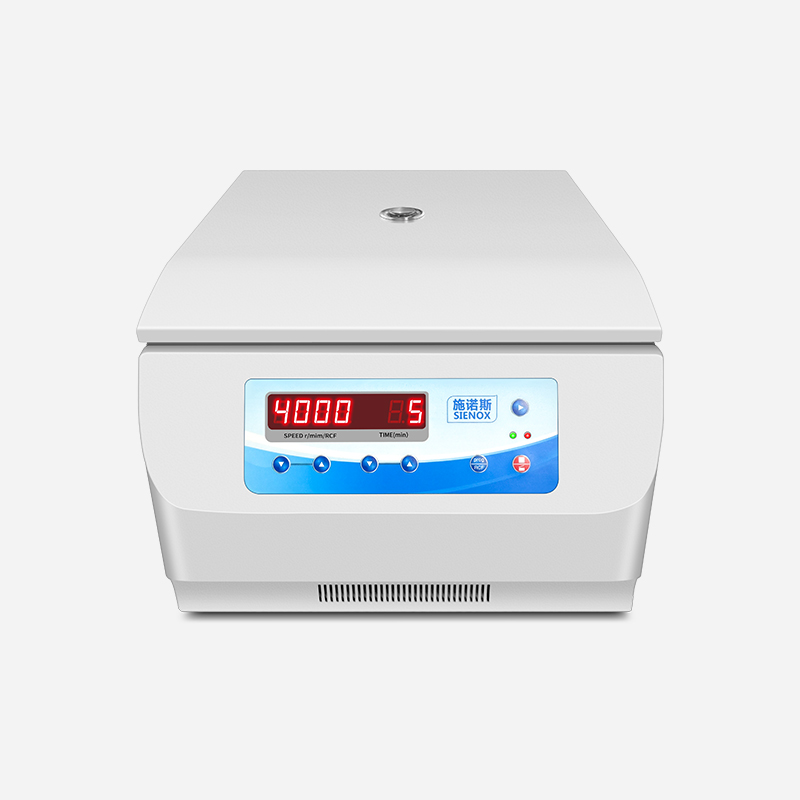
离心脱泡机 SIE-C006
About SIENOX
广州施诺斯(SIENOX),20年脱泡机设备研发与生产的源头厂家
超过1800种材料脱泡案例
纳米级脱泡,满足不同材料多段搅拌除泡需要,支持定制
资质齐全,荣获多项国家专利,联系我们可免费试样