


News

TEL:18925129293


Vacuum Stirring Defoaming Machine: The Core Powerhouse for Precision Manufacturing of Silicone Rubber Materials
date:2026-09-17author:小施During the production of silicone rubber materials, bubbles have long been a critical bottleneck restricting product performance. Featuring high viscosity, high elasticity and complex molecular structures, silicone rubber tends to entrap air and form bubbles during mixing and molding processes, resulting in surface defects, deteriorated mechanical properties or sealing failure of finished products. Adopting the innovative synergistic technology of revolution centrifugal force and rotation shear force together with the high-efficiency vacuum pumping function of vacuum pumps, vacuum stirring defoaming machines deliver a disruptive bubble removal solution for silicone rubber materials. This type of equipment can control bubble diameter below 0.01 mm and improve material homogeneity to over 98%, acting as a "quality guardian" in new energy vehicles, medical devices, semiconductor packaging and other fields.
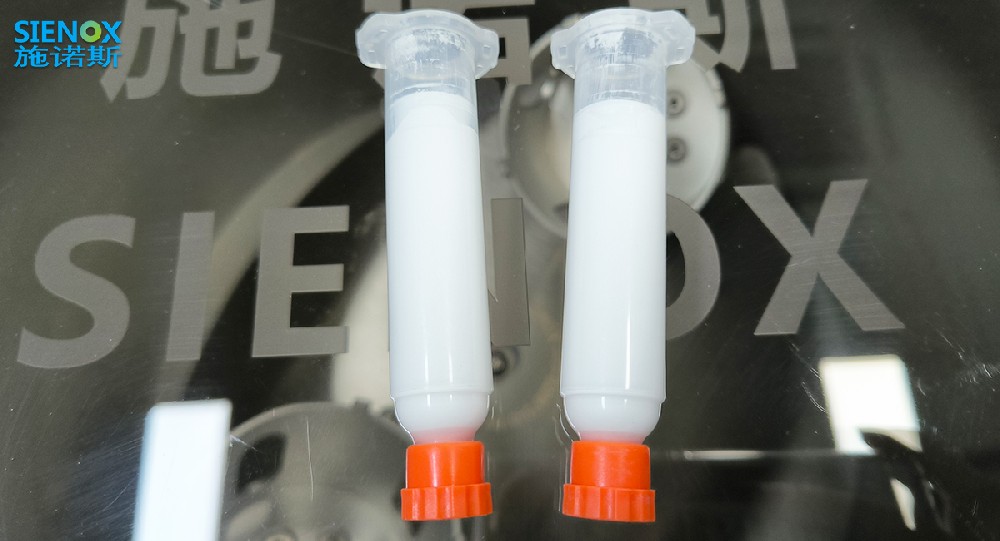
I. Technical Principle: Synergistic Revolution of Revolution Centrifugal Force and Rotation Shear Force
The core breakthrough of vacuum stirring defoaming machines lies in their unique dual-axis motion system. Equipped with a planetary stirring structure, the machine breaks large bubbles into micron-sized particles via shear force. This compound motion of "revolution for dispersion + rotation for bubble breaking", combined with an ultimate vacuum environment of -99.9 KPa, enables bubbles to expand and rupture rapidly under negative pressure and be exhausted by the vacuum pump.
Take medical-grade silicone rubber as an example. Conventional manual stirring takes more than 30 minutes with a bubble residual rate exceeding 5%, while the vacuum stirring defoaming machine only needs 5–8 minutes to reduce bubble content below 0.1%. Its key technical advantages include:
Improved dynamic defoaming efficiency: Linked control of real-time vacuum monitoring and stirring speed allows the machine to automatically adjust parameters according to silicone rubber viscosity, lifting defoaming efficiency by over 40%.
Enhanced material compatibility: It supports processing volumes ranging from 0 to 50 L and adapts to a full range of materials from low-viscosity liquid silicone to high-hardness compound rubber.
Guaranteed process stability: The 304 stainless steel chamber and food-grade silicone sealing rings prevent material contamination and meet strict cleanliness requirements of medical, electronic and other industries.
II. Application Scenarios: Full-chain Coverage from Laboratory to Industrial Production
Mature solution matrices have been formed for vacuum stirring defoaming machines applied in the silicone rubber sector:
Medical & Healthcare Industry
Case: An enterprise suffered a 12% failure rate in biocompatibility tests for urinary catheters caused by bubbles. After introducing vacuum stirring defoaming machines, the bubble residual rate dropped to 0.05% and product yield rose to 99.3%.
Technical advantages: Low-speed stirring under vacuum avoids damaging bioactive components of silicone rubber and ensures the safety of medical devices.
Electronic Packaging Industry
Case: After defoaming treatment, LED encapsulation adhesive achieves an 18% increase in thermal conductivity and 3 times longer resistance to yellowing, satisfying long-term reliability requirements for automotive headlight modules.
Technical breakthrough: Combined with a temperature control system (40–80℃) to reduce material viscosity and accelerate bubble discharge under vacuum negative pressure, microbubbles smaller than 0.01 mm can be thoroughly eliminated.
New Energy Vehicle Industry
Case: After processing by vacuum stirring defoaming machines, power battery sealing gaskets see their temperature resistance raised from 120℃ to 150℃ and aging resistance service life doubled, meeting sealing demands under extreme working conditions.
Technical innovation: With intelligent pressure compensation technology, the machine dynamically adjusts stirring intensity at a vacuum degree of -99.9 KPa to prevent structural damage to high-viscosity silicone rubber caused by excessive shearing.
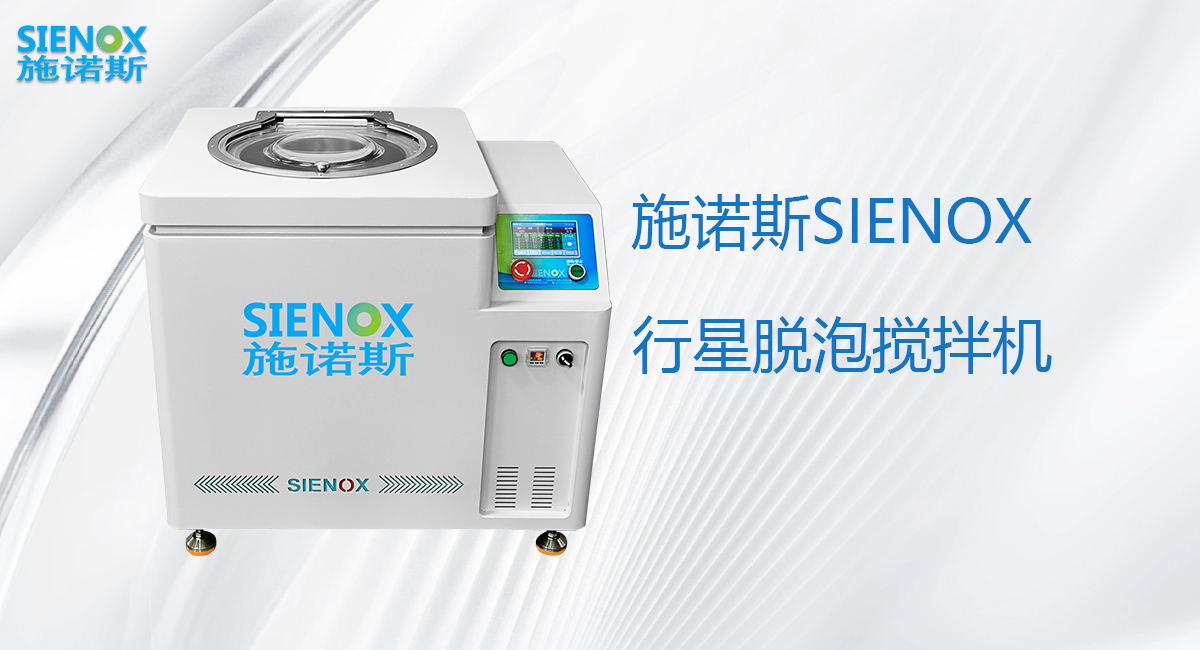
III. Selection and Maintenance: Building an Efficient and Stable Production System
Equipment Selection Guidelines
Vacuum requirement: Models with vacuum degree ≤ -99.9 KPa shall be selected for medical-grade silicone rubber.
Stirring mode: Planetary stirring (revolution + rotation) applies to high-viscosity materials, while single-axis stirring suits low-viscosity liquids.
IV. Industry Trend: Dual Driving Force of Intelligence and Green Manufacturing
Empowerment by intelligent algorithms: New-generation vacuum stirring defoaming machines integrate machine learning modules to automatically optimize process parameters based on historical data. For instance, by analyzing 1000 sets of silicone rubber viscosity data, the machine shortens defoaming time by 20% and cuts energy consumption by 15%.
Low-carbon technology upgrade: Variable-frequency vacuum pumps and energy-saving motors reduce energy consumption by more than 30% compared with traditional equipment. After adopting such equipment, one enterprise reduced annual power consumption from 120,000 kWh to 84,000 kWh and cut carbon emissions by 33.6 tons.
Modular design: It supports multi-station parallel connection and production line integration to realize fully automatic production from mixing to defoaming. Through modular transformation, one factory increased production capacity by 50% and lowered labor costs by 40%.
As the "quality hub" of silicone rubber production, vacuum stirring defoaming machines are pushing the industry toward high precision, high efficiency and high reliability. When selecting equipment, enterprises need to comprehensively consider material characteristics, production capacity demands and technological foresight, and build competitive production systems through intelligent upgrading and green manufacturing practices. In the future, with deep integration of AI, IoT and other technologies, vacuum stirring defoaming machines will become one of the core equipment in the Industry 4.0 era.
Related recommendations
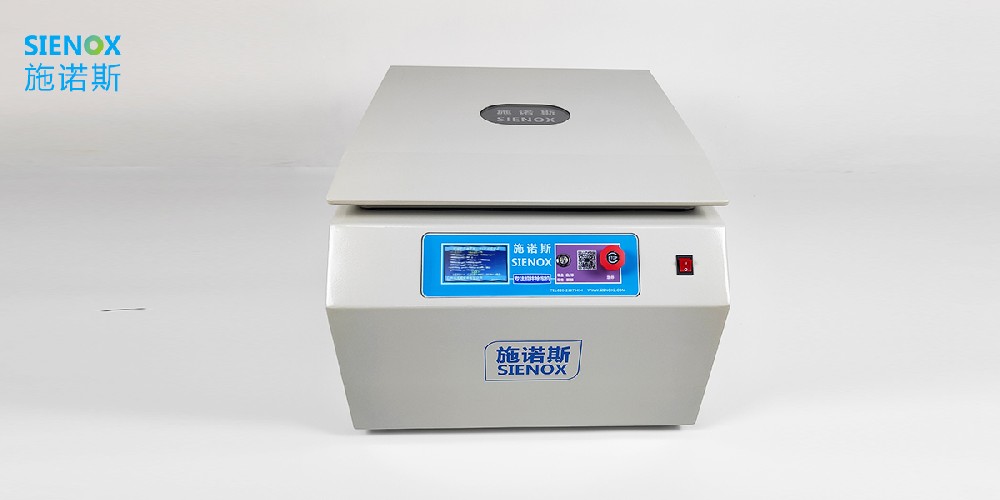
Centrifugal defoaming machine: An efficient tool for both laboratory and factory.
The extensive application fields of planetary defoaming machines.
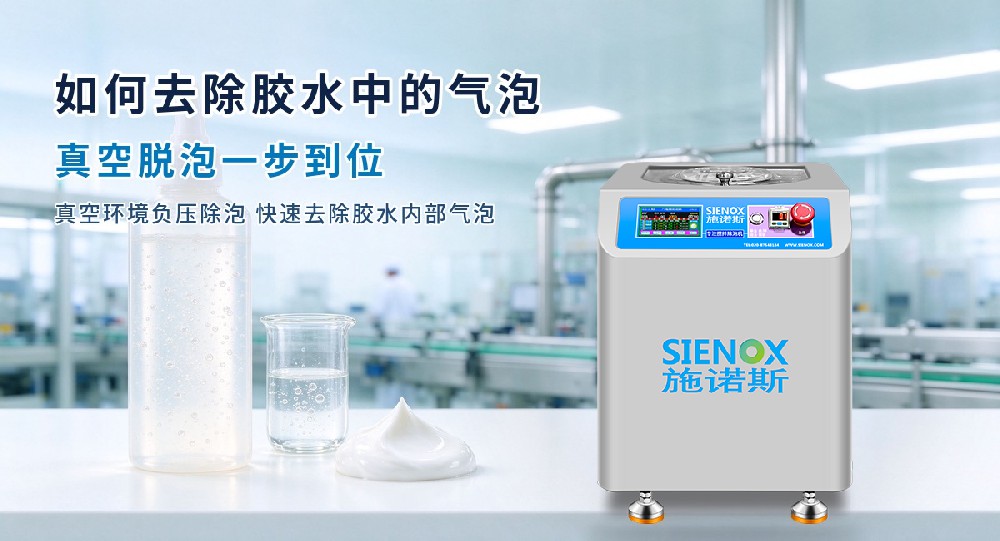
How to remove bubbles from glue
The application of vacuum stirring defoaming machine in the defoaming process of silver paste materials.
Perhaps you still need....
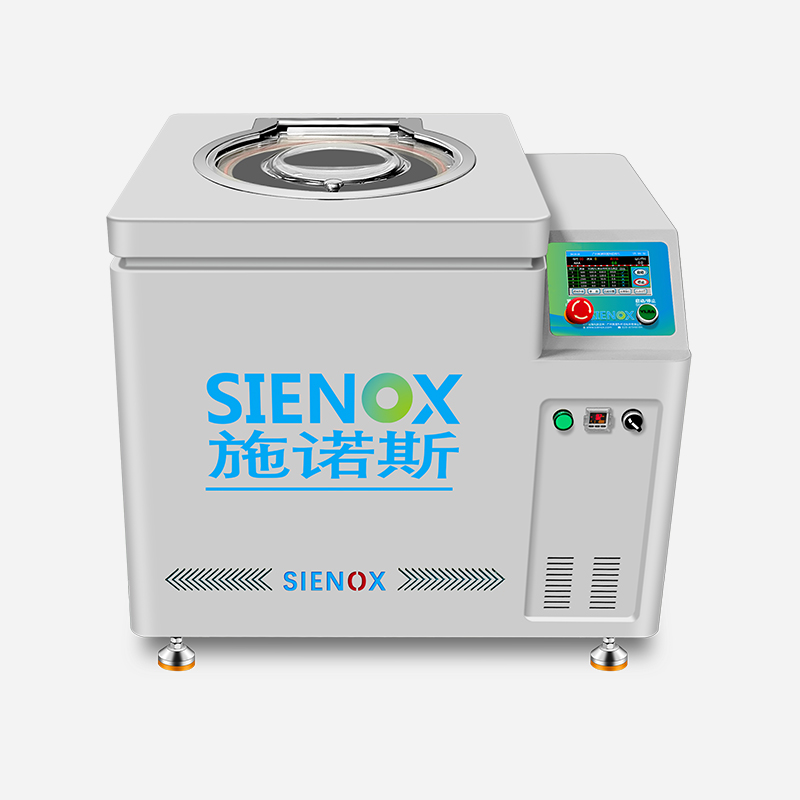
行星式真空脱泡搅拌机 SIE-MIX1000plus
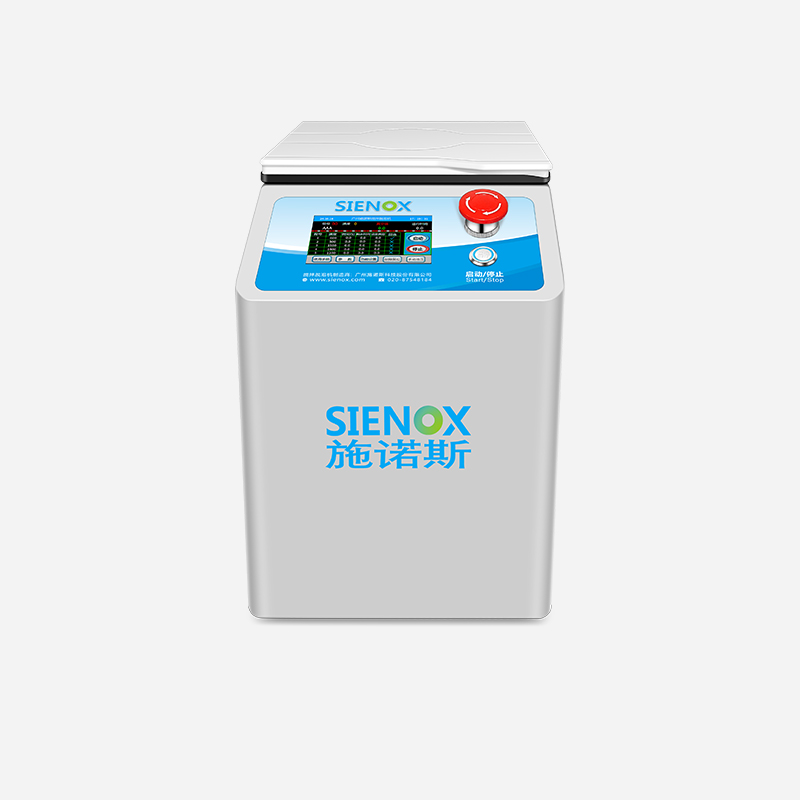
实验室行星式搅拌脱泡机 SIE-SV200
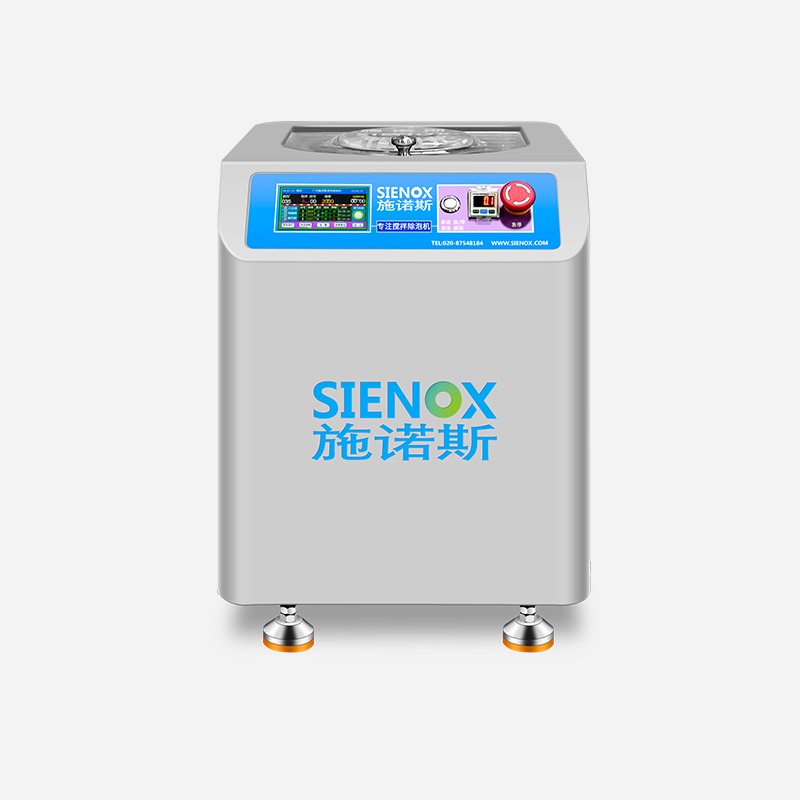
SIENOX行星式脱泡搅拌机 SIE-CV300
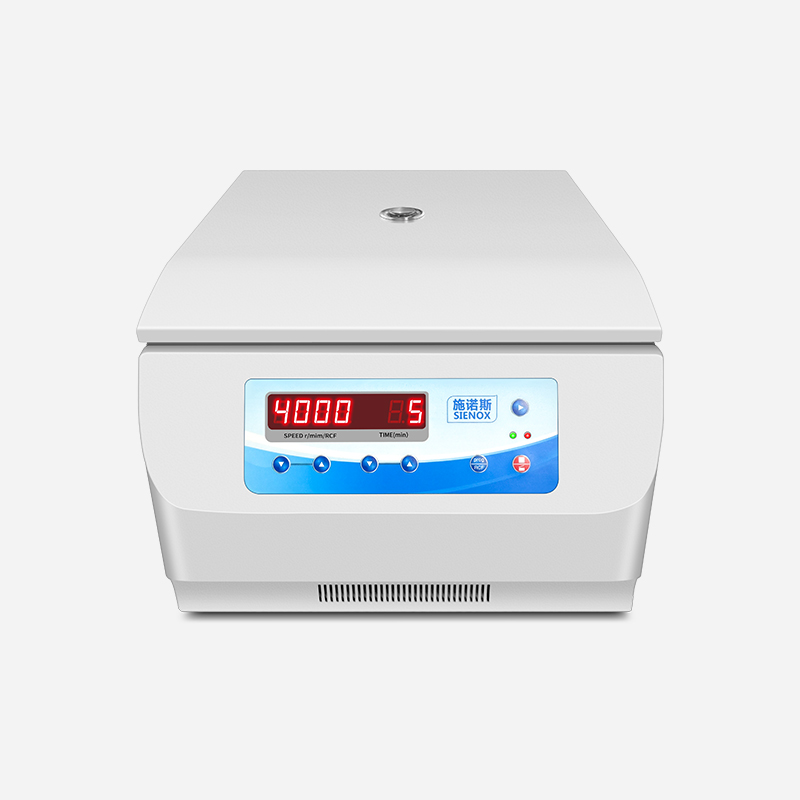
离心脱泡机 SIE-C006
About SIENOX
广州施诺斯(SIENOX),20年脱泡机设备研发与生产的源头厂家
超过1800种材料脱泡案例
纳米级脱泡,满足不同材料多段搅拌除泡需要,支持定制
资质齐全,荣获多项国家专利,联系我们可免费试样