


News

TEL:18925129293


How to Defoam Anode Slurry
date:2026-09-17author:小施In the manufacturing process of lithium-ion batteries, the preparation of anode slurry is one of the core links affecting battery performance. If bubbles in the slurry are not completely removed, it will cause uneven coating, abnormal electrode porosity, and even safety hazards such as internal short circuits of batteries. Therefore, the optimization of defoaming process is critical to improve battery consistency and safety. This article systematically analyzes common methods, principles and operational points for anode slurry defoaming.
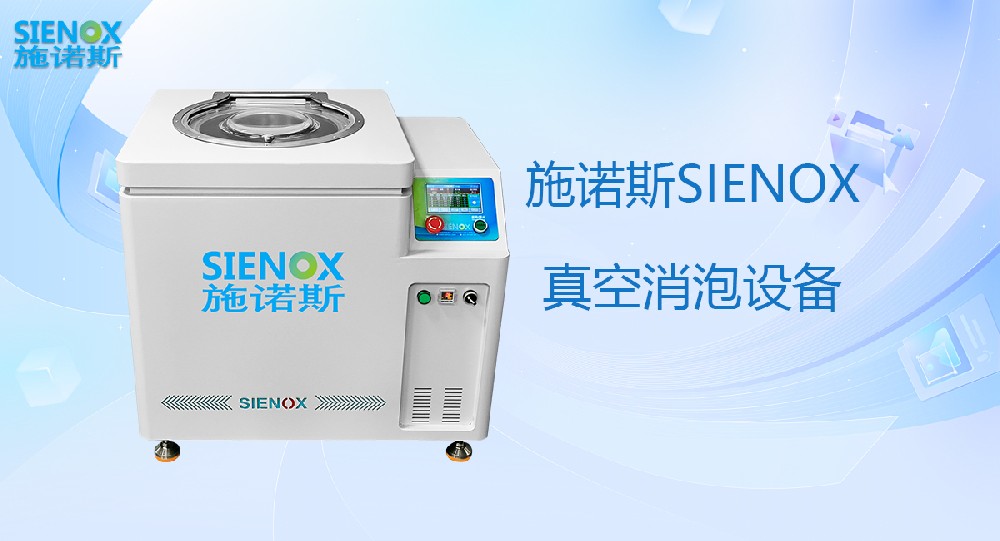
I. Causes and Hazards of Bubbles in Anode Slurry
Anode slurry consists of active materials (such as graphite), conductive agents, binders (such as CMC, SBR) and solvent (deionized water). During mixing, micro-sized bubbles are easily formed inside the slurry due to differences in material surface tension, mechanical shear force and solvent volatilization. If these bubbles are not eliminated effectively, the following problems will occur:
Coating defects: pinholes formed after bubble rupture reduce the uniformity of the electrode surface;
Decreased adhesion: bubbles hinder sufficient contact between binders and active materials;
Battery performance degradation: abnormal pore structure of electrodes affects lithium ion transport efficiency.
II. Three Core Processes for Anode Slurry Defoaming
1. Vacuum Defoaming Process
Principle: Reduce air pressure on the slurry surface under vacuum environment to expand and burst bubbles, then exhaust gas by negative pressure suction.
Operational points:
Vacuum degree control: normally maintained at -99.9KPa. Excessively high vacuum will lead to solvent volatilization;
Defoaming time: adjusted according to slurry viscosity (usually 3~10 minutes). Higher viscosity requires longer time;
Dynamic defoaming: combine low-speed stirring (0-3000 rpm) to accelerate bubble rising.
Advantages: high efficiency, suitable for mass production;
Limitations: high equipment cost, solvent loss needs strict monitoring.
2. Revolution and Rotation Defoaming Technology
Principle: With revolution and rotation defoaming technology, bubbles migrate toward the slurry center and burst under density difference.
Operational points:
Rotating speed and time: optimized according to slurry density gradient;
Temperature control: some heat-generating materials produce heat during defoaming. A cooling system is required to keep slurry temperature ≤40℃.
Advantages: suitable for small-batch high-viscosity slurry with thorough defoaming;
3. Non-contact Stirring and Defoaming Method
Principle: Adjust stirring parameters (low speed, variable-direction stirring) to reduce new bubble generation and promote floating and rupture of existing bubbles.
Operational points:
Segmented stirring: high-speed dispersion (1000~2000 rpm) followed by low-speed defoaming (500~1000 rpm);
Blade-free design: non-contact design without changing material chemical properties
Advantages: integrable with slurry preparation process, low cost;
III. Process Optimization and Notes
Slurry viscosity control: excessively high viscosity hinders bubble migration, multiple tests are required to verify effects;
Equipment selection for defoaming: large-capacity vacuum defoaming machines fit mass production, small stirring defoamers are more suitable for R&D stage;
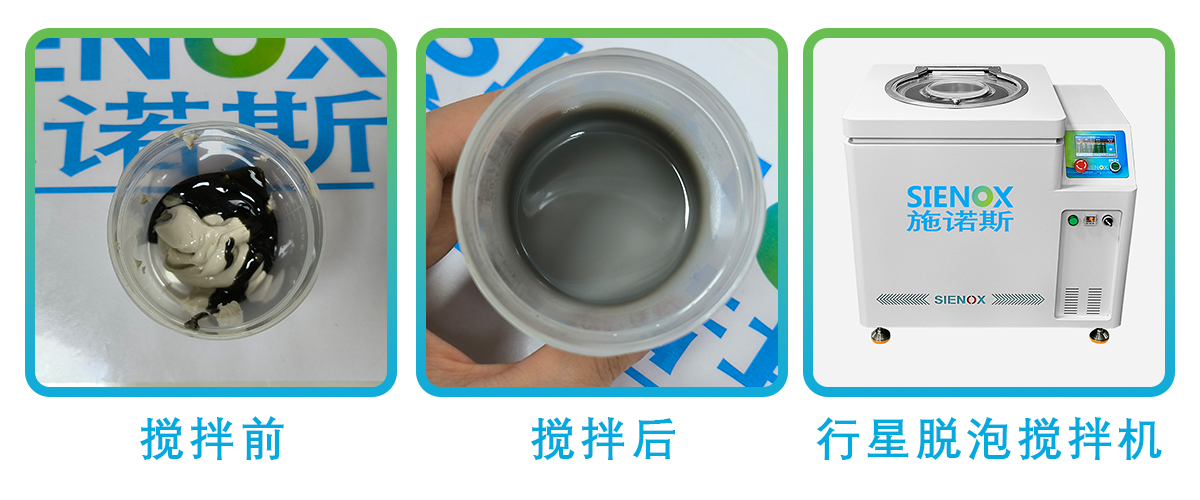
Anode slurry defoaming needs comprehensive consideration of production efficiency, cost and slurry characteristics. Vacuum defoaming process becomes the mainstream choice for its high efficiency, while revolution-rotation defoaming technology shows advantages in high-precision scenarios. In the future, with the application of nanomaterials and low-viscosity binders, emerging technologies such as non-contact stirring defoaming may further promote process upgrading. Accurate adjustment of defoaming parameters can greatly improve electrode quality and lay a foundation for lithium battery manufacturing with high energy density.
Related recommendations
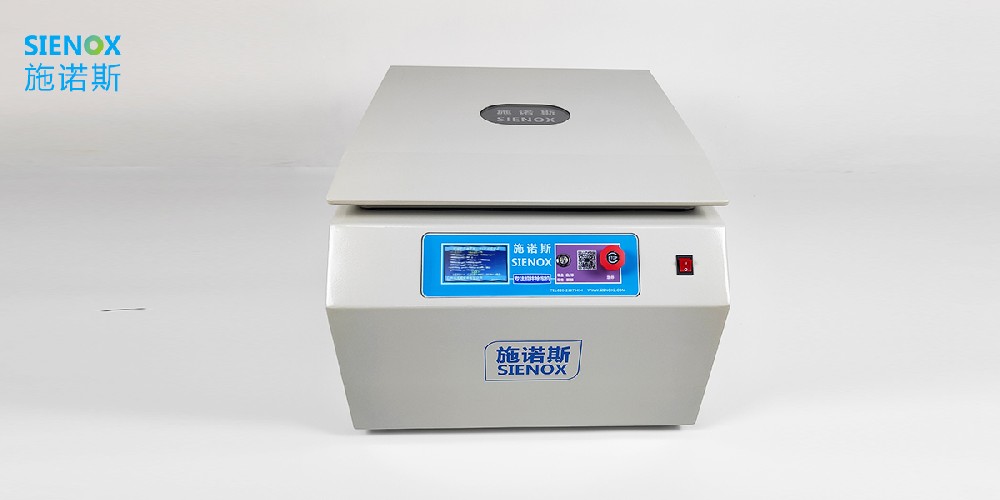
Centrifugal defoaming machine: An efficient tool for both laboratory and factory.
The extensive application fields of planetary defoaming machines.
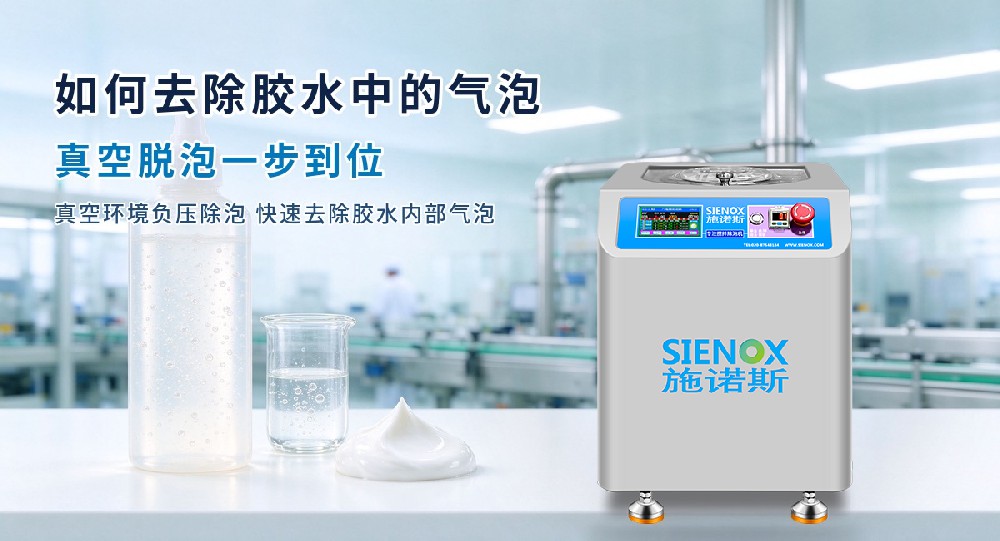
How to remove bubbles from glue

The application of vacuum stirring defoaming machine in the defoaming process of silver paste materials.
Perhaps you still need....
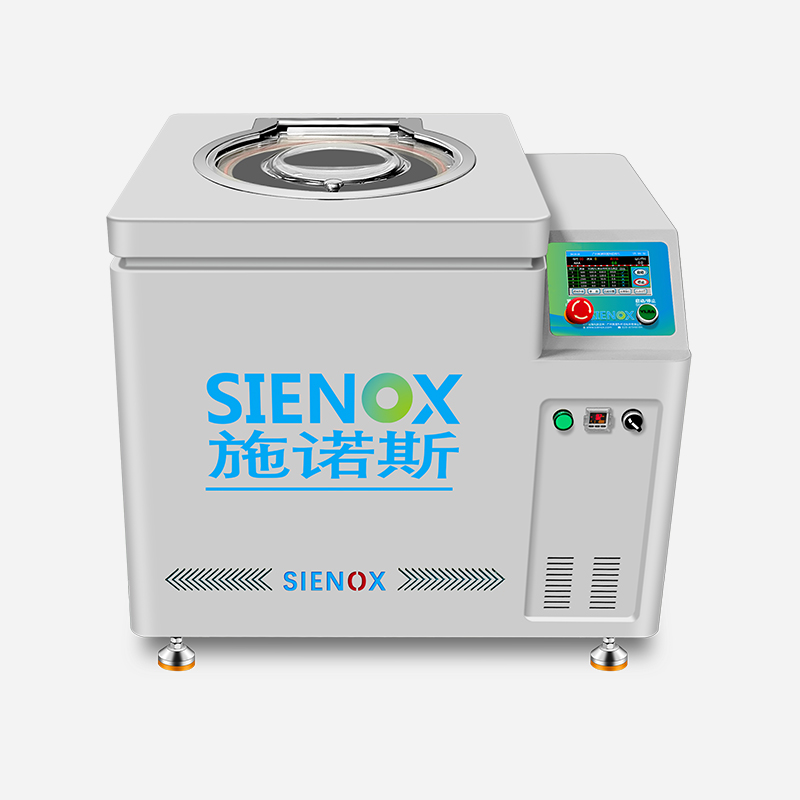
行星式真空脱泡搅拌机 SIE-MIX1000plus
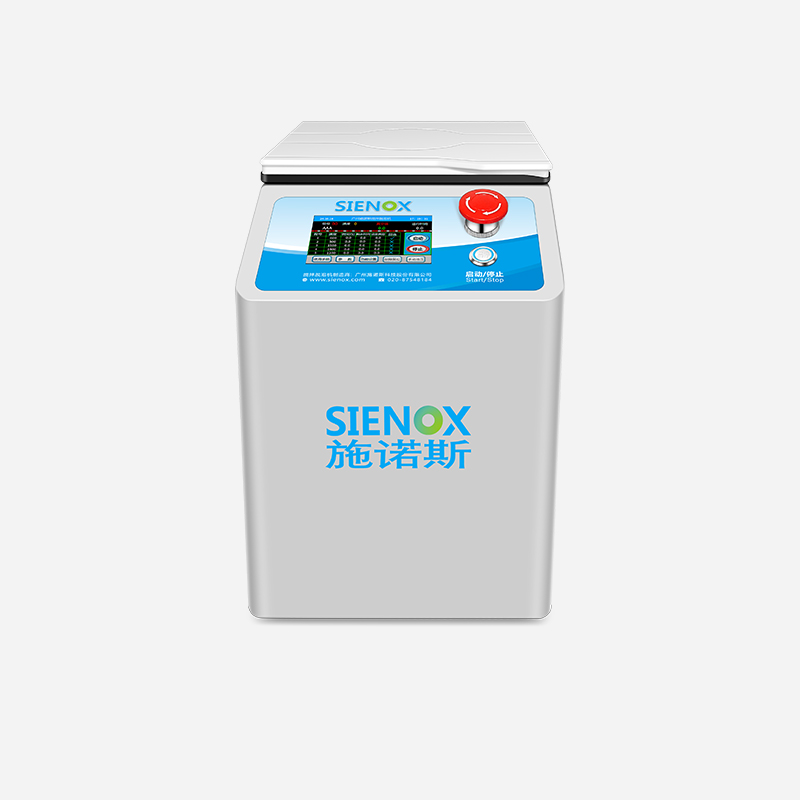
实验室行星式搅拌脱泡机 SIE-SV200
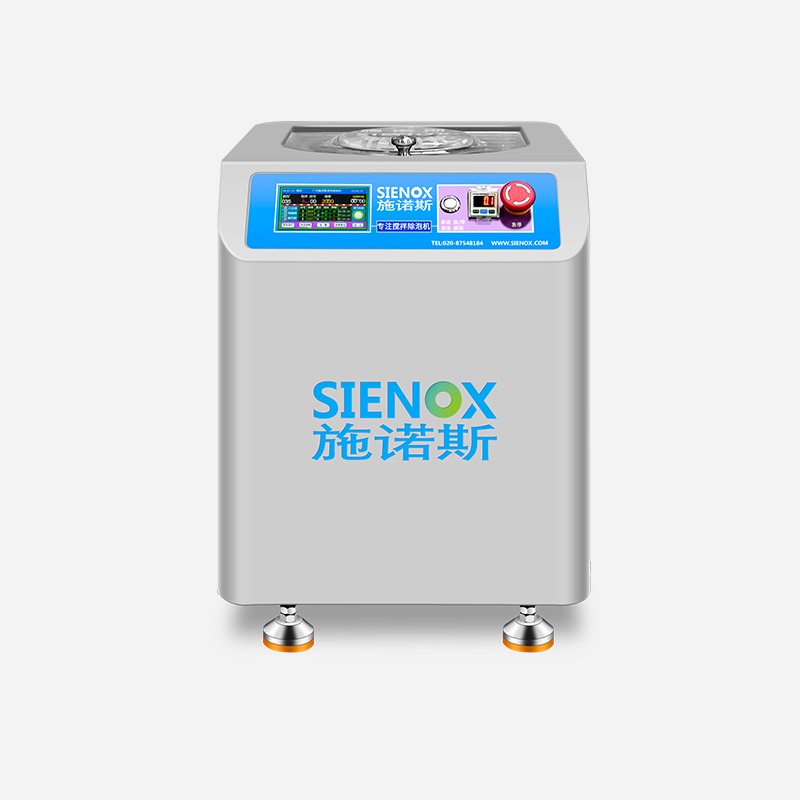
SIENOX行星式脱泡搅拌机 SIE-CV300
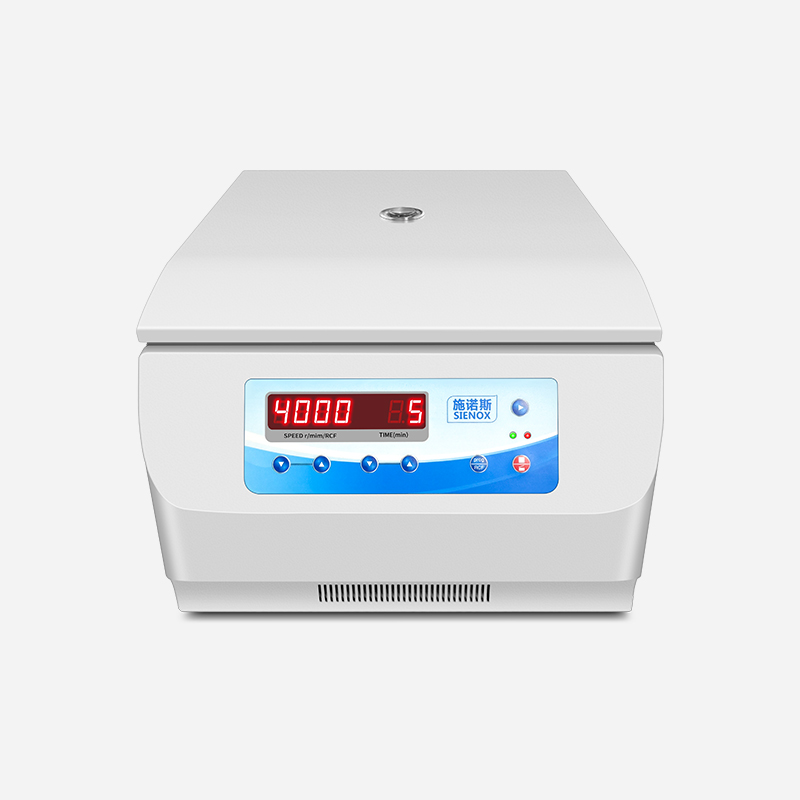
离心脱泡机 SIE-C006
About SIENOX
广州施诺斯(SIENOX),20年脱泡机设备研发与生产的源头厂家
超过1800种材料脱泡案例
纳米级脱泡,满足不同材料多段搅拌除泡需要,支持定制
资质齐全,荣获多项国家专利,联系我们可免费试样